

You’ve probably noticed it. That steady gaze from across the room. Your senior dog, who once napped contentedly in the sunny spot by the window, now tracks your every movement with those wise, soulful eyes.
Maybe they follow you from room to room, shadowing your steps like they did when they were puppies. At first, you might dismiss it as your old friend simply loving your company. That’s partly true. Yet there’s something deeper happening here, something both beautiful and heartbreaking that every dog owner should understand.
This behavior shift isn’t just about affection. Let’s be real, it’s a window into the complex world of canine aging, where physical changes and emotional needs intersect in ways that tug at our hearts. So let’s dive in.
When Their Senses Start to Fade
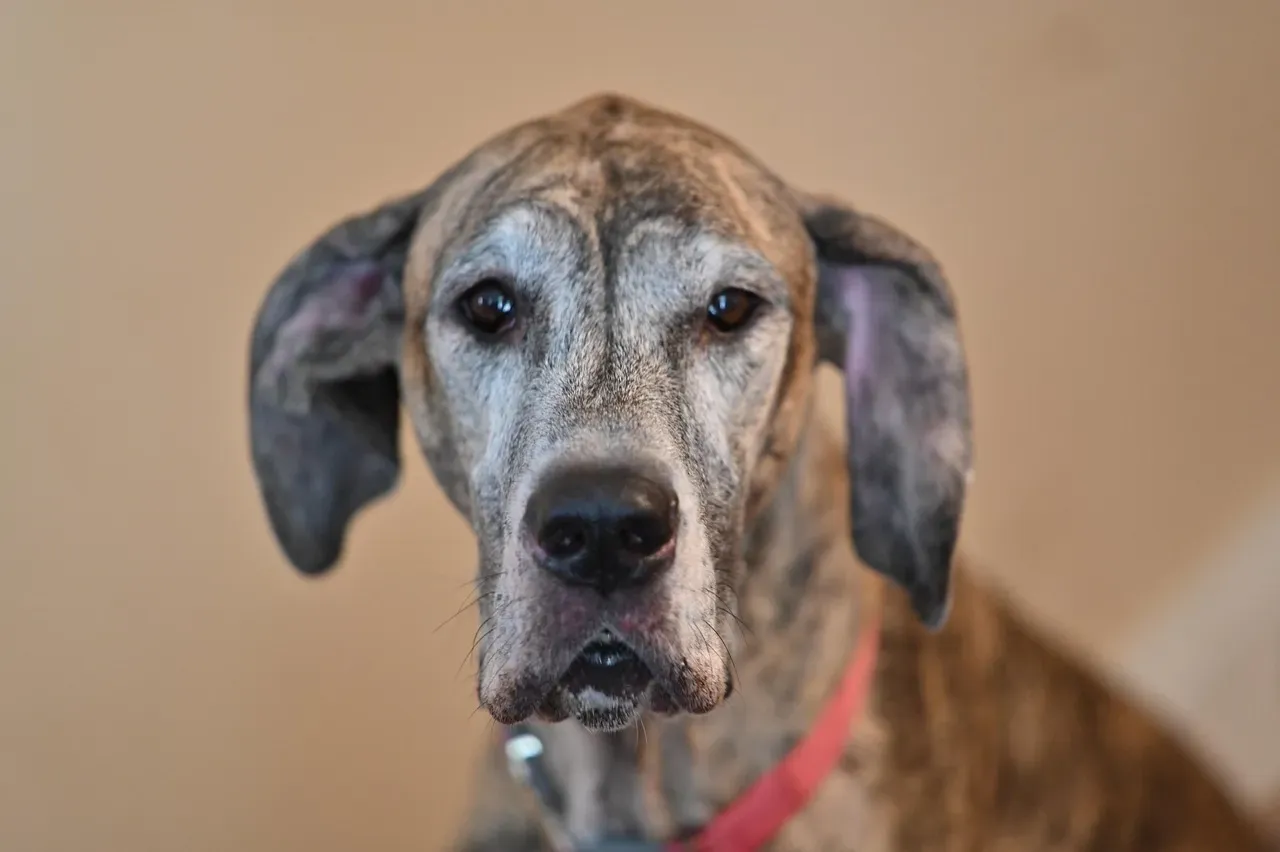
Age-related hearing loss in dogs often goes unnoticed at first because dogs rarely give obvious clues, and they may lose particular frequencies before complete deafness sets in. Your dog might hear the rumble of your voice but miss the higher tones. They might sleep through a thunderstorm that would have once sent them running.
As dogs age, much like humans, they start to lose their sight and hearing capabilities, with almost all dogs in their elder years experiencing these symptoms to some degree. Think about it from their perspective. The world is becoming quieter, dimmer, more uncertain. So they rely on what they can still track with certainty: you.
It can be disorienting and stressful for aging dogs to experience vision and hearing changes, though dog parents can help by understanding what’s happening and developing coping strategies. That constant watching? It’s their way of staying oriented in a world that’s slowly fading around the edges. They’re using you as their anchor, their point of reference in an increasingly confusing environment.
The Brain Changes Nobody Talks About
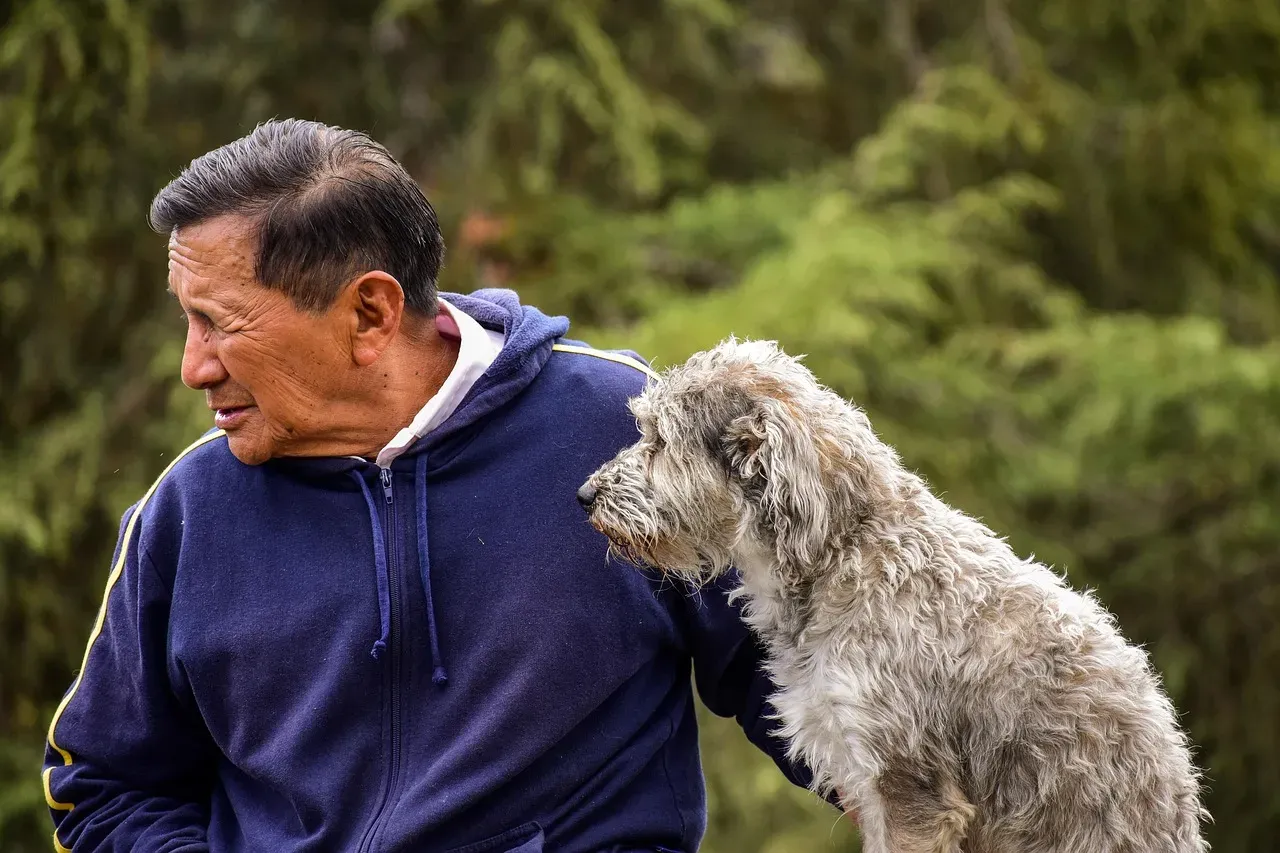
Here’s where things get truly emotional. Cognitive dysfunction syndrome is a common age-related disease in dogs that affects the brain, causing deterioration similar to Alzheimer’s disease in humans, and dogs may start developing it around nine years of age or older. The brain literally undergoes physical changes.
Common concerns reported by guardians of aging dogs include increased sensitivity and irritability, increased fear of unfamiliar pets and people, decreased tolerance of touch and restraint, increased following and desire for contact, and increased anxiety when left alone. Your dog isn’t being clingy for no reason. Their changing brain chemistry is driving them to seek reassurance from the one constant in their life.
Research shows that over sixty percent of dogs older than eleven years show at least one sign of cognitive decline, yet many families assume these symptoms are just old age. Memory becomes fuzzy. Familiar places suddenly seem strange. Recognizing them early can help your dog stay comfortable longer.
The Anxiety Behind Those Watchful Eyes

Honestly, this part breaks my heart. Aging dogs commonly experience increased following and desire for contact, along with increased anxiety when left alone. They’re not trying to drive you crazy by following you to the bathroom. They’re genuinely worried you might disappear.
Older dogs may have trouble coping with changes in their routines and may be subject to age-related vision or hearing loss, which makes them feel vulnerable and anxious. Picture waking up in a fog, not quite sure where you are, unable to hear well or see clearly. Wouldn’t you want to keep your loved one in sight?
The increased watching is their coping mechanism. When the world feels unstable, they keep tabs on the one thing that makes them feel safe. Your presence becomes their emotional lifeline in ways it never was before.
Spotting the Difference Between Happiness and Need
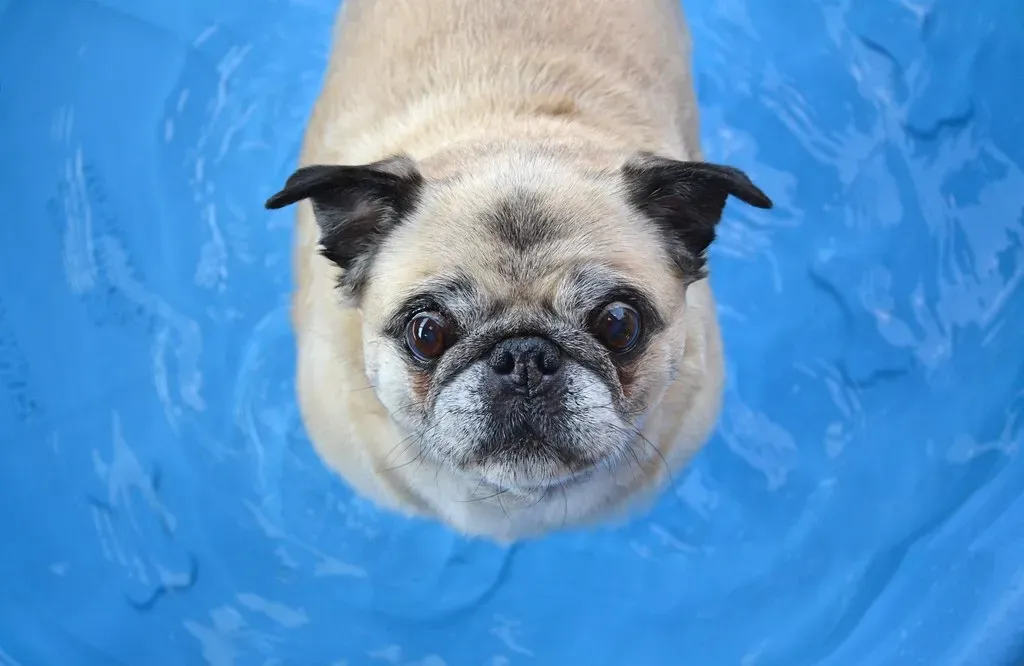
When a dog is happy, their eyes and eyelids will be open and relaxed, their gaze will be soft, and they will blink often, while narrowed eyes and a hard gaze can indicate aggression. A soft, blinking gaze is contentment. A hard stare might signal something else entirely.
A happy dog has an open countenance, a relaxed expression, a lack of stress lines around the face, and no tension in their body. Watch their whole body, not just their eyes. Are their muscles loose? Is their tail in a natural position? A truly happy senior dog watching you will have soft, gentle body language accompanying that gaze.
However, if that watching comes with pacing, whining, or an inability to settle, it’s more about anxiety than affection. The difference matters because it tells you what your dog needs from you in that moment.
What Your Senior Dog Really Needs From You Now
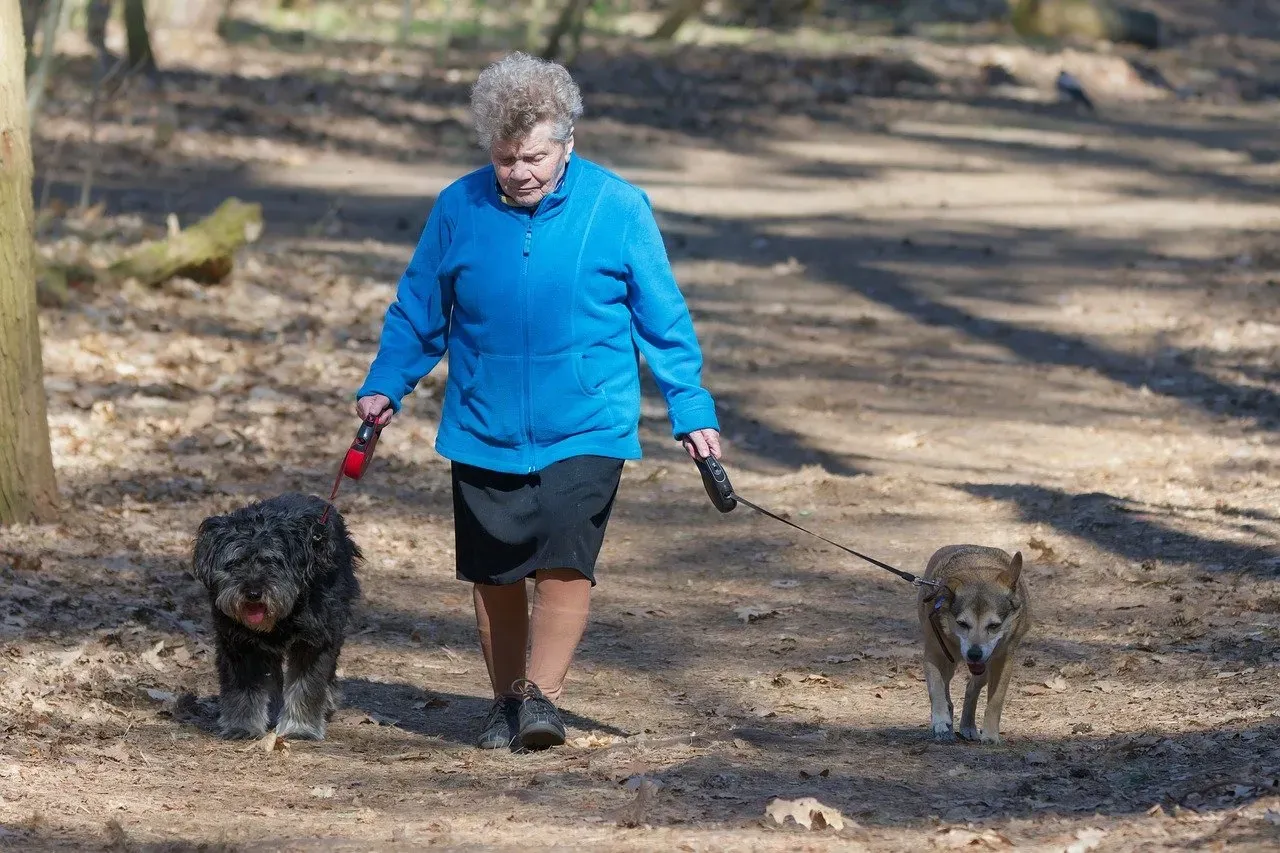
The good news? You can absolutely help. Environmental and behavioral enrichment, including social interaction, exercise and thinking games, should be part of the daily routine of any patient with cognitive dysfunction. Keep their mind engaged with puzzle toys, gentle training sessions, and new but manageable experiences.
To keep the environment familiar, consider eliminating clutter around the house to prevent obstacles, keep commands short to avoid confusion, and develop a feeding and watering schedule that sticks to a routine. Consistency becomes incredibly important. They need predictability when their internal world feels uncertain.
Most importantly, embrace the watching with compassion rather than frustration. Senior pets can enjoy a high quality of life despite diminished vision or hearing, though it’s vital to create a system of communication, engagement and comfort to keep your pet happy and safe. That constant gaze is your dog saying, “You’re my world, and I need you more than ever.”
Conclusion
The truth is, when your senior dog watches you more than they used to, they’re not being needy. They’re navigating a profound shift in how they experience the world. Their senses are fading, their brain is changing, and their anxiety is real. Yet through it all, their love for you remains the brightest beacon in an increasingly dim landscape.
Understanding this behavior for what it truly is gives you the power to respond with patience and tenderness. You can adjust their environment, maintain comforting routines, and most of all, be present for them in their golden years the way they’ve been present for you throughout their life.
After all, isn’t that what unconditional love looks like? What changes have you noticed in your senior dog? Tell us in the comments.


