


Dogs, our loyal and loving companions, often communicate through barking. However, there are times when this vocal expression becomes excessive, testing the patience of even the most devoted dog lover. While barking is a natural behavior, unwanted and incessant barking can be disruptive and frustrating. Fortunately, there are simple yet effective methods to curb this behavior, ensuring a harmonious coexistence with your furry friend. In this article, we’ll explore three easy steps to help manage your dog’s barking without compromising their well-being or happiness.
Understanding the Barking Behavior

Before jumping into solutions, it’s crucial to understand why your dog barks. Barking can be a means of communication, expressing excitement, fear, or even boredom. Dogs might bark to alert their owners of intruders or simply because they want attention. Think of barking as a dog’s version of human speech. Just as humans talk for different reasons, dogs bark for various purposes. By identifying the triggers, whether it’s the mailman or the sound of a doorbell, you can better address the root cause of the barking.
Take, for instance, a dog that barks every time the doorbell rings. This might be due to excitement or a perceived threat. Observing your dog’s body language during these episodes can provide insights. Are they wagging their tail, or do they seem anxious? Understanding these nuances is the first step in addressing the behavior. Remember, every bark tells a story, and deciphering that story is half the battle.
Step 1: Establish Consistent Training Commands
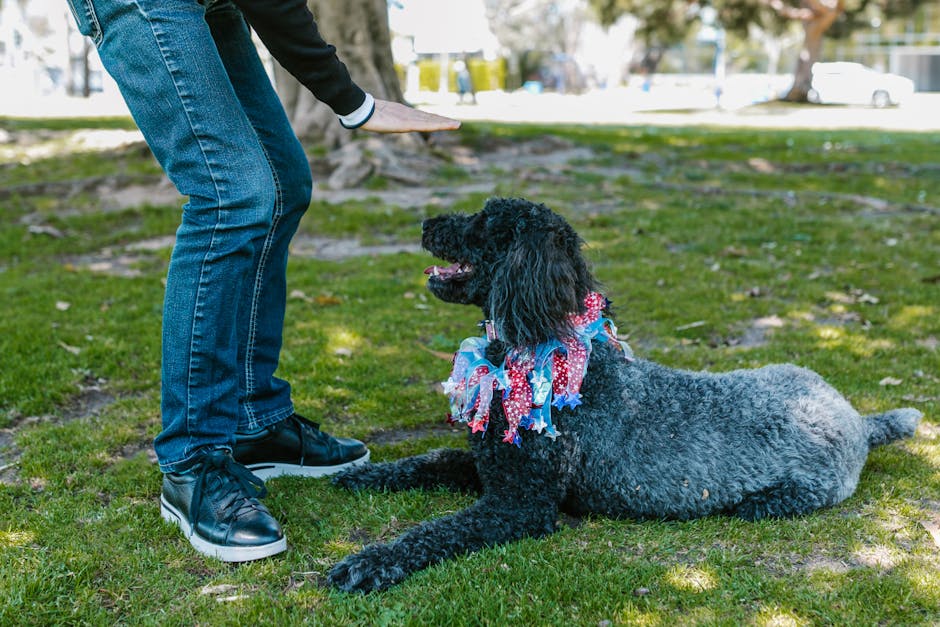
Consistency is key when training your dog to reduce unwanted barking. Start by teaching your dog simple commands such as “quiet” or “enough.” Use these commands consistently whenever your dog begins to bark unnecessarily. Reinforce the command with a calm yet firm tone. It’s essential to be patient and persistent, as dogs learn through repetition and positive reinforcement. Consider using treats or praise to reward your dog when they respond correctly.
Imagine training as teaching a child to say “please” and “thank you.” Just as repetition and consistency are vital in teaching children manners, the same applies to dogs. It may take several weeks for your dog to fully grasp and respond to the command, so patience is vital. Remember, training is not a one-time event but a continuous process. By staying consistent, you’re setting the foundation for long-term behavioral change.
Step 2: Identify and Reduce Triggers
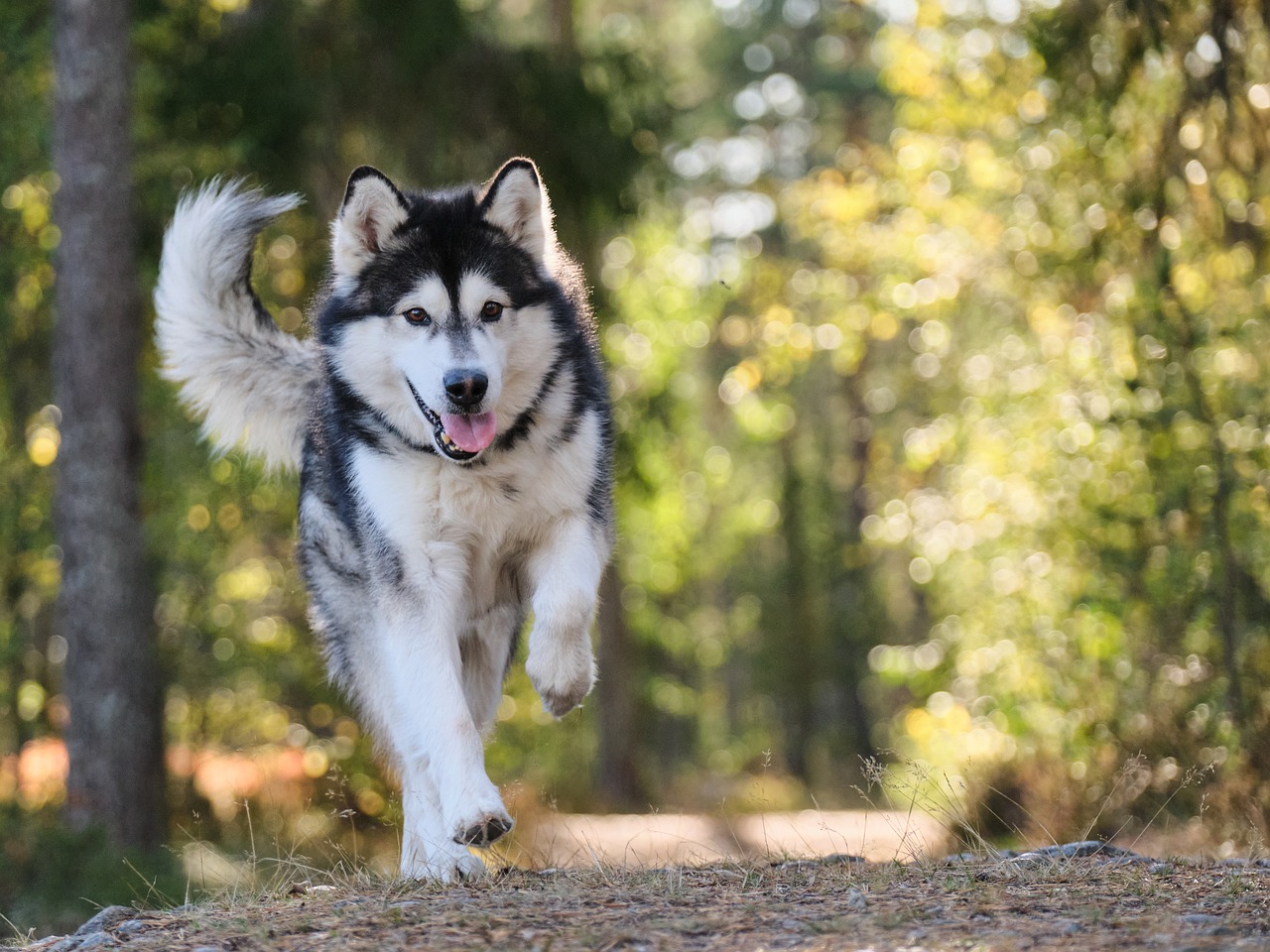
Once you’ve established training commands, the next step is to identify what triggers your dog’s barking. This might require some detective work, but it’s worth the effort. Common triggers include loud noises, strangers, or even boredom. Once identified, work on desensitizing your dog to these triggers. For example, if your dog barks at the sound of the doorbell, practice ringing it without opening the door and reward your dog when they remain calm.
Imagine you’re trying to remove a splinter from your finger. You need to locate it first before you can address it. Similarly, identifying the trigger helps in effectively reducing the barking. Sometimes, simple changes like closing the curtains to block outside stimuli can make a significant difference. The goal is to make the trigger less overwhelming for your dog, thereby reducing their need to bark.
Step 3: Provide Sufficient Physical and Mental Stimulation

A well-exercised dog is a happy dog, and often, a quiet one. Regular physical activity can significantly reduce excessive barking by burning off pent-up energy. Take your dog for daily walks, play fetch, or engage them in agility training. In addition to physical exercise, mental stimulation is equally important. Puzzle toys, training sessions, and interactive games can keep your dog mentally engaged and less likely to bark out of boredom.
Think of your dog like a wind-up toy that needs winding down. Without sufficient exercise, they accumulate energy, which often manifests as barking. By providing both physical and mental challenges, you’re ensuring your dog is content and less likely to resort to barking as a means of entertainment or expression. Remember, a tired dog is often a quiet dog.
Creating a Calm Environment

A calm home environment can play a significant role in reducing your dog’s barking. Dogs are sensitive to their surroundings, and a chaotic environment can lead to stress-induced barking. Consider setting up a quiet space for your dog where they can retreat when overwhelmed. This could be a cozy corner with their favorite bed and toys. Additionally, using calming aids like white noise machines or diffusers with calming scents can help soothe your dog.
Imagine your home as a tranquil sanctuary. Just as humans need downtime, dogs also benefit from a peaceful environment. By creating a calm space, you’re offering your dog a retreat from any stressful stimuli. Over time, this can lead to a reduction in stress-related barking, as your dog learns to associate their space with relaxation and safety.
Seeking Professional Help

If you’ve tried the above steps and still struggle with your dog’s barking, it might be time to seek professional help. Professional dog trainers or animal behaviorists can offer tailored solutions based on your dog’s specific needs. They can observe your dog’s behavior and provide insights that you might have overlooked. Sometimes, a fresh perspective can make all the difference.
Think of professional help as consulting an expert when your car breaks down. While you might have some knowledge, an expert can diagnose and fix the problem more efficiently. Similarly, a professional trainer can provide customized strategies and support, ensuring you and your dog have the best possible outcome.
Keeping a Realistic Perspective

It’s essential to maintain realistic expectations when addressing unwanted barking. Understand that barking is a natural behavior and won’t disappear entirely. Your goal should be to manage and reduce excessive barking rather than eliminate it altogether. Celebrate small victories, like a decrease in barking duration or frequency, and remember that progress takes time.
Think of this journey as climbing a mountain. Each step forward, no matter how small, brings you closer to the summit. By keeping a realistic perspective, you’re more likely to remain patient and persistent, ultimately achieving a more harmonious relationship with your dog.
Conclusion

Addressing unwanted barking is a journey that requires patience, understanding, and consistency. By understanding your dog’s behavior, implementing consistent training commands, identifying triggers, and ensuring adequate stimulation, you can significantly reduce excessive barking. Remember, each dog is unique, and what works for one might not work for another. Stay patient and adapt your approach as needed. Through these steps, you can foster a peaceful and happy environment for both you and your canine companion.
Andrew Alpin from India is the Brand Manager of Doggo digest. Andrew is an experienced content specialist and social media manager with a passion for writing. His forte includes health and wellness, Travel, Animals, and Nature. A nature nomad, Andrew is obsessed with mountains and loves high-altitude trekking. He has been on several Himalayan treks in India including the Everest Base Camp in Nepal.


