
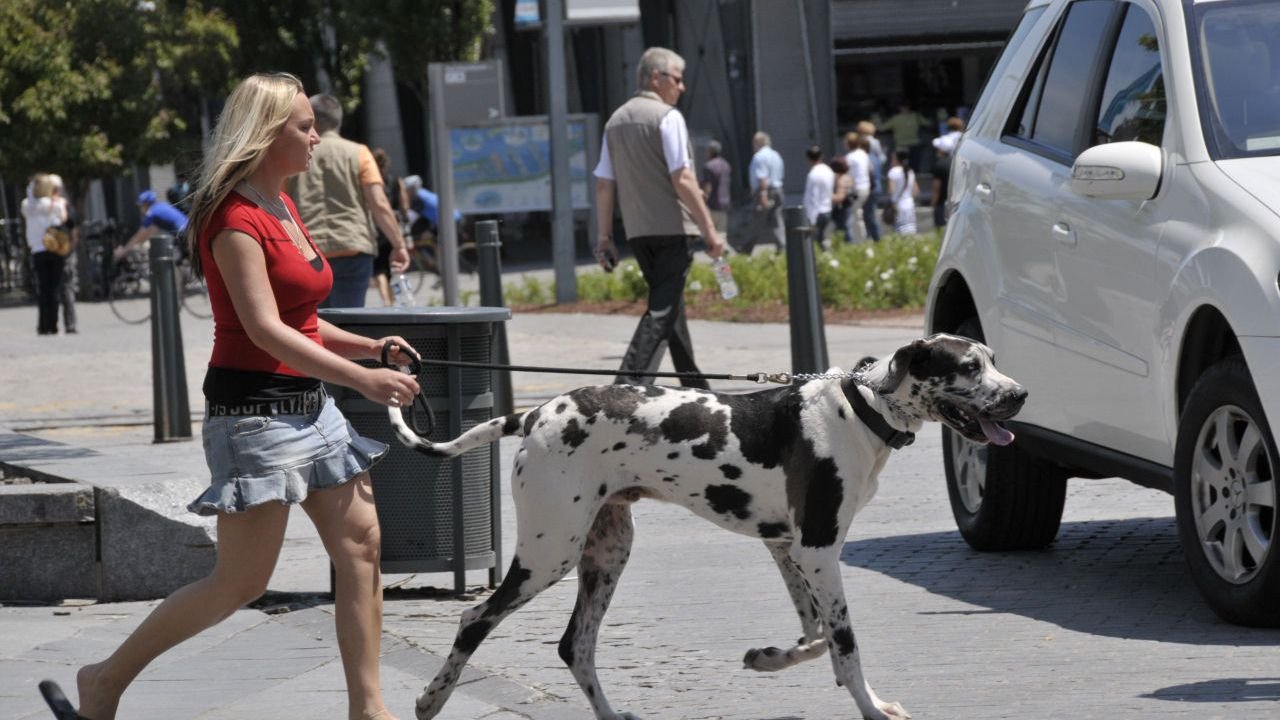
Picture this: you step outside, ready for a peaceful stroll with your beloved pup, only to feel your arm nearly yanked from its socket as they lunge toward that squirrel across the street. Sound familiar? You’re absolutely not alone in this struggle.
Dogs pull on the leash because we’re slower than they are, and when you leave your house heading out for a walk your dog is excited and wants to explore the neighborhood with all its smells, sounds, and sights. It’s hard to say for sure, but leash pulling might just be the most common challenge dog owners face. The good news? With patience, consistency, and the right approach, you can transform those chaotic walks into the enjoyable bonding experiences they should be. Let’s get started.
Understanding Why Your Dog Pulls in the First Place
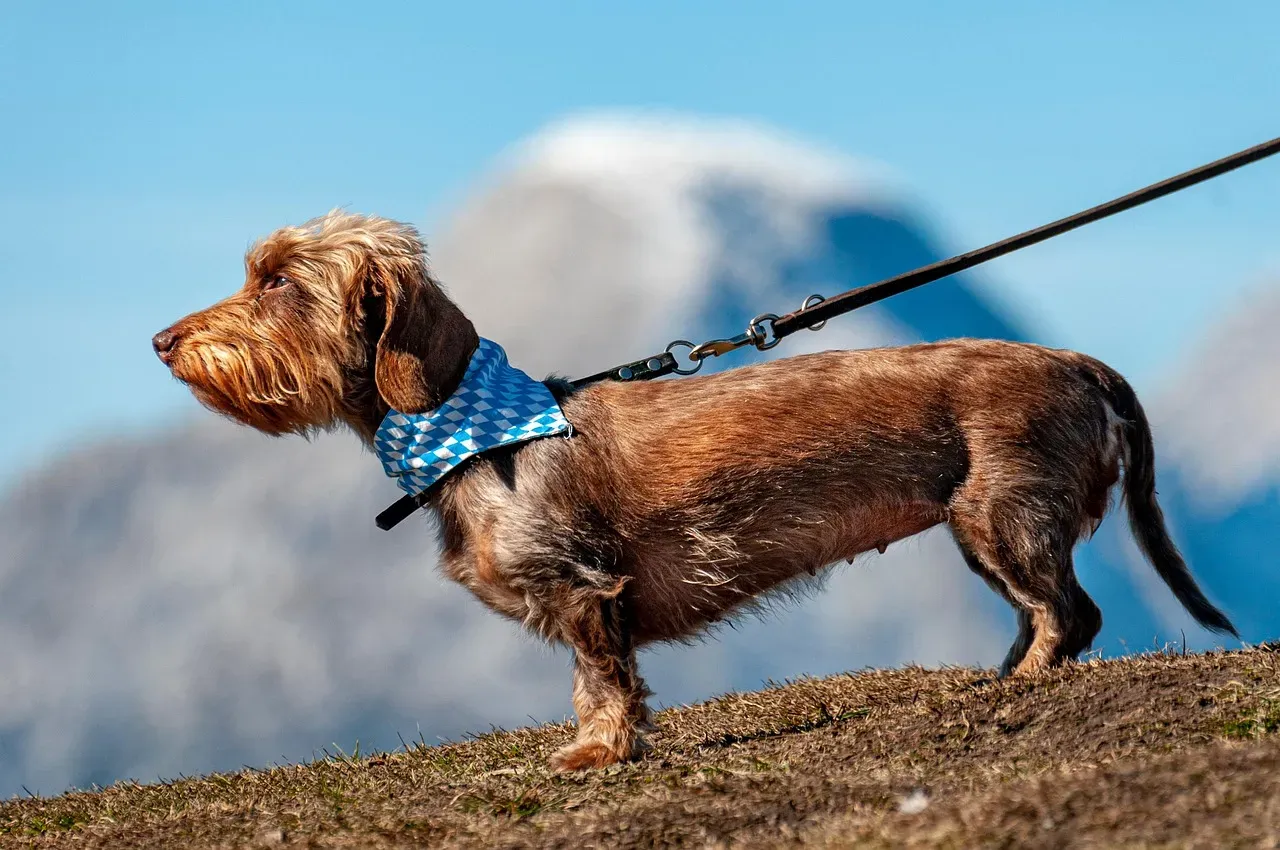
Here’s the thing: your dog isn’t trying to dominate you or show who’s boss. Dogs do not pull on the leash because they want to be pack leader or alpha, and there’s a much simpler explanation that doesn’t give credence to the myth that dogs are on a quest for world domination. The walk is simply a stimulating and exciting part of their day.
Being on a leash isn’t instinctive for dogs, and their inclination is to run since they share a common ancestry with wolves that were predatory hunters, making pulling seemingly normal from their perspective. Think about it from their point of view. They’re basically experiencing the equivalent of sensory overload with all those fascinating scents calling out to them.
Dogs tend to repeat actions that reward them, and if they’ve learned this behavior gets them what they wanted, they were rewarded and will continue the behavior to get the reward. Every time pulling gets them closer to something interesting, you’ve accidentally taught them that yanking works. We know it sounds crazy, but it’s true.
Choosing the Right Equipment Makes All the Difference
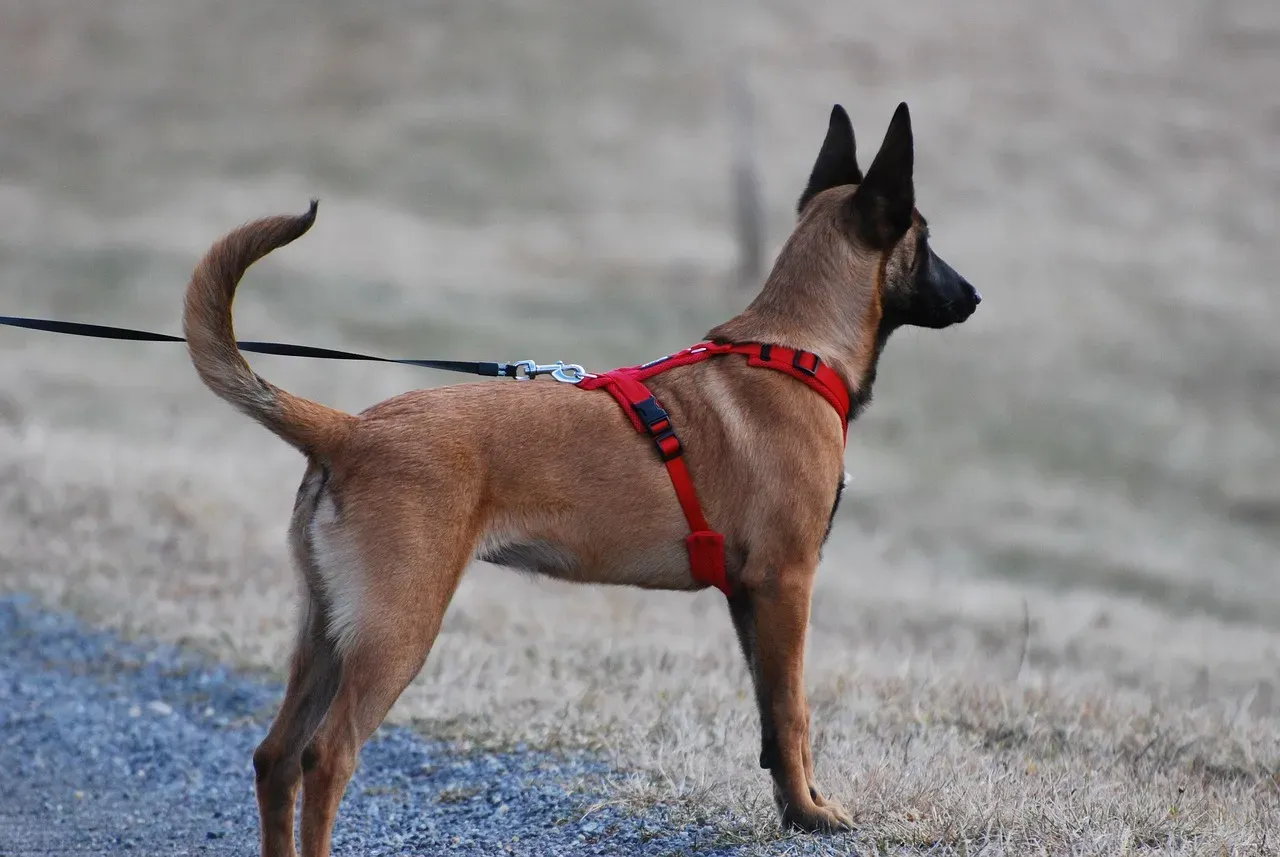
Harnesses are gentler on your dog’s neck since the pressure of a leash being yanked on a collar can cause physical harm to your dog, and using a harness distributes leash pressure more evenly across the dog’s body. This is especially important if your pup tends to pull hard enough to cough or wheeze.
A typical dog harness has a clip in the back, but on a training harness or no-pull dog harness, the leash attaches in the front at the dog’s chest, which allows you to have more control when your dog pulls. When they surge forward, the front attachment naturally turns them back toward you rather than letting them power ahead.
Choose a leash that feels good in your hands and is 6 to 10 feet in length, wide enough that even if the dog pulls you won’t have a friction burn on your hands. Please avoid retractable leashes during training – they actually teach your dog that constant tension on the leash is normal, which is the opposite of what we want.
The Stop and Start Method That Actually Works
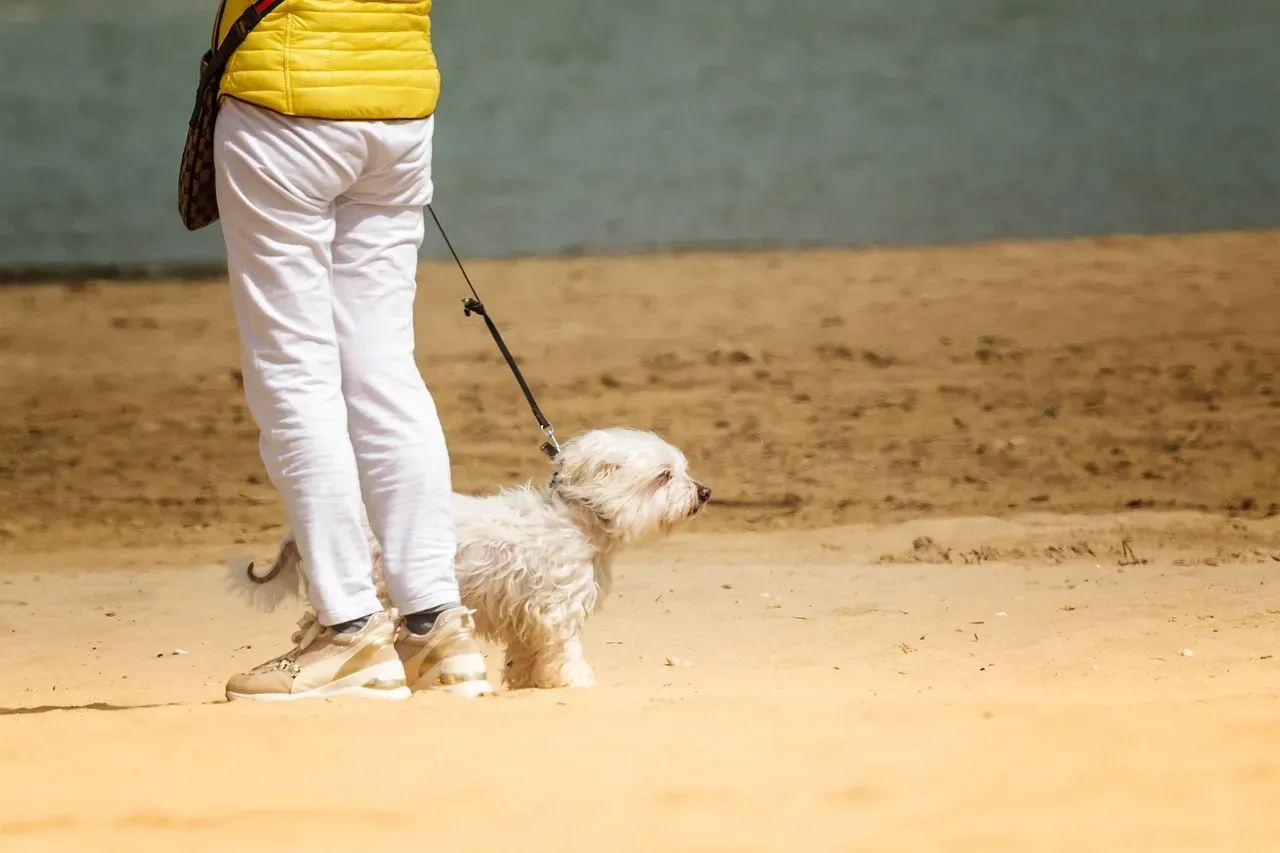
Put a leash on your dog’s collar and start to walk with them, and if your dog walks without pulling praise them and continue walking, but if your dog pulls on the leash stop and wait until they stop pulling, then praise your dog and offer a quick treat. Simple as that sounds, this technique requires serious commitment from you.
Consistency is important when teaching loose-leash walking, and if you stop when your dog pulls four out of five times rather than every time, they’ll learn that pulling can still result in moving forward since the dog is thinking if it worked once it will probably work again. I know it can feel tedious when you’re only getting three steps at a time in the beginning.
Wait for a slack leash in a J-shape and for your dog to turn their attention back to you, and it might take quite a while in the beginning, but eventually your dog will look or walk back to see what’s holding you up, and at that moment praise and reward your dog with a treat at your side.
The Direction Change Technique for Stubborn Pullers
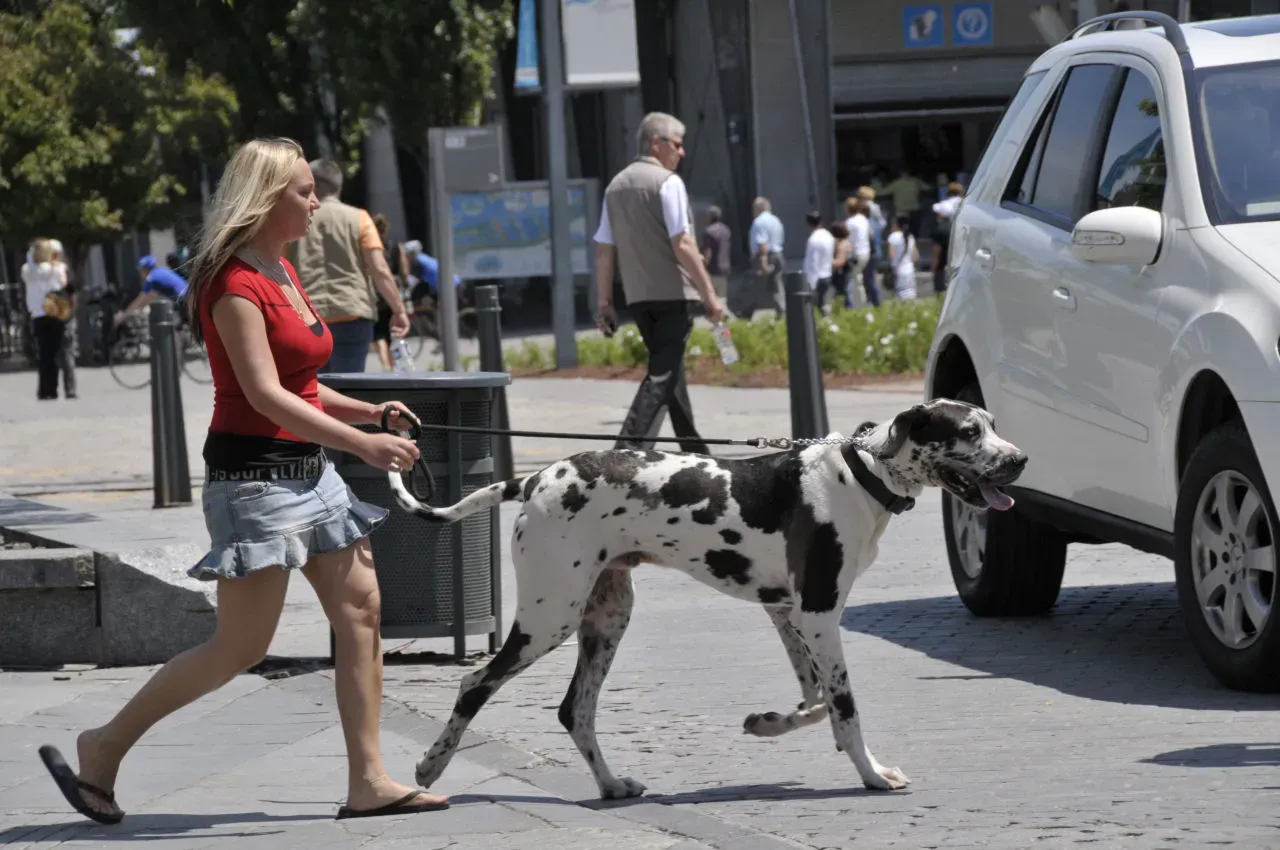
If the stop-and-start method feels too slow for you, there’s another approach. When the dog pulls, call their name and start walking in the opposite direction, marking and rewarding when they’re at your side. This keeps the training in motion and helps your dog understand they need to pay attention to where you’re going.
As soon as your dog moves ahead of you and you begin to feel the leash tightening, turn 180 degrees and go in the opposite direction, and when your dog catches up to you, if they now pull in the new direction turn and pull them back again until the dog will think that you’re nuts and begin to look up at you waiting for you to change direction. Honestly, it might look a bit silly to passersby.
The beauty of this method is that it transforms you into the most interesting thing on the walk. Your dog learns quickly that ignoring you means constant direction changes, while staying close means they get to actually go somewhere fun.
Rewarding Good Behavior Makes It Stick
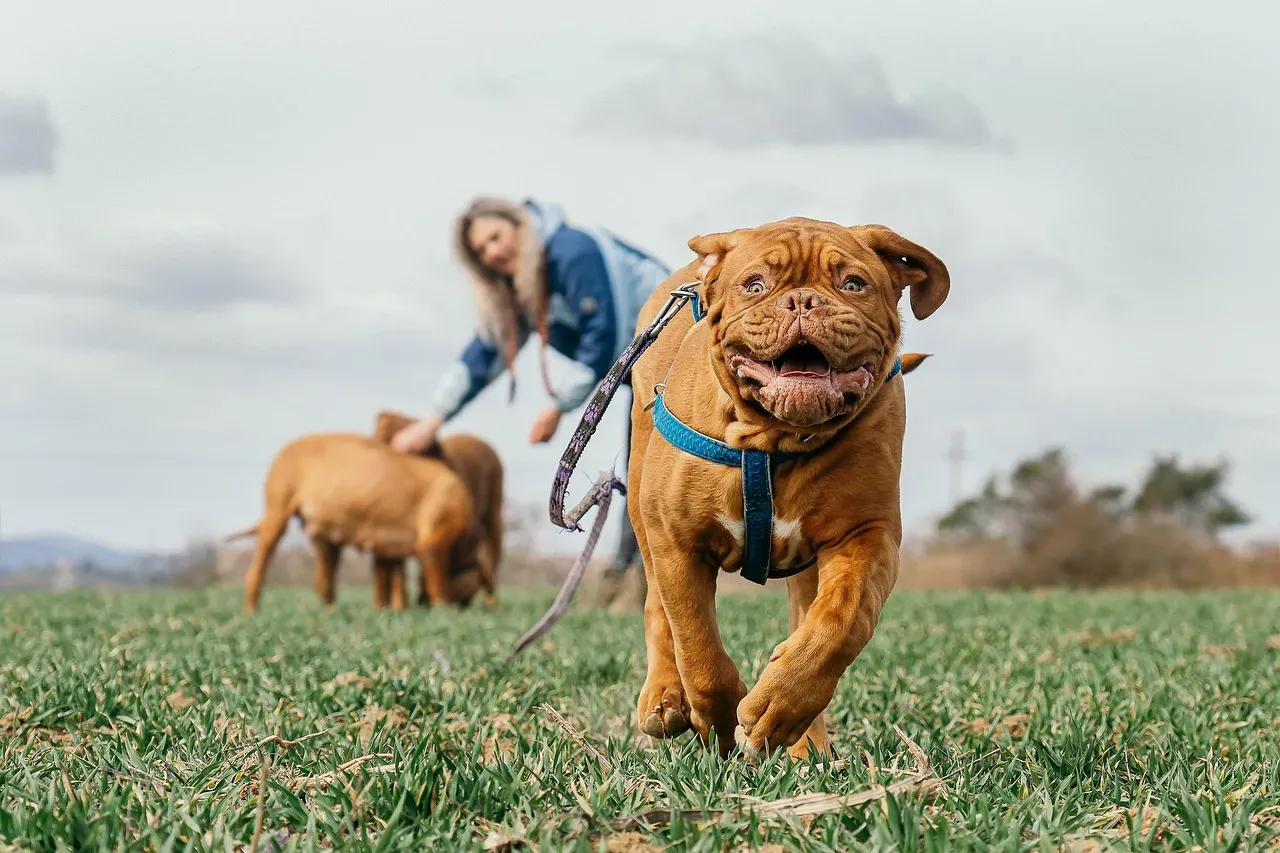
Positive reinforcement training makes heavy use of classical conditioning, and dogs will eventually be conditioned to enjoy the behavior that is paired with the reward, so a dog correctly trained with positive reinforcement will eventually learn to like loose leash walking. This is honestly one of my favorite aspects of this training approach.
We want them to learn that walking alongside you on a loose leash makes treats happen, not pulling, and you can gradually take more steps between each treat while talking to your dog to help keep their attention on you. Start with rewarding every few steps, then slowly increase the distance between treats.
You need to be consistent with your no-pulling rule regardless of the situation, because anytime you allow your dog to pull on the leash you will set your training back to square one, so until you can get more than a few feet at a time let your dog do their business in the yard or at the curb. Let’s be real, this is where most people fail – they get in a hurry and let their standards slip.
Building Long-Term Success Through Patience and Practice
It takes most dogs several months of regular practice to learn to walk on a loose leash, and there are entire books, online courses, and in-person courses devoted just to learning leash walking. Please don’t get discouraged if progress feels slow at first. This is completely normal.
In the beginning you might get no further than the end of your driveway, and rather than pushing your dog until you’re both feeling cranky with lack of progress keep your training sessions short and upbeat, because puppies in particular have tiny attention spans and your goal isn’t to make it a certain distance but to walk with a loose leash.
Start your training sessions in low-distraction environments like your backyard or a quiet street. Once your dog masters walking politely there, gradually introduce more challenging environments with more sights, sounds, and smells. Think of it like building a muscle – you wouldn’t start lifting the heaviest weight on day one.
Conclusion
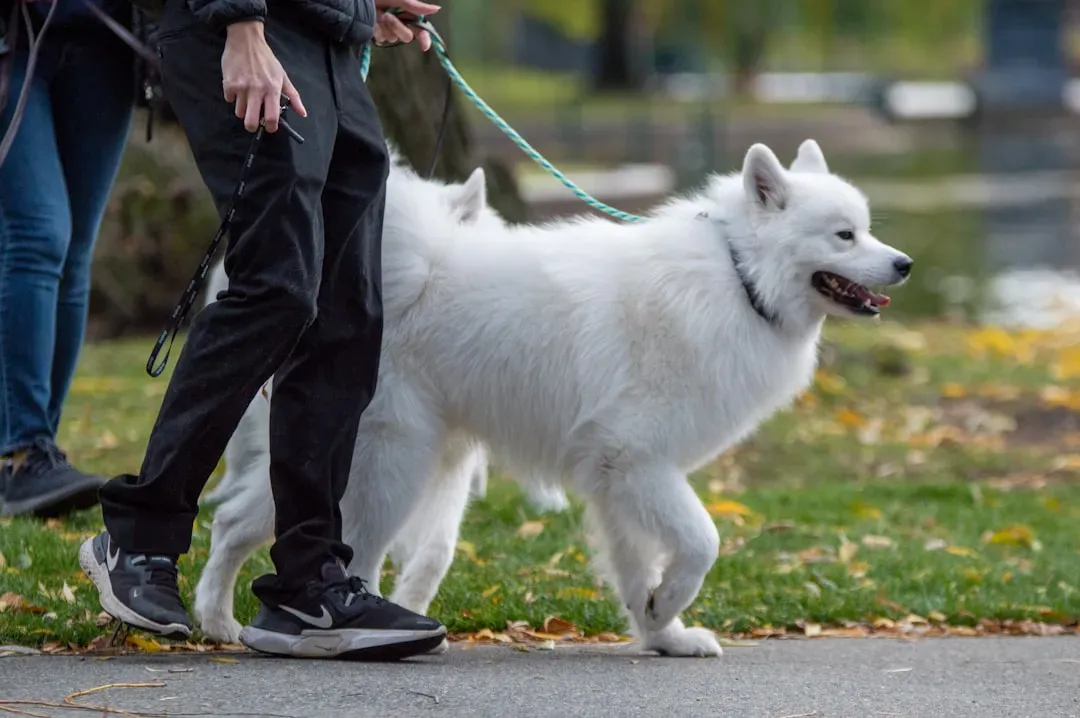
Transforming your leash-pulling dog into a pleasant walking companion won’t happen overnight. It demands patience, consistency, and genuine commitment to the training process. The truth is, every single time you step out that door, you’re either reinforcing good walking behavior or accidentally teaching your dog that pulling works.
Remember that your dog isn’t being stubborn or trying to frustrate you – they’re just being a dog in a world full of exciting distractions. By understanding why they pull and using positive, consistent training methods, you’re not just teaching them to walk nicely. You’re building trust, strengthening your bond, and creating opportunities for you both to enjoy the outdoors together for years to come. Have you started trying any of these techniques yet? We’d love to hear how it’s going in the comments below!


