Have you ever caught your beloved dog spinning in circles, obsessively chasing or biting their own tail? It’s a sight that can be both amusing and a little bit heartbreaking. Beyond the funny videos and wagging tails, tail biting is often a sign that your furry friend is struggling with an issue that needs your attention. If left unchecked, this habit can lead to painful injuries, infections, and a whole lot of frustration for both of you. Let’s dig deep into the reasons behind this behavior and discover how you can help your dog break free from this troubling cycle.
Understanding Why Dogs Bite Their Tails

It’s easy to think that tail biting is just a quirky behavior, but there’s usually more to the story. Dogs may bite their tails out of boredom, anxiety, or even due to medical troubles like allergies or parasites. Sometimes, it starts with a small itch or irritation, but if the dog finds relief or excitement from the action, it can quickly turn into a bad habit. Think of it as a child biting their nails—once it starts, it can be tough to stop. Understanding the underlying cause is crucial, because treating the symptom without addressing the root problem rarely works. If you notice tail biting, pay attention to when it happens, how often, and whether there are any other signs of discomfort or distress.
Recognizing the Warning Signs
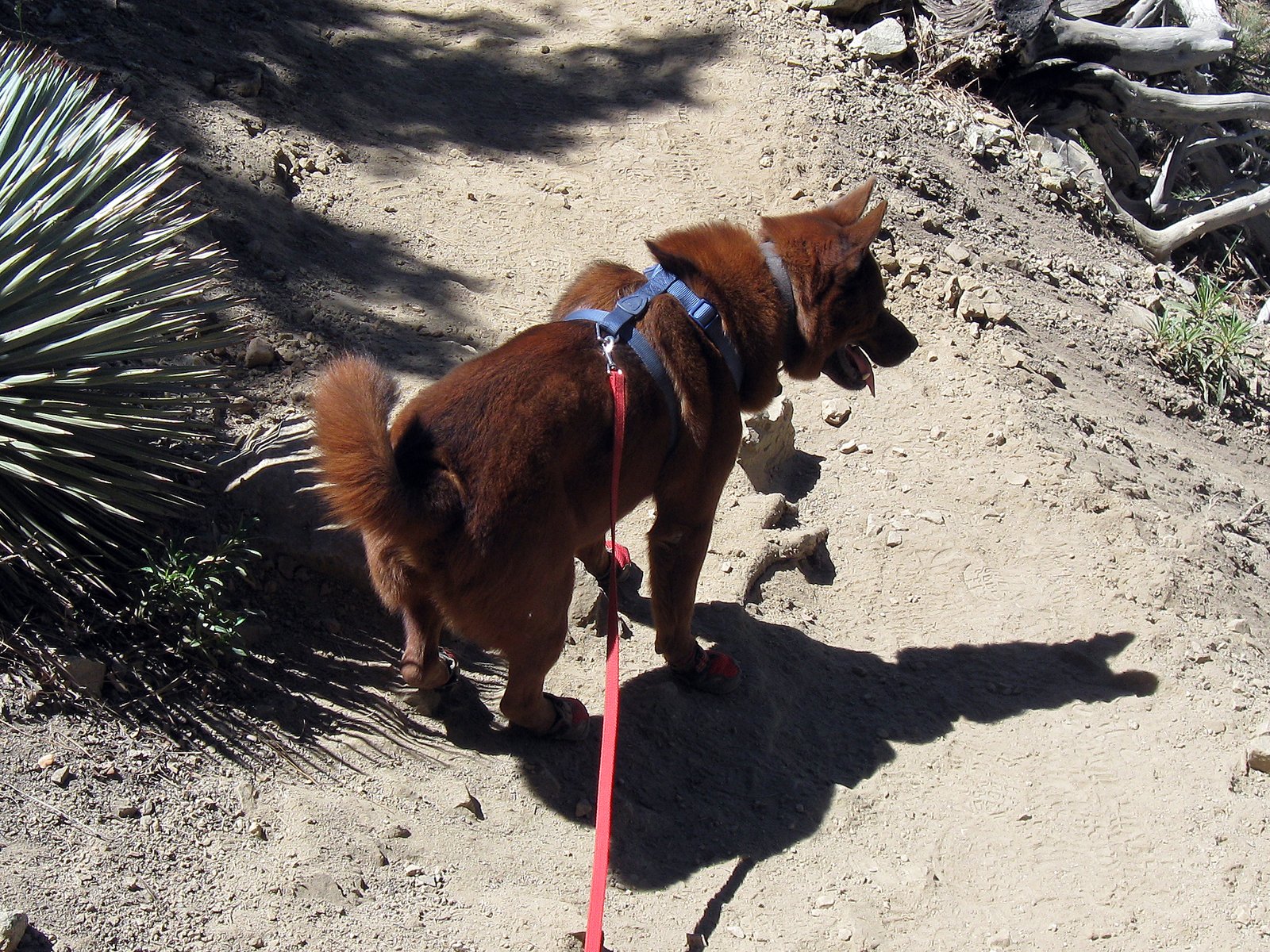
Before you can stop tail biting, you need to spot it early. Look for red flags like raw or missing fur on the tail, swelling, or even bleeding. Sometimes, you might hear your dog whimper or growl as they bite, hinting at pain or frustration. If your dog is spending a lot of time alone or seems hyperactive, these can also be warning signs that tail biting is connected to emotional distress. Dogs who frequently chase their tails might also be showing signs of obsessive-compulsive tendencies. The earlier you notice these behaviors, the easier it will be to help your dog overcome them.
Visiting the Veterinarian

Whenever you notice tail biting, your first step should be a visit to the veterinarian. Medical problems like fleas, ticks, skin infections, or allergies can make a dog’s tail unbearably itchy. Only a vet can properly diagnose these issues and recommend the right treatment, whether it’s medication, special shampoos, or dietary changes. In some cases, tail biting may be a sign of a more serious neurological problem. A professional checkup ensures you’re not missing something important and gives you peace of mind. Remember, treating the underlying cause will always be more effective than simply trying to stop the behavior on your own.
Eliminating Parasites and Skin Irritations
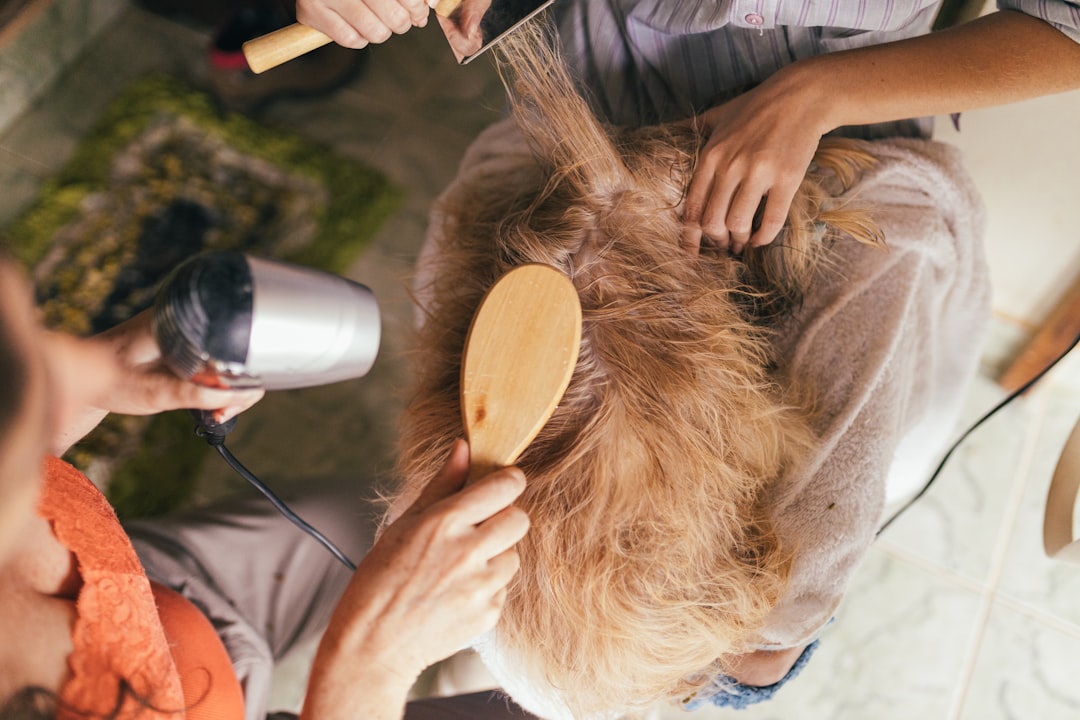
Parasites like fleas or mites are among the most common triggers for tail biting. They make a dog’s skin crawl—literally. Regular grooming and the use of veterinarian-approved parasite preventatives can make a world of difference. If you notice your dog scratching, biting, or licking excessively, check for small black specks (flea dirt) or redness on the skin. Bathing your dog with gentle, hypoallergenic shampoos can help soothe irritated skin. Always dry your dog’s tail thoroughly after baths, as moisture can make skin problems worse. Keeping your home clean and vacuuming frequently will help reduce the risk of reinfestation.
Addressing Allergies and Food Sensitivities

If your dog’s tail biting seems to flare up after meals or during certain seasons, allergies might be to blame. Dogs can be allergic to ingredients in their food, pollen, dust mites, or even household cleaners. A process of elimination, guided by your vet, can help pinpoint the culprit. Switching to a hypoallergenic diet or using air purifiers in your home can provide relief. Watch for other signs like itchy ears, watery eyes, or sneezing, which often accompany allergic reactions. By minimizing exposure to allergens, you can make your dog’s world a lot more comfortable—and tails much less tempting to bite.
Providing Mental and Physical Stimulation

Boredom is a powerful motivator for destructive behaviors like tail biting. Dogs are intelligent, energetic creatures who need daily challenges and exercise. Long walks, games of fetch, or interactive toys can work wonders. Try rotating your dog’s toys every few days to keep things exciting. Puzzle feeders and treat-dispensing toys not only keep your dog’s mind busy but also reward them for positive behavior. Remember, a tired dog is a happy dog—one that’s far less likely to obsess over their own tail. Make playtime a regular part of your routine, and you’ll notice a happier, healthier pup.
Reducing Anxiety and Stress

Just like humans, dogs can develop nervous habits when they’re feeling anxious or overwhelmed. Changes in the household, loud noises, or being left alone for long periods can all trigger stress. Creating a safe, calm environment for your dog is essential. Consider providing a cozy crate or a quiet corner where your dog can retreat when they need a break. Calming music, pheromone diffusers, or anxiety wraps may also help soothe your pet’s nerves. If your dog’s anxiety is severe, professional training or even medication prescribed by your vet might be necessary.
Redirecting Unwanted Behavior
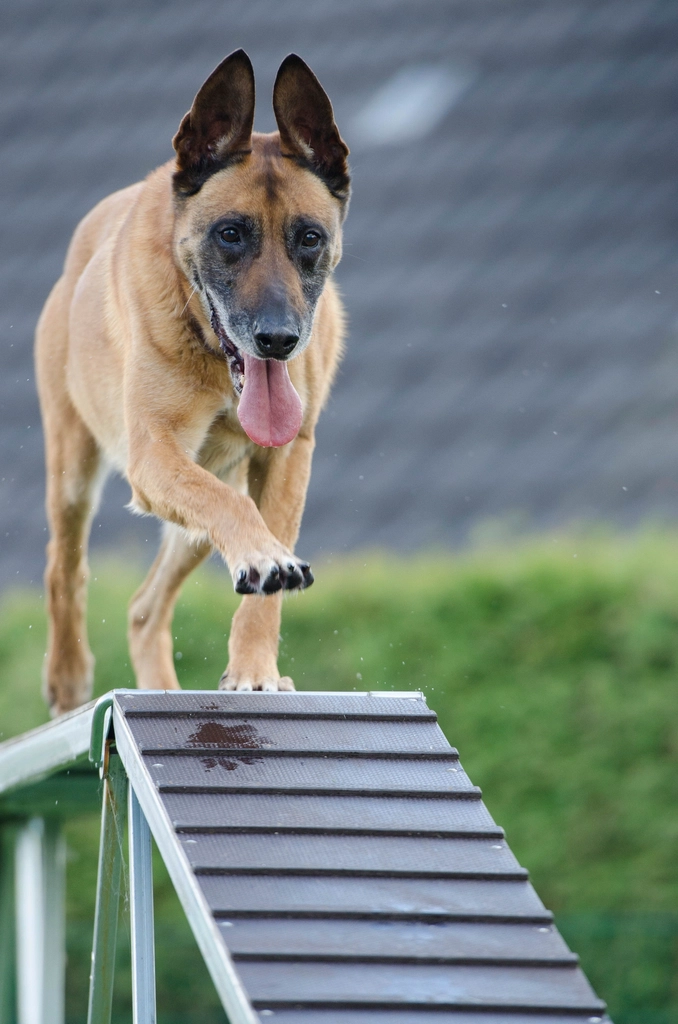
Whenever you catch your dog biting their tail, interrupt the behavior gently but firmly. Instead of scolding, offer an alternative activity—like a chew toy or a favorite game. Consistency is key: every time your dog goes for their tail, redirect their attention. Over time, they’ll learn that tail biting doesn’t lead to satisfaction, but playing with toys or cuddling with you does. Positive reinforcement, such as treats and praise, will accelerate the learning process. Think of it as teaching a child to color in a book instead of on the walls—patience and encouragement go a long way.
Using Deterrents and Protective Measures
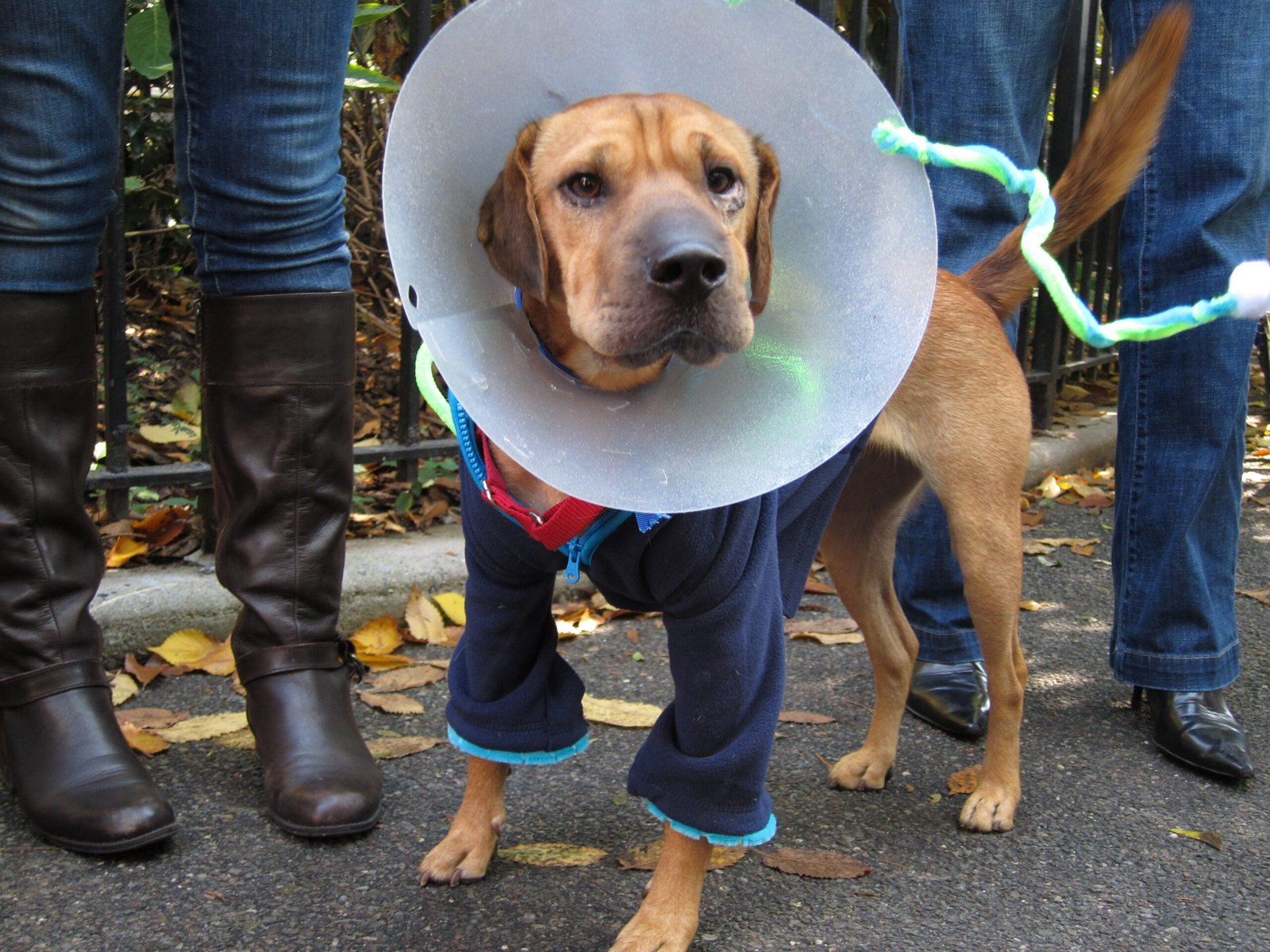
For persistent tail biters, sometimes a little extra help is needed. Veterinarian-approved bitter sprays can make the tail taste unpleasant, discouraging biting. In severe cases, your vet might recommend an Elizabethan collar (the “cone of shame”) to physically prevent access to the tail while it heals. These tools should be used alongside behavior modification, not as a replacement. Always supervise your dog when trying out new deterrents to ensure they don’t cause more stress or frustration. The goal is to break the habit, not to make your dog miserable.
Seeking Professional Help When Needed

If you’ve tried everything and your dog’s tail biting persists, don’t lose hope. Sometimes, professional trainers or animal behaviorists are needed to get to the root of the problem. These experts can observe your dog’s routines and environment, offering personalized strategies to stop the cycle. In some cases, medication or advanced behavioral therapy may be required. Asking for help isn’t a sign of failure—it’s a smart step toward a happier life for you and your four-legged friend. Every dog is unique, and sometimes it takes a team to find the right solution.
Building a Happier, Healthier Bond

Stopping your dog’s tail biting habit isn’t just about ending a behavior—it’s about deepening the trust and connection you share. By addressing medical, emotional, and environmental factors, you show your dog they are cared for in every way. This journey will test your patience, but the rewards are immeasurable. Imagine the relief of seeing your dog wag their tail joyfully, free from pain or stress. Your devotion and persistence can transform a struggling pet into a confident, content companion. Isn’t that the happy ending every dog deserves?