

Picture this. You’ve spent time arranging festive props, adjusting the lighting, and preparing your pup for a picture perfect holiday moment. Your dog looks adorable in their seasonal sweater. You’re so close to capturing that magical shot, and then boom, they shake off the antlers, race toward the kitchen, or flash you the most hilariously uncooperative expression imaginable.
Sound familiar? Here’s the thing. Getting a stunning holiday photo with your dog isn’t about perfection. It’s about patience, understanding what makes your pup comfortable, and learning to embrace those unexpected moments that often turn out to be the keepers. Whether you’re creating holiday cards or simply preserving memories, approaching your photo session with the right mindset makes all the difference. Let’s dive into what really works.
Understanding Your Dog’s Body Language During Photo Sessions
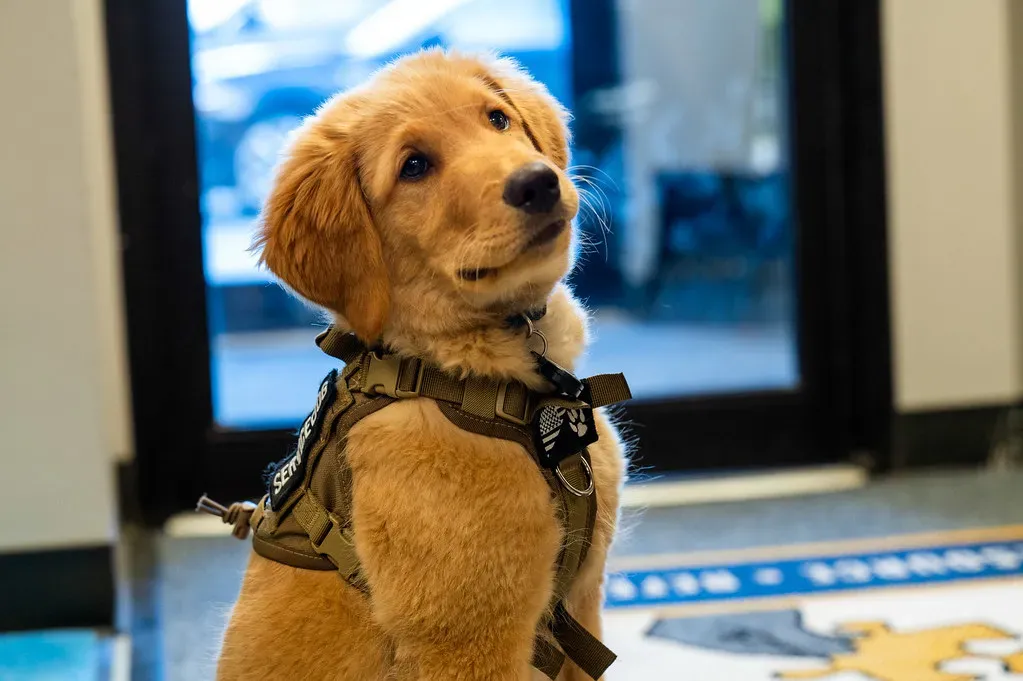
Dogs show stress through rapid panting accompanied by a tight mouth, which becomes a prime sign of an anxious dog. When you’re setting up a photo session, pay attention to whether your dog is comfortable or silently asking for a break.
A stressed dog often tucks their tail between their legs, curls tightly into a fetal position or crouches low to the ground. Yawning during a visit or when approached by an unfamiliar child likely means stress. If you notice your dog displaying these signals, it’s time to pause and let them decompress.
Fast lip flicks are the dog’s way of saying they’re getting uncomfortable, and you see them in many pictures because dogs may be uncomfortable being photographed or the camera flash may have scared them. Watch for these subtle cues. They’re your dog’s way of communicating without words, and respecting those signals creates a better experience for everyone involved.
Choosing the Right Lighting for Natural, Flattering Photos
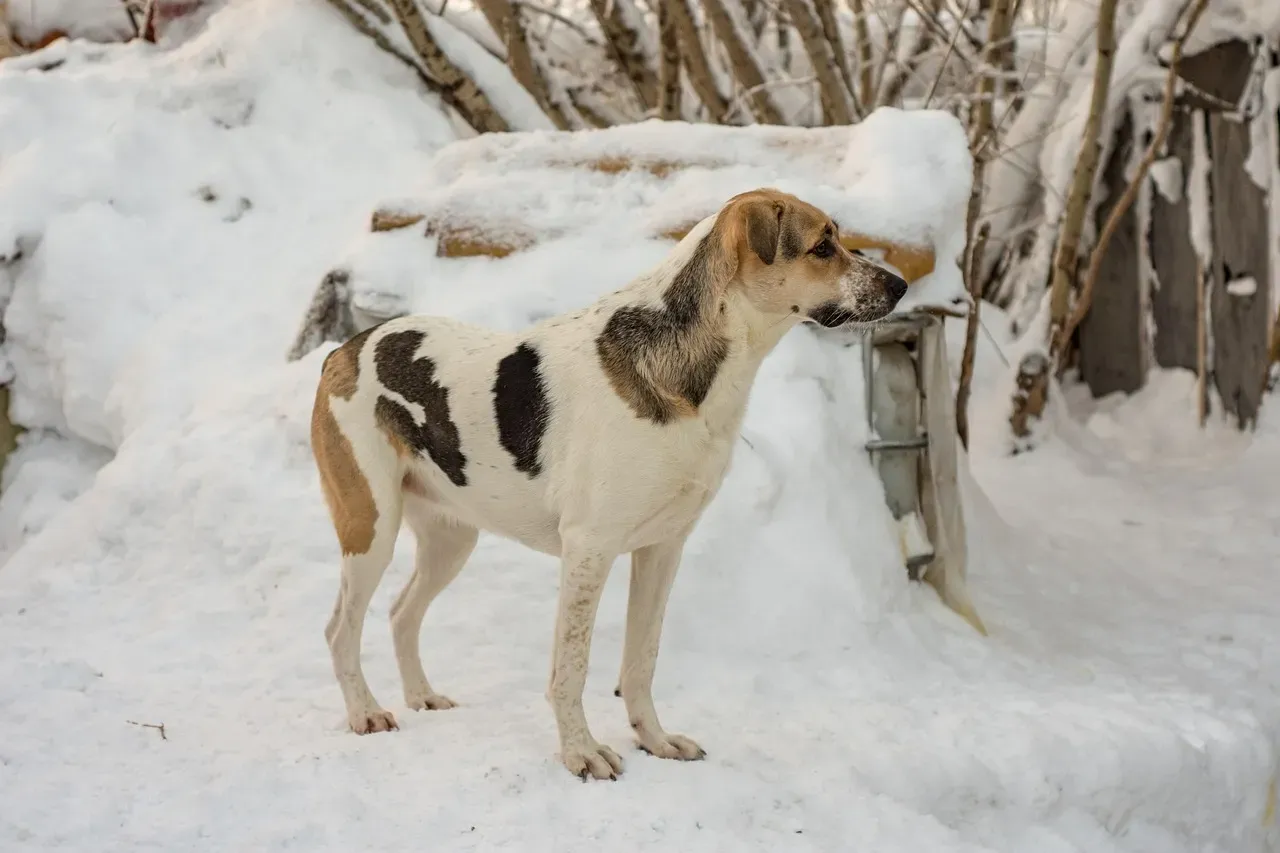
Harsh midday sun might seem like a bright opportunity, yet it creates unflattering shadows and makes your dog squint. Shooting during the golden hour shortly after sunrise or before sunset provides warm, soft light.
Soft light is much more flattering and much easier to work with because soft lighting is usually a result of the sky rather than the sun, reducing harsh shadows and shiny fur. Think overcast days or shaded areas where natural light diffuses beautifully. On overcast days, the clouds act as a natural diffuser, making it perfect for outdoor shoots.
Pets often react strongly to intense flashes or unexpected light sources, while natural light helps maintain a calm atmosphere and can give holiday photos a soft, warm quality. Position your dog near a large window indoors, or find a spot outside where the light falls gently on their face. The difference in photo quality is remarkable, honestly.
Camera Settings That Capture Sharp, Beautiful Images
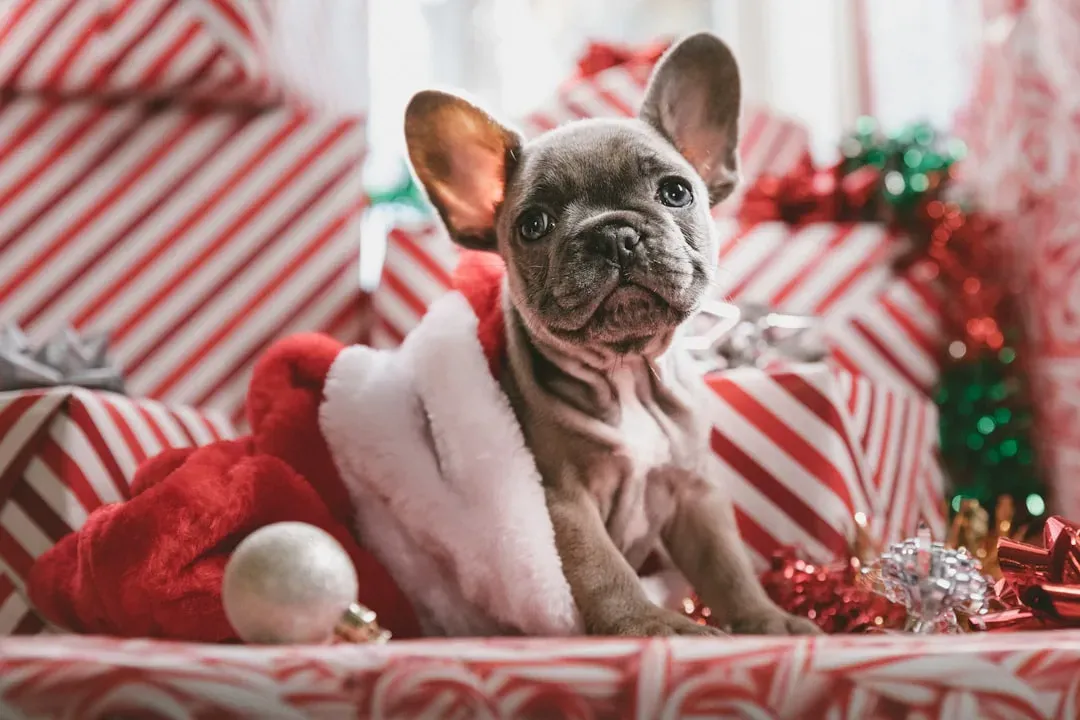
Let’s be real. Your dog isn’t going to sit still like a statue. A base shutter speed of one over one thousand works well, though for focused, trained, or mellow dogs, one over eight hundred might suffice if additional light is needed.
For action shots, anything about one over two thousand tends to be great for shutter speeds. Even if your pup is just shifting their weight or turning their head, a faster shutter speed freezes that motion and keeps their eyes crisp.
Focus is very important when photographing dogs, and when selecting your focus point, always use your pet’s eyes. Sharp eyes create that emotional connection in your final image. If you’re using your smartphone, tap on your dog’s eyes to lock focus there before snapping the shot.
Creating a Comfortable, Stress Free Environment
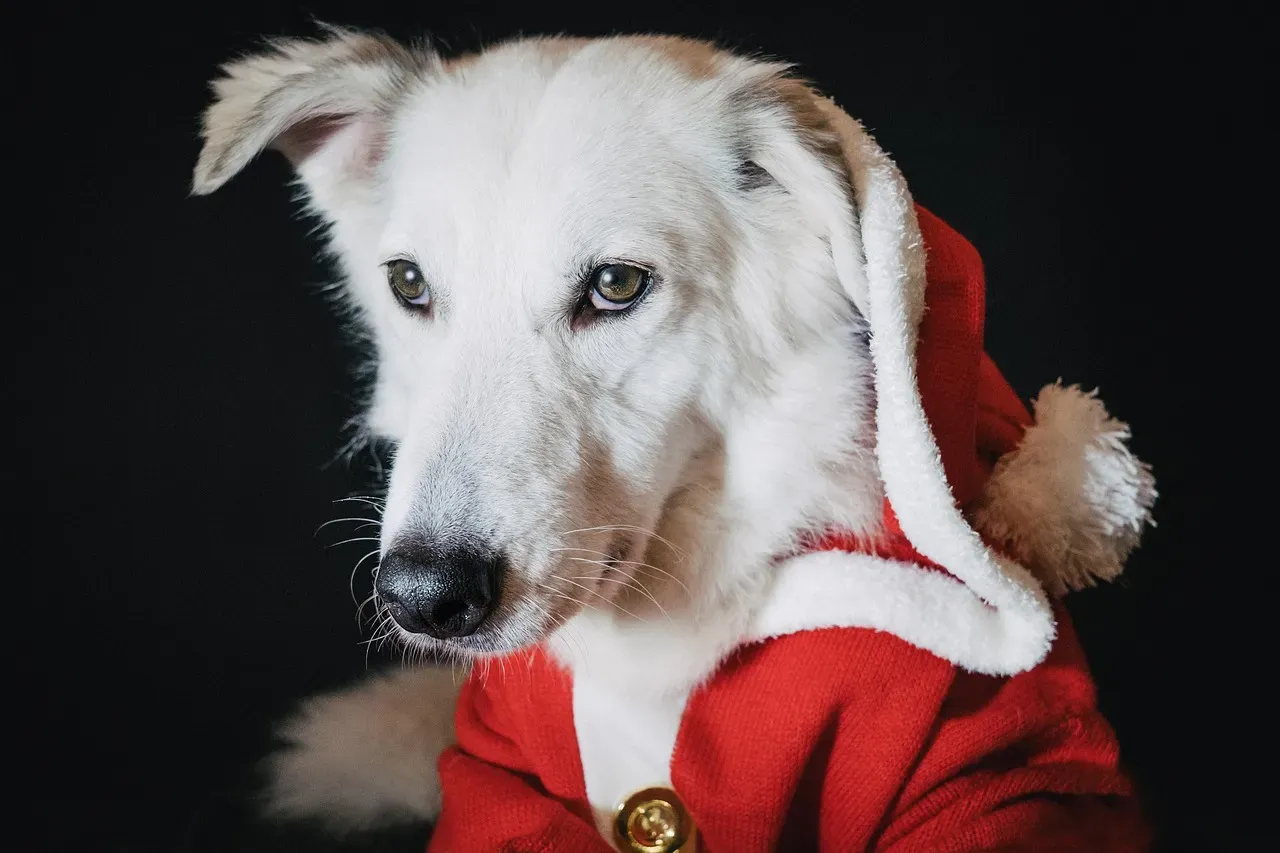
If you want holiday photos to feel relaxed, begin in an environment where your pets are already comfortable, such as your living room, backyard, or front porch with seasonal decorations, helping you avoid stress that may arise when pets are exposed to bright lights, new scents, or strangers. Familiarity is your friend here.
A tired cat or dog is more likely to stay chill and still for photos, so make sure to work a long walk, game of fetch, or feather wand session into your schedule for the day. I know it sounds counterintuitive, yet burning off excess energy beforehand helps your dog settle more easily during the session.
Treats can be one of your strongest tools during a holiday photo shoot, used to reward calm behavior, guide posing, or help your pet associate the camera with positive experiences, keeping treats small and easy to eat to avoid long pauses. Keep the vibe upbeat and reward frequently. Your dog should think this whole experience is basically a fun game with snacks involved.
Props, Costumes, and Festive Touches Done Right
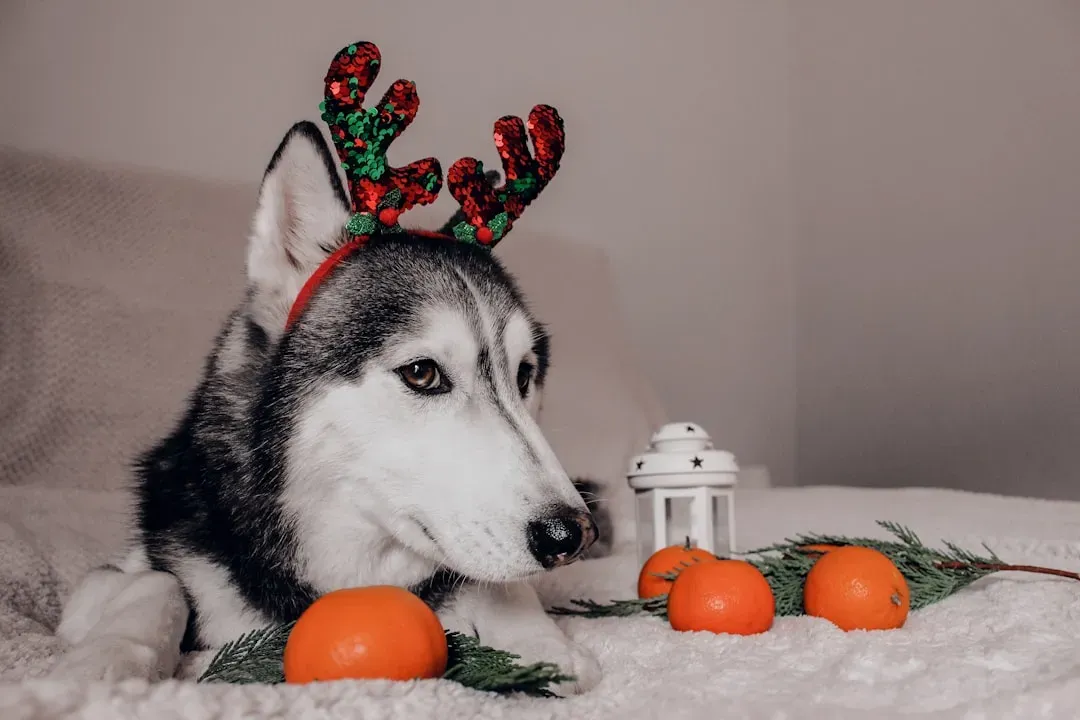
Holiday props add charm, though not every dog tolerates wearing antlers or Santa hats. If your pets don’t gravitate to props naturally, don’t force it, and you’ll be able to tell that your pet is uncomfortable, which isn’t the kind of holiday memory you’ll want to keep.
There are many non obtrusive ways to get themed elements into your shot without alarming the subject, like a beautifully decorated tree, roaring fireplace, festive blanket, holiday themed toy or snowy yard. Use the environment to tell your holiday story instead of relying solely on what your dog wears.
You don’t want to put your pet in an uncomfortable or dangerous situation or make them do anything that scares them, making sure everything you’re using is pet safe, and doing training ahead of time with props, costumes, and positive reinforcement. Introduce any costume pieces gradually over several days so your dog associates them with treats and playtime rather than discomfort.
Capturing Genuine Moments Over Posed Perfection
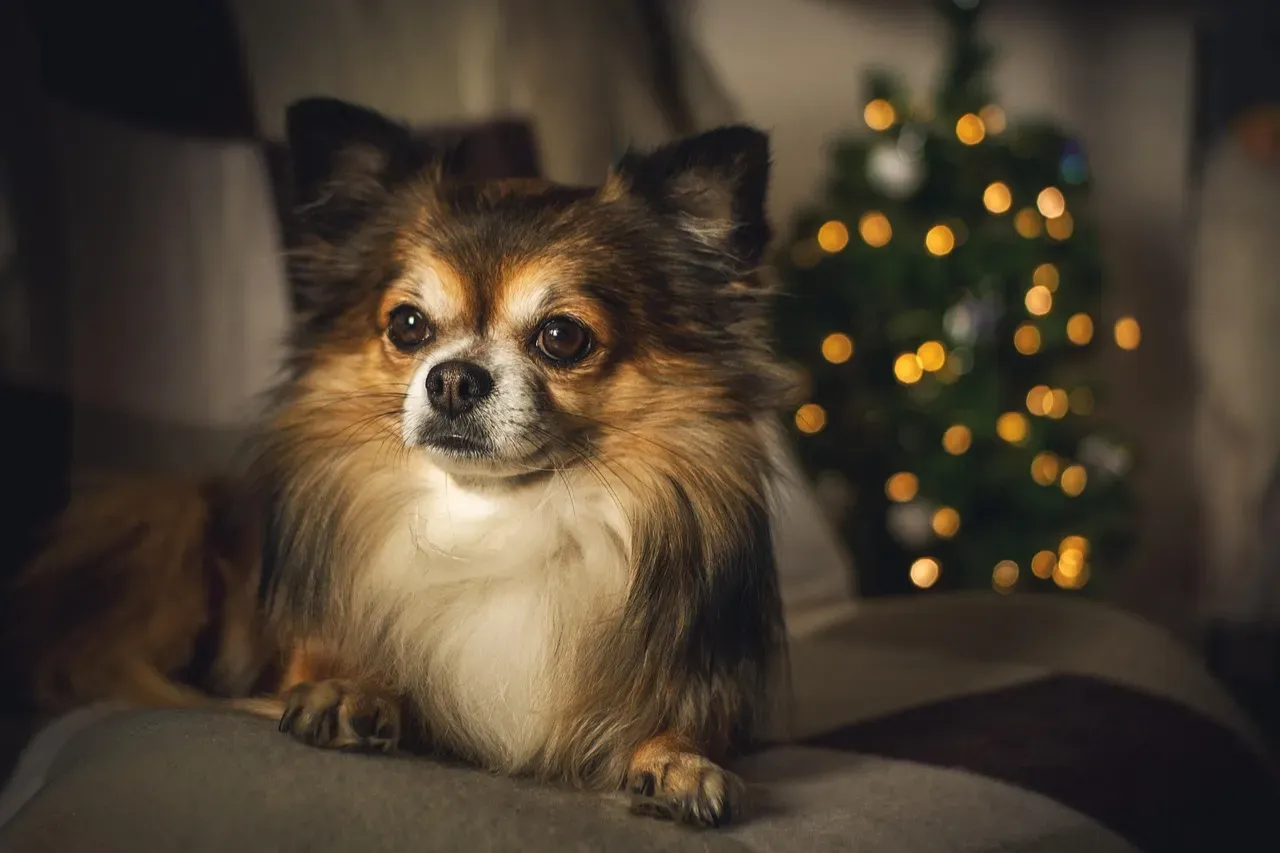
Some of the most treasured photos happen when you stop trying to orchestrate every detail. Many of the best pet photos come from moments of interaction rather than from stillness, so if your pet wiggles or wanders, embrace it rather than fight it, photographing your family laughing as your pet climbs into someone’s lap or greeting a family member.
Some of the best photographs of people and pets show their connection, like smooshing faces together, letting your dog give you a big kiss, laying one on your cat’s cheek, or catching a shot of both of you looking at each other, as the natural emotion comes through. Those candid moments reveal personality in ways that stiff, formal poses simply can’t match.
Ask a friend to take your photo, and if your pet already knows and likes this person even better, they’re more likely to look up when your friend calls their name, and you can give your photographer one of your pet’s favorite toys to hold near the lens so once your pet locks eyes on that toy it’ll appear they’re looking directly at camera. This trick works surprisingly well and saves you from the frustration of trying to be behind and in front of the camera simultaneously.
Conclusion
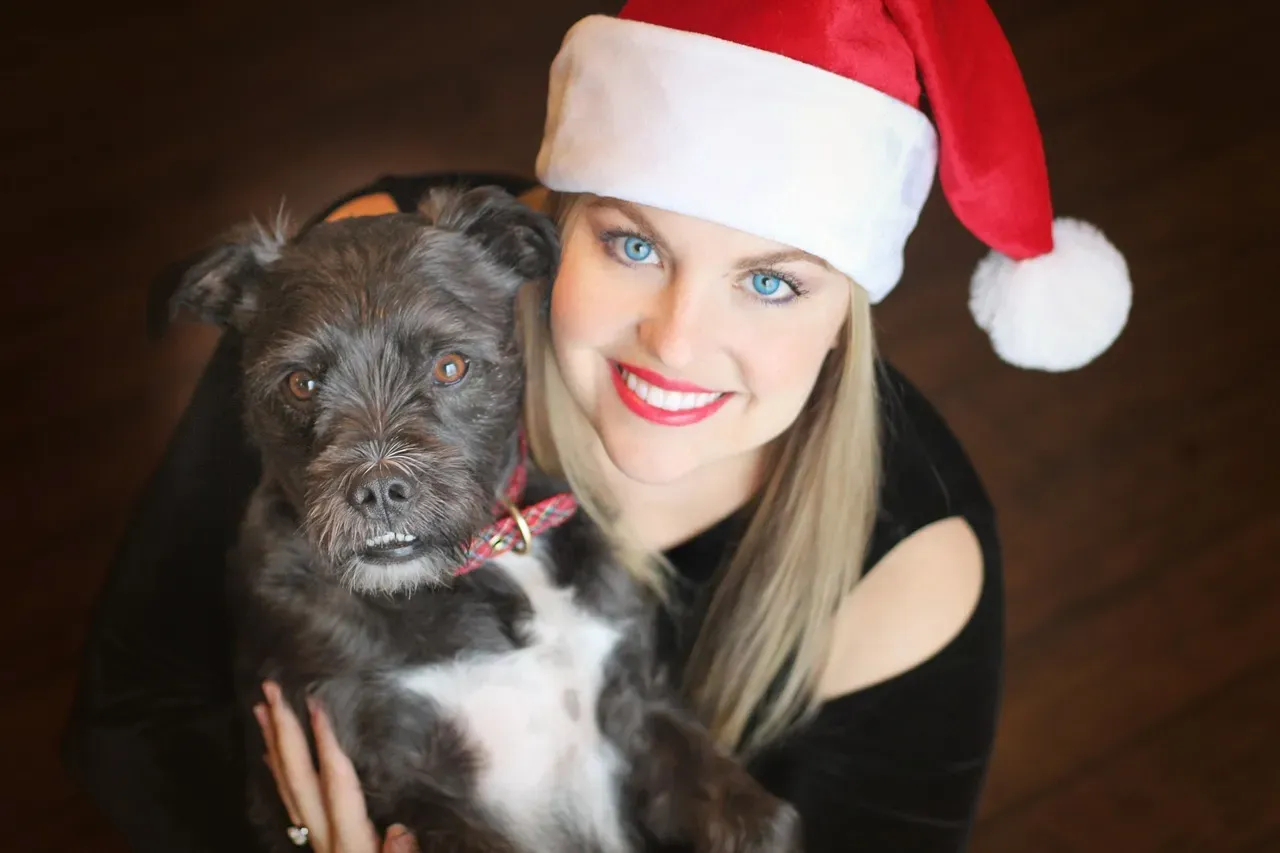
s don’t require professional equipment or elaborate setups. What they need is your willingness to slow down, read your dog’s signals, and create an experience that feels joyful rather than stressful. Focus on lighting that flatters, settings that capture motion, and an environment where your pup feels safe and happy. The photos that end up framed on your mantle are rarely the perfectly posed ones anyway. They’re the shots where your dog’s personality shines through, where you can see the sparkle in their eyes and remember exactly how much fun you had together.
So grab your camera, gather some treats, and give it a try. What’s the funniest thing your dog has ever done during a photo attempt? Share your stories in the comments.


