
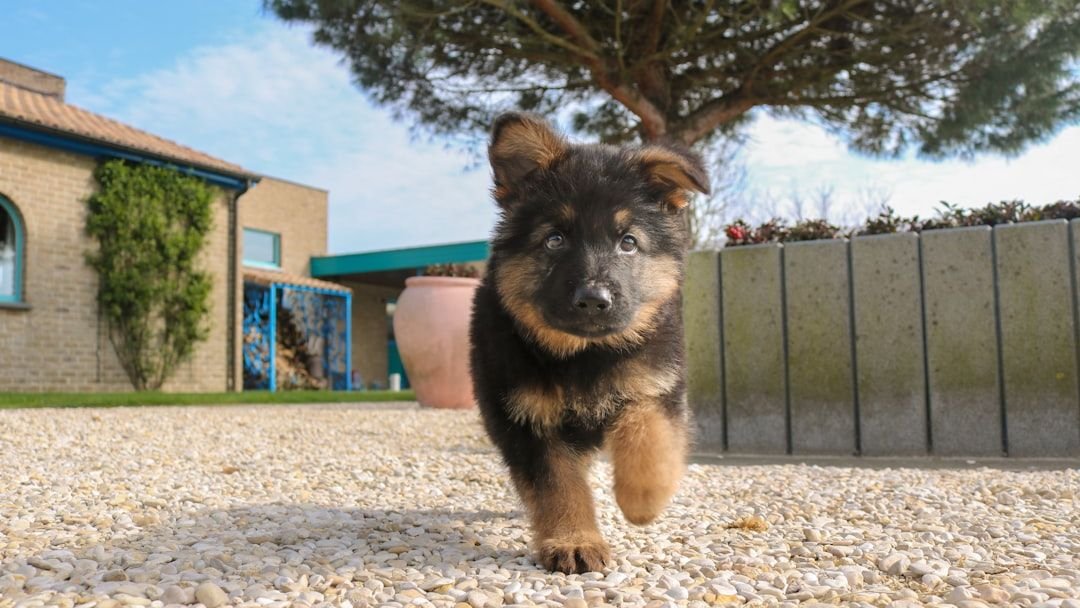
Let’s be real. You bring home this adorable bundle of fluff with those big, soulful eyes, and within days, you’re staring at yet another puddle on your favorite rug. It’s enough to make even the most patient dog lover want to scream into a pillow, right? I know the feeling. House training a puppy is easily one of the most frustrating yet essential parts of those early months together. That warm, fuzzy dream of snuggling your pup on the couch quickly collides with the reality of constant vigilance and clean-up duty.
Here’s the thing though. Your puppy isn’t trying to ruin your life or your floors. They’re just learning, and honestly, they need you to be their guide through this confusing human world. So let’s dive in. I promise that with the right approach, a bit of patience, and some solid strategies, you’ll get through this phase. Your home will smell fresh again, your stress levels will drop, and you and your pup will be closer than ever.
Understanding Your Puppy’s Bladder Development
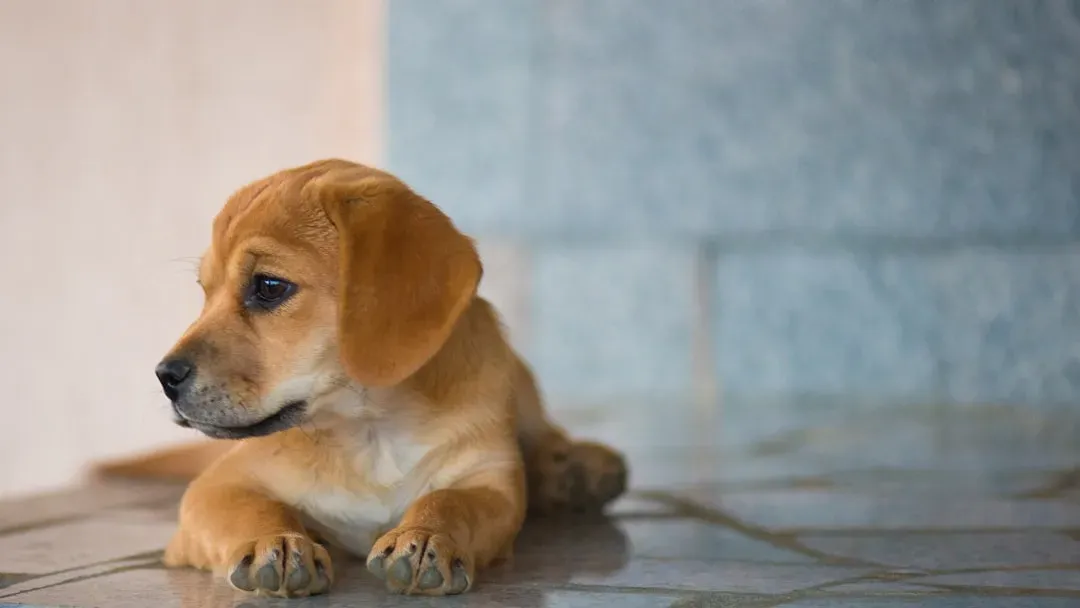
First things first. We need to talk about something most new puppy parents don’t realize: by 4-6 months of age a puppy will develop full control of their bladder and is able to physically hold their urine. Before that magic window, expecting your eight-week-old furball to hold it for hours is like asking a toddler to write a novel. It’s just not happening.
A general rule of thumb to follow when estimating how long your puppy can hold their pee is to add one hour for every month of age. So your three-month-old pup can manage about three hours, max. Some smaller breeds might need even more frequent breaks because their bladders are tiny.
During those early weeks, you’re essentially working with a puppy whose body is still developing the physical ability to control elimination. Puppies start moving away from the nest to eliminate during the third week of life, and by 5 weeks old, they begin urinating and defecating in a regular place, developing neuromuscular control of their bladders and bowels. Understanding this timeline helps you set realistic expectations instead of getting frustrated when accidents happen.
Creating A Bulletproof Routine

Dogs are creatures of habit, and puppies especially thrive on predictability. Research shows dogs feel more secure and adapt quicker to potty routines when kept on a consistent schedule, helping your puppy anticipate when it’s time to go. Think of it as setting their internal clock.
Your routine should include taking your puppy out first thing in the morning, after every meal, after naps, after playtime, and right before bed. Yeah, it sounds like a lot. Take your puppy outside frequently at least every two hours and especially after they wake up, after play sessions, and after eating or drinking. I won’t sugarcoat it – those first few weeks are exhausting.
Housebreaking begins when a puppy is eight weeks old, and with consistent puppy potty training tips, the process takes three to five months. The key word here? Consistent. Missing potty breaks or changing the schedule constantly will only confuse your pup and extend the training period. Stick with it even when you’re tired, even when it’s raining, even when you just want to sleep in on Saturday morning.
Recognizing Those “I Gotta Go” Signals
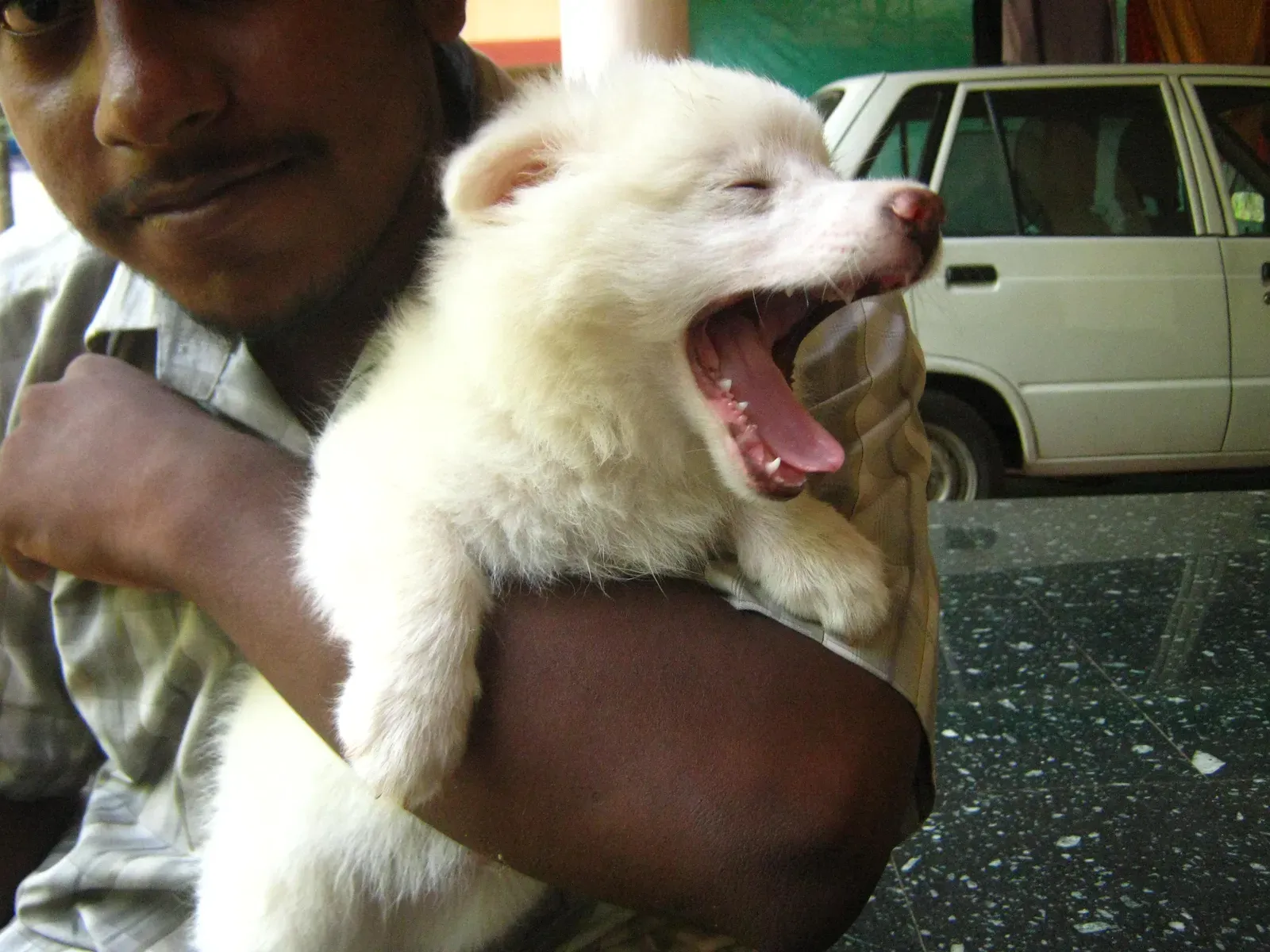
Learning to read your puppy is like learning a new language, except this one involves a lot of sniffing and circling. Some seemingly random clues that a puppy needs to go out can include sniffing the floor or carpet, wandering away from the family, becoming overexcited with zoomies, whimpering, or running to the door. The moment you spot any of these behaviors, drop what you’re doing and get that pup outside.
Antsy behavior like fidgeting or pacing can signal discomfort, visibly demonstrating their need to go to the bathroom, and once dogs are getting ready to go potty, they’ll begin sniffing. Some puppies will stare at you intensely or scratch at the door. Others might just suddenly stop playing and start wandering with purpose.
The tricky part? Every puppy is different. Your neighbor’s pup might bark loudly at the door while yours gives only the subtlest head turn. Watch closely during those first weeks and you’ll start picking up on your individual puppy’s unique signals. Missing these cues even once can set back your training, so stay observant.
The Power Of Positive Reinforcement And Consistency
Here’s where many well-meaning puppy parents go wrong: punishment. Never punish your puppy for accidents, as scolding or rubbing their nose in it will only make them fearful and slow progress. Your puppy won’t connect your anger with the accident from even five minutes ago. They’ll just think you’re scary and unpredictable.
Instead, focus on celebrating the wins. Use a specific word or phrase like “go potty” so they learn to associate the command with the action, and once your puppy has finished, reward them immediately with praise or a treat to reinforce the behavior. Make it a party every single time they go in the right spot. I’m talking excited voice, treats, maybe even a little dance.
Research shows that consistent scheduling, along with positive reinforcement, greatly reduces accidents and encourages rapid learning, and crate training has proven helpful in supporting good habits. The crate becomes their den – a safe space they naturally want to keep clean. Just make sure it’s the right size; too big and they’ll use one corner as a bathroom.
Handling Accidents The Right Way
Accidents will happen. Period. Even with perfect vigilance, your puppy will occasionally miss the mark. When it does, take a deep breath. Clean soiled areas thoroughly to remove scents that might encourage repeat accidents. Successful house training typically requires an enzyme-based cleaner, which helps eliminate lingering odors that might encourage repeat accidents.
If you catch your puppy mid-accident, calmly interrupt them with a noise or word and immediately take them outside to finish. Don’t yell, don’t punish, just redirect. If you discover an accident after the fact, simply clean it up without drama. Your puppy has already forgotten about it and making a fuss will only create anxiety.
Sometimes persistent accidents signal something deeper. A wide range of illnesses can affect a dog’s house training, including diseases or medications that cause dogs to drink more water and then urinate larger quantities. If your puppy is having more accidents than expected for their age, or if you notice other symptoms like straining, blood in urine, or excessive thirst, get to your vet immediately.
Conclusion
Training your isn’t a sprint; it’s a marathon with some seriously muddy obstacles along the way. The combination of understanding your puppy’s physical development, maintaining an ironclad routine, learning their communication signals, using positive reinforcement, and handling setbacks with grace will get you to the finish line. Most puppies are reliably house-trained somewhere between four and six months, though some take longer.
Remember that your puppy isn’t giving you a hard time – they’re having a hard time understanding what you want. Every accident is a learning opportunity, not a failure. Keep showing up, keep being patient, keep celebrating those outdoor successes, and before you know it, you’ll barely remember these puddle-filled days. What’s been your biggest challenge so far with house training? Tell us in the comments.


