
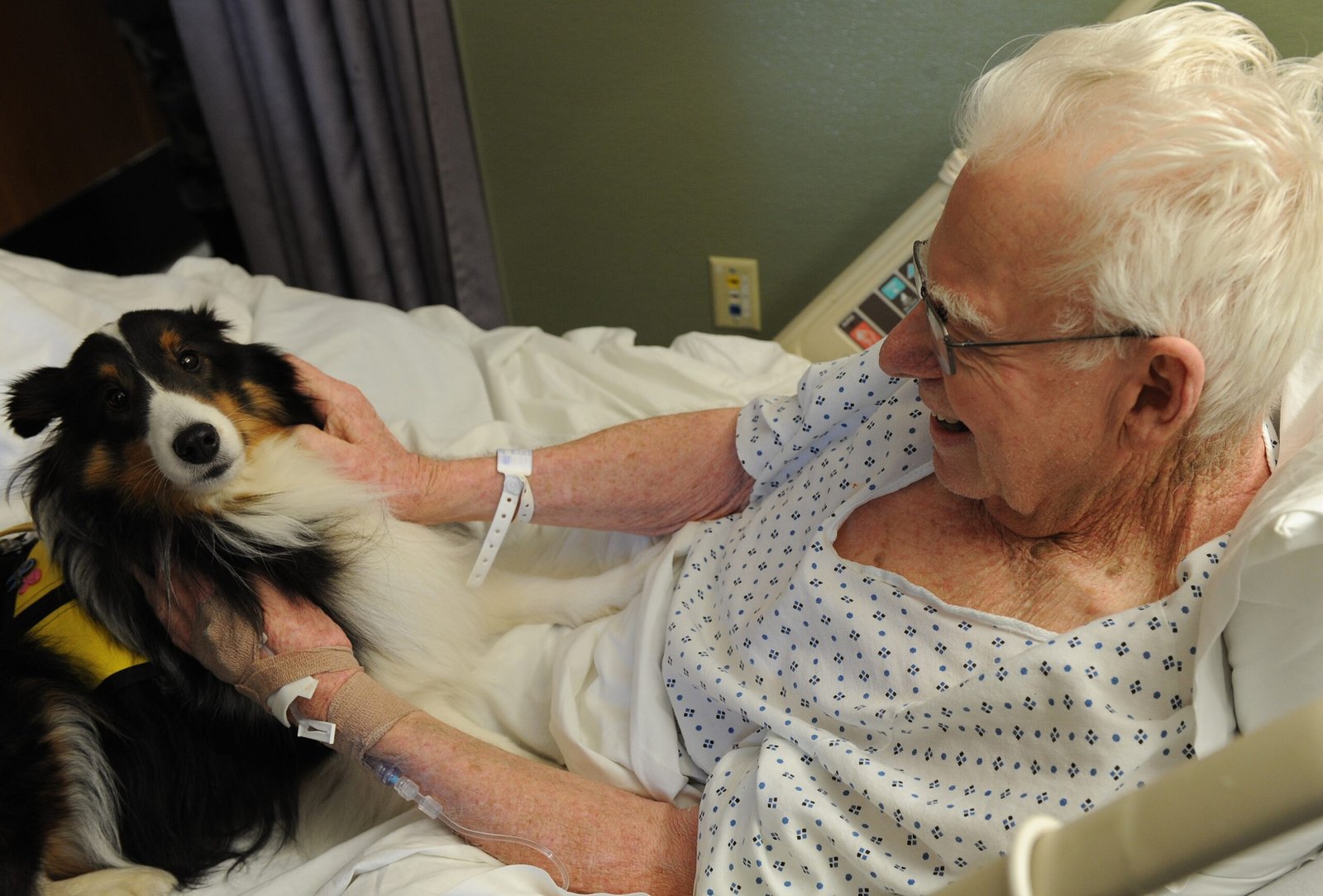
The world of therapy dogs might seem magical, but behind those wagging tails and gentle eyes lies a specific set of traits and requirements that not every dog possesses. You might look at your beloved companion lounging on the couch and wonder if they have what it takes to bring comfort to others. The truth is, becoming a therapy dog isn’t just about being cute or friendly – it’s about having a unique combination of temperament, training, and natural instincts that allow a dog to thrive in challenging situations while providing genuine comfort to strangers.
The Foundation of a Therapy Dog’s Temperament

The most important characteristic of a therapy dog is its temperament. A certified therapy dog must be friendly, patient, confident, gentle, and at ease in all situations. This isn’t something you can fake or force – it has to come naturally. Your dog should genuinely enjoy meeting new people and remain calm when approached by strangers.
Most of all, ask yourself if your dog likes affection from people other than you. “Does the dog really enjoy interacting with new people in different scenarios?” In short, therapy dog candidates are naturally calm, friendly, and affectionate to strangers. Think about how your dog reacts when visitors come to your home or when you encounter strangers on walks. A therapy dog candidate will actively seek attention and remain composed rather than becoming anxious or overly excited.
Age and Maturity Requirements
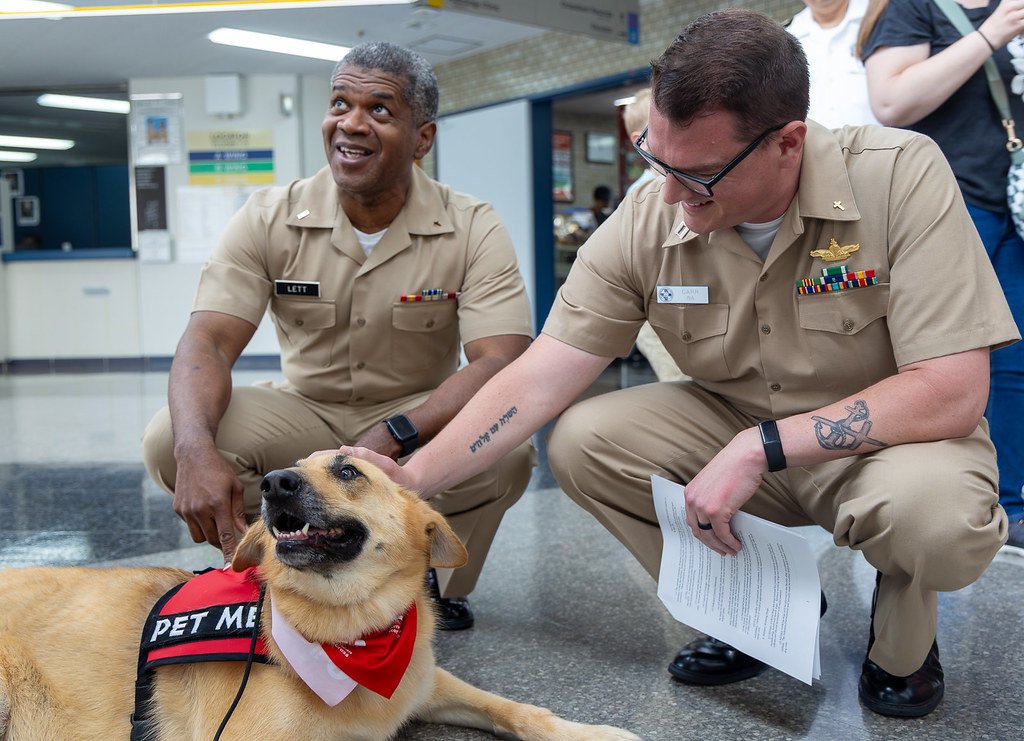
To become a certified therapy dog, your pooch must be at least one year old. This age requirement exists for good reason – younger dogs simply haven’t developed the emotional maturity needed for therapy work. In many cases, it is a benefit to be a senior dog in therapy training, as older dogs tend to be more mellow.
While dogs can become therapy animals at any age, it is much easier to train dogs if you adopt them as puppies. That said, older dogs can be just as loving and obedient as younger ones. The sweet spot for therapy dog work often comes after dogs have passed their puppy phase and settled into a more predictable temperament. Don’t worry if your dog is already several years old – maturity can actually be an advantage in this field.
Physical Touch and Handling Tolerance
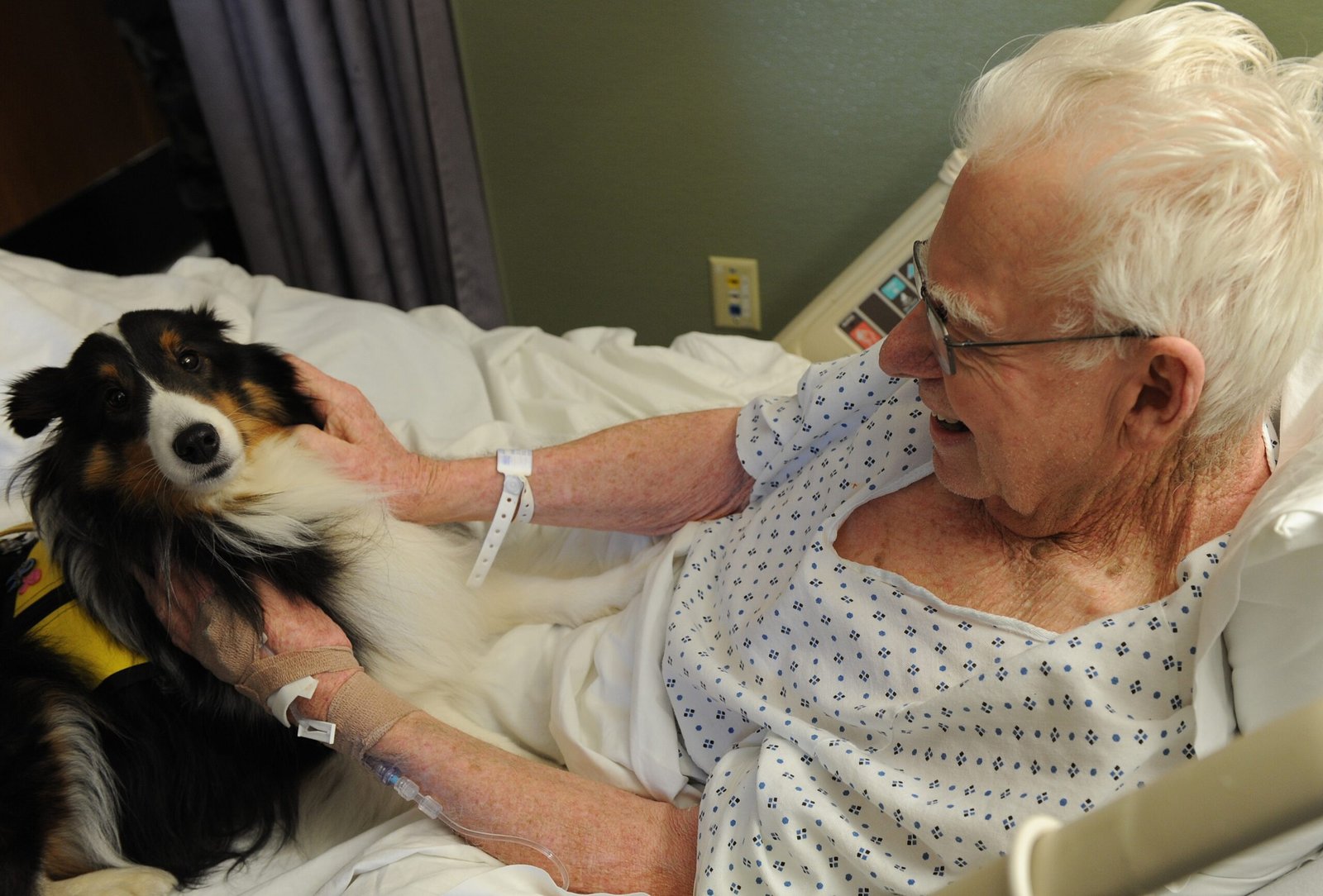
Therapy dogs must enjoy human contact and be content to be petted, cuddled, and handled, sometimes clumsily, by unfamiliar people. Additionally, therapy dogs must be comfortable being touched – sometimes by many hands at once. This is perhaps one of the most critical aspects to evaluate in your dog.
Consider how your dog reacts when strangers pet them at the park or when children approach enthusiastically. A good therapy dog candidate won’t just tolerate this interaction – they’ll actively enjoy it. They should remain calm when multiple people are petting them simultaneously, when someone touches their ears or paws, or when elderly individuals with shaky hands reach out to them. If your dog pulls away, shows signs of stress, or becomes overstimulated by physical contact from strangers, therapy work might not be their calling.
Environmental Adaptability and Stress Management
They are also well-trained in basic obedience, and easily adaptable to novel noises, places, smells, and equipment. Therapy dogs work in diverse environments – from sterile hospitals with strange sounds and smells to bustling schools filled with excited children. Therapy dogs are required to have a temperament that allows them to “remain calm and gentle, and prefer to stay close by people”, be “adaptable to unfamiliar situations such as novel scenes, sounds, or smells”, “accept unfamiliar persons without fear”, “ignore neutral dogs” and “never show aggressive behavior”.
Watch your dog in different environments. Do they remain composed at the veterinarian’s office? How do they react to sudden noises like alarms or construction sounds? Can they navigate crowded areas without becoming overwhelmed? A therapy dog needs to be like a steady rock in the storm of chaotic environments, providing comfort rather than needing it themselves.
Social Skills and Interaction Preferences
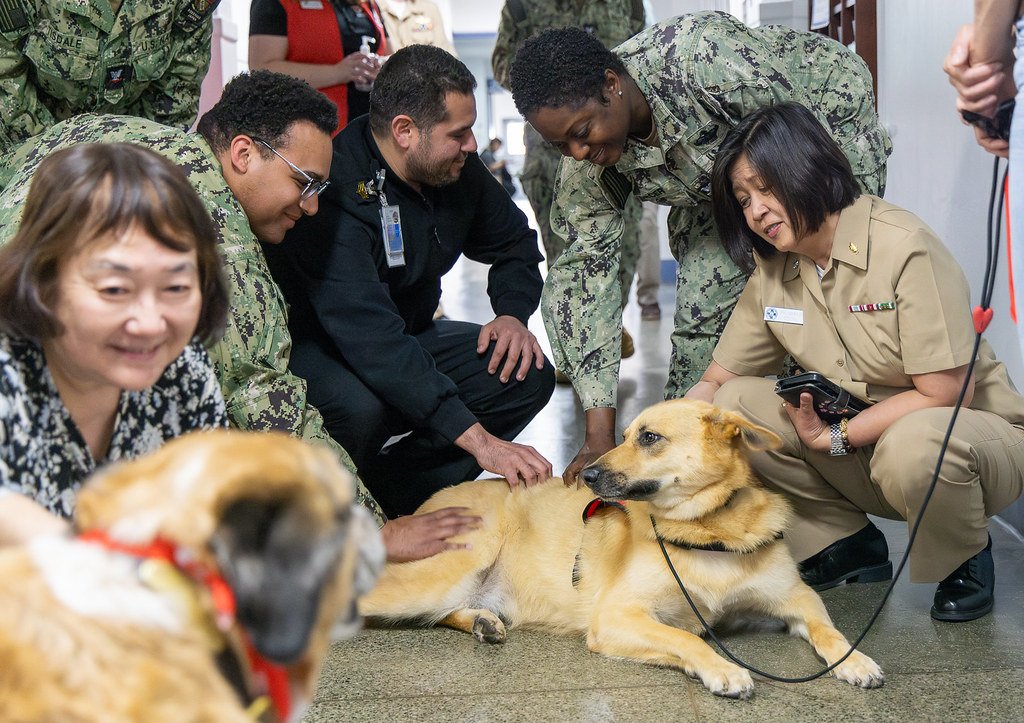
Dogs in the therapy dog program should be social, manageable, and appropriate for the setting(s) where they will be working. But there’s a difference between being social with your family and being genuinely social with complete strangers. Your dog loves to meet, greet, and spend time with people, in all types of settings.
Building connection is a key part of the role, and therapy dog handlers can generally anticipate engaging in lots of conversation. Your dog should naturally gravitate toward people and show interest in interacting with them. They shouldn’t be the type that hides behind you or needs coaxing to approach new individuals. The best therapy dogs are those that seem to understand their job is to make people feel better and actively work toward that goal.
Basic Training and Obedience Foundations
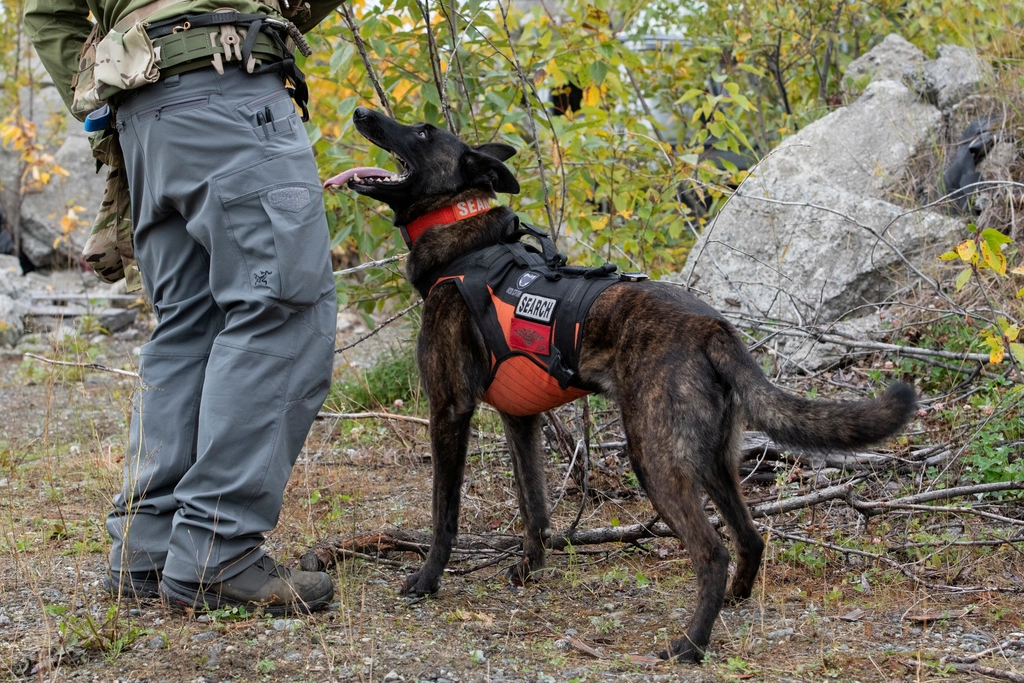
All therapy dogs need to be under control and have basic training. Some therapy groups require that the dog pass the Canine Good Citizen test before taking the group’s therapy test. This isn’t negotiable – a therapy dog must respond reliably to basic commands regardless of the distractions around them.
Train necessary behaviors for therapy work including “leave it,” “watch me,” loose-leash walking, and not jumping on people (“four on the floor”). Your dog needs to master these skills because they’ll encounter dropped food, medical equipment, other animals, and countless temptations during therapy visits. The ability to focus on you and follow commands despite interesting distractions is absolutely essential for safety and effectiveness.
Health and Grooming Standards

Therapy dogs must meet certain health requirements. The minimum is for your pup to be up-to-date with its vaccinations. Regular heartworm and flea prevention treatments are also essential. As is a clean bill of health from a veterinarian. To maintain therapy dog certification, your pet needs to be current on all vaccinations that are required by local laws and have a negative fecal test every 12 months. Therapy dogs should always be clean and well-groomed, too.
This might seem obvious, but the health standards for therapy dogs are higher than for regular pets. They’ll be in close contact with vulnerable populations including elderly individuals, children, and people with compromised immune systems. Your dog needs to be not just healthy, but consistently healthy and well-maintained. Regular grooming isn’t just about looking good – it’s about ensuring your dog is clean, comfortable, and safe for close human contact.
Testing Your Dog’s Readiness Through Observation
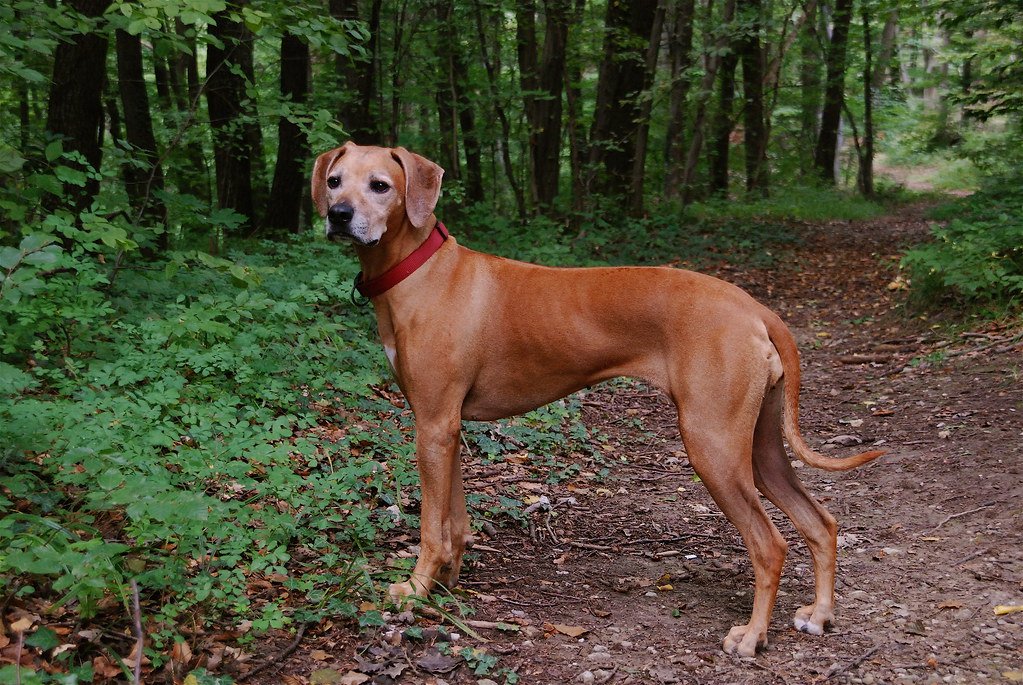
Keehn advises watching your dog closely and dispassionately at first to determine its true temperament. When you pick a therapy dog candidate, you should watch your dog closely and objectively at first to determine its true temperament. This observation period is crucial because many dog owners have rose-colored glasses when it comes to their pets.
It could be the nicest dog in your living room, but not elsewhere. Most often in a therapy situation, people just want a dog that sits next to them and lets itself be pet. Take your dog to different locations and observe their behavior honestly. Visit pet-friendly stores, attend outdoor events, or spend time in busy parks. Does your dog maintain their calm, friendly demeanor in all these settings, or do they only show their best behavior at home?
Conclusion
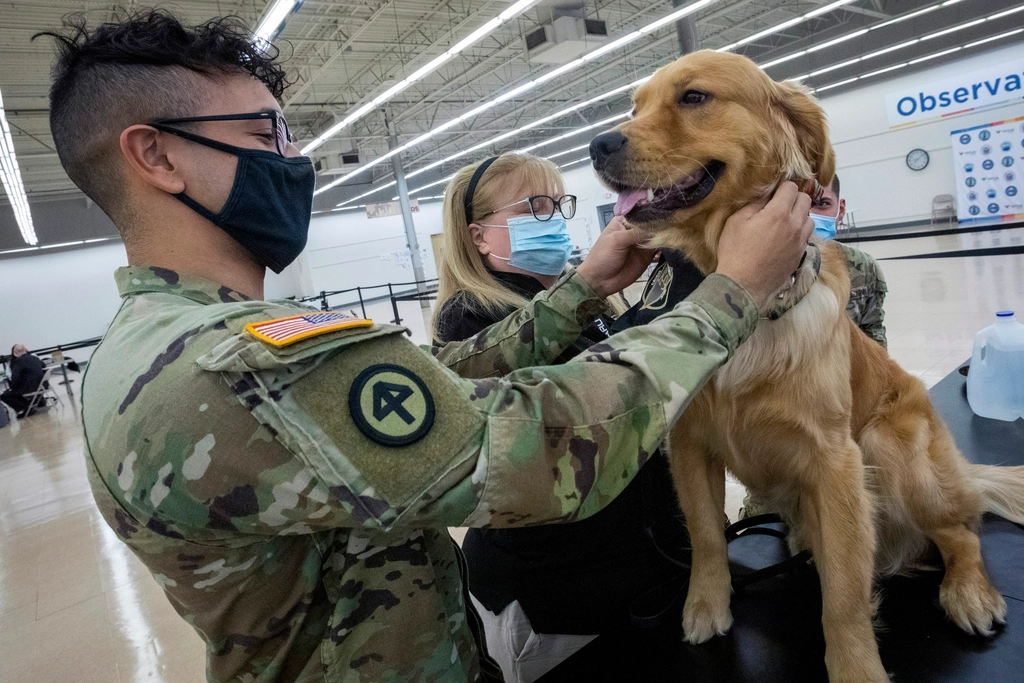
Determining whether your dog has the potential to be a therapy dog requires honest assessment and careful observation. The most important factors aren’t breed or size – they’re temperament, social skills, and the genuine desire to connect with people. Dogs that are obedient, calm, gentle, outgoing, and not easily overwhelmed are generally best suited for this role.
Remember that therapy work is as much about you as it is about your dog. You’ll be working as a team, engaging in conversations, and reading situations to ensure positive interactions. If both you and your dog naturally gravitate toward helping others and can handle the responsibilities that come with this role, you might have found your calling together.
The journey from pet to therapy dog isn’t simple, but for the right dog-human team, it can be incredibly rewarding. After all, isn’t there something magical about a dog that can walk into a room full of strangers and somehow make everyone’s day a little brighter?


