
I’ve seen it countless times. The trembling dog at the vet’s office, paws slipping on the slick floor. The pup who can’t settle when left alone for even a moment. The sweet soul who flinches at unexpected sounds, heart racing, unable to find calm. If you share your life with an anxious dog, you already know how heartbreaking it feels to watch them struggle.
Here’s the thing though. While medications and training protocols certainly have their place, there’s something profoundly simple yet powerful that many dog owners overlook: the healing power of intentional touch. I’m talking about touch therapy, a practice that goes far beyond a quick scratch behind the ears. This is about using your hands with purpose to help restore balance to your dog’s nervous system, easing their worried mind and tense body in ways that feel almost magical.
Understanding Why Your Dog’s Body Holds Anxiety
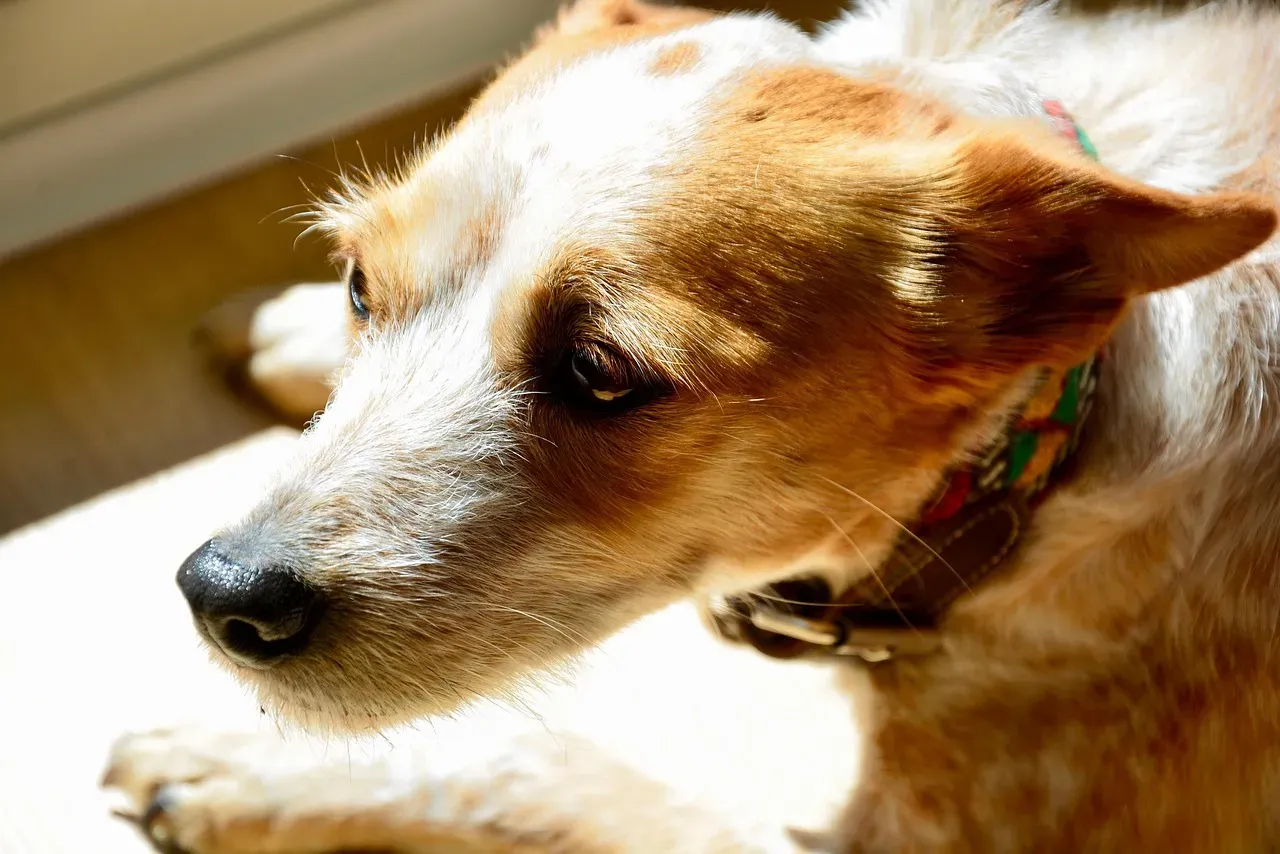
Your dog’s anxiety can stem from negative experiences that develop into fear, and it may also be caused by medical conditions including pain and underlying disease. What’s fascinating is how deeply anxiety embeds itself in your dog’s physical body. Think about how you hold tension in your shoulders when stressed. Dogs do something remarkably similar.
An anxious dog may pant, pace, tremble, drool, withdraw from its owner, or hide. These aren’t just behavioral quirks. They’re physical manifestations of a nervous system stuck in overdrive. The muscles tighten. The breathing becomes shallow. Stressed dogs may have dilated pupils and blink rapidly, opening their eyes wide and showing more sclera than usual.
What many people don’t realize is that this tension creates a feedback loop. The anxious mind creates a tense body, which then sends signals back to the brain reinforcing that something is wrong. This is precisely where touch therapy becomes transformative, interrupting that cycle at the physical level.
The Science Behind Healing Touch
Let me be straight with you. This isn’t some mystical woo-woo practice, though it might seem gentle enough to be dismissed as such. Research shows therapy dogs can reduce stress physiologically through cortisol levels and increase attachment responses that trigger oxytocin, a hormone that increases trust. The remarkable part? The same hormonal shifts happen in dogs receiving therapeutic touch from their humans.
Massage helps lower cortisol levels, the body’s stress hormone, promoting a sense of calm, and physical touch increases oxytocin, also known as the love hormone, which can enhance bonding and relaxation. Think of it this way: your hands become a pharmacological intervention, but without the side effects.
Recent studies have shown something even more compelling. After walking with a dog, state anxiety was significantly lower, and the intervention also led to significant decreases in fear and resting heart rate. When you combine movement with intentional touch, you’re giving your dog’s nervous system multiple pathways to downregulate and find peace.
How Touch Therapy Actually Works on Anxious Dogs
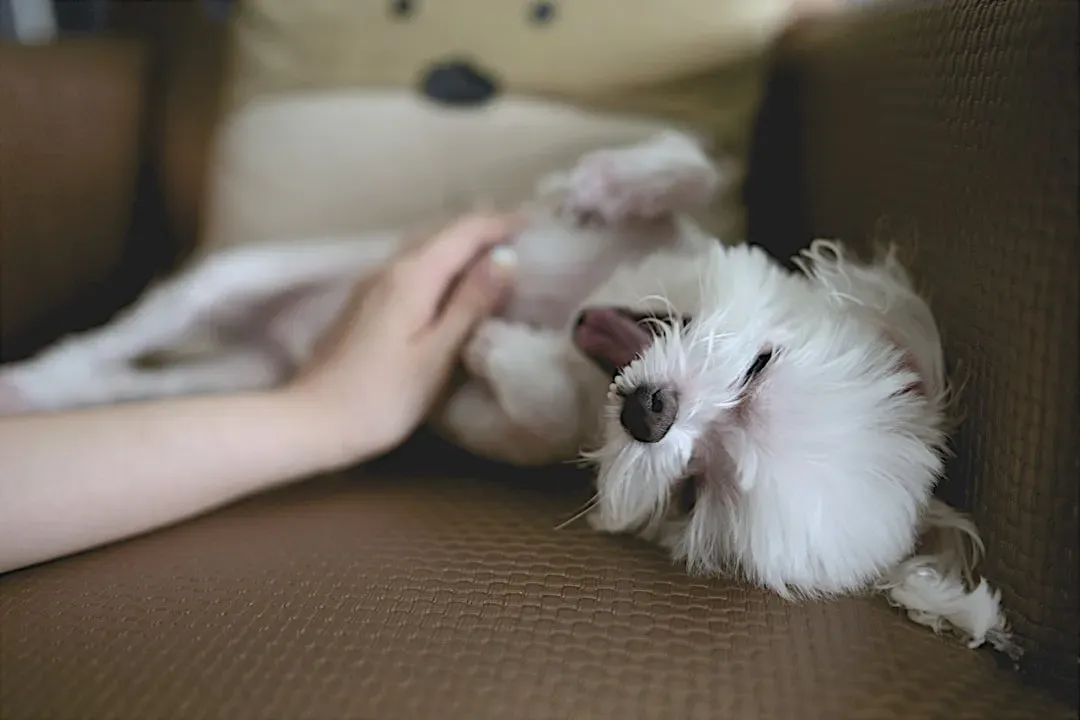
The rhythmic nature of massage activates the parasympathetic nervous system, lowering cortisol levels and promoting relaxation. This is the rest-and-digest system, the complete opposite of fight-or-flight. When you apply gentle, circular strokes to your dog’s body, you’re essentially flipping a biological switch.
Through gentle strokes and careful kneading, canine relaxation therapy encourages the release of endorphins in your furry friend’s body, and these natural chemicals work wonders for boosting mood and creating a sense of peace. I think what surprises most people is how quickly this can happen. We’re not talking about weeks of treatment. Sometimes you can see tension melting away within minutes.
There’s also something called proprioceptive feedback at play here. The light touch raises the animal’s awareness of the environment, thereby promoting controlled reactions to stimuli rather than reflexive reactions. Your dog becomes more conscious of their own body, more present in the moment, less reactive to triggers. It’s honestly beautiful to witness.
The TTouch Method: A Specialized Approach for Anxious Dogs
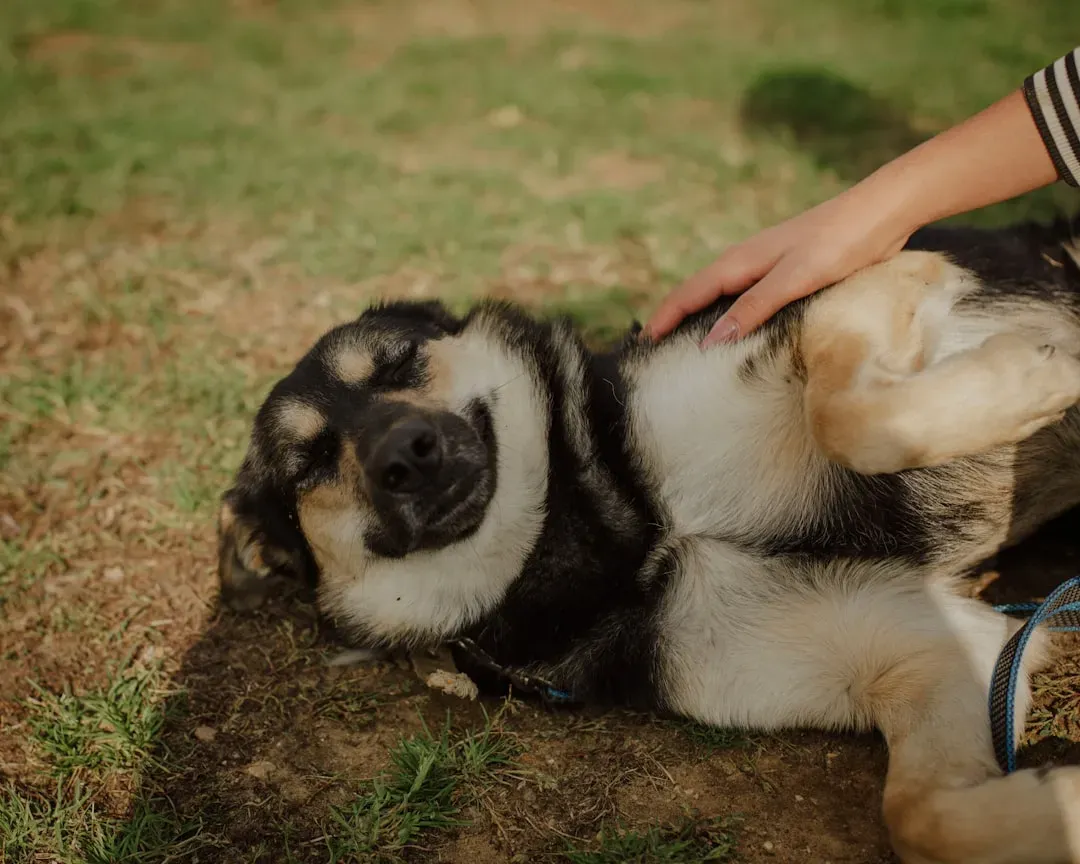
Let’s talk about something specific: the Tellington TTouch method. TTouch is a form of touch therapy devised in 1978 by Linda Tellington Jones, a simple, light massage technique in which the practitioner uses a clockwise circular motion of the fingers on the skin of the patient. This might sound overly simple, yet it’s remarkably effective for anxiety-based issues.
The TTouch method strives to alleviate issues with three primary techniques: circular touches, body wraps, and movement exercises, and these elements work together to bring about a relaxed, calm state that enables the animal to learn. What I love about this approach is its gentleness. You’re not forcing anything. You’re inviting your dog’s nervous system to shift.
TTouch can be particularly helpful with anxiety-based behavior issues such as social fears or sound sensitivity, and with these types of problems, the results of TTouch are often dramatic. I’ve heard from countless owners who were skeptical at first, then shocked when their storm-phobic dog actually settled during a thunderstorm after consistent TTouch sessions.
Practical Techniques You Can Start Using Today
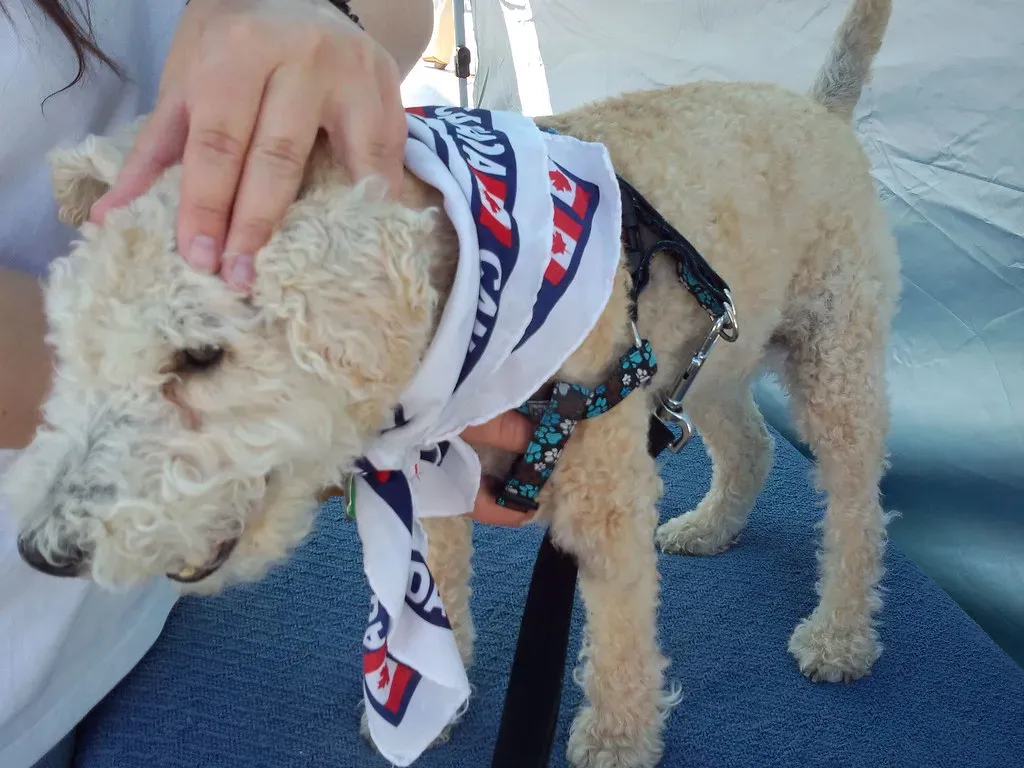
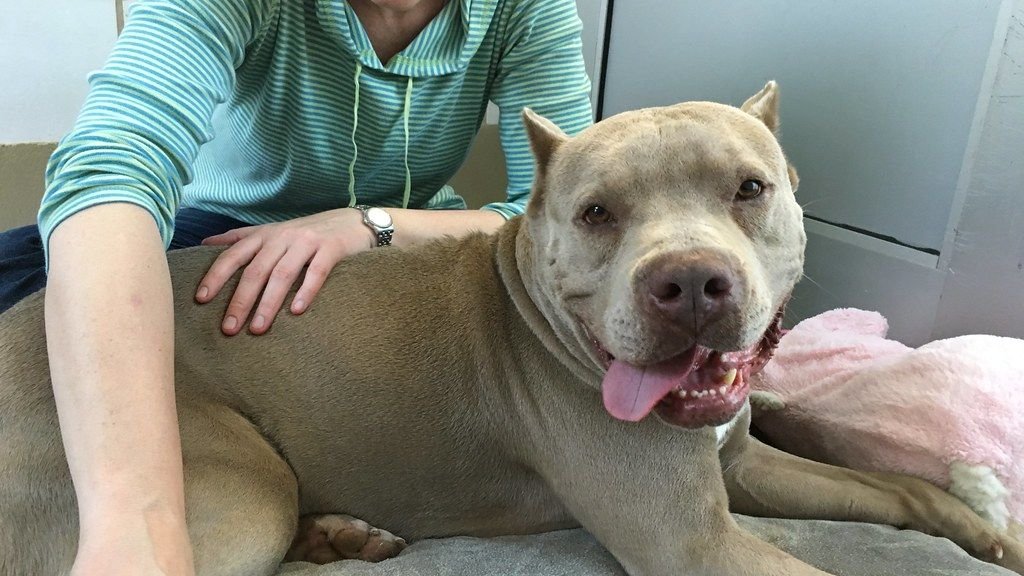
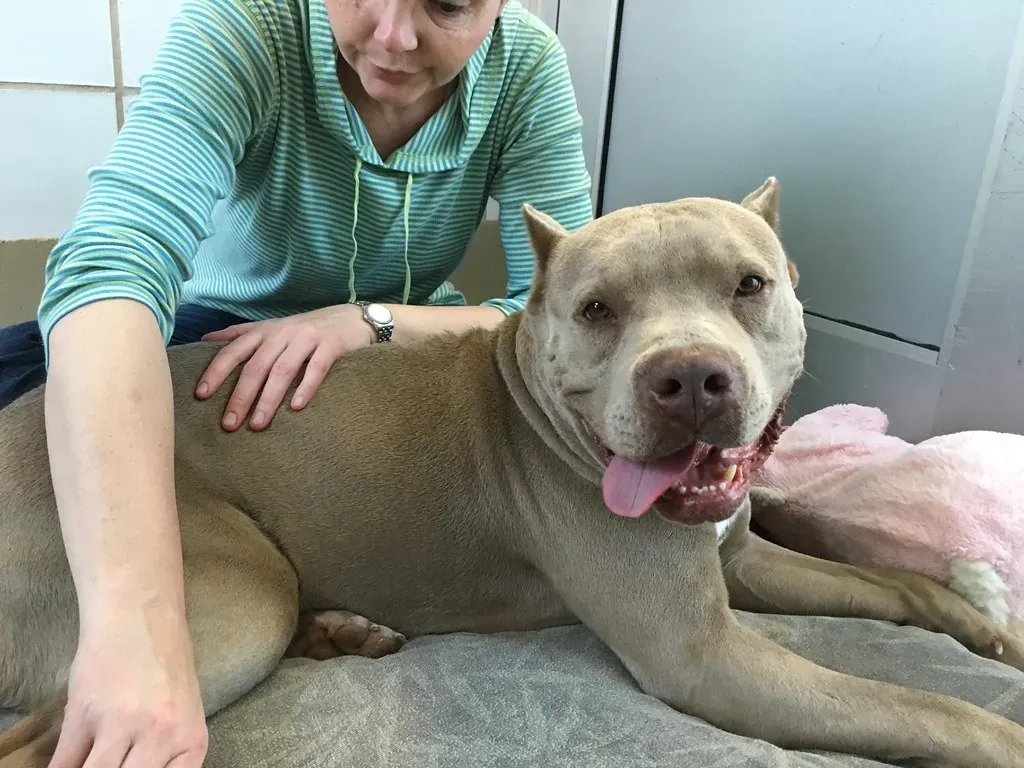
Here’s where we get hands-on. Effleurage is a foundational stroke in Swedish massage therapy, involving slow, smooth, continuous strokes that glide over your dog’s skin, and it not only calms anxious pups but also significantly enhances their circulation. Start with your dog lying comfortably. Use flat palms and stroke from neck to tail in long, flowing movements.
Place one hand on your dog’s neck and gently stroke down their back in a slow, continuous motion, applying light pressure with each stroke, moving from the neck to the tail, and repeat this several times, moving slowly and steadily. The key word here is slow. Rushed movements won’t activate the relaxation response.
For particularly anxious dogs, try ear work. Using TTouch on the ears is an important technique and can help calm a stressed or hyperactive dog. Gently stroke from the base of the ear to the tip, using steady pressure. Some dogs will literally sigh and lean into this. Watch for those yawns and deep breaths – they’re signs your dog is releasing tension.
Creating a Sustainable Touch Therapy Routine
Consistency matters more than duration. Massage can release endorphins, natural pain relievers in the body, making it a potential option for managing chronic pain. Even five minutes daily can create profound shifts over time. Choose a quiet space where your dog feels safe, perhaps on their favorite bed or a soft blanket on the floor.
Giving your dog a massage at home can be appropriate if your veterinarian has recommended you do so, your dog is healthy, and you simply want to provide them with a relaxing, basic massage, and you should find a quiet area that is free from distractions and provide a soft, non-slip surface. Honestly, the environment you create is just as important as the technique itself.
Pay attention to your dog’s signals. Look for signs that your dog is enjoying the massage, like yawning, deep sighing, or leaning into your touch, as these are indicators of relaxation. If your dog pulls away or shows signs of discomfort, respect that boundary. This is about creating safety and trust, not pushing through resistance. Over time, as your dog learns that your touch brings relief, they’ll seek it out themselves.
Conclusion
Touch therapy isn’t a replacement for proper veterinary care or behavioral training when needed. It’s a complementary tool, one that honors the deep connection between physical sensation and emotional state. What I find most powerful about this approach is its accessibility. You don’t need expensive equipment or extensive training to begin helping your anxious dog find relief through your hands.
The beauty of touch therapy lies in its dual benefit. When you set aside time for pet wellness practices like massage, it doesn’t just benefit your dog physically but also strengthens the emotional bond between you two, and the focused attention during a massage session signals to your pup that they are safe and loved. You’re both being changed by the experience.
Start small. Be patient. Your anxious dog didn’t become that way overnight, and healing won’t happen instantly either. What do you think might shift in your relationship when you begin approaching your dog’s anxiety through the simple, profound act of intentional touch?


