

When you think about raising a smarter dog, what comes to mind? Maybe images of endless drills, strict commands, or complicated tricks? Let me tell you something from the heart – the real magic happens when you lead with love instead of fear. We’re living in an exciting time where science is finally catching up with what many compassionate dog owners have felt for years: our dogs learn best when they feel safe, cherished, and understood.
Picture your dog’s mind as a garden. You can force things to grow with harsh chemicals and rigid structures, or you can nurture that garden with patience, warmth, and care. Which garden do you think will flourish more beautifully? Dogs rewarded for correct behavior learn to offer behaviors to get more rewards, creating active thinking rather than simply reacting out of fear. This is what love-based training does – it transforms your dog from a nervous follower into a confident, thinking companion.
The Science Behind Love-Based Learning

Here’s something that might surprise you. Positive reinforcement training focuses on enhancing a dog’s intelligence and improving behavior through mental stimulation, unlike traditional methods that rely solely on obedience commands. When dogs are trained with rewards and encouragement, their brains actually work differently.
Think about it like this: when your dog feels safe and happy during training, their brain is open to learning. When dogs are given a choice, their minds are more actively focused on the task at hand, which means they’re not just memorizing commands – they’re truly understanding them. Research shows that dogs trained with aversive stimuli displayed more stress behaviors during training and showed higher elevations in cortisol levels compared to dogs trained with rewards.
Skills and behaviors better engrain in memory, and skills learned through positive reinforcement training have been proven to last longer and require less maintenance down the road. Love isn’t just a feel-good approach – it’s actually the smarter way to teach.
Building Confidence Through Positive Reinforcement

One of the most beautiful things about training with love is watching a timid dog transform into a confident one. With each little victory marked by a treat or encouraging word, trust grows between you and your pet, fostering a sense of safety that boosts their self-esteem with every successful command followed.
I’ve seen it happen countless times. A dog who once cowered at new situations suddenly approaches challenges with curiosity instead of fear. Why? Because an active thinking dog that has been socialized to their environment is a confident dog, and confidence is hugely important in the lifelong happiness of a pet.
Traditional punishment-based training can create what we call “shut down” dogs. Dogs that receive too much correction begin to retreat from trying new things, essentially becoming afraid to make mistakes. That’s not intelligence – that’s learned helplessness. Love-based training does the opposite: it encourages your dog to think, problem-solve, and explore.
Emotional Intelligence Creates Cognitive Growth
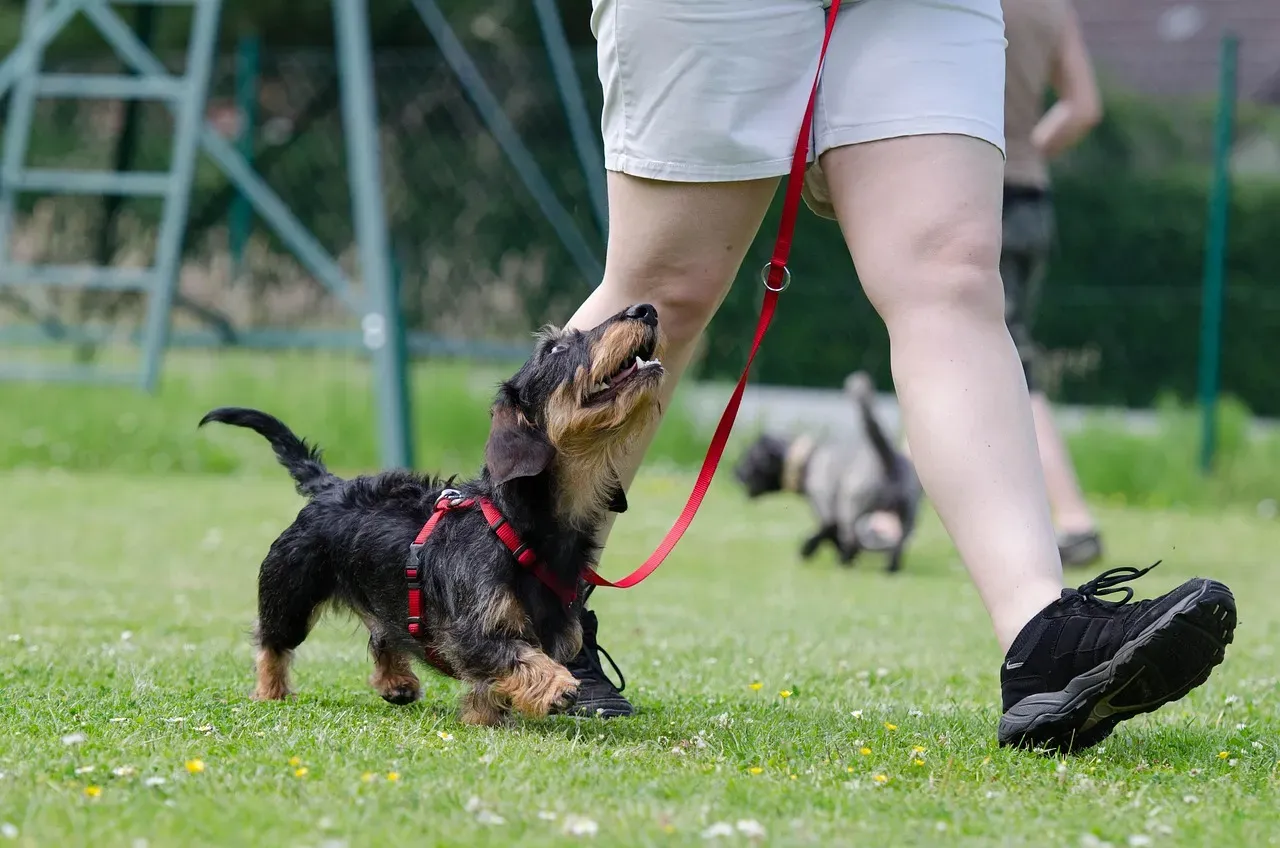
Let’s talk about something really fascinating. Dogs experience a wide spectrum of emotions – joy, fear, anxiety, excitement, and curiosity – and ignoring these feelings can lead to stress, behavioral issues, or training setbacks. When we honor these emotions during training, something remarkable happens.
Dogs trained with emotional intelligence techniques often experience lower levels of stress and anxiety, creating a safe, positive training environment where the dog feels more relaxed and secure, promoting better learning and retention of commands. Your dog isn’t just learning to sit or stay – they’re developing emotional resilience.
Pay attention to your dog’s body language during training sessions. Are their ears relaxed? Is their tail in a natural position? These signs tell you they’re in the right emotional state to learn. If you notice tension, take a break. Honestly, pushing through stress only damages the learning process.
The Power of Mental Stimulation

Smart dogs aren’t just born – they’re developed through mental exercise. Dogs are intelligent animals that crave mental stimulation just as much as physical exercise, and through positive reinforcement training, you can challenge their problem-solving skills, improve their focus and concentration, and provide them with a sense of purpose.
Here’s the thing: a tired dog isn’t always a well-behaved dog, but a mentally stimulated dog usually is. Interactive games that develop problem-solving abilities foster mental growth and behavior improvement. Simple activities like hide-and-seek with treats, puzzle feeders, or teaching new tricks keep your dog’s brain engaged.
The connection between love and intelligence becomes clear here. When training feels like play rather than work, dogs engage more deeply. Their neural pathways strengthen, memory improves, and cognitive abilities expand. You’re not just teaching commands – you’re literally making your dog smarter.
Creating Lasting Behavioral Change

I know what some people think: “Won’t reward-based training create a dog who only listens when treats are involved?” The science says otherwise. Science has spoken about the effectiveness of positive reinforcement methods, showing that positive reinforcement is the safest and most effective way to train dogs.
The truth is, love-based training creates intrinsic motivation. Positive training gives the dog a strong desire to do the things you’d like them to do, increasing the odds that they’ll change their behavior in just the way you would like. Your dog learns to want to please you, not because they fear consequences, but because cooperation feels good.
The human-pet bond is strengthened as the reward becomes the motivator instead of fear of correction, creating engagement with the handler and building trust that becomes the foundation of success for all future training. This isn’t a quick fix – it’s a fundamental shift in how your dog views learning and their relationship with you.
Building a Partnership That Lasts

Training isn’t about dominance or control – it’s about partnership. As canine training has shifted from the old obedience-driven model to a more relationship-based approach, trainers have discovered that negative reinforcement and positive punishment actually slow a dog’s progress because they damage confidence and the relationship with a handler.
When you choose love over force, you’re not just training a dog. You’re raising a thinking, feeling companion who trusts you completely. Positive reinforcement helps create a strong, trusting relationship between you and your dog, as your dog will associate you with good things, making them more eager to please and follow commands.
Think about the dogs you’ve known who seem to have that special spark – the ones who are engaged, responsive, and genuinely happy. Chances are, they were raised with methods that honored their emotional needs. These dogs aren’t just obedient; they’re intelligent problem-solvers who approach life with confidence and curiosity.
Conclusion
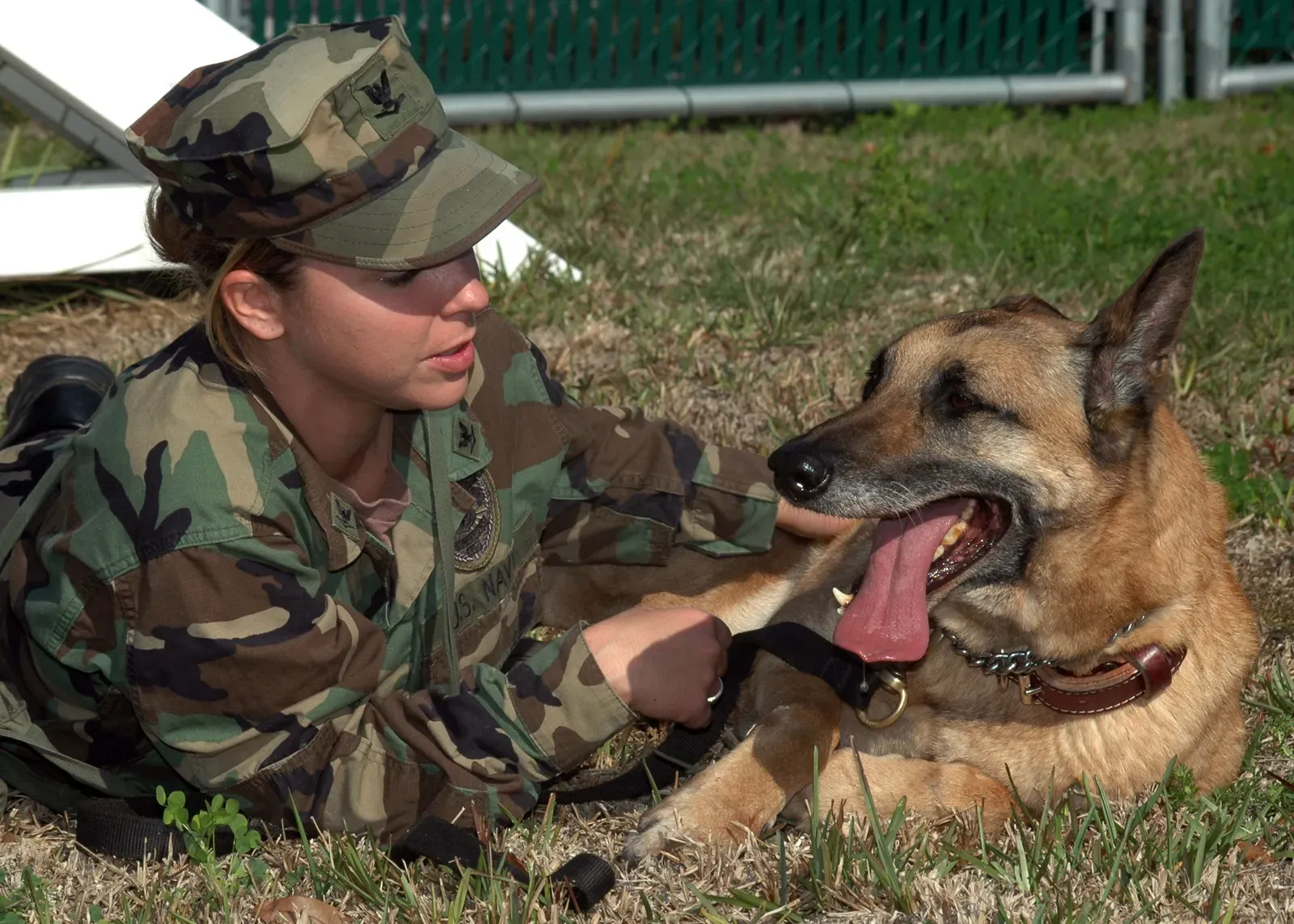
The journey to a smarter dog doesn’t require harsh corrections or intimidation tactics. It requires something we all have in abundance: love, patience, and understanding. Studies have shown that approximately 80% of dogs show improved behavior when trained using positive reinforcement methods, proving that kindness isn’t weakness – it’s wisdom.
Every training session is an opportunity to strengthen your bond and expand your dog’s cognitive abilities. When you choose methods rooted in compassion, you’re not taking the easy way out. You’re taking the scientifically proven, emotionally intelligent path that creates confident, thinking dogs who love to learn.
So here’s my question for you: What kind of relationship do you want with your dog? One built on fear and compliance, or one built on trust and mutual respect? The choice is yours, and the difference it makes in your dog’s life – and yours – is absolutely worth it.


