
Picture those irresistible tiny furballs, just a few weeks old, wiggling blindly against their mom. Your hand itches to pick one up for a cuddle. Yet one wrong move, and you risk chilling their fragile bodies or bruising soft bones.
These neonatal puppies rely totally on warmth and gentle care. Mess up the hold, and hypothermia or injury sneaks in fast. Stick with me, and you’ll learn the pitfalls to dodge, keeping those pups safe and thriving.
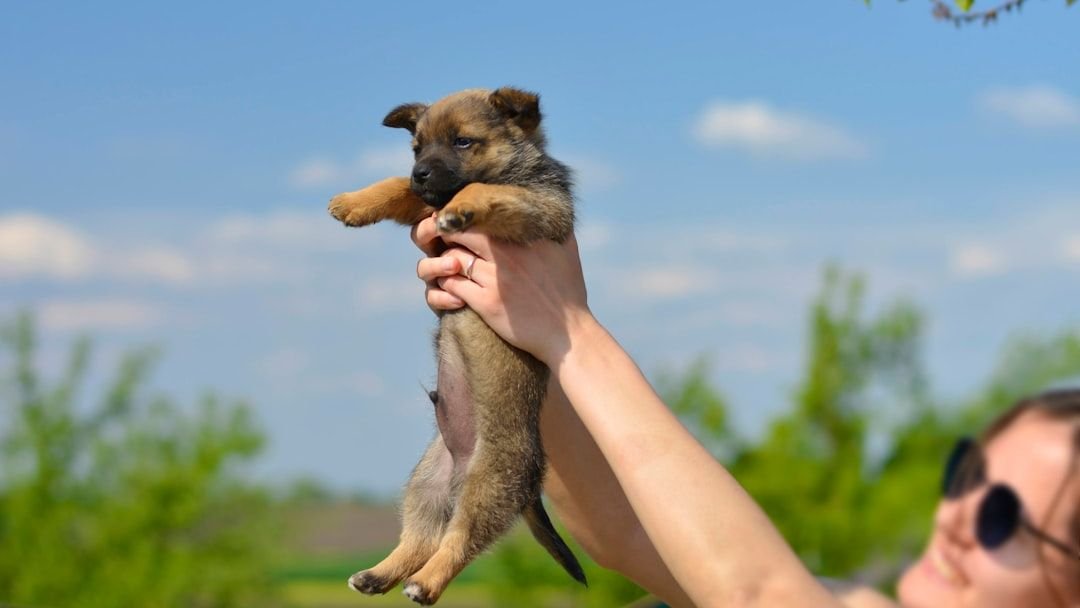
Never Grab by the Scruff Like Mom Does
Moms scoop pups effortlessly by the loose scruff skin. Humans lack that gentle mouth grip, so yanking risks neck strain or spinal tweaks in these soft-boned babies.[1][2]
Imagine a puppy crying out, limp after a scruff lift. Instead, slide hands under chest and rear for full support. Watch for whimpers or reluctance, signs of discomfort.
Don’t Let Legs Dangle Unsupported
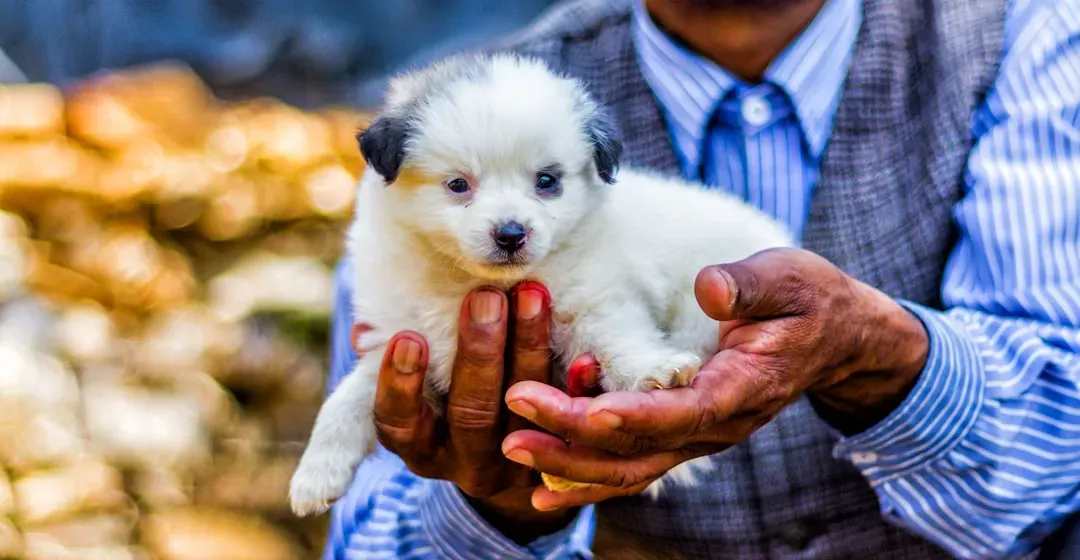
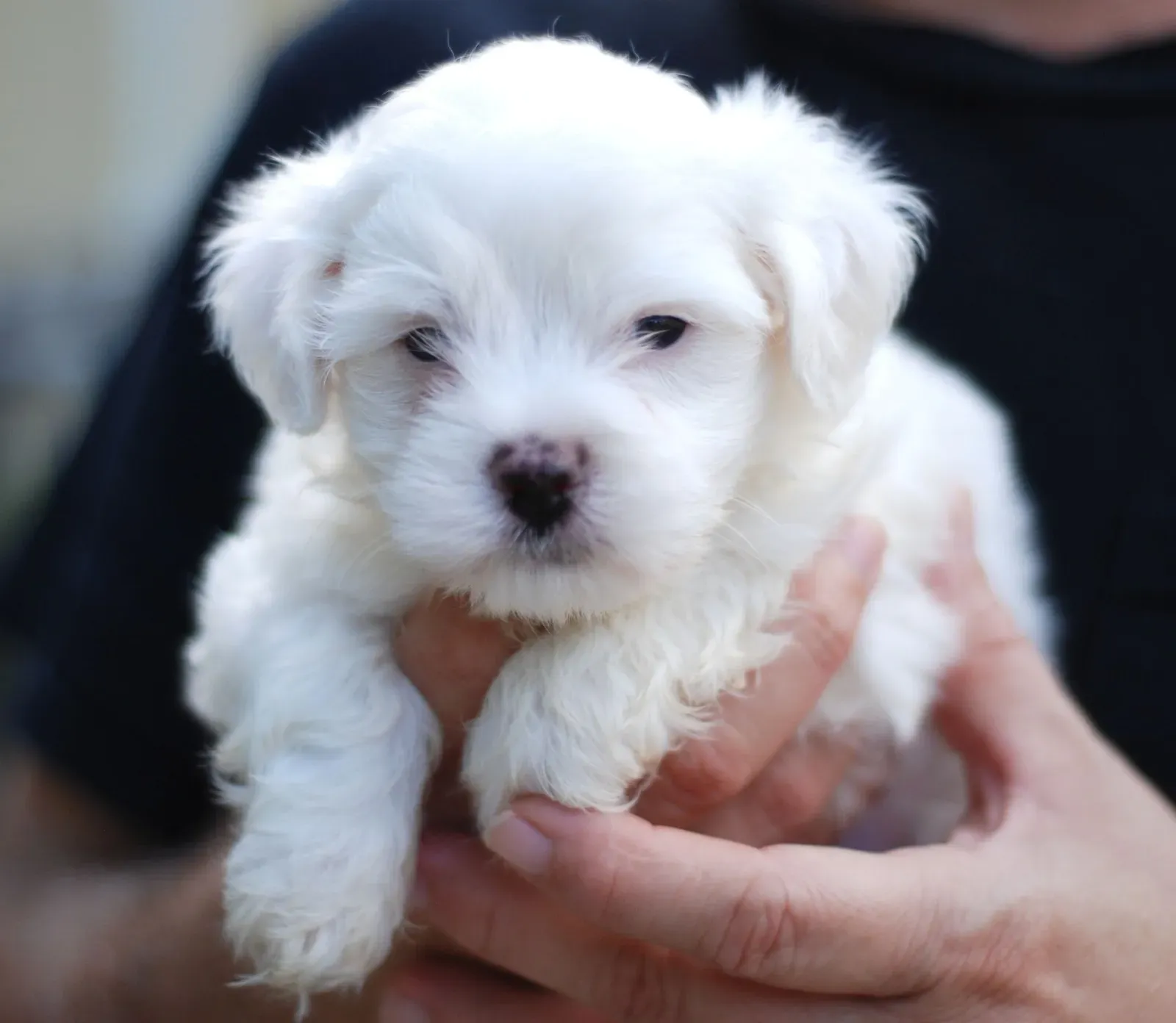
Hanging legs pull on weak joints and hips, potentially causing lifelong limps. Puppies this young have cartilage, not sturdy bones yet.[3]
Think of a friend scooping a sleeping newborn, legs flopping. Cradle the whole body close to your warm chest. Prevention means always cupping belly and limbs snugly.
Avoid Lifting Just Under the Front Legs
This classic mistake compresses the belly, stressing tiny organs and risking hernias. Rear ends drop, twisting the spine awkwardly.
Real-world example: a breeder spots a fading pup after armpit lifts. Support both ends equally, like a football hold. Check for labored breathing post-handle, a red flag.
Skip Shaking, Swinging, or Rough Play
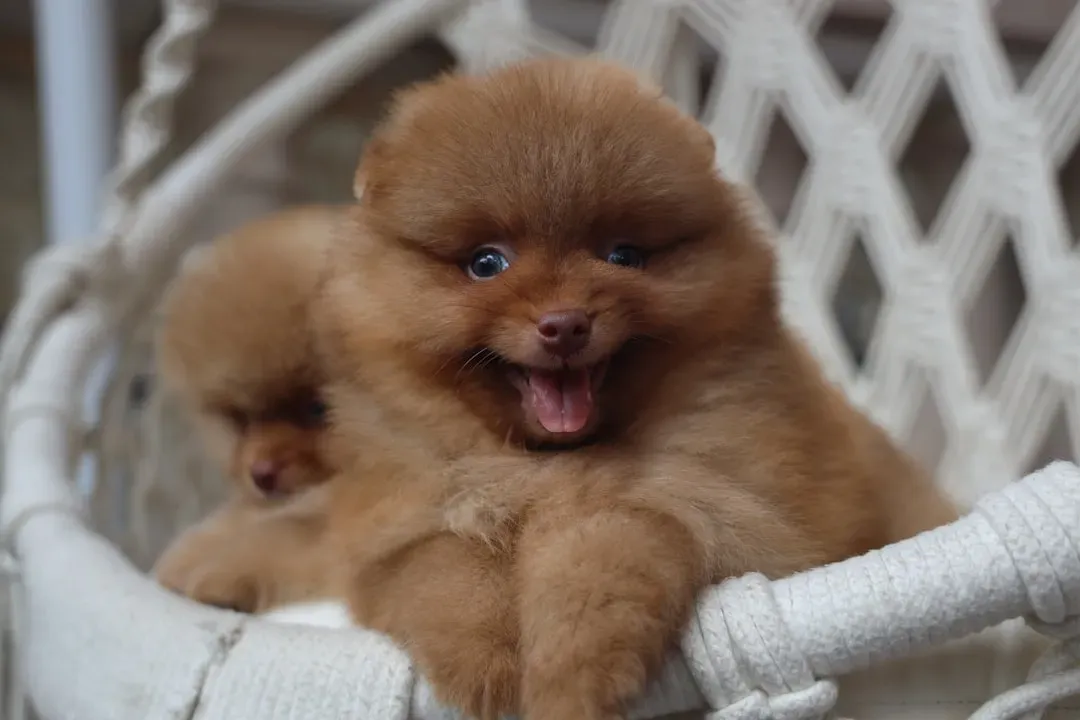
Even playful swings dizzy and injure inner ears or brains in these delicate stages. Sudden jerks mimic trauma.[4]
I once saw a litter tire out from overzealous bouncing, leading to weak nursing. Keep motions slow, horizontal. Limit to quick checks, letting mom handle the fun.
Never Expose to Cold Air or Long Holds
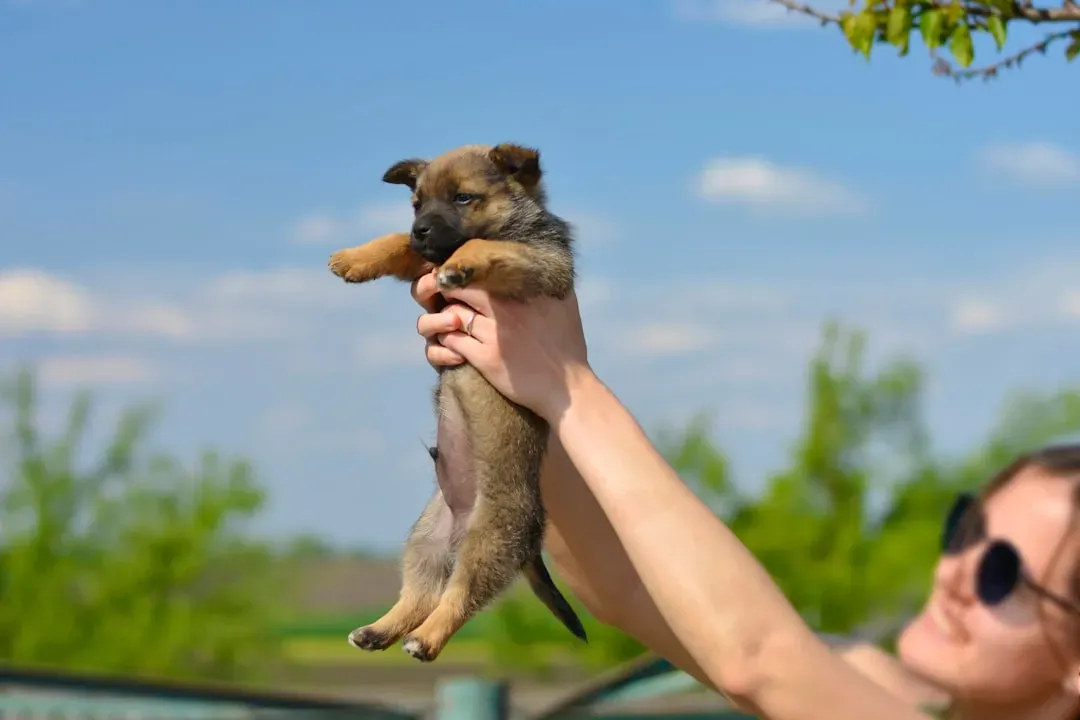
Pups under three weeks can’t warm themselves, dropping temps fast away from mom’s heat pad.[5][6] Hypothermia shows as lethargy or cold gums.
Here’s the thing: a two-minute hold in cool room equals disaster. Warm your hands first, stay under a minute. Prioritize nest warmth around 85 degrees Fahrenheit.
Your Pups Will Thank You
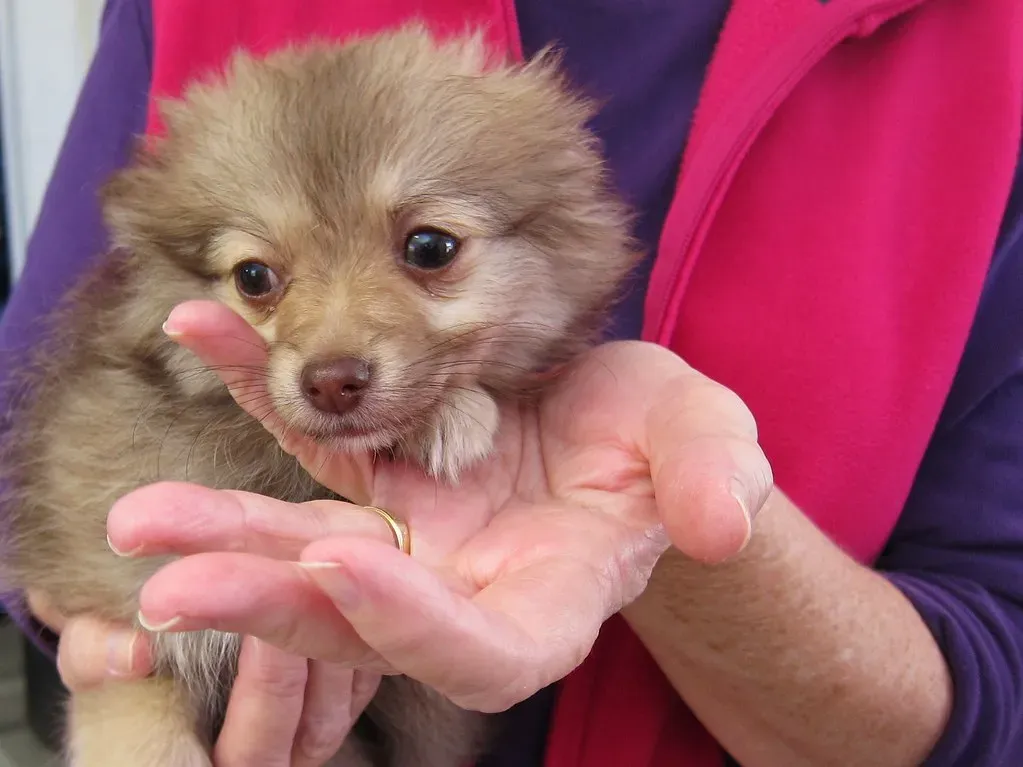
Mastering these holds builds trust with mom and sets pups up strong. You’ll spot healthy signs like steady weight gain and perky squeaks.
You’re that caring friend every litter needs. What holding habit surprised you most? Share below and keep those tails wagging safely.


