

Ever notice how your dog seems to know exactly when you need comfort? Maybe you’ve had a terrible day, and you’re convinced your furry friend is completely oblivious to your feelings. Yet there he is, gently placing his head on your lap or offering that soft, knowing look that somehow makes everything better. The truth is, your dog is far more emotionally intelligent than you might realize, picking up on your feelings through an intricate web of senses and behaviors that would put most humans to shame.
Even when you think your dog is simply focused on dinner time or that squirrel outside, he’s quietly processing dozens of emotional signals you’re sending his way. From the subtle changes in your scent to the way you carry yourself across the room, your canine companion is constantly reading the story of your emotional state. Let’s dive into the remarkable ways your dog knows you love him, and how he’s been loving you back all along.
Your Scent Tells a Love Story He Can Read
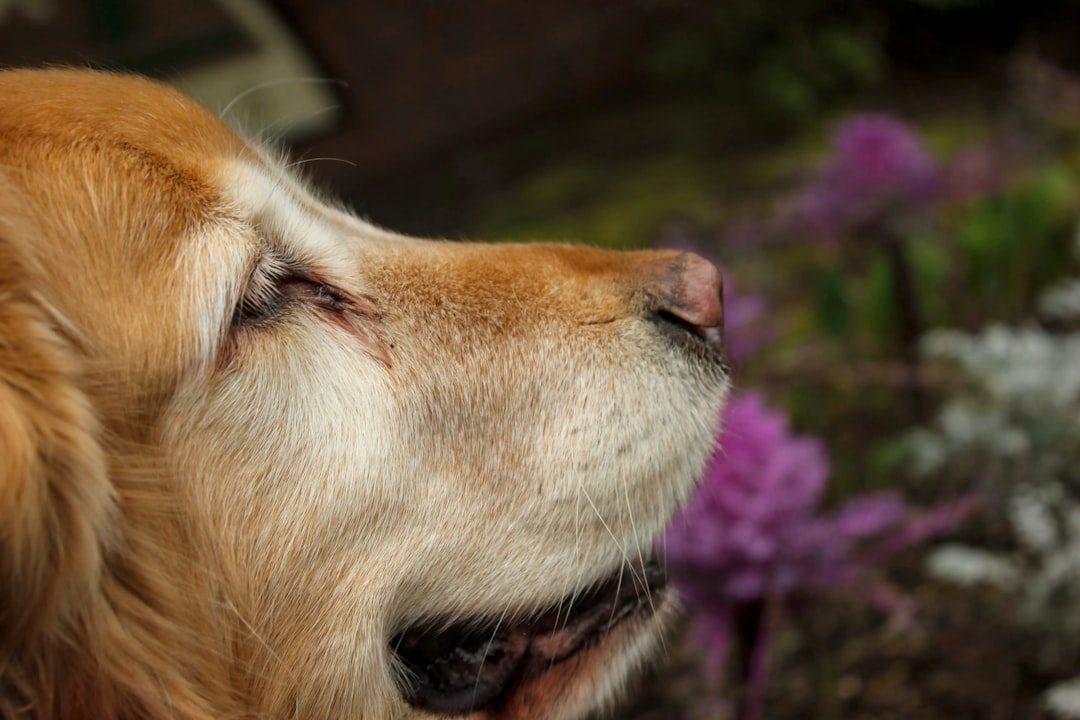
Dogs possess approximately 300 million scent receptors compared to a human’s six million, giving them access to an entirely different dimension of emotional awareness. When you feel love, affection, or even stress about your dog’s wellbeing, your body releases specific hormones and chemical signals that your pup can detect instantly.
When humans experience strong emotions such as love or affection, their bodies undergo physiological changes, including the release of oxytocin, creating a unique scent signature that tells your dog exactly how you’re feeling. Their highly developed sense of smell enables them to perceive subtle changes in our body odor that correlate with our shifting emotional states. Think of it as your dog having access to your emotional diary, written in a language only he can understand.
When we’re fearful, our bodies release adrenaline and other stress-related hormones, which alter our scent profile in ways that dogs can discern. This same sensitivity means your dog knows when you’re genuinely happy to see him versus when you’re going through the motions after a long day.
His Brain Lights Up When He Smells You
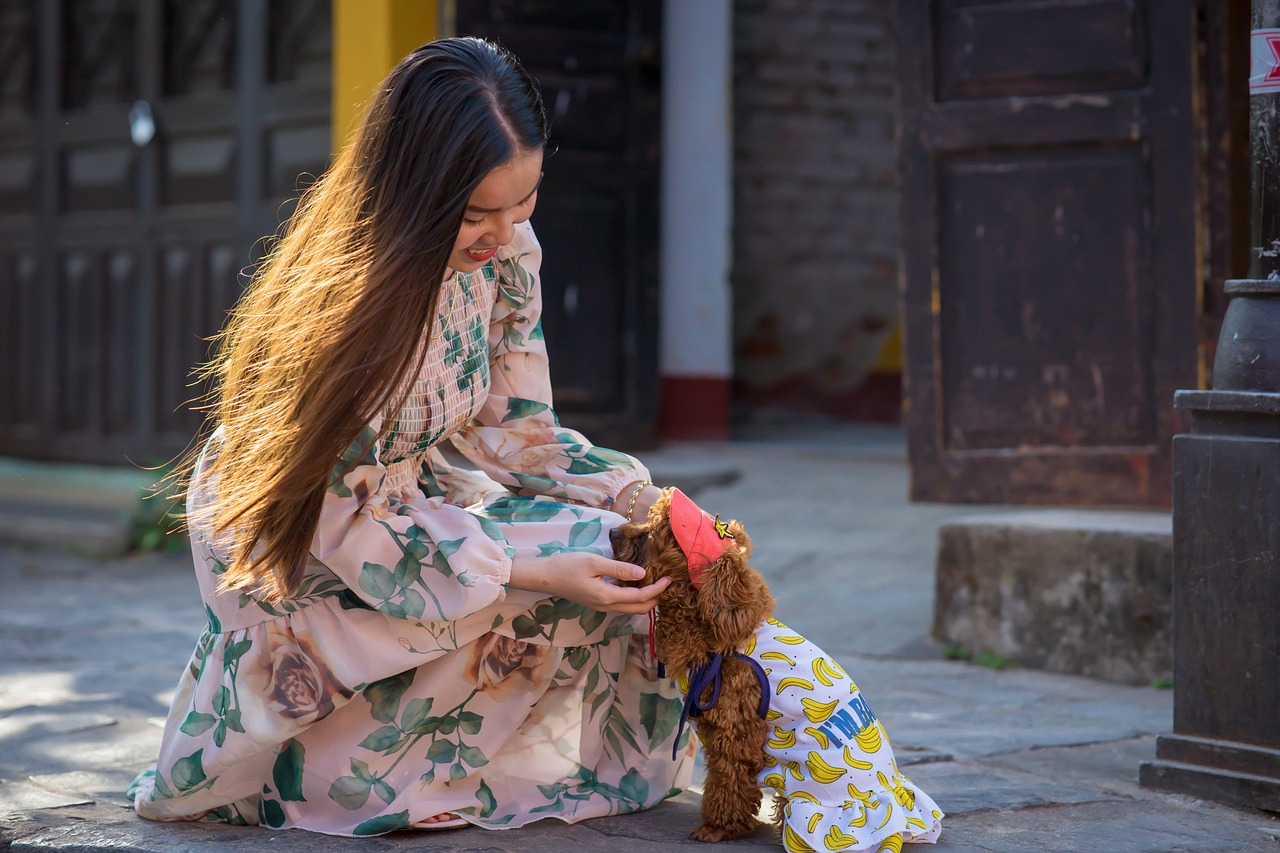
The experiment revealed that when a dog smelled the familiar aroma of his owner, the “reward center” of the brain (caudate nucleus) was activated. The caudate nucleus contains many dopamine receptors and it “lights up” when exposed to pleasurable experiences. Scientists discovered this using brain imaging technology, proving that your scent literally makes your dog’s brain happy.
In this study, dogs responded more favorably to human odors than any other odors, including the scent of their canine companions. Moreover, a dog’s caudate nucleus was activated most significantly when the dog smelled someone they knew. A similar response occurs in humans when they are shown photos of people they love.
This means every time your dog catches your scent on that old sweatshirt or seeks out your worn socks, he’s experiencing genuine neurological joy. It’s not just habit or seeking attention, it’s his brain’s way of connecting with the person he loves most.
Those “Puppy Dog Eyes” Are Evolutionary Gifts of Love
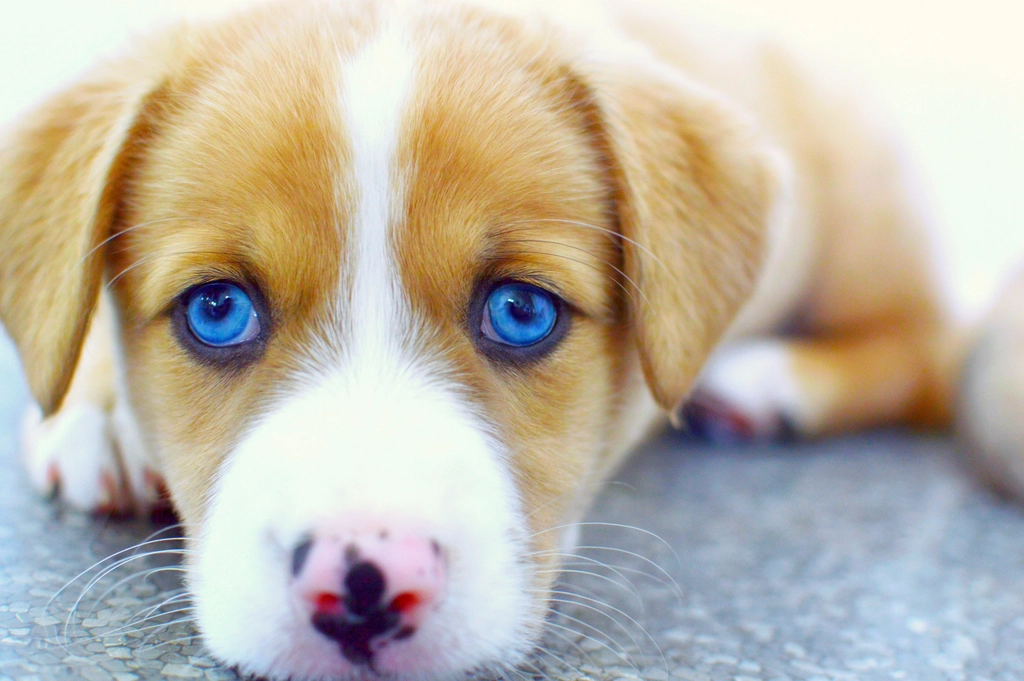
In a study published in the Proceedings of the National Academy of Science in 2019, researchers discovered that dogs have muscles around their eyes that help them make these expressions. Wolves don’t have these muscles, which implies dogs’ adorable expressions are evolutionary traits that helped them get along better with humans.
Your dog’s ability to make those heart-melting expressions isn’t accidental. Over thousands of years of living alongside humans, dogs developed specific facial muscles that allow them to communicate love and trust through eye contact. A 2015 study showed that not only did prolonged staring into each others’ eyes promote bonding and connection, but also stimulated the release of oxytocin for the dog.
Your dog looks at you with loving eyes. Making direct eye contact can be interpreted as aggression among dogs, which makes the tender gazes your dog gives you even more significant. He’s breaking fundamental dog social rules to share a uniquely human form of affection with you.
He Actually Sheds Tears of Joy When You Return
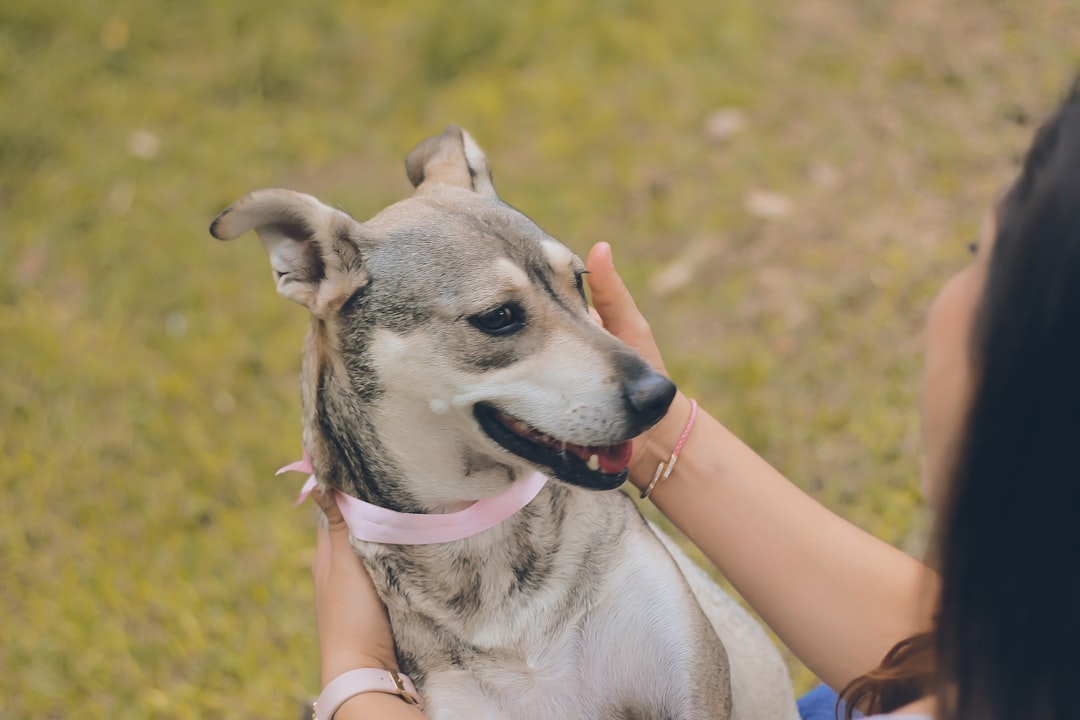
After a long period of separation, the dogs’ eyes were brimming with tears when they saw their owner. “We found that dogs shed tears associated with positive emotions,” Takefumi Kikusui, the study’s lead author and a veterinary researcher at Azabu University in Japan, said in a press release.
This groundbreaking research revealed that dogs produce more tears during emotional reunions with their owners compared to interactions with strangers. Takefumi Kikusui, a researcher in the School of Veterinary Medicine at Azabu University in Japan and colleagues found that dogs will shed tears when reunited with an owner after a long absence, but will not show the same depth of response to the return of another human the animal recognizes.
The tears your dog sheds aren’t just moisture, they’re physical proof of the overwhelming joy he feels when you return. Think about what that means: your dog’s body literally responds to your presence with tears of happiness, something previously thought to be uniquely human.
Your Body Language Is His Second Language

Research has shown that dogs are exceptionally skilled at interpreting human body language and emotions. They respond not only to verbal communication but also to facial expressions and the intonation of voices. A simple smile or a gentle tone can elicit excitement in dogs.
Dogs are experts at reading body language, and they can pick up on even the subtlest of changes in our posture, facial expressions, and movements. For example, a furrowed brow or tensed muscles can signal to a dog that we are feeling anxious or upset.
Your dog notices when you slouch after a difficult day, when your shoulders tense during a phone call, or when your face brightens at the sight of him. They carefully analyze our facial expressions, posture, and body movements, while also listening intently to the tone of our voice. By combining these various observations, dogs form a comprehensive understanding of our meaning and desires.
He Feels What You Feel Through Emotional Contagion

This interspecies emotional contagion, as psychologists call it, has a psychological, a physiological, and a behavioral basis. In the last few years, multiple studies have shown that the transmission of emotions depends on the release of certain hormones (such as oxytocin), body odor changes in humans, the firing of key neurons in the pooches and their people, and other physiological factors.
In a similar way, your emotional state may be contagious to your dog. If you are sad, they are affected by it and come close to nuzzle you. Your dog is comforting you while seeking comfort themselves. This isn’t just behavioral mimicking, it’s genuine emotional sharing.
When their people project feelings of calm and confidence, dogs tend to view their surroundings as safe and secure. Your emotional state directly influences your dog’s comfort level and worldview, proving just how deeply connected you both are.
Love Trumps Food in His Priority List

Eight out of 10 times, the dogs chose their owner over food when given the choice after being separated for several hours, according to research conducted by psychology experts. Next to food, your dog craves you! Dogs live in the “now.” When they are hungry and are presented with a bowl full of food, they will forgo human interaction for the glory of a good meal. However, when the bowl is empty, dogs want you!
This research overturns the cynical belief that dogs only love us because we feed them. If the experts and studies are to be believed, dogs may actually love people more than food. For a creature whose survival depends on regular meals, choosing human companionship over sustenance speaks volumes about the depth of canine affection.
Social Cognitive and Affective Neuroscience, Berns found that 86% showed a similar or higher level of caudate activation in response to praise than they did from food. Your praise and attention literally activate the same reward centers in your dog’s brain as a delicious meal.
Conclusion
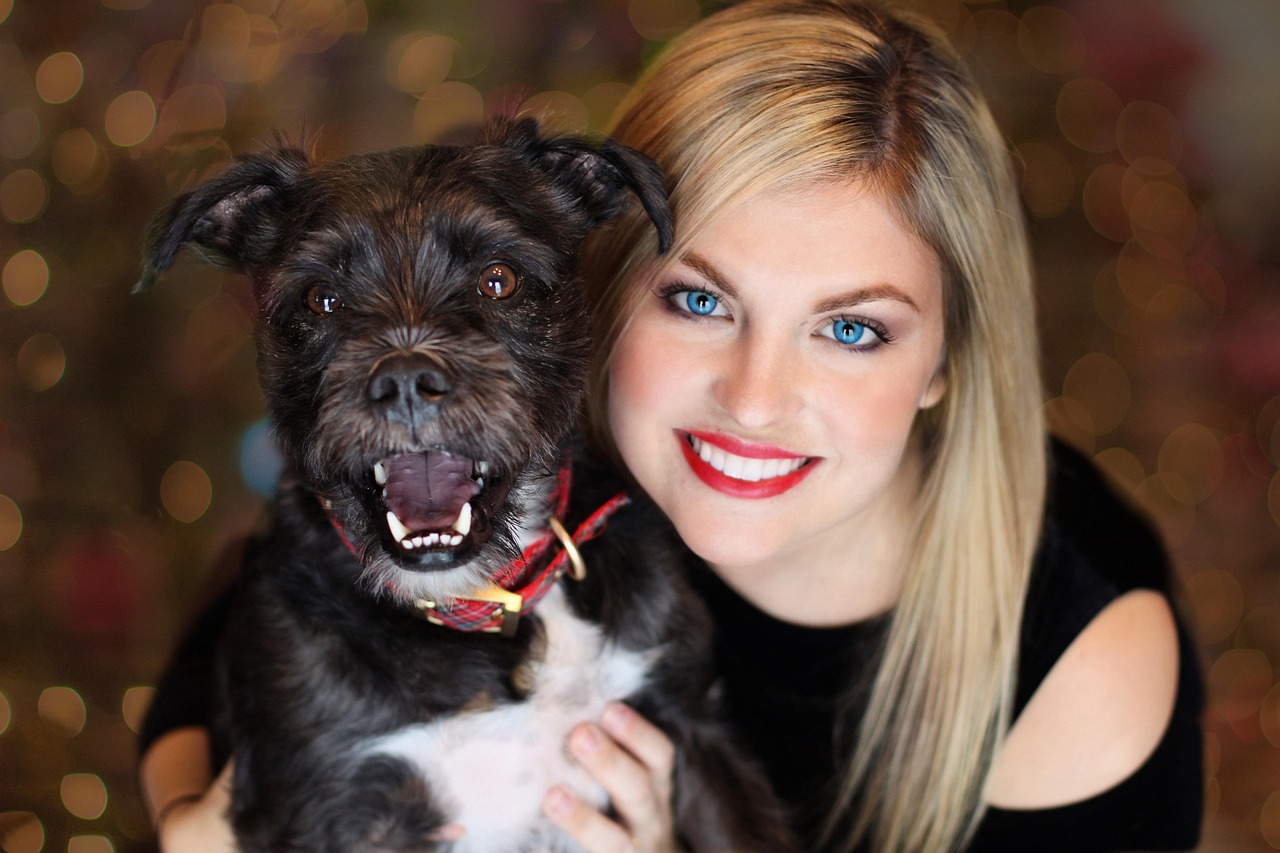
Scientific research also reveals that our love doesn’t go unnoticed by dogs, and the evidence is overwhelming. Through their remarkable sensory abilities, evolutionary adaptations, and deep emotional intelligence, dogs have developed an extraordinary capacity to recognize, understand, and reciprocate human love. From the neurological fireworks that happen when they smell your scent to the tears of joy they shed upon your return, your dog experiences your affection on multiple levels that science is only beginning to understand.
The next time you wonder if your dog truly knows how much you care, remember that he’s reading your love story through channels you can’t even perceive. Your bond isn’t one-sided or based purely on routine and food, it’s a genuine emotional connection that has been refined over thousands of years of companionship. What do you think about this incredible connection you share with your furry friend? Tell us in the comments.


