
The unspoken bond between dogs and their human families reaches its most profound depth in those final moments when they sense their time is approaching. Throughout the countless walks, belly rubs, and quiet evenings together, your dog has learned to communicate with you in ways that transcend words. Yet perhaps nowhere is this communication more powerful than when they feel their end drawing near.
These final expressions of love arrive not as grand gestures, but as subtle shifts in behavior that speak volumes to those who know how to listen. Understanding these farewell messages can help you recognize when your beloved companion is trying to tell you something important, allowing you to provide the comfort and presence they need most during this tender time.
The Ancient Instinct to Find Solitude
Some dogs prefer to be alone as they near the end, retreating to their favorite quiet place, away from the household activity, as if choosing a space to rest peacefully. This behavior isn’t a rejection of your love or a sign that they no longer want to be with you. Rather, it stems from an ancient survival instinct deeply embedded in their DNA.
When a wild canine became old, ill, or injured, it would often distance itself from the pack. This was not an act of rejection, but one of profound protection, a way to avoid attracting predators to the den and to conserve the pack’s resources. This ancient, hardwired instinct explains why many domestic dogs seek solitude or a quiet hiding spot in their final days. In their minds, they’re protecting their human pack by removing themselves from potential danger. A dog’s tendency to withdraw or seek solitude before death is an ancient, protective instinct from their wild ancestors to avoid attracting predators to their pack, which is their way of shielding their human family.
Seeking Extra Companionship and Clinging Behavior

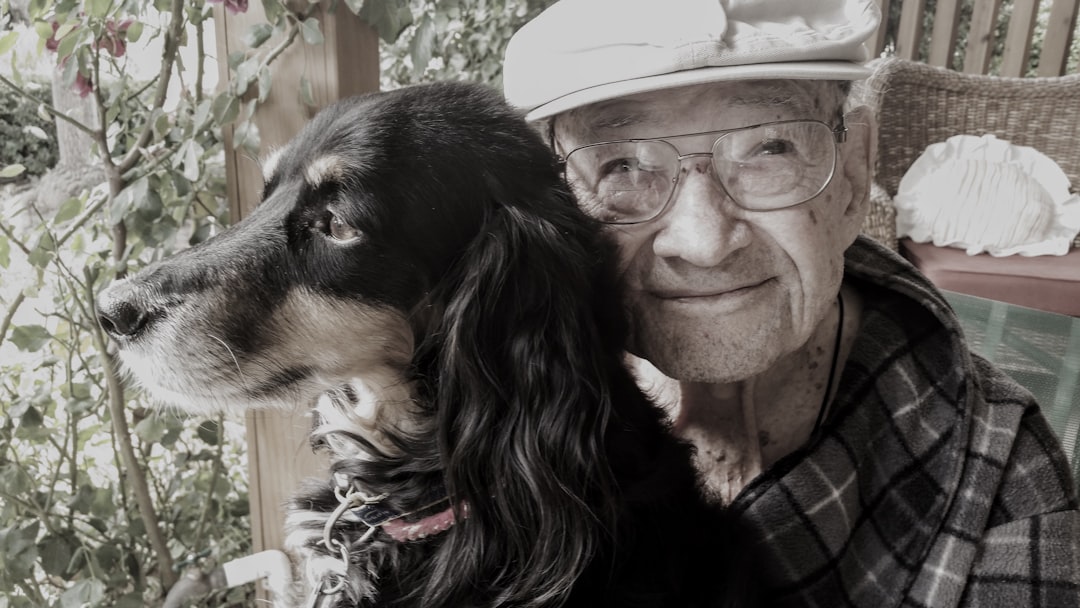
Some dogs become unusually clingy, seeking constant companionship and reassurance from their owners. This behavior can be interpreted as a way of seeking comfort and expressing their bond. You might notice your dog following you from room to room more than usual, or pressing themselves against your legs as you go about your daily routine.
Some dogs will suddenly seek out their owners even at inopportune times. For example, they may wake their owners in the night, begging for affection. This increased neediness represents their desire to spend every possible moment with the people they love most. Some may seek comfort from their owners, demonstrating a desire for closeness or affection. Some dogs may seek more affection and stay close to their owners. They understand instinctively that time is precious, and they want to make the most of what remains.
The Meaningful Gaze That Speaks Volumes

Many pet owners report that their dogs make prolonged eye contact as if trying to communicate something profound. This can be seen as a final connection or farewell. These aren’t ordinary glances but deep, soulful gazes that seem to reach into your very soul. The eyes that once sparkled with mischief during puppyhood now carry a different kind of wisdom.
You might notice your dog attempting to make prolonged, soulful eye contact, a powerful bonding behavior that can release oxytocin in both of you. As they approach their final days, many dogs will seek eye contact more often. They might gaze into your eyes with a depth and intensity that seems to say, “Thank you for the life you’ve given me.” This profound connection serves as their way of expressing gratitude for all the love and care you’ve provided throughout their life.
The Final Burst of Energy Before Letting Go
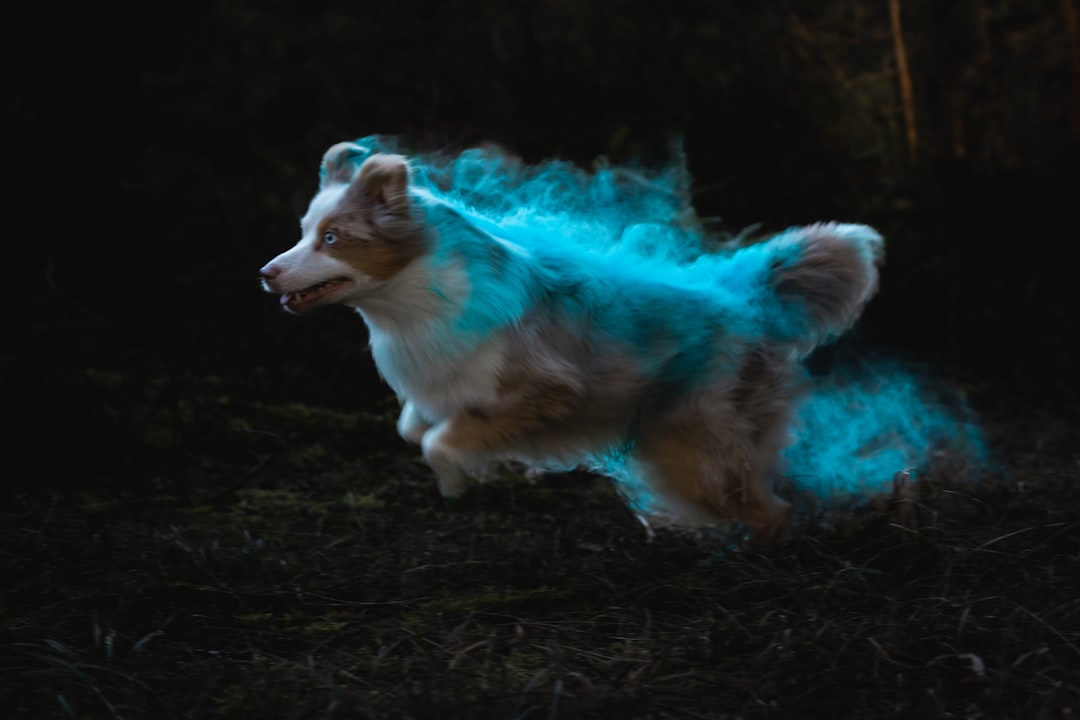
It’s not uncommon for dogs to have a sudden burst of energy before they pass away. Sudden Bursts of Energy: It’s not uncommon for dogs to have a sudden burst of energy before they pass away. This phenomenon, often called the “last bloom” or “rally,” can be confusing and misleading, giving pet owners false hope of recovery. Veterinarians and experienced pet owners recognize this phenomenon as a common end-of-life occurrence.
One of the most remarkable and emotionally complex occurrences is the “last rally” or “surge.” This is when a dog who has been very weak and lethargic suddenly experiences a brief period of renewed energy and alertness. They may suddenly get up, ask to go outside, show interest in food, or seek affection playfully. This surge can be misleading, giving families hope that their dog is recovering. However, veterinarians often note that this is frequently a final, loving gift, a last lucid moment to interact and create a positive final memory before the body finally shuts down.
Changes in Daily Routines and Appetite

A common sign that a dog is close to death is when they start refusing to eat or becoming fussy with certain foods. The dog who once raced to their food bowl with enthusiasm may now turn away from their favorite treats. One of the most noticeable signs your dog is reaching the end is a loss of interest in food and water. This can be due to discomfort or a lack of energy to eat and drink.
Sleep patterns often shift dramatically during this time. Dogs nearing the end of their life often become extremely lethargic. They may spend most of their time sleeping or lying down and show little interest in activities they once enjoyed. In their final days, dogs may sleep more than usual. This increase in sleep is their body’s way of preparing for the end. It’s a time for them to conserve energy and find peace. The dog park visits may become too exhausting, and even short walks around the block might seem overwhelming.
Subtle Physical Gestures of Love and Farewell
Nuzzling is a common way dogs show affection. When they nuzzle you more frequently, it could be their way of saying, “I love you, and I’m grateful.” This gentle gesture is a reminder of the bond you share. It’s a final act of love and a way for them to imprint their presence in your heart before they leave. These tender moments become increasingly precious as you recognize them for what they truly are.
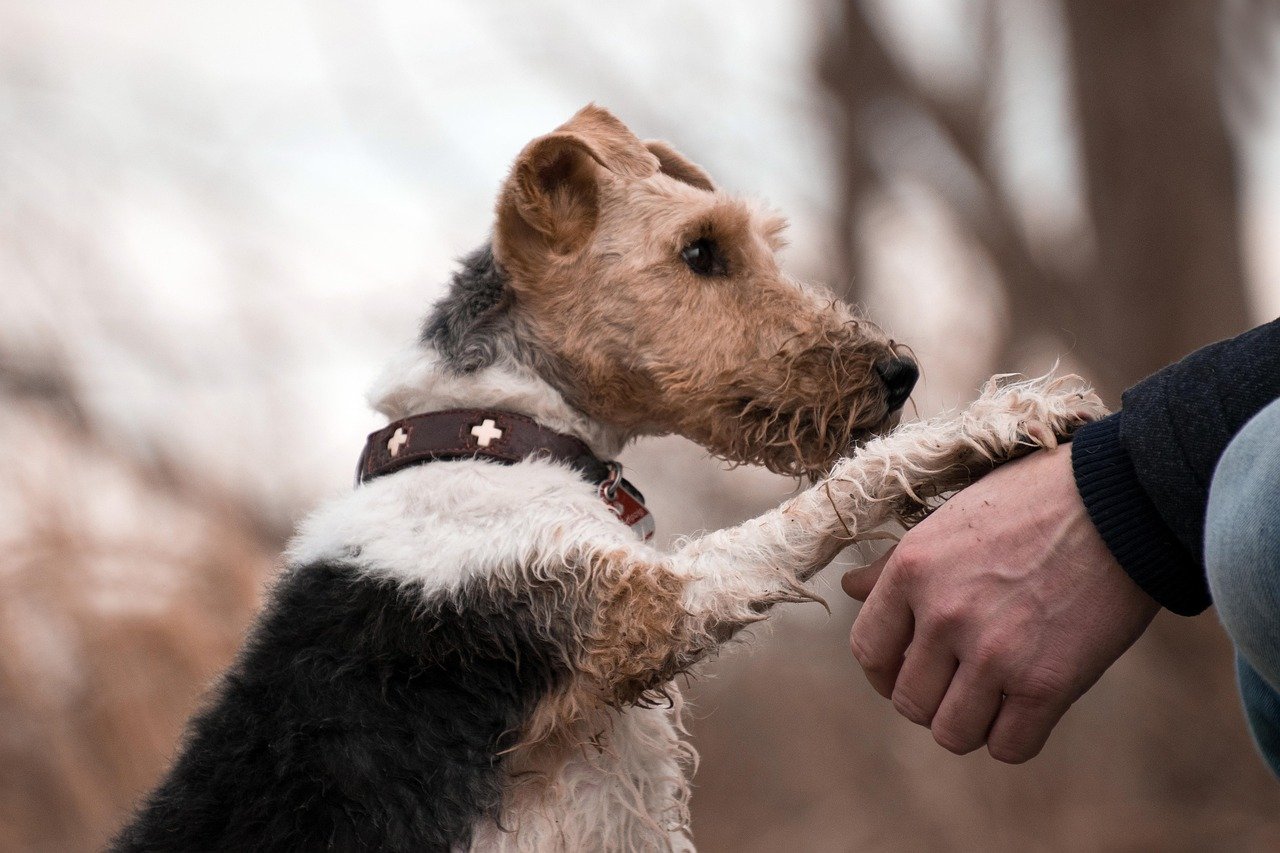
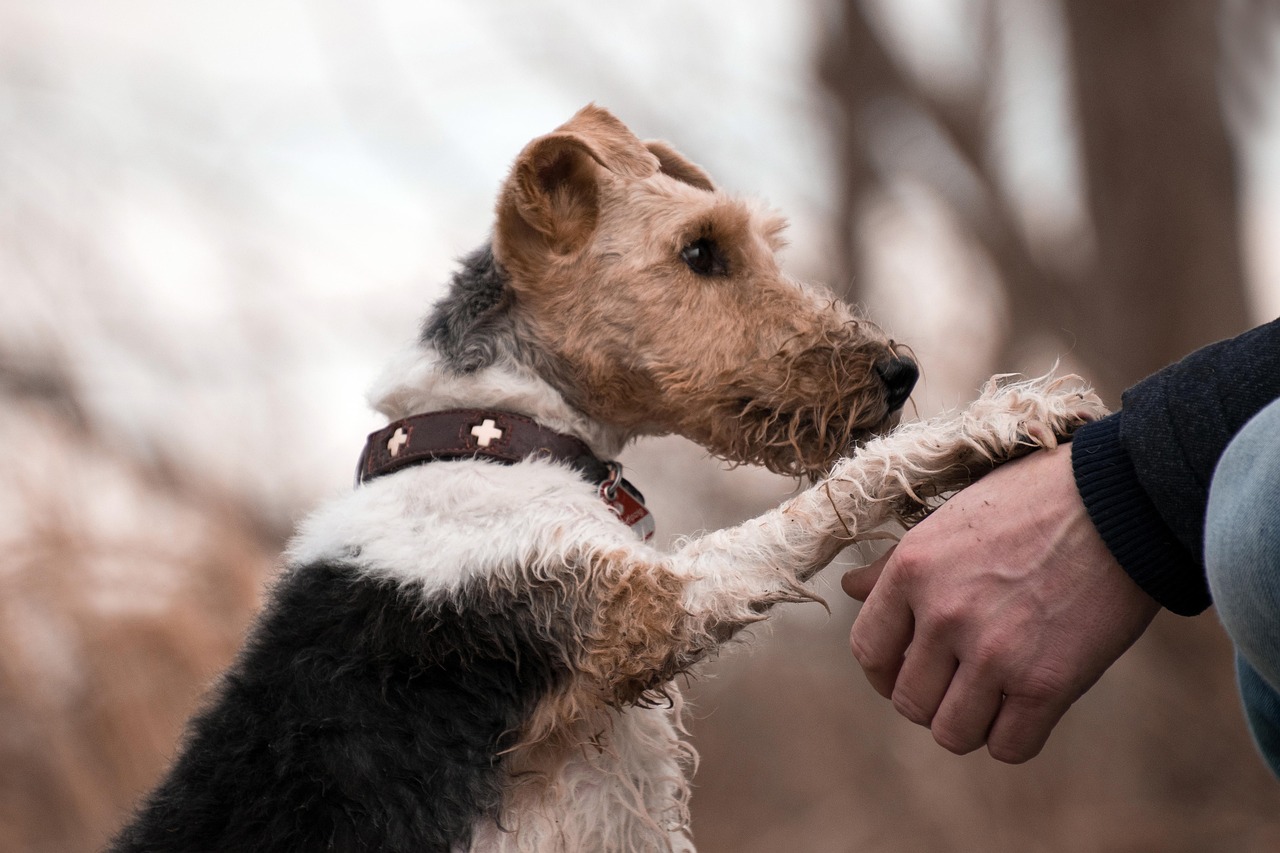
The simple gesture of a dog placing its paw on your hand can be incredibly moving. It’s a sign of trust and affection, a way for them to reach out and say, “I’m here, and I feel your love.” As they near their journey’s end, this gesture can become more frequent, as if they’re trying to comfort you in their final moments. Even in their weakness, they continue to offer you comfort, demonstrating the selfless love that has defined your relationship from the very beginning.
Conclusion
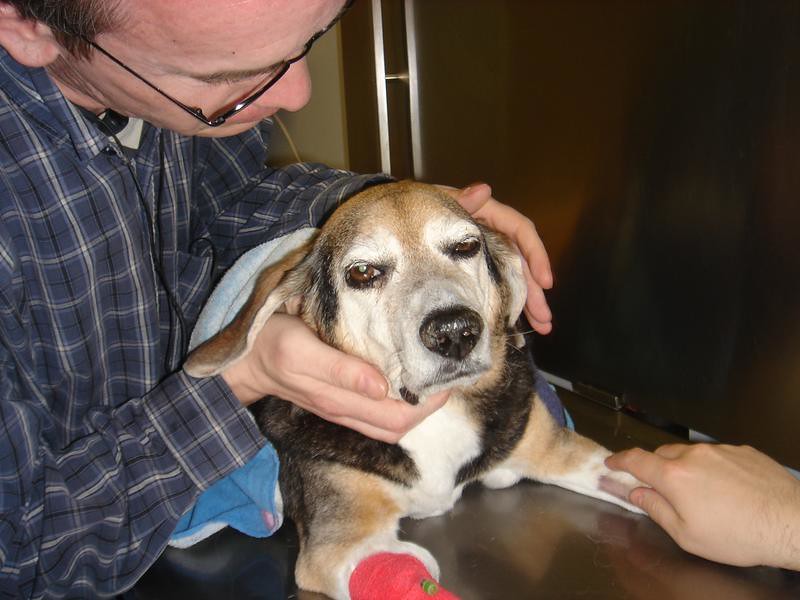
The question of whether dogs say goodbye may never have a definitive scientific answer, but for the countless owners who have witnessed these profound final acts, the evidence is written on their hearts. These behaviors like the seeking of solitude, the final burst of energy, the soulful gaze, form a legacy of love that outlasts a dog’s physical life. They teach us about loyalty, selflessness, and the purest form of connection. This final goodbye is not an end, but a transformation of the bond you built over a lifetime of walks, games, and quiet companionship. It becomes a part of your story, a testament to a love that is so powerful it strives to communicate itself even at the threshold of life.
Recognizing these gentle farewell gestures allows us to be present for our companions in their most vulnerable moments, offering the same unconditional love they’ve given us throughout their lives. Though saying goodbye is never easy, understanding these final communications helps us honor the incredible depth of connection we share with our four-legged family members until the very last moment.
What signs have you noticed in your own beloved companion? Tell us in the comments about those precious final moments that meant the world to both of you.


