
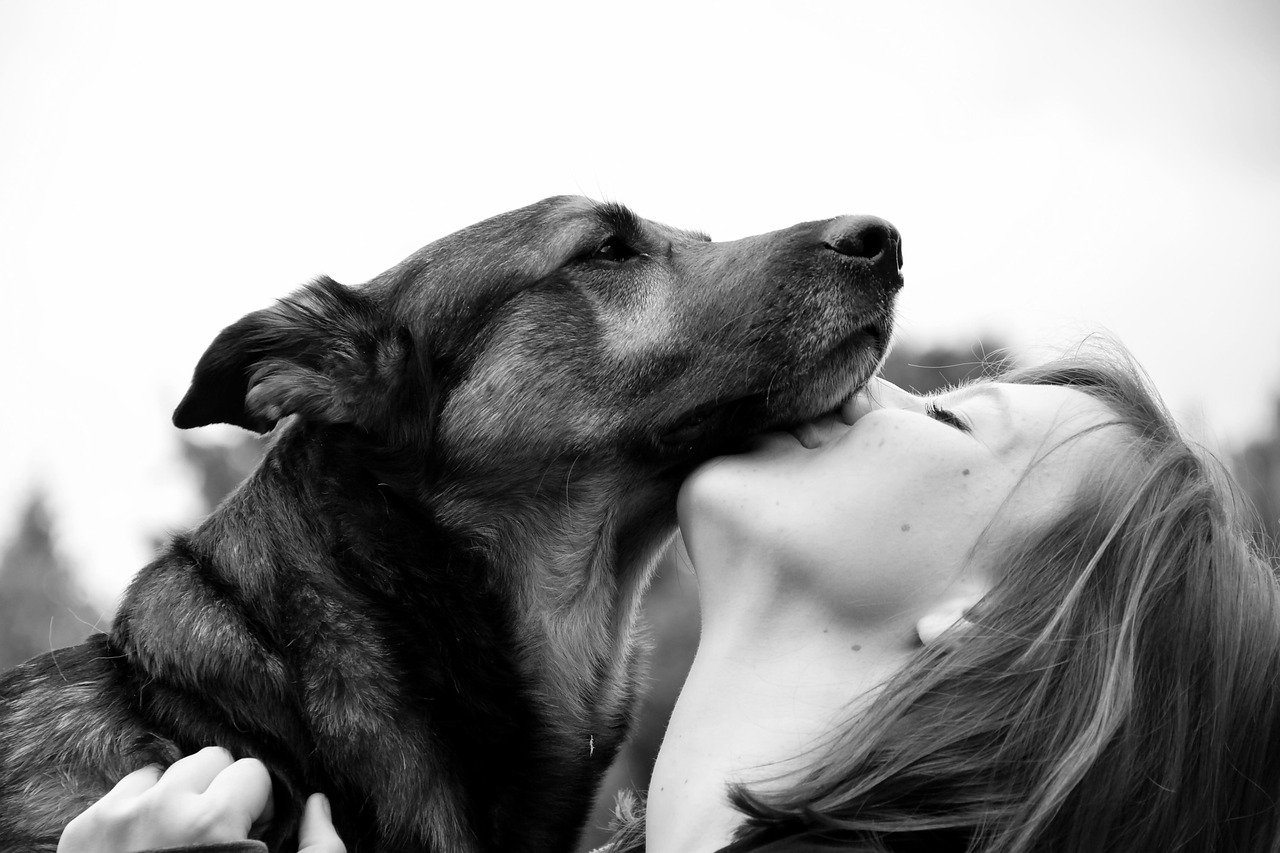
You’ve probably heard it—a soft, contented sigh from your dog as they settle beside you after a long day. It might seem like a simple sound, but to your pup, it speaks volumes. A dog’s sigh can be a window into their emotions, and more often than not, it’s a quiet declaration of peace, comfort, and trust. Get ready to discover the fascinating world behind your dog’s sighs and learn how those simple sounds tell a story of love, comfort, and companionship.
The Language of Sighs: More Than Just Breathing
Have you ever caught your dog letting out a deep, heartfelt sigh and wondered what’s really going on in their mind? That gentle exhale can feel so human, almost as if your furry friend is trying to share a secret or express a feeling you can’t quite put into words. For many dog lovers, these little sighs are more than just adorable moments—they’re glimpses into a deeper bond, a sign that your dog truly feels safe with you. The truth is, your dog’s sighs are far from meaningless; they’re powerful signals of trust, relaxation, and emotional connection.
A dog’s sigh is often overlooked, dismissed as just another sound in the background of daily life. But these sighs aren’t just random puffs of air; they’re purposeful, filled with meaning. When a dog sighs, it’s not just about catching a breath after a long day of play or a brisk walk. That slow, deliberate exhale is a form of nonverbal communication. Dogs use their bodies and voices to express feelings, and sighing is part of this silent language. It can mean contentment after a satisfying meal, disappointment when playtime ends, or simply a way to signal that all is well in their world. Paying attention to these sighs can open a window into your dog’s emotional life, helping you understand them on a whole new level.
Sighing as a Sign of Contentment

One of the most common reasons dogs sigh is pure contentment. Imagine your dog curled up beside you, eyes half-closed, letting out a soft sigh. It’s almost as if they’re saying, “I’m happy and safe here.” This relaxed sigh often happens when a dog feels completely at ease, surrounded by the people they love. You might notice it after a long walk, during a cozy nap, or when they finally settle in for the night. That gentle exhale is your dog’s way of letting go of the day’s excitement and settling into a calm, peaceful state. Recognizing this type of sigh can reassure you that your dog feels comfortable and secure in your presence.
Trust: The Foundation of the Sigh
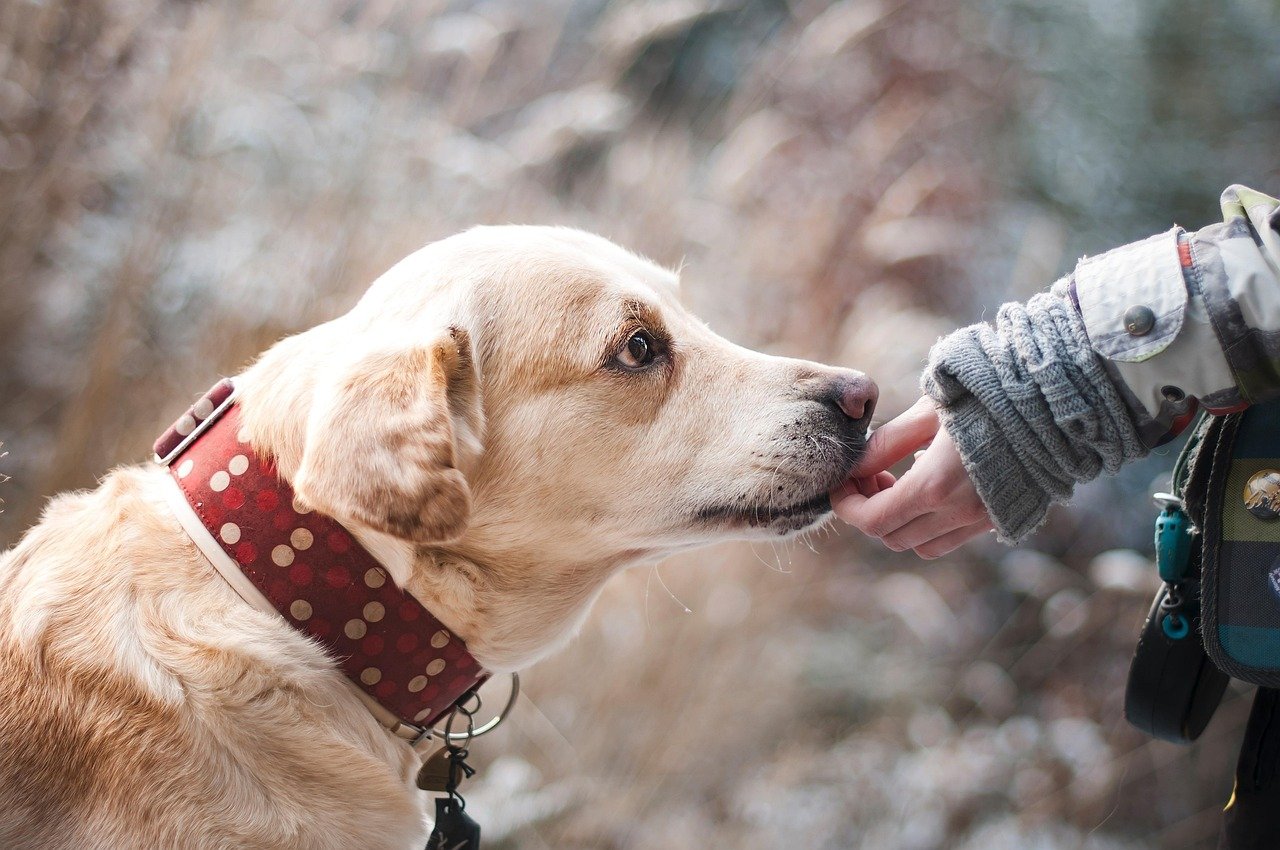
A sigh from your dog can be a powerful sign of trust. When a dog sighs in your company, it’s a sign they feel safe enough to let their guard down. Dogs are naturally alert creatures, always aware of their environment. If your dog is sighing while lying next to you, it means they trust you completely; you’re their safe space. This trust has likely been built over time, through gentle care, consistent routines, and loving attention. Each sigh is a silent thank you, a small but meaningful way your dog shows faith in your relationship. It’s a reminder that trust isn’t always shown through wagging tails or excited barks—sometimes, it’s in the quietest moments.
Sighs as Signals of Disappointment
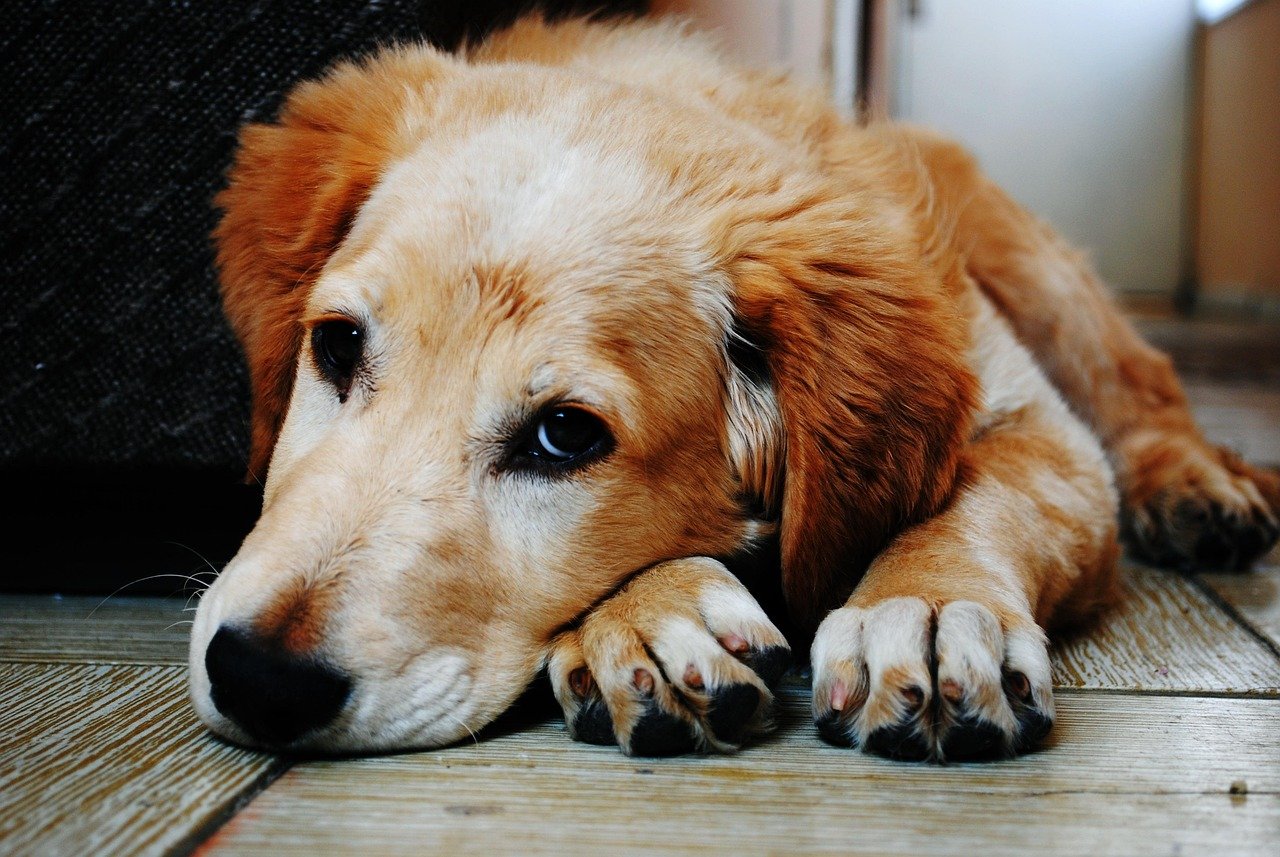
Not all sighs are created equal. Sometimes, a dog’s sigh can reflect disappointment or a gentle protest. Picture this: you promise a game of fetch, but get distracted by a phone call. When you turn back, your dog lets out a long, drawn-out sigh. This isn’t just a random noise—it’s your dog’s way of saying, “I was hoping for something more.” These sighs are subtle, but they show your dog’s emotional depth and ability to communicate their feelings. They demonstrate how closely dogs watch our actions and how much they care about our attention and promises.
Sighs That Signal Relaxation and Safety

When a dog feels truly safe, their body language changes. Their muscles relax, their breathing slows, and sometimes, a soft sigh escapes. These moments are precious because they show your dog feels protected, free from stress or worry. It’s as if the weight of the world lifts off their shoulders, and they can finally rest. You’ll often notice these sighs during quiet family time, after a familiar routine, or when your dog is snuggled in their favorite spot. This relaxed sigh is a badge of honor for pet owners—it means you’ve created a home where your dog feels completely secure.
The Emotional Wisdom of Dogs

Dogs are masters of reading emotions, both theirs and yours. Their sighs often reflect their emotional landscape, mirroring what’s happening around them. If you’re stressed or upset, your dog might sigh as a way to comfort you or share in your mood. On the other hand, when the house is filled with laughter and happiness, your dog’s sighs may be softer, more content. This emotional wisdom is what makes dogs such amazing companions. They sense our feelings and respond in their own quiet way, using sighs as a bridge between their world and ours.
How Sighs Strengthen the Human-Dog Bond
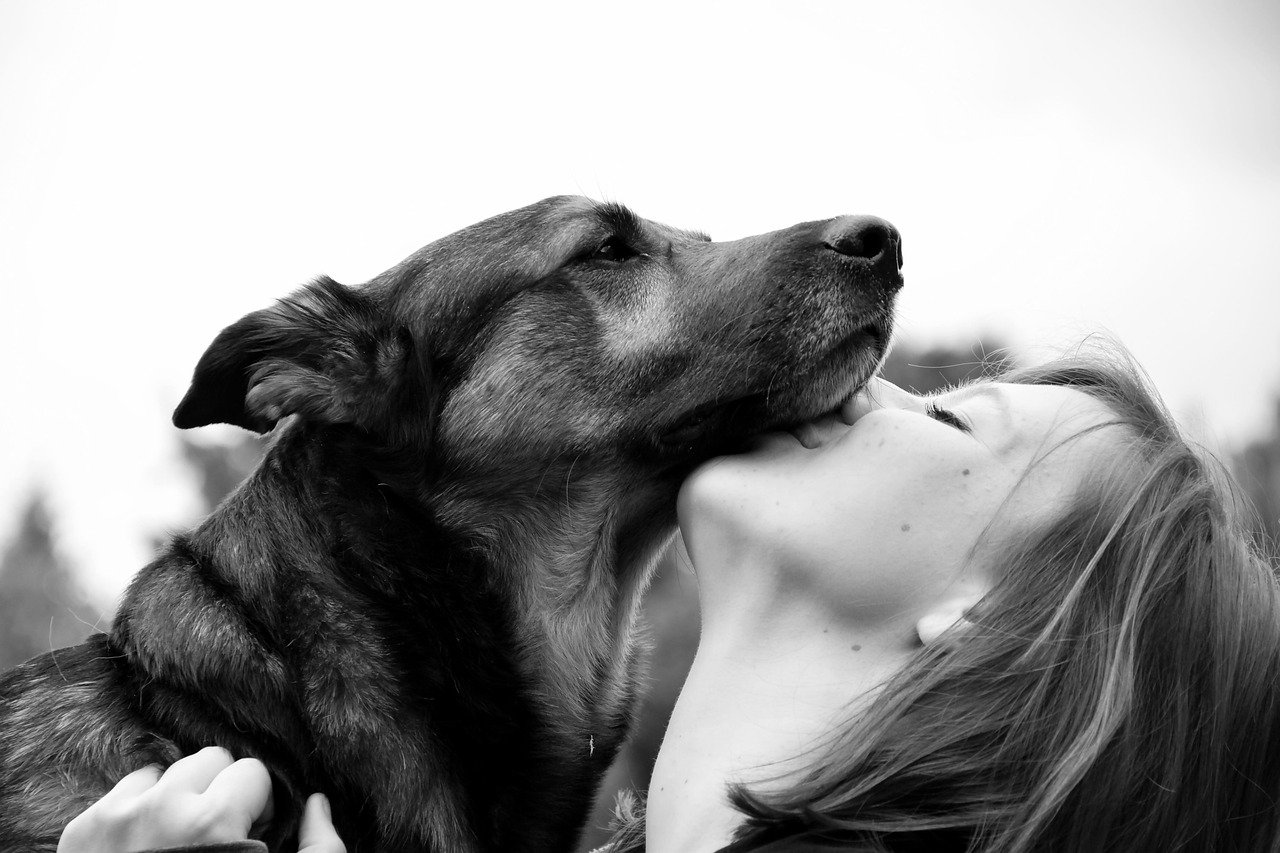
Those gentle sighs do more than just communicate feelings—they help build a stronger connection between you and your dog. Every sigh is a small act of vulnerability. By sighing in your presence, your dog is showing that they trust you with their feelings, whether it’s happiness, sadness, or simple relaxation. Over time, these moments add up, creating a deep sense of understanding and closeness. It’s a unique form of intimacy, a reminder that even without words, your dog can tell you how much they care.
The Role of Routine in Encouraging Sighs of Trust
Dogs thrive on routine, and predictability helps them feel secure. When your dog knows what to expect—meals at the same time, regular walks, and consistent affection—they’re more likely to relax and sigh contentedly. Routines create a sense of safety, allowing your dog to let their guard down and trust the world around them. If you notice your dog sighing after a favorite activity or during a peaceful moment, it’s a sign that your routine is working. Consistency is key to building trust, and those sighs are your dog’s way of saying, “I know I’m safe here.”
Sighs as Part of Your Dog’s Unique Personality
Every dog is different, and sighs can mean different things depending on your pet’s personality. Some dogs sigh frequently, while others reserve their sighs for special moments. A playful pup might sigh dramatically when playtime is over, while a more reserved dog might sigh quietly during a cuddle session. Paying attention to these patterns can help you understand your dog’s individual needs and quirks. It’s like learning a secret language, one that’s unique to your relationship. Over time, you’ll start to recognize the difference between a sigh of boredom, a sigh of love, and everything in between.
Listening to the Sigh: Tips for Dog Lovers
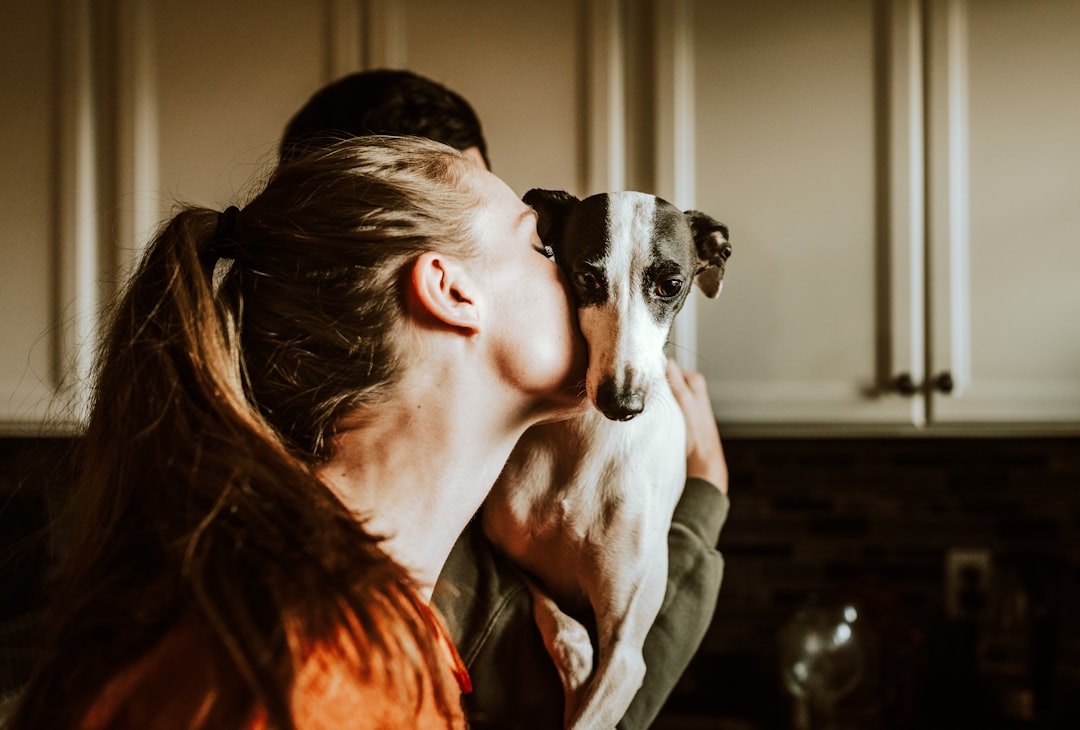
If you want to deepen your connection with your dog, start by listening to their sighs. Take note of when and where your dog sighs the most—is it after a walk, during a quiet evening, or when you’re busy with something else? These clues can help you understand your dog’s feelings and needs. Responding to their sighs with attention, affection, or a gentle word can strengthen your bond. Remember, your dog may not speak your language, but they’re always communicating. By listening to their sighs, you show your dog that you care about their inner world, building even more trust and love.
These gentle sighs are more than just background noise—they’re the heartbeat of a relationship built on trust, understanding, and unconditional love. Isn’t it amazing how much a simple sigh can say?


