
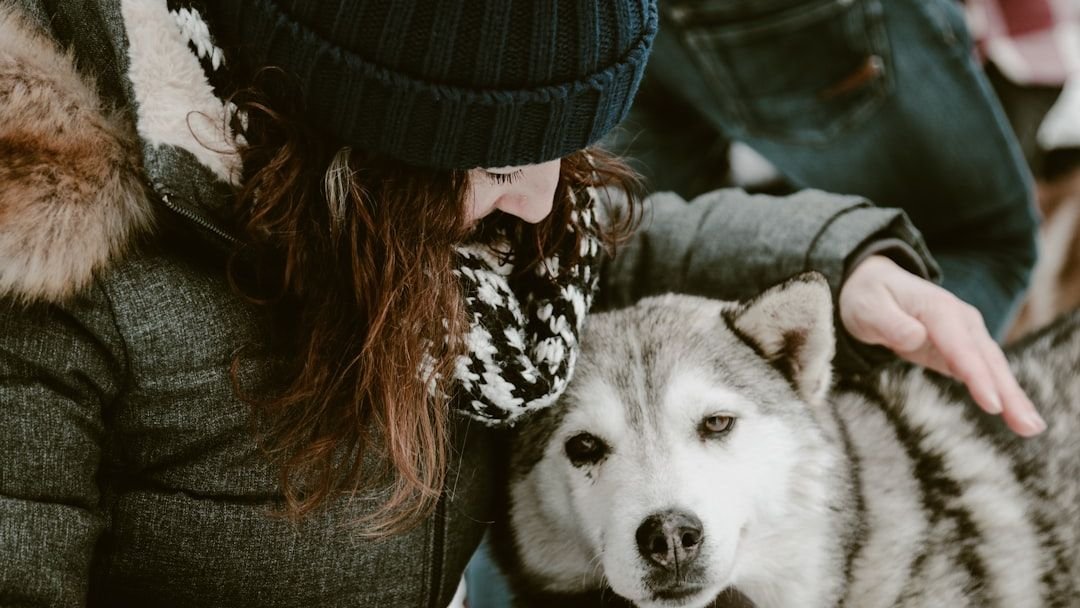
You’ve probably noticed it by now. That gentle nudge in the middle of the night, the warm paw resting on your leg, or the fuzzy body curled impossibly close to yours. Your dog doesn’t just sleep near you. They need to touch you, almost as if they’re making absolutely certain you haven’t vanished into thin air.
It’s one of the most endearing yet sometimes puzzling habits our canine companions have. Some of us adore it, feeling like we’ve been chosen by our best friend. Others might wonder if it’s a sign of something deeper going on, something we should pay attention to or maybe even address. Either way, when a dog requires physical contact to drift off peacefully, there’s always a story behind it.
Let’s dive into what your dog might really be trying to tell you when they refuse to sleep without touching you.
They’re Hardwired for Pack Life and You’re Their Family
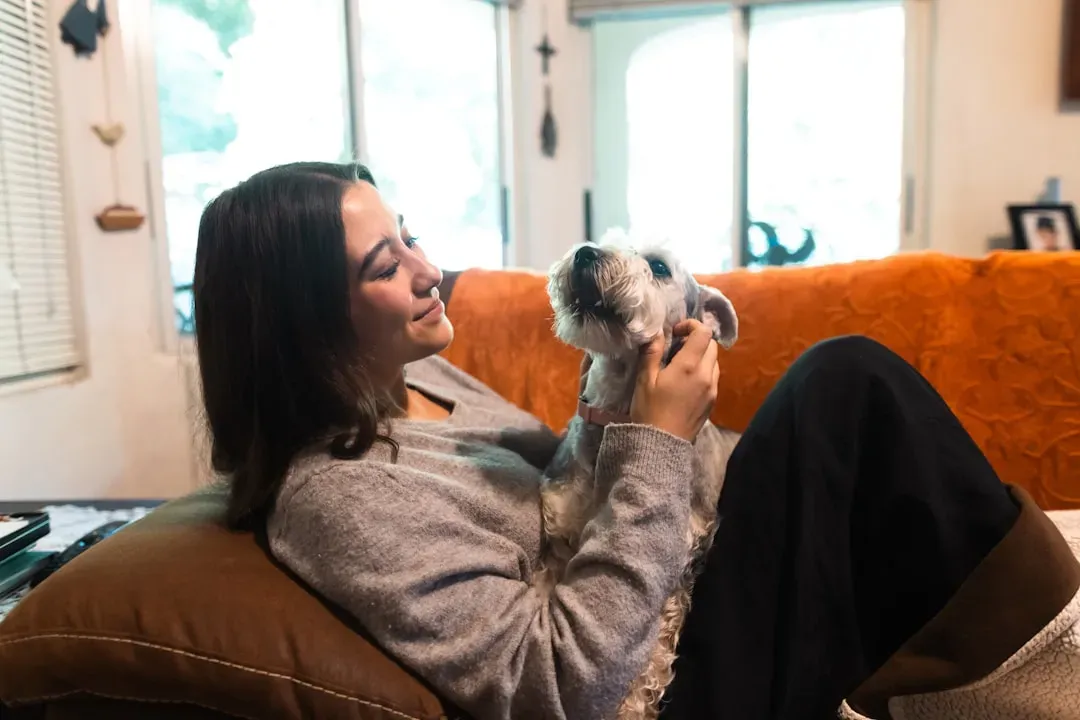
Dogs are instinctively pack animals, and in a pack, canines sleep touching one another for warmth. That behavior didn’t just disappear when dogs moved from dens to our living rooms. This desire to sleep with you is likely a natural instinct to stay close for safety and security, and as the head of the household, dogs feel the most secure in your presence.
Think about it like this: wolves huddle together at night not just because it feels cozy, but because survival depends on it. Cozying up in dens was a way to guarantee a certain level of protection, security, and warmth. Your dog sees you as part of their pack, their family unit. When they press against you at bedtime, they’re reinforcing that bond and seeking the reassurance that comes from being close to someone they trust completely.
This bond is instinctual, especially in young dogs or puppies who rely on their human for security, and they’re doubling down on that attachment when they curl up next to you. Some dogs take this a step further and position themselves strategically. Dogs with protective instincts tend to sleep facing the door or window to monitor surroundings while keeping a paw or resting their head on you.
Separation Anxiety Could Be Making Them Cling
Many pets suffer from separation anxiety from being away from pet owners, causing them to act out when left alone, and these pets have much stronger attachments to their parents and touch them while sleeping to ensure they don’t leave. This isn’t just about preference anymore. It’s about genuine distress.
Constant physical contact during sleep often indicates strong attachment, but it could also signal anxiety or insecurity. Dogs experiencing separation anxiety don’t just feel lonely when you’re gone. They panic. Separation anxiety is like a panic attack in a person and can damage the quality of life for both dog and human. At night, when everything goes quiet and they can’t see you moving around, that fear intensifies.
Some dogs who seek perpetual contact with their owners may be fearful, insecure or anxious dogs, and it’s worth paying extra attention to the dog’s body language and whether there is some exact stimulus or situation triggering this excessive need for proximity. Maybe your dog starts pacing before bed, whines when you move away, or shows signs of distress when you’re preparing to leave the room. These are all clues that anxiety, not just affection, might be driving their need for contact.
Your Emotional State Is Affecting Them More Than You Think
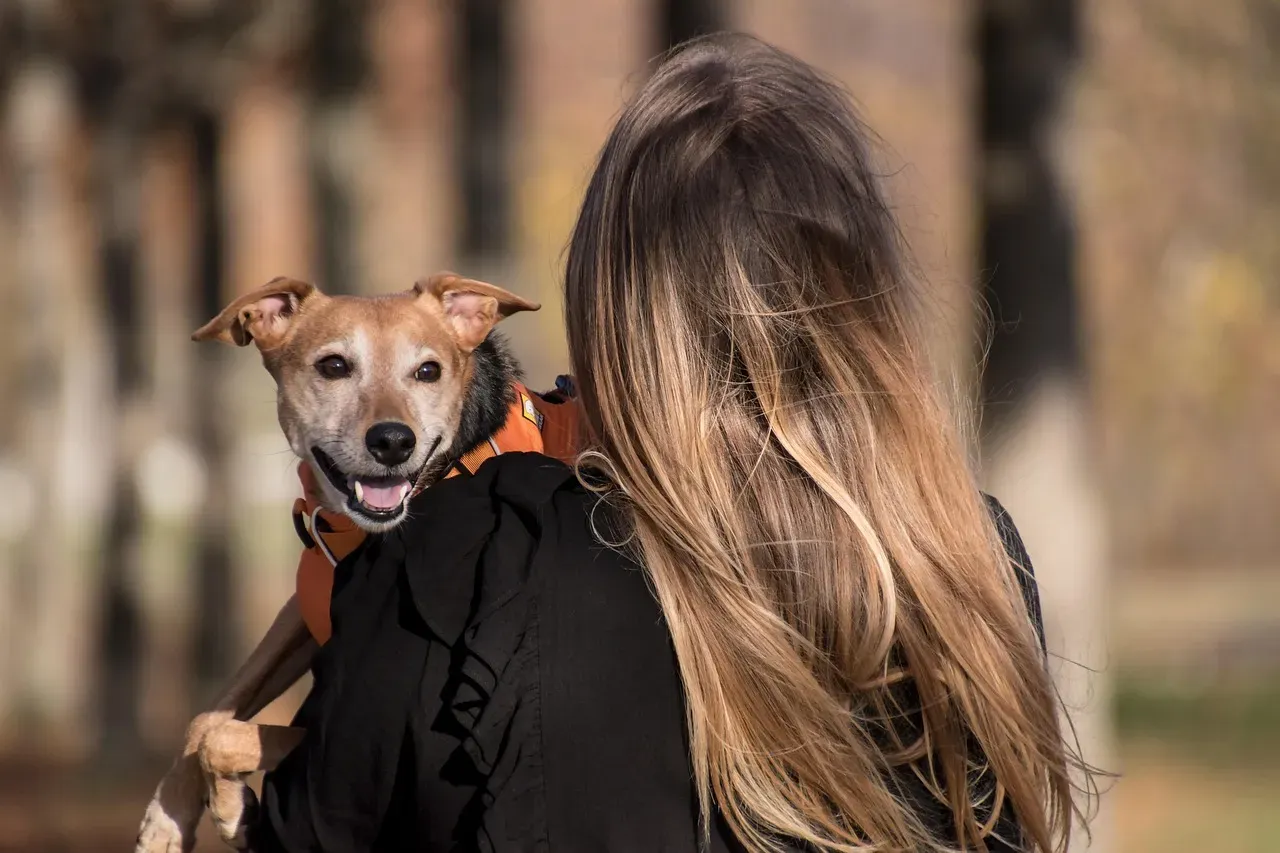
Dogs are incredibly intuitive creatures that can sense their owner’s emotional state, and if you’ve been experiencing stress, anxiety, or even physical illness, your dog may sleep closer to provide comfort and support. Honestly, it’s kind of amazing how attuned they are to us.
Your dog might suddenly start sleeping with you when they sense you are ill or if they are feeling under the weather, and one of you is in need, so your dog takes it upon themselves to seek or provide comfort and safety by climbing into bed with you. They’re not being needy in a selfish way. They’re responding to what they perceive as a shift in the emotional atmosphere of your home.
I’ve seen this firsthand with friends whose dogs became absolute Velcro pets during difficult life transitions. Breakups, job loss, grief, even just a particularly stressful work period. The dog knew something was off and responded by sticking even closer at night. Some dogs that are very tuned into their owners’ emotions may also rush to lay down on them if they sense feelings of sadness.
Deep Attachment Is Being Reflected in Their Sleep Patterns

Dogs’ attachment towards their owner is associated to dogs’ sleep structure as well as to their brain activity during sleep, and when dogs sleep in a novel environment in the presence of their owners, differences in their attachment bond are reflected in their sleep EEG characteristics. This is where science gets really interesting.
Recent research shows that the strength of a dog’s attachment to you literally changes how they sleep. Dogs manifest different sleep patterns when sleeping in the presence versus in the absence of their owners, with sleeping together with the owner in an unfamiliar environment resulting in dogs’ shortened sleep onset time, increased sleep efficiency, and specifically spending more time in deep sleep.
What does that mean for you? Your dog doesn’t just want to sleep near you. They actually sleep better, more deeply, and more peacefully when they can feel you there. Higher attachment scores were associated with more time spent in NREM sleep, lower NREM alpha power activity and lower NREM alpha–delta anticorrelation. Physical contact during sleep is their way of maintaining that secure attachment, and it genuinely improves their rest.
They’re Seeking Warmth, Comfort, and a Feeling of Safety
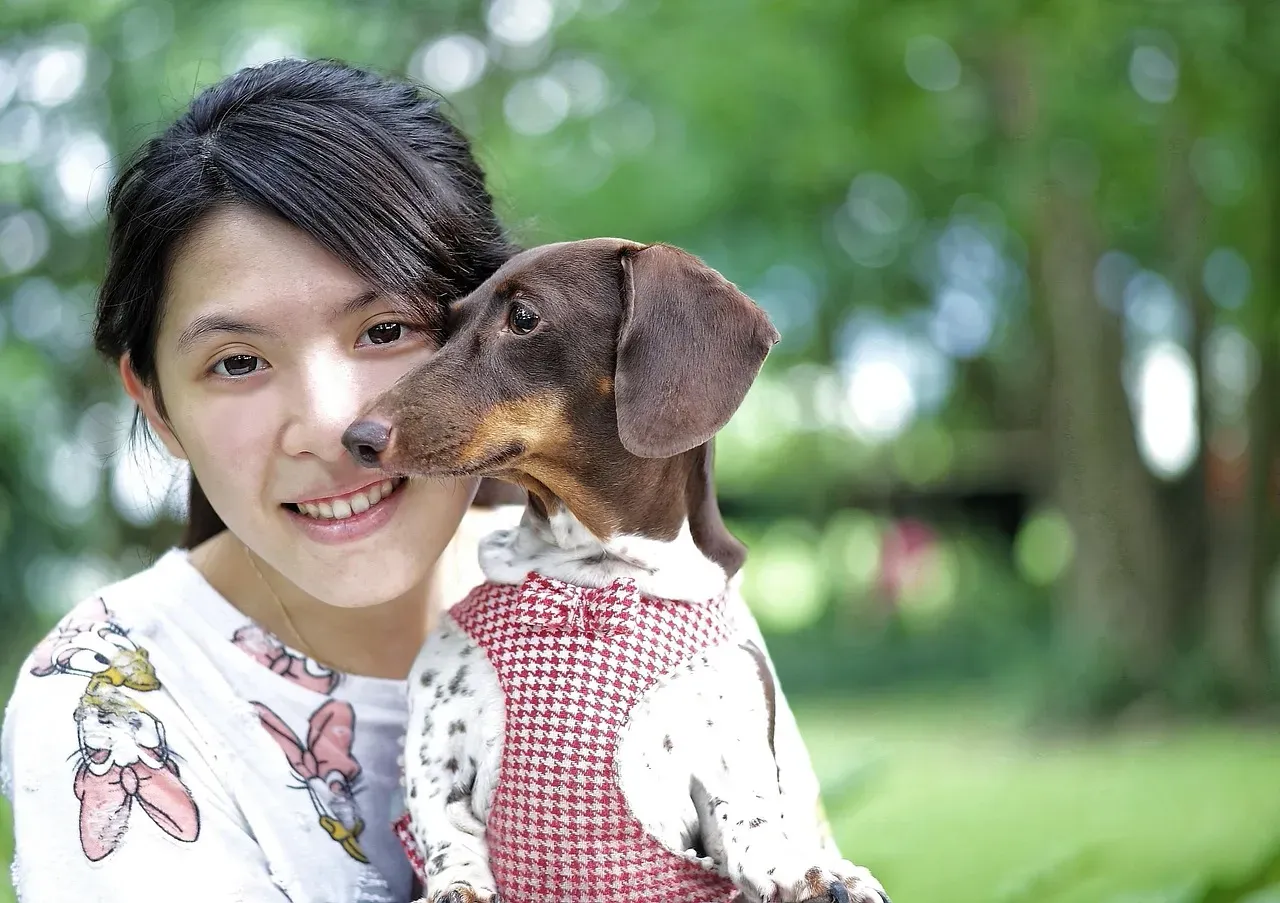
Let’s be real: sometimes the simplest explanation is the right one. Your body produces heat, and dogs, particularly short-haired, low-bodies, or small-bodies, will look for warm places to sleep, and if your dog likes to sleep on top of you more in cold weather or after a bath, it may be simply practical: you’re the warmest place in the room.
When your dog curls up against you, it’s not just because they love your company, though they totally do; it’s also about feeling safe and secure, and dogs sleep close to their pack members for protection, and your pet still has that same instinct. Your bed isn’t just comfortable. It’s a fortress. It smells like you, feels familiar, and represents the safest spot in their entire world.
The enclosed feeling satisfies your dog’s instinctual need for a secure retreat space, and unlike open sleeping areas that can feel vulnerable, this position provides containment that helps dogs achieve deeper, more restorative sleep cycles. When they wedge themselves between your legs or press their back against yours, they’re creating that den-like environment that their ancestors relied on for survival.
Conclusion
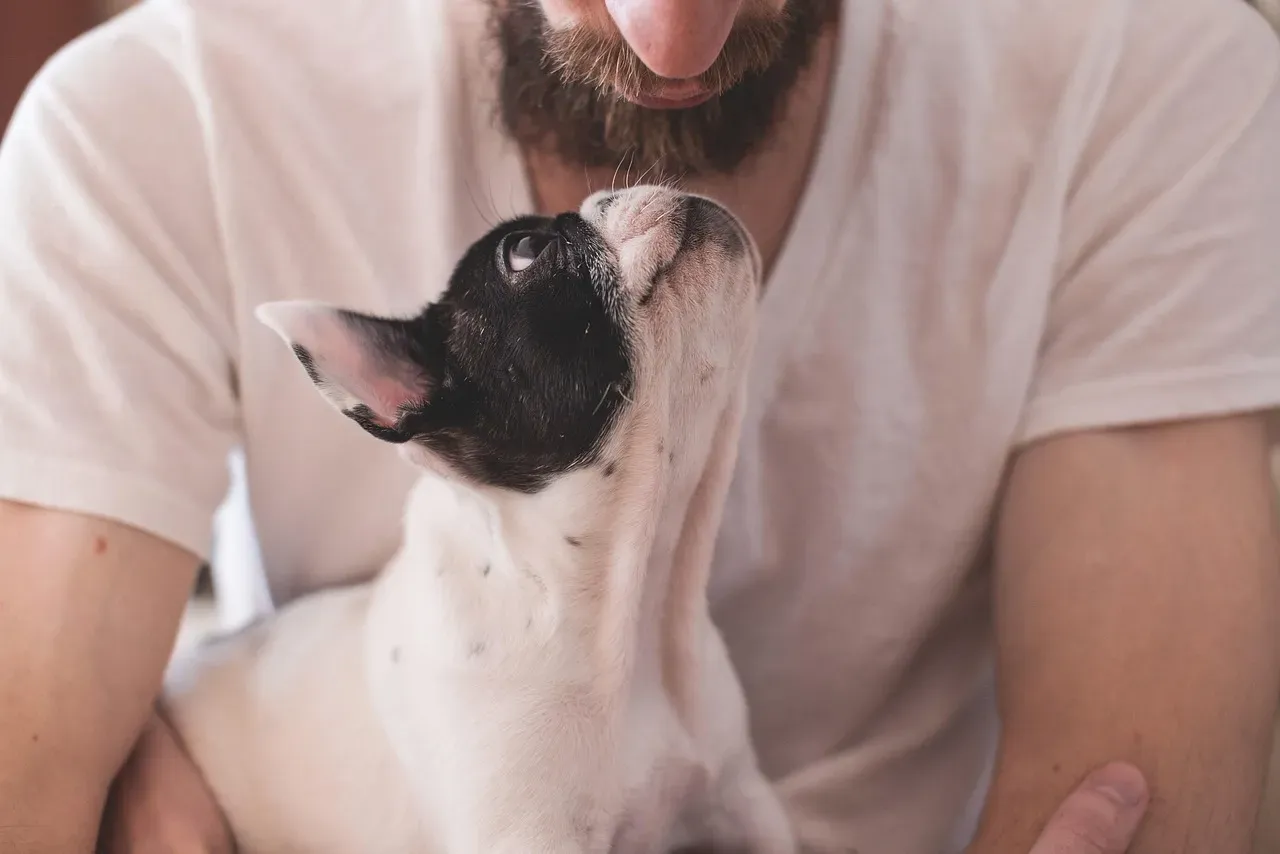
If your dog needs constant contact to sleep, it’s rarely just one thing driving that behavior. It’s a beautiful, complex mix of instinct, emotion, attachment, and practicality all wrapped up in one furry package. Most of the time, it’s completely normal and even beneficial for both of you.
That said, if you notice sudden changes in this behavior, or if it’s paired with destructive actions, excessive vocalization, or signs of distress when you’re apart during the day, it’s worth checking in with your vet or a certified animal behaviorist. Sometimes what looks like sweet clinginess can actually be a sign that your dog needs a bit of extra support managing their anxiety.
Otherwise, embrace those nighttime cuddles. Your dog isn’t just seeking warmth or comfort. They’re telling you, in the only way they know how, that you are their safe place, their pack, their whole world. What do you think, does your dog do this too? We’d love to hear your stories.


