
Picture this: you walk into your bedroom after a long day, and there it is. Your favorite sweater. With a poop surprise on top. Your stomach drops, frustration rises, and you’re about to call your dog’s name in that tone we all know too well. Wait. Before you do, take a breath. There’s more happening here than you might think.
Dogs might defecate on your clothes as a way to mix their scent with yours to establish a combined territory, and this behavior is more common in unneutered males but can happen in any dog. It’s not revenge. It’s not spite. Honestly, it’s communication. Your dog is trying to tell you something important, and understanding why this happens can change everything about how you respond. Let’s explore the big reasons behind this messy behavior and what you can do to help your furry friend.
Your Scent Is Their Comfort Zone
Here’s the thing about dogs: they live in a world ruled by scent. While we rely on our eyes, they navigate life through their noses. The scent of your clothes, rich with your aroma, acts like a beacon that signals safety and familiarity to your dog. When they’re feeling anxious or unsure, your clothing becomes a source of deep comfort.
Urinating or defecating on the owner’s clothes provides a source of comfort and familiarity for anxious dogs, as the scent of their owner can help alleviate stress and anxiety. Think of it like a security blanket for a child. Your dog isn’t trying to ruin your stuff; they’re desperately seeking reassurance in the one thing that smells most like you. This is especially true for dogs who struggle when you’re away.
Separation Anxiety Could Be the Culprit
Urinating and defecating in the house is a common symptom of separation anxiety, as anxious dogs often work themselves up to the point that they pee or poop in the house, even if they are housebroken. It’s hard to watch, I know. Your dog knows the rules, yet accidents keep happening when you leave.
Separation anxiety can cause dogs to exhibit destructive behaviors, including urinating in inappropriate places as a response to being left alone, and the scent of their owner can help alleviate stress and anxiety. When a dog feels that level of panic, bodily control takes a backseat to overwhelming emotion. They’re not being spiteful. They’re scared, and their body reacts accordingly.
Territory Marking Through Feces Is Real
We often think of urine marking, but feces? Yes. Marking with urine is most common, but some dogs mark by defecating a small amount of feces. It’s less common than urine, sure, but it happens. Dogs communicate through scent in ways we barely comprehend.
Marking can be triggered by anxiety or frustration related to social or environmental changes, such as a new dog in the neighborhood, a new person in the home, or even changes in the relationship with another dog or person within the home. Maybe you brought home a new partner, adopted another pet, or even rearranged furniture. To your dog, these shifts feel significant. Pooping on your clothes might be their way of saying, “This is ours, and I need to reinforce that bond.”
Medical Issues You Shouldn’t Ignore
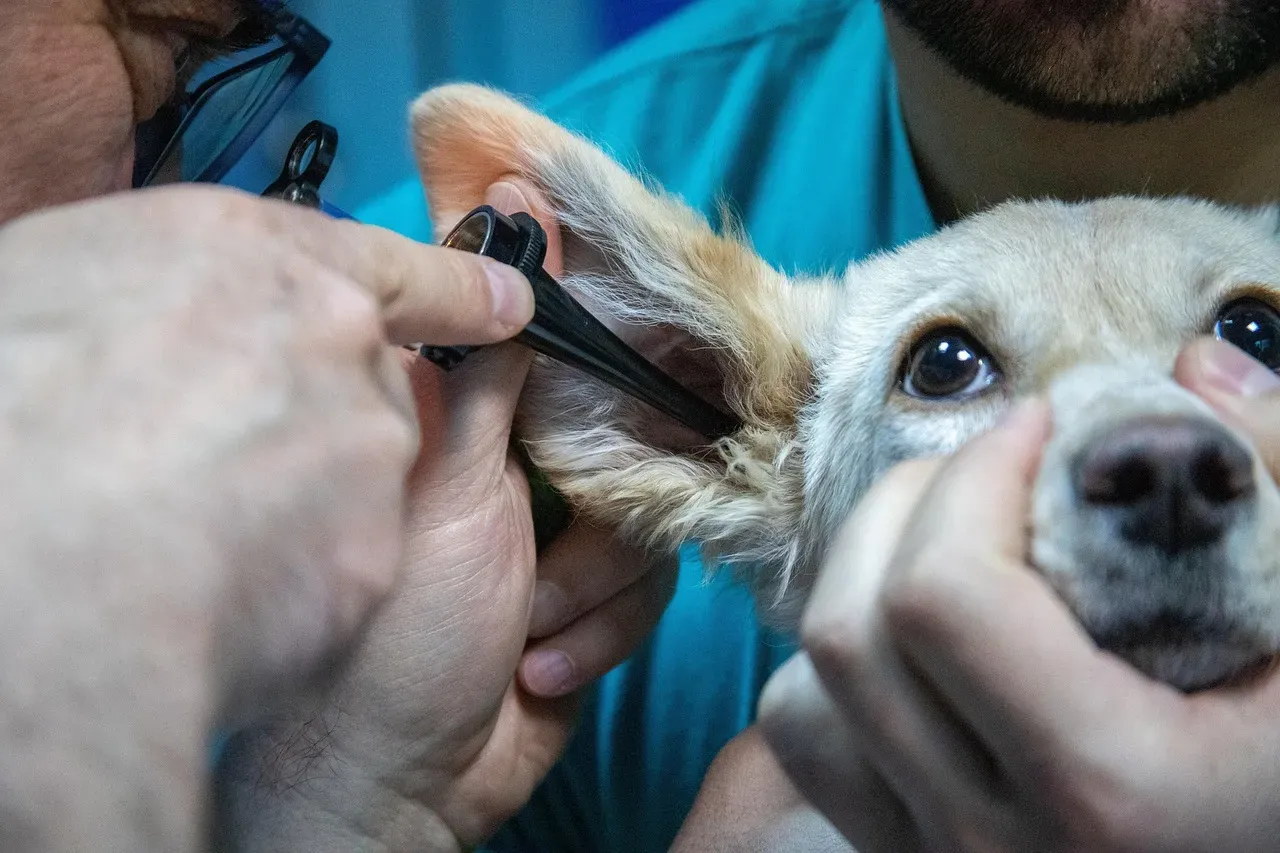
Sometimes the reason isn’t emotional at all. Medical issues, such as urinary tract infections or bladder stones, can contribute to inappropriate urination behaviors in dogs, and if your dog suddenly starts urinating on your clothes or other unusual places, it’s essential to rule out any underlying medical conditions by consulting with your veterinarian. The same goes for defecation issues.
There are two broad causes of fecal incontinence: reservoir incontinence and sphincter incontinence, where intestinal disease interferes with the rectum’s ability to store normal volumes of feces. Your dog might genuinely be unable to control their bowel movements due to a physical problem. Age, injury, digestive disorders, or even parasites could be at play. A vet visit is crucial to rule these out before assuming it’s purely behavioral.
How to Respond With Compassion and Strategy
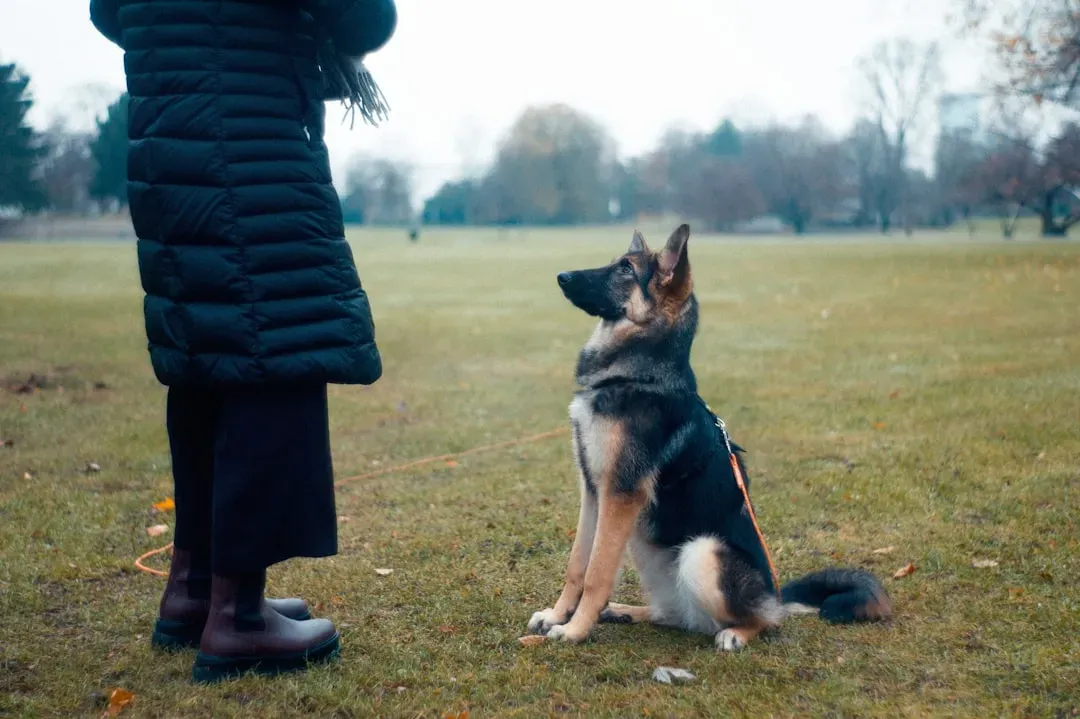
Let’s be real: finding poop on your clothes is gross and frustrating. Your reaction matters, though. Never punish or scold your dog for the behaviors they do when they’re alone, as they are doing those behaviors out of fear and anxiety, and punishment can actually make those behaviors worse rather than addressing the emotional distress. Yelling won’t teach them anything except to fear you.
To stop your dog from pooping on your laundry, it’s essential to address the underlying issues such as anxiety or behavioral problems, keep laundry out of their reach, maintain a consistent potty training schedule, and reward your dog for using appropriate toileting spots. Simple changes like using a hamper with a lid or closing the bedroom door can prevent access. Reinforce positive outdoor bathroom habits with treats and praise. Address their anxiety with patience, routine, and maybe even calming aids like anxiety wraps or pheromone diffusers.
Building Trust Takes Time and Patience
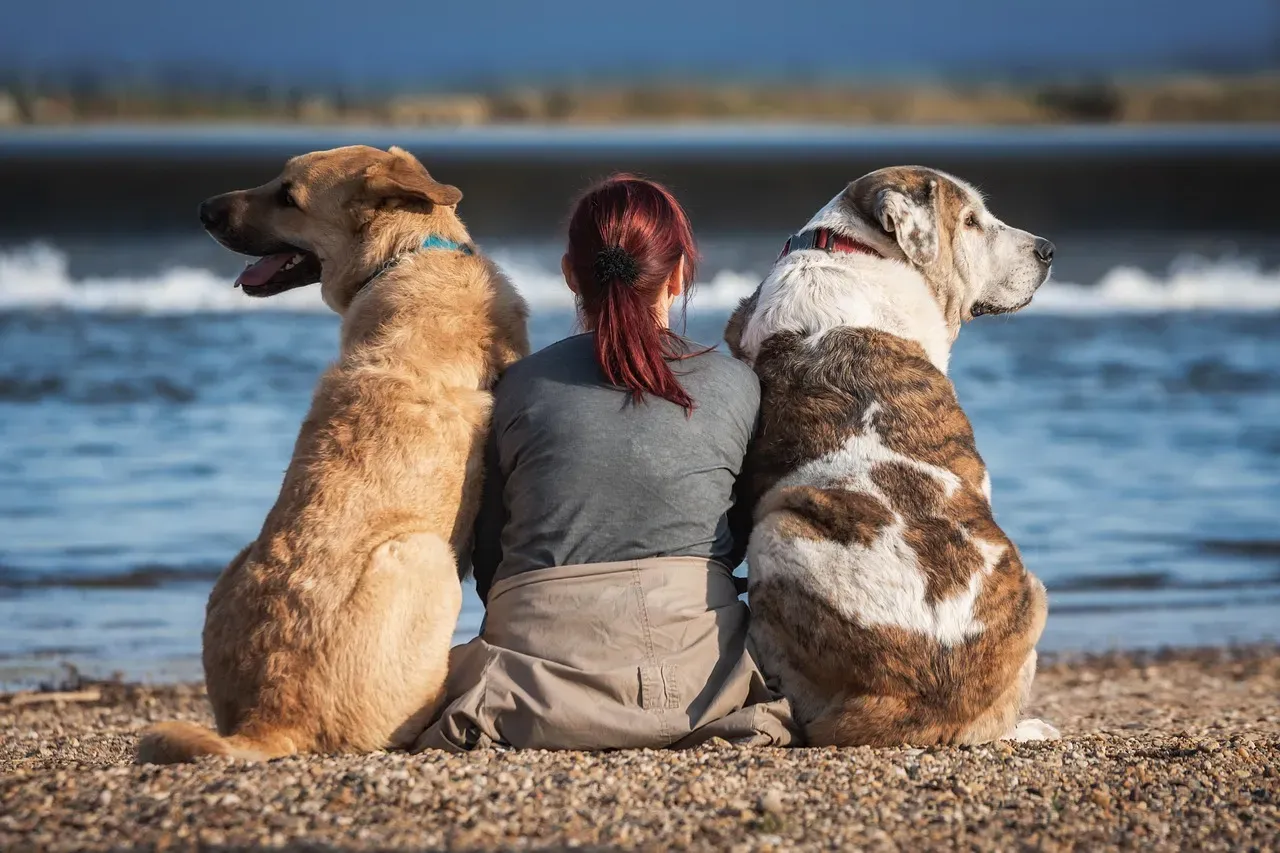
I think we forget sometimes that our dogs don’t process the world like we do. They don’t understand why we’re upset about a pile on our shirt. What they do understand is connection, routine, and your emotional energy. If your dog is acting out through elimination, they need your help, not your anger.
Work with a veterinarian or a certified dog behaviorist if the issue persists. Consider gradual desensitization if separation anxiety is the root cause. Provide mental stimulation, exercise, and a predictable schedule. Most importantly, remember that behavioral changes don’t happen overnight. Your dog is doing the best they can with the tools they have. It’s our job to help them find better ones.
Conclusion
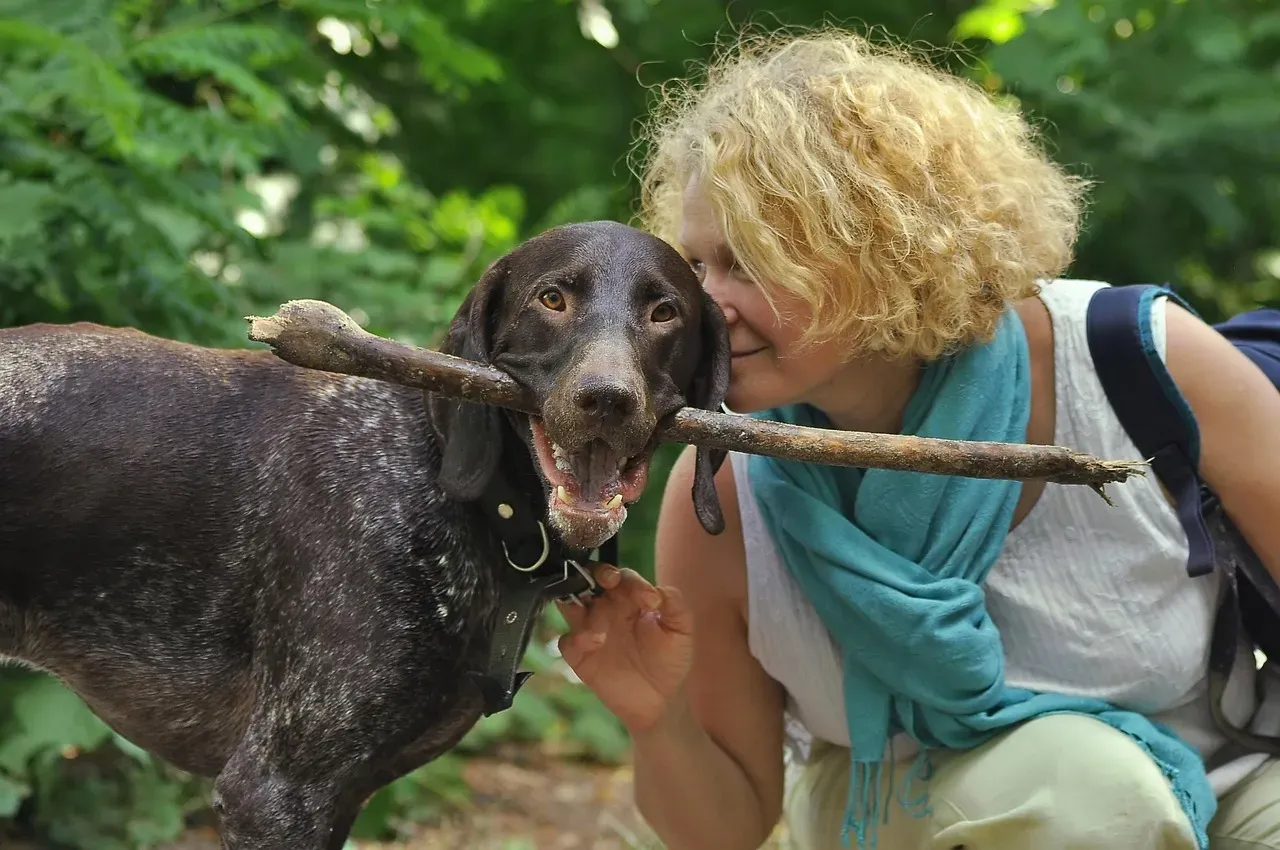
When your dog poops on your clothes, it’s easy to see only the mess. Look deeper, though, and you’ll find a message wrapped in instinct, emotion, and sometimes even a medical need. Whether it’s anxiety, territorial behavior, or a health issue, your dog isn’t trying to upset you. They’re trying to cope with something they can’t put into words.
Responding with understanding rather than frustration strengthens your bond and helps your dog feel safer. What’s your experience been with unexpected bathroom accidents? Have you discovered the reason behind your dog’s behavior?


