
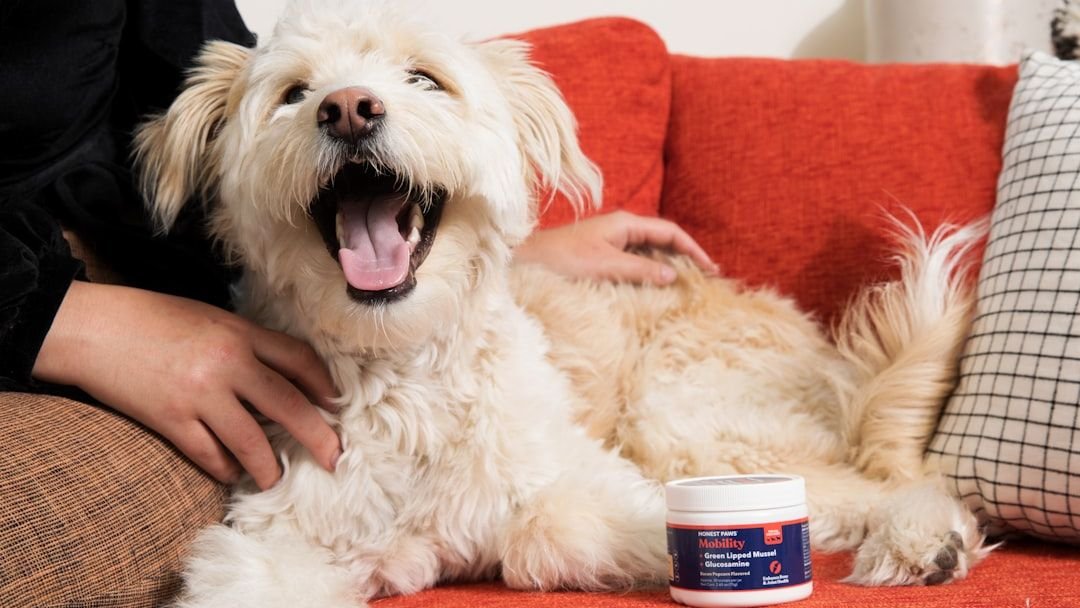
You know that moment when your heart just sinks? When something feels off with your pup, even if you can’t quite put your finger on it? Maybe your furry friend who used to leap onto the couch like an Olympic athlete now just stands there, staring up at you with those pleading eyes. Perhaps they hesitate at the bottom of the bed, shifting their weight from paw to paw, clearly wanting to join you but holding back.
Here’s the thing: that hesitation is actually your dog trying to tell you something important. Dogs are masters at hiding discomfort, hardwired from their wild ancestors to mask weakness. So when they start showing obvious changes in their jumping behavior, trust me, something’s already been bothering them for a while. This isn’t about being dramatic or overreacting. A sudden reluctance to jump up is usually caused by some sort of pain, and honestly, I think it’s one of the most overlooked warning signs dog parents miss.
Let’s dive into why this behavior change matters so much and what it could mean for your best friend.
The Hidden Pain Behind The Hesitation

Dogs are pretty good at hiding pain, but if your dog can’t jump on the bed suddenly, this may be an early indicator of spinal pain. Think about it from their perspective for a second. Jumping requires explosive power from their hind legs, flexibility in their spine, and confidence that their body will respond the way they expect it to.
When any part of that system breaks down, whether it’s aching joints or a pinched nerve, your dog’s brain basically hits the brakes. A dog hesitating to jump may indicate muscle soreness, joint discomfort, or early arthritis. They’re not being stubborn or lazy. They’re protecting themselves from pain they know is coming.
What makes this tricky is that many dogs will still walk normally. You might think, “Well, she’s getting around fine, so it can’t be that serious.” Yet walking on flat ground and launching your entire body weight upward are completely different physical demands.
Spinal Issues Are More Common Than You’d Think
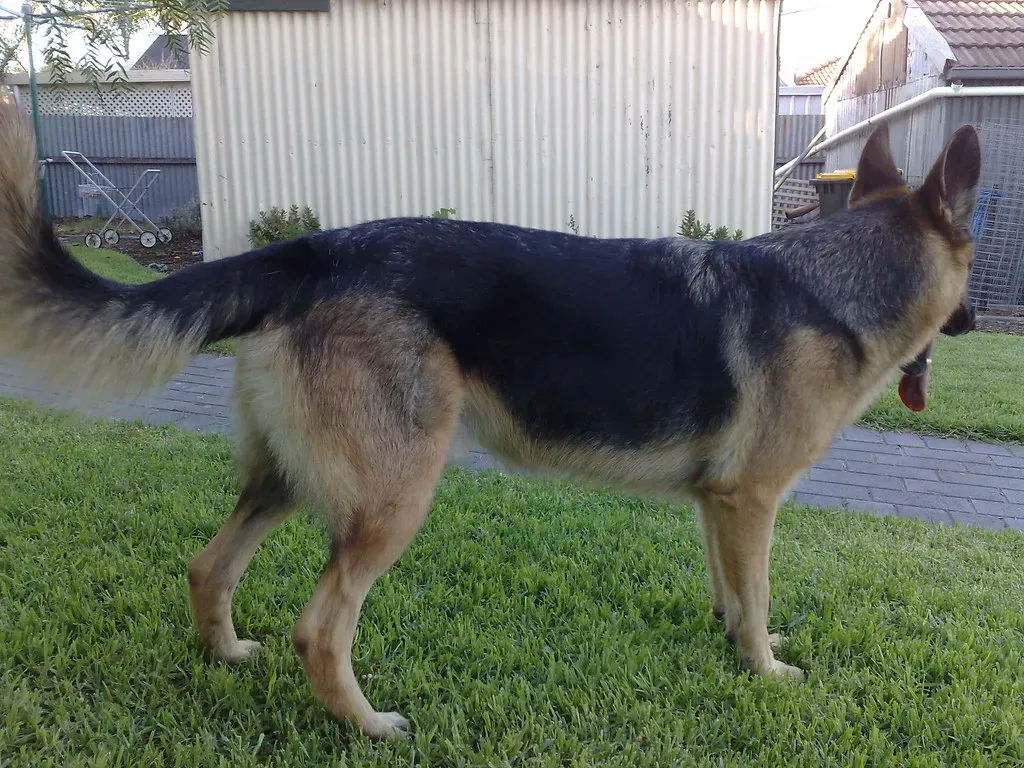
Let’s talk about something that scares a lot of dog owners but needs to be understood: spinal problems. The most common cause of spinal pain in dogs is intervertebral disc disease (IVDD). Imagine the cushions between your dog’s vertebrae as little jelly donuts. Over time, or sometimes suddenly, these can bulge or rupture, putting pressure on the spinal cord.
Jumping on and off furniture can be a cause of spinal disc injuries in predisposed dogs, and it can certainly exacerbate spinal disc degeneration in older dogs. I know that’s hard to hear if your pup has always been a furniture enthusiast. The painful reality is that breeds like Dachshunds, Shih Tzus, and French Bulldogs are particularly vulnerable because of their body structure.
Symptoms of spinal injury, spinal cord disorders, or other disc disease can include pain, difficulty moving, changes in their gait, reluctance to jump or climb, and in more severe cases, paralysis. That last word is terrifying, right? Yet catching these signs early can make all the difference in outcomes.
Arthritis Doesn’t Just Happen To Senior Dogs
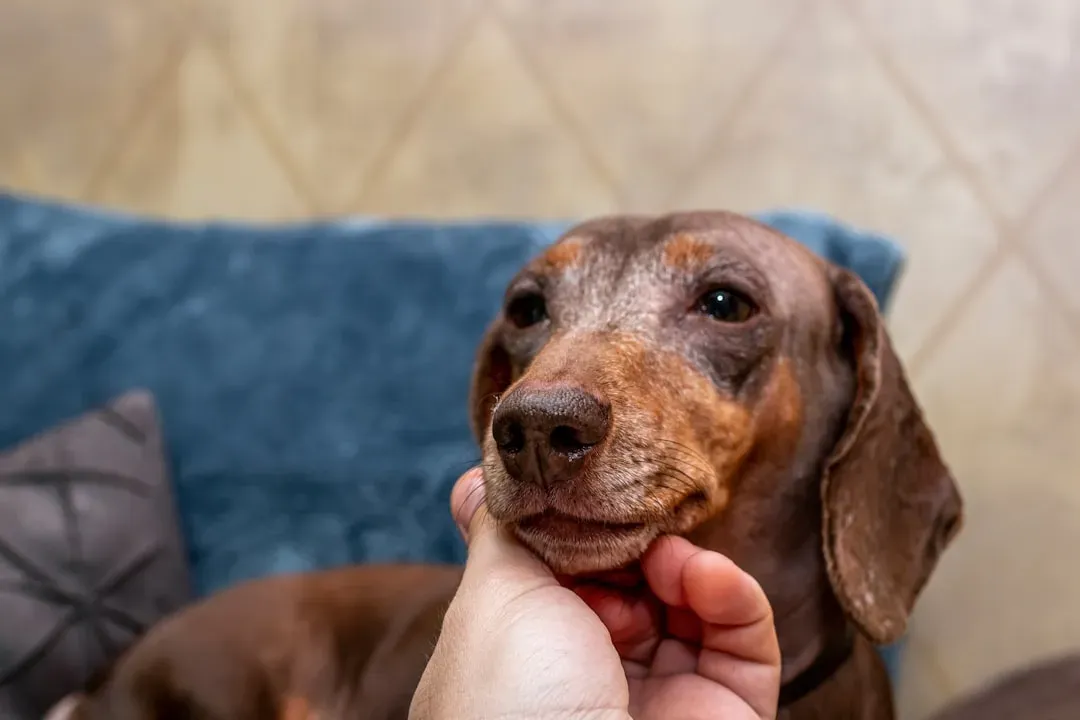
Here’s something that surprises many dog parents: Arthritis is one of the most common causes of chronic pain in dogs, affecting 80% of dogs over the age of 8 years old, and up to 35% of dogs of all ages. Yes, you read that correctly. Dogs of all ages can develop arthritis. Your bouncy three year old isn’t necessarily immune.
If your four-legged friend is getting up there in age, they are more prone to painful conditions that impact their mobility, like arthritis. The cartilage in their joints gradually wears down, creating inflammation and that bone on bone grinding that causes pain. The earliest signs of arthritis are usually stiffness, difficulty rising, and limping or lameness, though that jumping hesitation often shows up before you notice anything else.
What’s heartbreaking is how gradual this can be. You might chalk it up to your dog “just getting older” or “slowing down naturally.” But here’s the real talk: pain is never normal, regardless of age. Your senior dog deserves to move comfortably, and there are so many management options available now that can genuinely improve their quality of life.
Other Culprits Behind The Couch Avoidance
It’s not always arthritis or disc problems, though those are the heavy hitters. For dogs carrying extra pounds, the reason why they may stop jumping could be due to the discomfort and joint pain that often accompanies being overweight or obese. Extra weight puts tremendous strain on joints and the spine, making every movement more challenging.
Sometimes the issue is purely psychological. A scary experience may have a negative impact as well. Maybe your dog jumped off and landed on a slippery floor, panicking from the sensation. Perhaps they were startled by a loud noise while on the furniture. Dogs learn by associations, whether positive or negative, and one bad experience can create lasting hesitation.
Less commonly, you might be dealing with injuries like torn ligaments, muscle strains, or even neurological conditions. That’s exactly why a vet visit is so crucial rather than trying to diagnose this at home.
What Your Vet Will Look For And How You Can Help
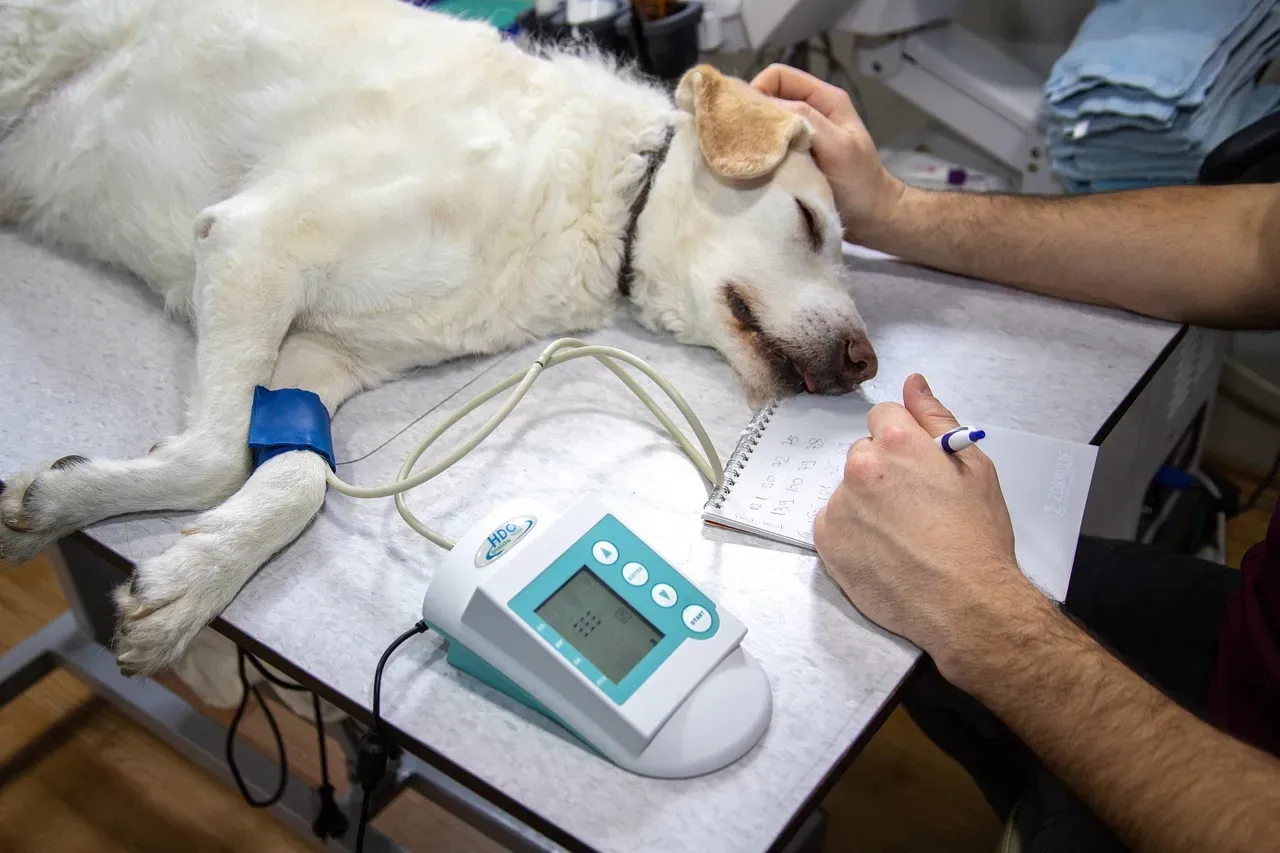
When you bring your concerned observations to your veterinarian, they’ll start with a thorough physical examination. This involves feeling the muscles of the legs and back, pressing on certain areas to check for pain, and testing range of motion of the joints. They might watch your dog walk to assess their gait. X-rays are commonly used, though MRI may be recommended for suspected spinal issues.
First-time sufferers with mild symptoms may be treated with crate rest and medication, while more severe cases might require surgery. For arthritis management, your vet might recommend a combination approach including weight management, joint supplements, pain medications, and physical therapy.
Here’s what you can do at home while managing these issues: consider ramps or steps for furniture access, provide orthopedic bedding, maintain a healthy weight through proper diet, and keep your dog gently active with controlled exercise like leash walks or swimming. For chronic conditions, you may need to install a dog ramp or steps to prevent pain and risk of further injury.
Trust Your Gut And Act Quickly
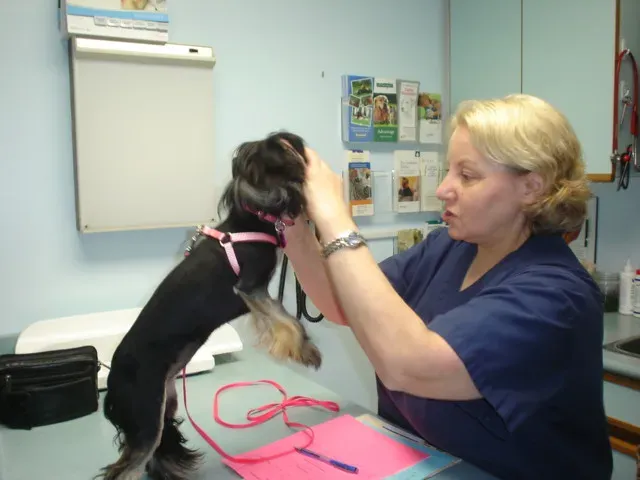
I can’t stress this enough: early intervention changes everything. If your dog loses the ability to move its legs, please don’t wait another minute to contact a veterinary neurologist, as each hour is critical to recovery. Even for less dramatic symptoms, if the behavior persists, no more than a week should pass before you talk to your vet.
You know your dog better than anyone. If something feels off, it probably is. Dogs don’t suddenly decide they’re too lazy to jump on the couch after years of doing it. They’re telling you, in the only way they can, that movement hurts or scares them.
The good news? So many of these conditions are manageable when caught early. With proper veterinary care, pain management, and lifestyle adjustments, most dogs can continue living comfortable, happy lives. Some may need accommodations like ramps or ongoing medication, but they can absolutely still be your snuggle buddy and adventure partner.
Your dog has spent their entire life trying to make you happy, following you from room to room, greeting you like you’re the best thing that’s ever happened to them. Now it’s your turn to advocate for their comfort and wellbeing. That hesitation at the bottom of the couch? It’s a conversation starter, not something to ignore.
So what do you think? Has your dog shown any of these subtle signs that you might have brushed off? Remember, you’re not overreacting by scheduling a vet appointment. You’re being the attentive, loving dog parent your pup deserves. Share your experiences or questions in the comments, because chances are, someone else is going through the same thing and needs to hear they’re not alone.


