
Look, we need to talk. Not one of those sugarcoated, everything-is-fine conversations. You’ve got a puppy leaving little surprises all over your house, and I’m willing to bet money it’s not your puppy’s fault. It’s time we face the truth. Potty training issues aren’t about stubborn dogs or bad luck. Most of the time, they’re about human mistakes.
I know that sounds harsh, maybe even a little painful to hear. Yet here’s the thing: once you accept responsibility, you can actually fix the problem. Your puppy doesn’t wake up thinking about how to ruin your carpet. They’re just confused, and frankly, we’re the ones confusing them. Through years of working with dog owners and watching countless training disasters unfold, I’ve seen the same patterns repeat themselves over and over.
What follows might challenge some of your assumptions about puppy training. Some of what you’re about to read might even make you uncomfortable. That’s okay. If you’re serious about having a clean home and a happy, well-adjusted dog, stick with me. Let’s dive in and figure out exactly where things went sideways.
You’re Giving Your Puppy Way Too Much Freedom
The number one mistake people make is treating their eight-week-old puppy like a fully trained adult dog. They let the little furball wander around the entire house unsupervised, then act shocked when accidents happen in every room. Owners end up letting the pup run all over the kitchen or house, and puppies, being puppies, will have accidents and the more accidents they have, the more they will think it is OK to pee in the house.
Think about it this way. It takes a dog about 5 seconds to pee, which translates into a simple rule: never take your eyes off your dog, not even for 5 seconds. That’s not an exaggeration. Your puppy can squat and go before you even realize they’ve wandered behind the couch.
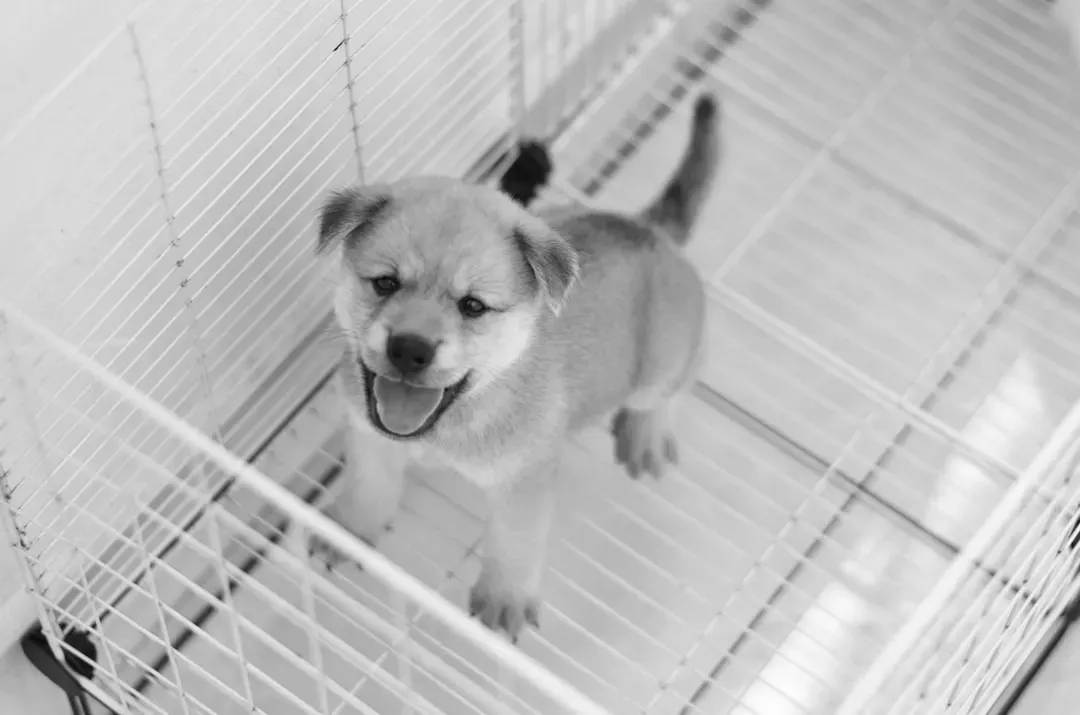
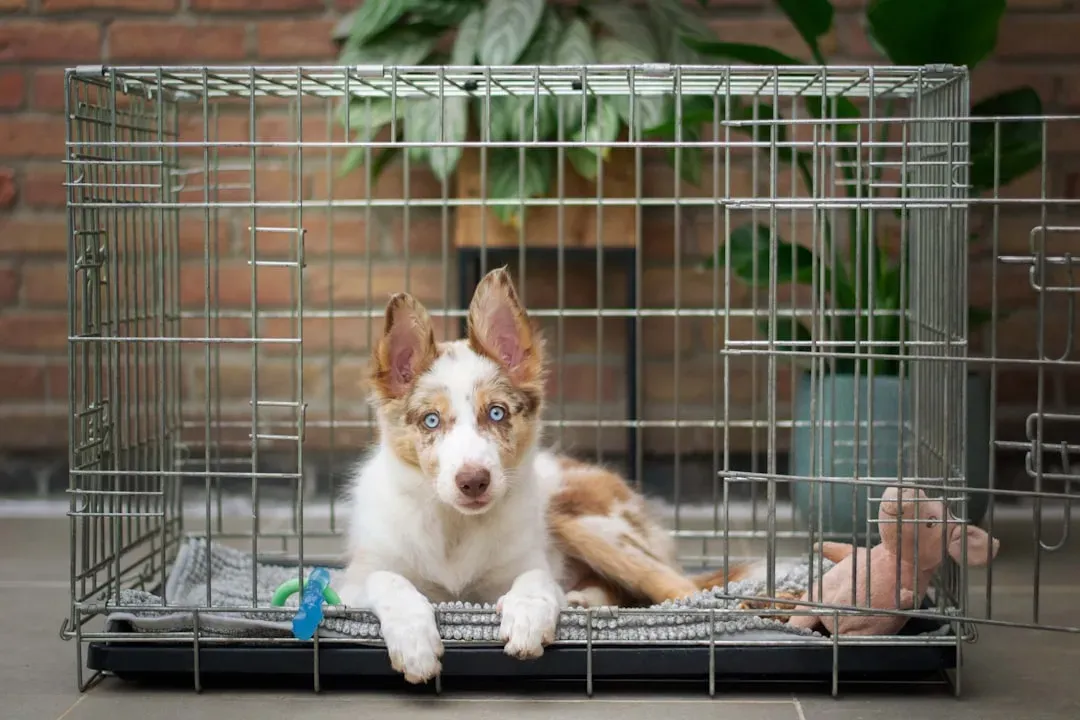
The solution seems restrictive at first, but it works. Puppy owners should use kennels to limit a puppy’s freedom, and even when the puppy is not in a kennel, it helps to keep the puppy on a leash tethered to a responsible adult so that the puppy can’t sneak off and have accidents. I realize this means constant vigilance. You might feel like a helicopter parent. Still, this intensive supervision phase doesn’t last forever, and it saves you months of cleanup duty.
Your Schedule Is Completely Inconsistent
The most common mistake is inconsistency, and imagine trying to learn a new skill if your teacher changes the rules every day; if you’re not consistent with potty breaks, rewards, and training commands, your dog will struggle to learn what’s expected. Puppies thrive on predictability. They need to know when food happens, when walks happen, when potty time happens.
Here’s what actually happens in most households: potty breaks occur randomly based on human convenience. You let the puppy out when you remember, or when you feel like it, or whenever they start whining desperately. Leaving food down all day for your puppy to munch on is a mistake because by allowing her to snack all day, you’ll reduce the chances of creating a predictable elimination schedule.
After the meal, only wait between 5 and 30 minutes to take your puppy outside, with the younger the puppy, the sooner they should be brought out after a meal to potty, and most puppies eat three to four meals a day when they’re growing, and most puppies will have to poop after meals. Set alarms on your phone if you have to. Create a chart. Whatever it takes to be consistent, do it. Your puppy’s bladder is counting on you.
You’re Punishing Accidents Instead of Preventing Them
Let’s get one thing straight right now: yelling at your puppy for pooping inside is completely counterproductive. Don’t push their snout into the mess or scold them after the fact, because puppies don’t understand that you’re upset about the potty accident, but they do understand your emotions, and some puppies might even start to become secretive about where they eliminate, which really delays potty training.
I’ve met so many owners who think punishment teaches their puppy not to go inside. What it actually teaches is fear and sneakiness. Your puppy learns to hide from you when they need to go, which creates an even bigger mess. Punishment is not going to resolve the issue, so do not yell at your dog or rub your dog’s nose in it, as this is not an effective strategy.
Instead of reacting to accidents, focus your energy on preventing them in the first place. Watch your puppy like a hawk. Some seemingly random clues that a puppy needs to go out can include sniffing the floor or carpet, wandering away from the family, becoming overexcited with zoomies, whimpering, or running to the door, and if you see any of these signs, take your puppy out to potty immediately. When they do go outside successfully, throw them a party. Treats, praise, happy dances, the whole thing.
You’re Using Pee Pads and Undermining Everything
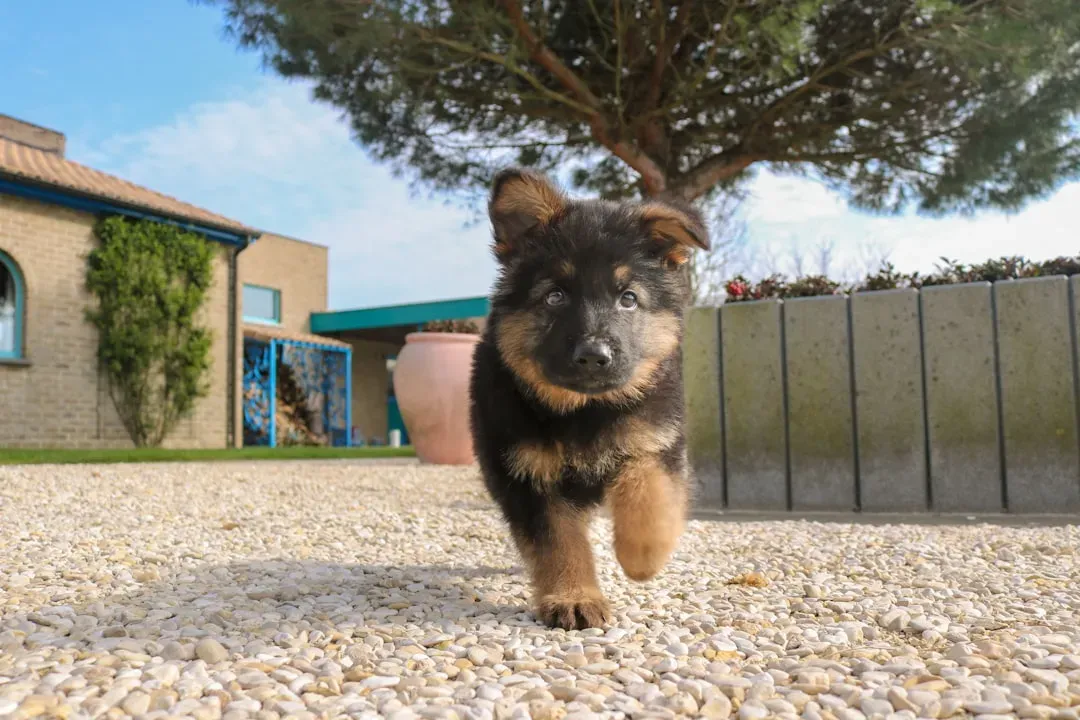
Controversial opinion coming your way: pee pads are one of the worst inventions for house training. Those pee pads that pet stores sell are the dumbest idea ever because they teach dogs to pee and poop in the house. There, I said it.
The entire goal of house training is teaching your puppy that inside is for living and outside is for elimination. Pee pads completely blur that line. Pads teach indoor elimination is okay, confusing pups and causing issues even after removal during puppy potty training, because they create approved indoor spots, delaying outdoor habits by weeks or months.
I understand the appeal. You live in a high-rise apartment. You work long hours. The weather is miserable. Those are real challenges. However, using pads as a long-term solution creates confusion that takes months to undo. Your puppy genuinely cannot understand why the pad in the kitchen is okay but the carpet in the living room isn’t. They’re both inside. They both smell like home.
If you absolutely must use pads temporarily, have a concrete plan to phase them out. Move them progressively closer to the door, then outside. Don’t let them become a permanent fixture that sabotages your training efforts.
You’re Missing the Medical Red Flags
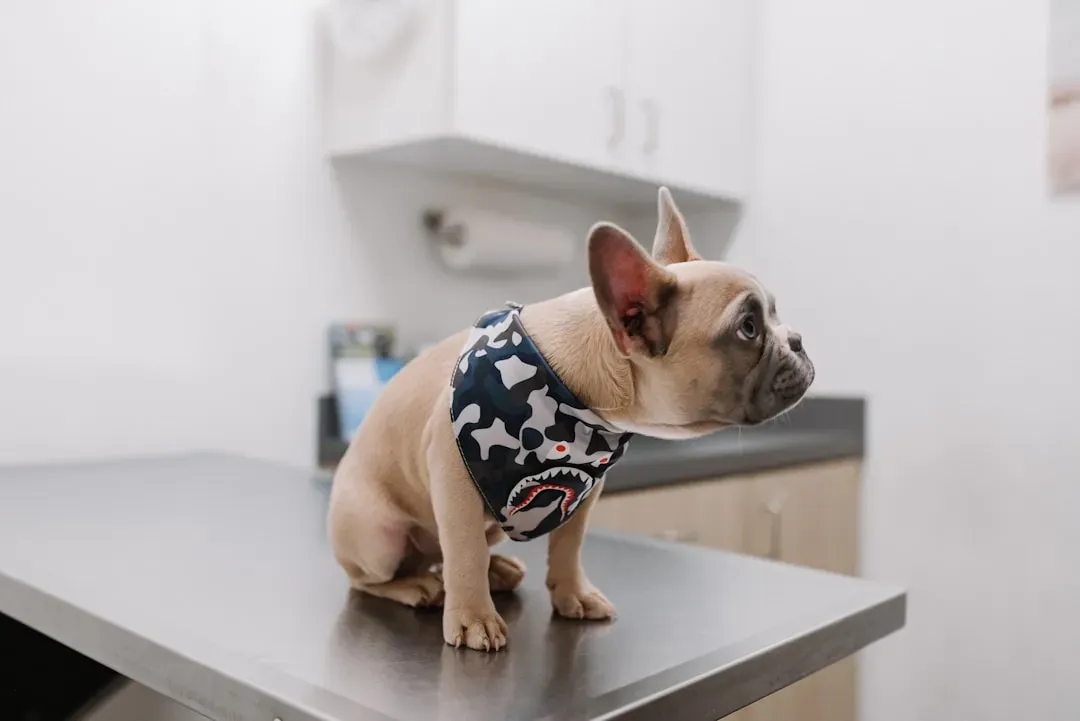
Sometimes the problem isn’t training at all. If your dog keeps pooping in the house they may have a health issue, or something might have changed in their routine, diet, or home environment, and the first step is to rule out a medical reason, which involves making an appointment to see your veterinarian.
Numerous ailments could cause your dog to poop inside, including food allergies, food poisoning and infections, and two of the most common are inflammatory bowel disease and intestinal parasites. Puppies are especially vulnerable to parasites because their immune systems aren’t fully developed yet. Emotional health can affect bathroom habits too, and dogs under stress, be it from loud noises, new environments, or separation anxiety, sometimes poop indoors even if they’re fully trained, because anxiety can speed up digestion, leaving your four-legged friend unable to wait until they’re outside.
Watch for signs beyond just accidents. Is your puppy lethargic? Eating less? Does their poop look abnormal in color or consistency? These could signal something more serious than training issues. Don’t let pride or embarrassment stop you from calling the vet. Better to check and find nothing than to miss something important.
The Path Forward Starts With You
Here’s what it all comes down to. Your puppy pooping everywhere isn’t a character flaw in your dog. It’s a training gap, a consistency problem, sometimes a medical issue, but almost never simple defiance. The fact is if you as a pet owner find yourself with a housetraining problem, you have more to learn than your dog.
That might sting a little to hear, yet it’s actually empowering news. Problems you created can be fixed. Start tomorrow with a real schedule. Supervise constantly. Stop punishing accidents and start preventing them. Consider ditching those pee pads. Get a vet checkup to rule out health problems.
When it comes to how long potty training takes, it depends on the puppy and the schedule you keep, and if training begins early, a six-month-old puppy is usually able to be depended on most of the time to eliminate outside, but by scheduling meals, walks, playtime, and other activities in a daily routine, you and your puppy will be on your way to success, though remember, it won’t happen overnight, so patience is key.
The house training journey tests every dog owner’s patience and commitment. There will be setbacks. There will be days you want to give up. Yet when you finally achieve that moment when weeks pass without a single accident, when your puppy signals they need to go out, when you can trust them with a bit more freedom, you’ll realize all that effort was worth it. Your puppy is counting on you to be the teacher, the leader, the consistent presence they need. Are you ready to own that responsibility? What changes will you make starting today?


