Picture this: you’re settling into your golden years with more time on your hands, and something feels missing. Maybe it’s the quiet house that once buzzed with family activity, or perhaps it’s the longing for a companion who’ll greet you with pure joy every single day. If you’re thinking about adding a four-legged friend to your life, you’re not alone – and science backs up why this might be one of the best decisions you’ll ever make.
The research is pretty incredible, actually. Research on adults 60 years or older suggests that pet owners are significantly less likely to consider themselves lonely than non-pet owners. Dogs don’t just bring companionship; they bring purpose, routine, and yes, some amazing health perks too. But here’s the thing – not every dog breed is going to be your perfect match at this stage of life. So let’s dive into the six small dog breeds that could become your ideal companion.
Cavalier King Charles Spaniel: Your Gentle, Adaptable Shadow
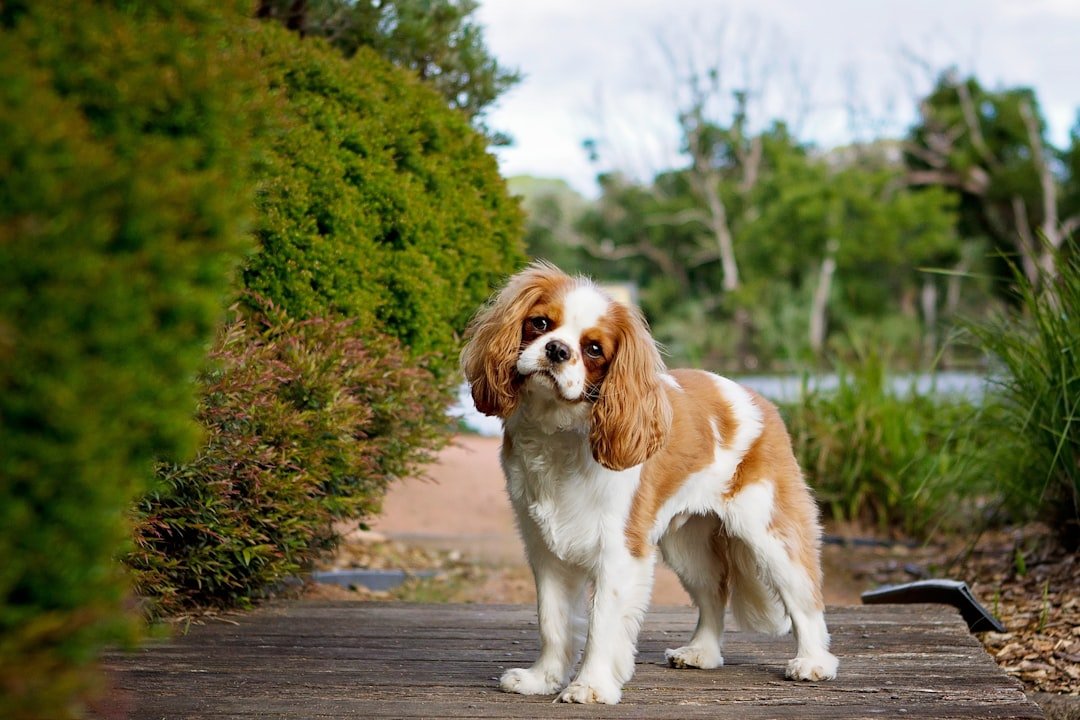
If you could design the perfect senior companion, you’d probably end up with something pretty close to a Cavalier King Charles Spaniel. These dogs have mastered the art of reading their humans – they’re like those friends who instinctively know whether you need a quiet evening or a gentle adventure.
The Cavalier courteously matches their pet parent’s activity level. This breed is content with brisk walks and fun playtime, but will also gladly spend the day on the couch. What makes them truly special is their patient, gentle nature. These dogs are gentle, affectionate, and love spending time with their owners. While they enjoy walks and playtime, they do not have high exercise requirements, making them suitable to individuals who cannot commit to long periods of activity.
Don’t worry about grooming being a major chore either. While their silky coat needs regular brushing, it’s nothing too demanding. Think of it as a nice bonding activity during those quiet moments together.
Shih Tzu: The Ultimate Apartment Companion
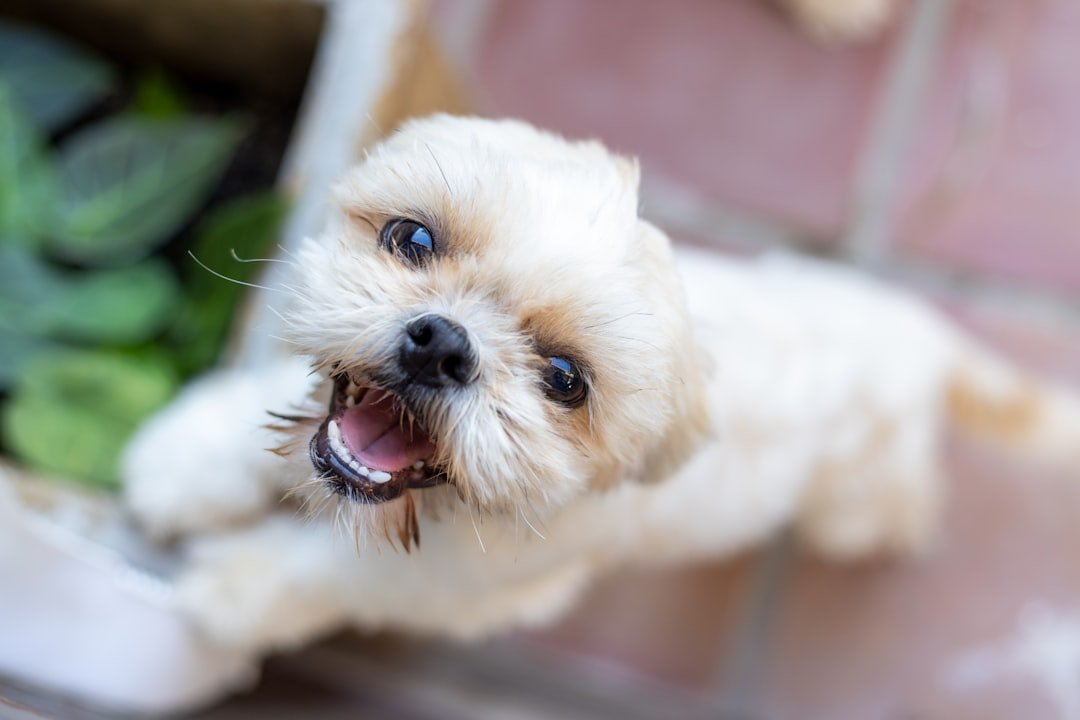
Here’s a dog that was literally bred to be a companion – and boy, does it show. Shih Tzus are like that easygoing friend who’s happy whether you’re binge-watching your favorite series or taking a leisurely stroll around the block.
A solid little dog weighing up to 16 pounds, the Shih Tzu requires minimal exercise and is content living in apartments, so long as you’re there, too. Shih Tzu owners say the breed is “happy, even-tempered, and eager to please,” and they get along well with other dogs and with children. This makes them perfect if your family visits often or if you live in a smaller space.
The grooming situation is pretty flexible too. If the silky coat is kept long, it requires daily brushing. A groomer can also give the Shih Tzu a “puppy trim” that’s much easier to look after. So you can choose the maintenance level that works for your lifestyle.
Bichon Frise: The Happy Little Social Butterfly
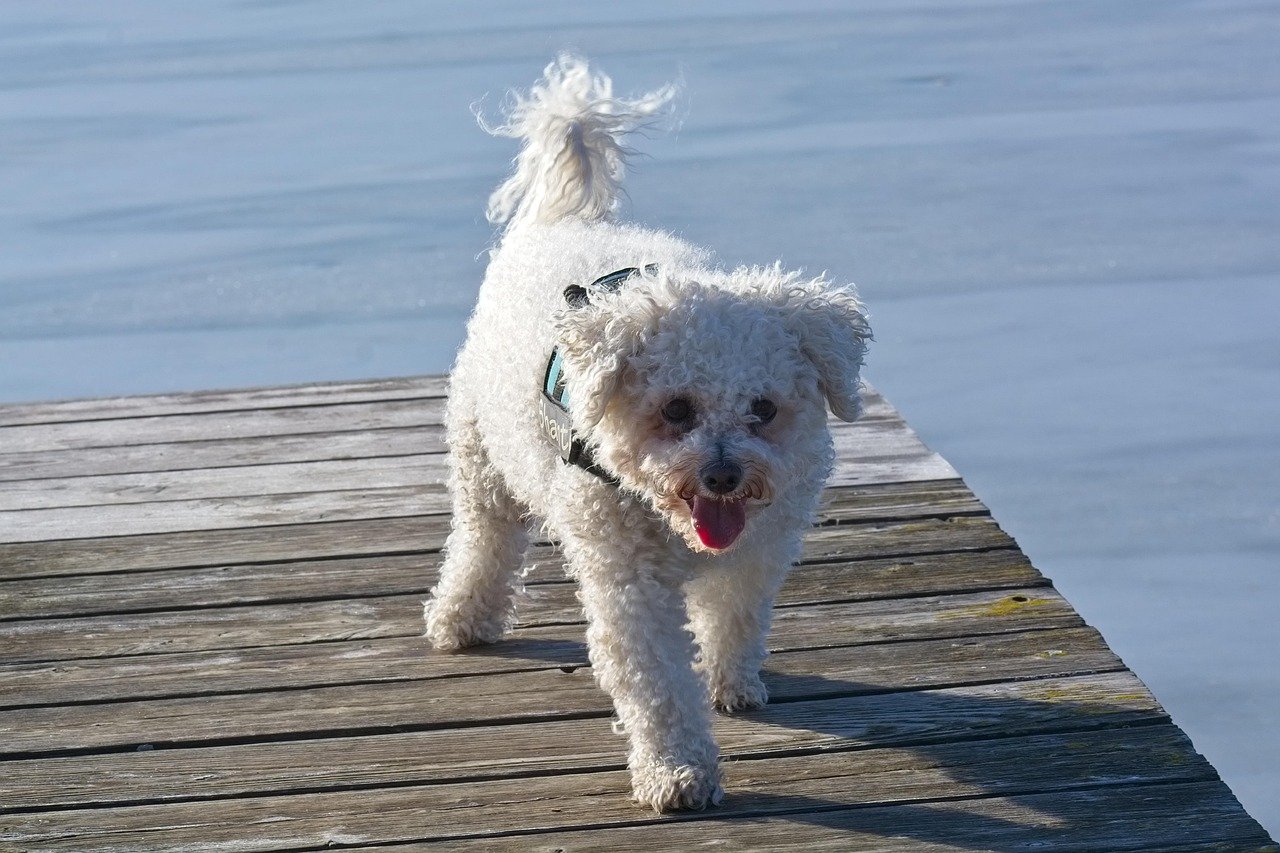
If you’re someone who enjoys meeting new people and having a dog that can charm everyone they meet, the Bichon Frise might be your perfect match. These little white clouds of joy are natural conversation starters wherever you go.
Bichon Frise are small dogs, typically weighing 10-18 pounds, making them easy to handle for ulcer people. Bichon Frise is a friendly, playful, and intelligent dog. They are good with children, and other pets, and are relatively easy to train. Plus, here’s a bonus that many seniors appreciate: the Bichon Frise is hypoallergenic, which makes them an excellent choice for seniors with allergies.
Their size makes them manageable, and they can adjust to the energy level of their owners. So whether you’re feeling energetic or prefer a quieter day, your Bichon will happily go along with your plans.
Pug: The Adorable Couch Potato Companion

Let’s be honest – sometimes you just want a dog who’s perfectly content to be your TV-watching buddy. Enter the Pug, the breed that has elevated lounging to an art form while still being incredibly loving and loyal.
Pugs are the best dogs for seniors who prefer to curl up on the sofa with their beloved furry friend by their side. Most of this breed’s time consists of lounging and playing indoors. Loving and loyal, Pugs are devoted to their pet parents and enjoy taking naps (they tend to snore while doing so!). Although they can occasionally feel jealous or agitated when ignored, they are often easygoing pets who are eager to please.
The grooming situation is wonderfully simple too. This breed sports a short coat that is easy to groom, requiring only occasional brushing. Just keep in mind that because of their flat face and small nostrils, the Pug’s breathing can be affected by extremely hot or cold weather conditions.
Maltese: The Gentle Lap Dog Extraordinaire
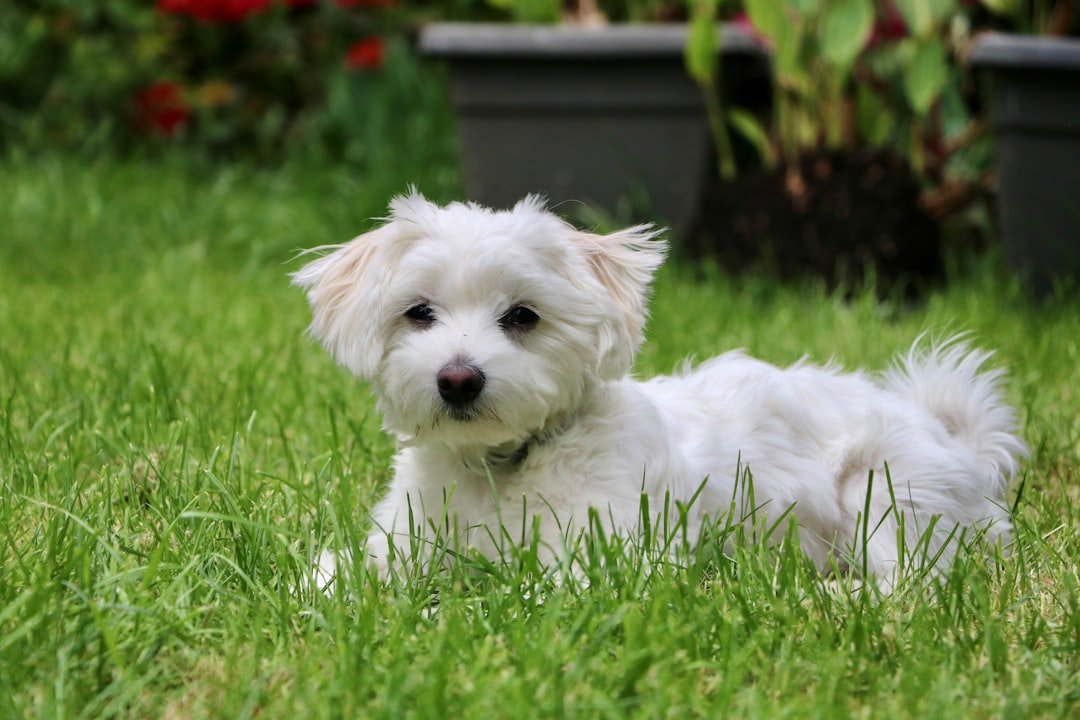
Sometimes you want a dog that truly embodies the lap dog lifestyle, and the Maltese delivers this in spades. These tiny white angels are like having a living, breathing stress-relief companion.
The Maltese is a very small breed, known for its gentle nature and ease of companionship. They’re among the best dogs for seniors that may perfectly fit in a lap include the Havanese, the Pomeranian, and the Maltese – these dogs are calm, sweet, and witty companions.
What’s really wonderful about Maltese dogs is their size and temperament combination. They’re small enough to travel with easily, gentle enough to be around grandchildren, and intuitive enough to sense when you need extra comfort. These small, affectionate dogs are the archetypal lap dogs, with a friendly and easy-going nature. They thrive on companionship, making them excellent pets for seniors who spend a lot of time at home. Their grooming needs are manageable, requiring regular brushing to keep their coat in good condition.
Havanese: The Cheerful Cuban Charmer
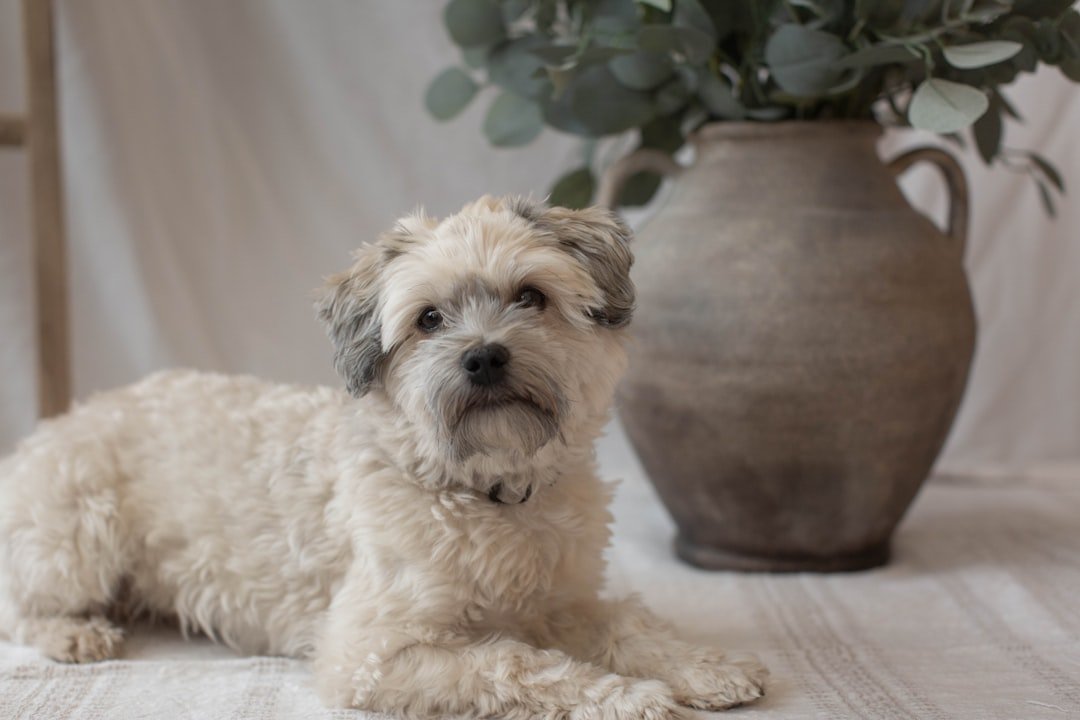
Here’s a breed that brings a little sunshine into your life every single day. The Havanese is like that friend who always has a smile and makes even ordinary moments feel special.
The only breed native to Cuba, the Havanese is a cheerful, quiet little dog described as “happy, loving, intelligent, social, and accommodating” by the breed club. They’re content to stay inside and snuggle with their humans and will play patiently with children. Havanese don’t require much exercise but are happy to take occasional short walks.
What makes them particularly wonderful for seniors is their adaptability and gentle nature. They’re social enough to enjoy visitors but content enough to be your quiet companion when it’s just the two of you. Their coat of silky hair continues to grow, so they do require regular grooming. But many owners find the grooming routine relaxing and a nice way to bond with their furry friend.
The Health Benefits That Come Along for the Ride
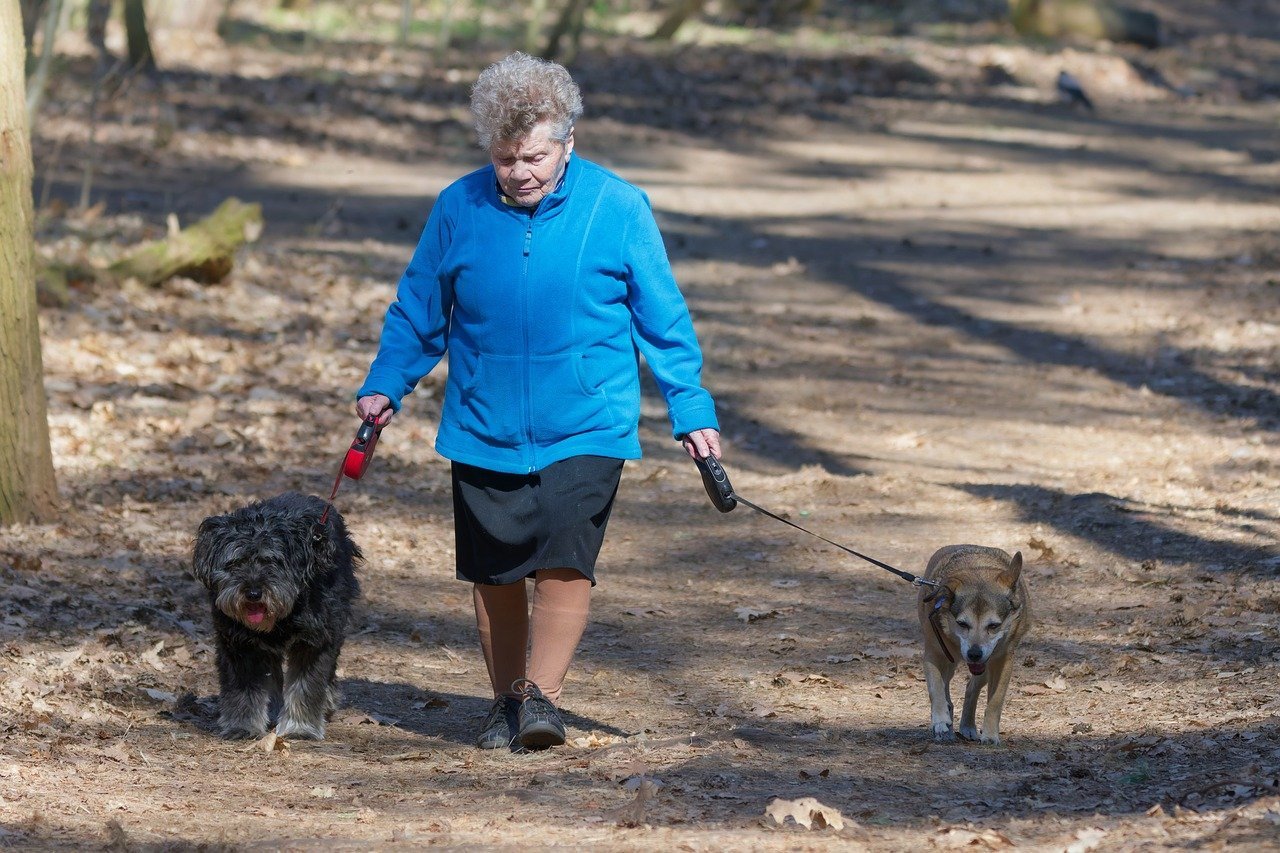
Now, here’s where things get really exciting. Choosing one of these wonderful breeds isn’t just about companionship – you’re actually investing in your health in ways you might not have realized.
Studies show that dog-owning seniors have lower blood pressure and lower cholesterol than their petless peers. Having a dog also reduces the risk of heart attack – and boosts your chances of long-term survival if you have one. That daily walk with your new companion? Research has found that people who own a dog tend to walk significantly longer on average than those who do not have a dog. Even a low-intensity daily 20-minute walk can improve heart health, lower blood pressure, and relieve stress.
But the benefits go way beyond the physical. Pet owners said that their pets help them enjoy life (88%), make them feel loved (86%), reduce stress (79%), provide a sense of purpose (73%), and help them stick to a routine (62%). And here’s something that might surprise you: Studies have found that a majority of older adults report that their pets help them cope with physical or emotional symptoms and help take their mind off of pain.
Your new four-legged friend isn’t just a pet – they’re a daily dose of joy, purpose, and better health all rolled into one adorable package. Whether you choose the gentle Cavalier, the adaptable Shih Tzu, the social Bichon, the easygoing Pug, the loving Maltese, or the cheerful Havanese, you’re not just getting a companion. You’re getting a reason to smile every day, a friend who thinks you’re absolutely perfect just as you are, and a health boost that money can’t buy. Now, isn’t that exactly what your golden years deserve?
Robert Adelstein
Monday 6th of October 2025
The Mi-Ki is another dog that heeds to be on your