

You know that moment when your dog does that nervous little yawn while you’re putting on your coat? Maybe she tucks her tail a bit when the doorbell rings or freezes when a motorcycle passes? It’s tempting to brush these tiny signals aside. After all, she seems fine a minute later, right? Here’s the thing, though. Those little anxieties are your dog’s way of whispering for help. When we ignore those whispers, they have a funny way of turning into screams.
I’ve watched too many dog lovers miss these early warning signs, only to face much bigger challenges months down the road. The good news is that understanding what your dog is trying to tell you right now can save both of you from serious struggles later. Let’s dive into why those small anxieties matter more than you might think.
The Subtle Language Your Dog Is Speaking

Dogs are incredibly expressive, revealing much through their body language and behavior, yet an anxious dog may pant, pace, tremble, drool, or withdraw from its owner. Think about the last time you felt truly anxious. You probably had physical tells, maybe fidgeting hands or a racing heart. Dogs are no different.
Dogs yawn when they are tired or bored, but they also yawn when stressed, with a stressful yawn appearing more prolonged and intense than a sleepy yawn. Similarly, lip licking when there’s no food around isn’t about hunger. These are calming signals, ways your dog tries to self-soothe during uncomfortable moments.
Stressed dogs may have dilated pupils and blink rapidly, opening their eyes wide and showing more white than usual (giving them a startled appearance), with their ears pinned back against their head. You might also notice your normally social pup suddenly hiding behind you or trying to make herself small. These aren’t random behaviors. They’re a conversation, and your dog is desperately hoping you’ll listen.
When Small Worries Snowball Into Serious Disorders

If disproportionate levels of anxiety are left unchecked, a dog can develop an anxiety disorder, and if left untreated, dog anxiety can lead to behavioral and other issues. It’s honestly remarkable how quickly things can escalate. That slight nervousness around strangers can morph into full-blown fear aggression. The mild unease when you leave for work can become destructive separation anxiety.
When a dog takes a long time to recover after a stressful experience or encounter, or when your pup cannot recover at all, this indicates a problem. Your dog should bounce back from stress relatively quickly. If she doesn’t, that’s a red flag waving frantically in front of you.
The most dangerous symptom of dog anxiety is aggression. Nobody wants to believe their sweet dog could hurt someone, yet anxiety-driven aggression happens more often than we’d like to admit. What starts as nervous barking can progress to lunging, snapping, or worse. Prevention is infinitely easier than trying to reverse these patterns once they’re ingrained.
The Physical Toll Anxiety Takes On Your Dog’s Body

Let’s be real, chronic stress isn’t just an emotional problem. Chronic anxiety may also lower a dog’s threshold for allergies, inflammatory bowel diseases and other medical problems. Your dog’s anxious mind is literally making her body sick.
Dogs with extreme non-social fear and separation anxiety were found to have an increased severity and frequency of skin disorders, while fear of strangers was found to be related to a significantly shortened lifespan. That’s not a typo. Anxiety can actually shorten your dog’s life. The constant flood of stress hormones takes a serious toll on their systems.
Dogs that are anxious all the time may become depressed or irritable, sleep more, and may lose interest in food, training, play, and social interaction. Watching a once joyful dog lose her spark is heartbreaking. The quality of life deteriorates, and suddenly simple daily activities become sources of dread rather than pleasure.
Separation Anxiety: The Problem That Grows In The Shadows
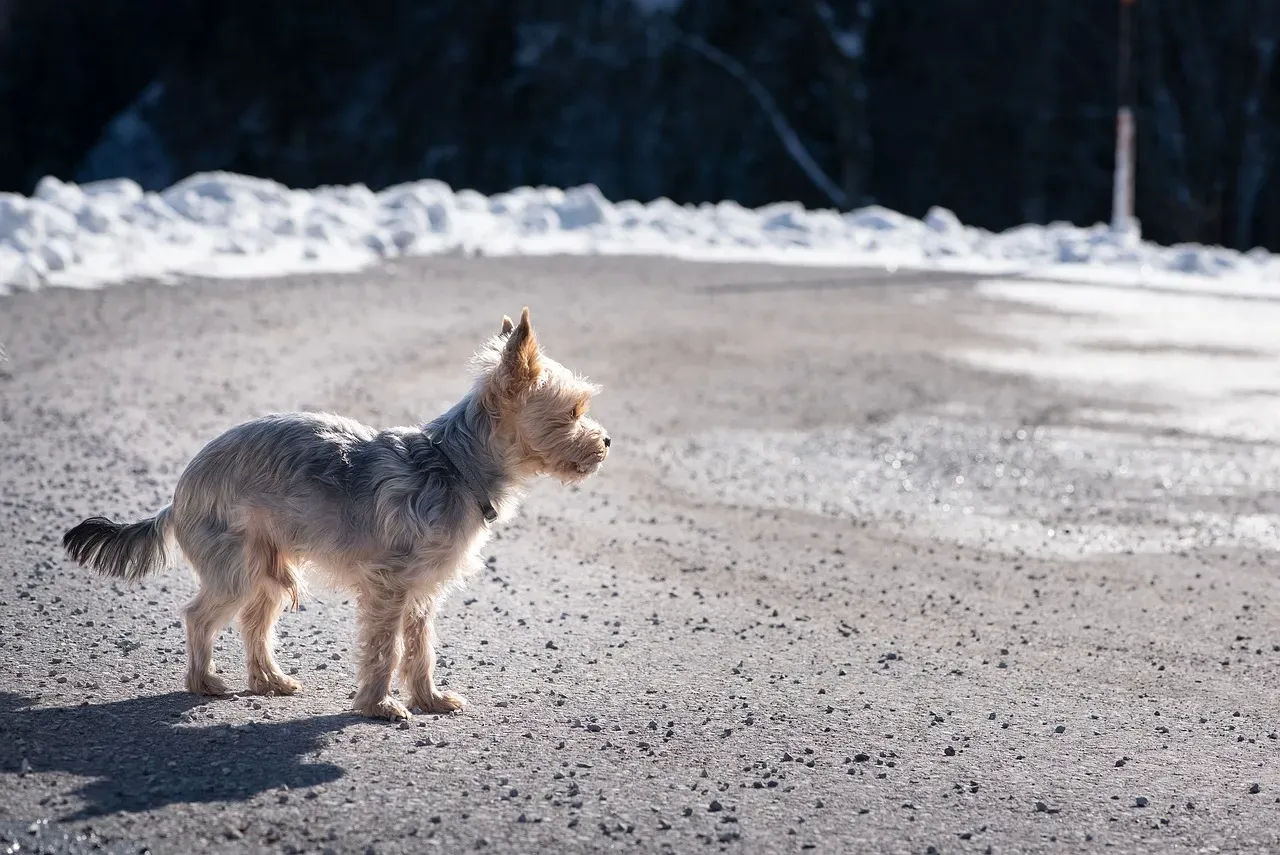
Separation anxiety is estimated to affect around 14 percent of dogs, with these dogs unable to find comfort when they are left alone or separated from their family members. This is one area where ignoring early signs really comes back to bite you. Maybe your dog follows you room to room. That’s cute, right? Perhaps she whines a bit when you head out the door. No big deal?
Dogs with separation-related behavior problems engage in unwanted behavior such as destruction of property and excessive vocalization when left alone, causing distress for both the dog and the owner, and often leading to the dog being relinquished or euthanized. The stakes are genuinely that high. This isn’t about chewed shoes. It’s about dogs losing their homes or their lives.
While at home, dogs with separation anxiety often prefer to be in the same room as their owners, and they start becoming stressed when they see their owner preparing to go out. If you’re noticing these patterns now, while they’re still mild, you have a golden opportunity to intervene. Teaching your dog that alone time is safe and normal becomes exponentially harder once full-blown panic has set in.
What You Can Do Right Now To Make A Difference
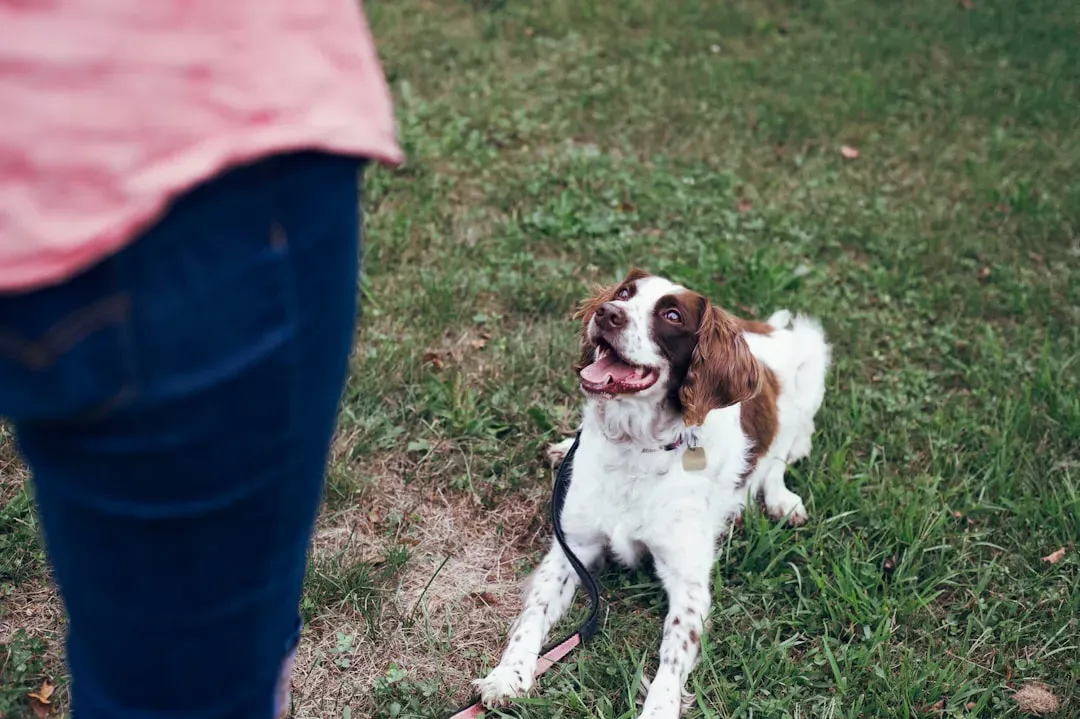
Predictability seems to work best for helping dogs, such as simple things like teaching your dog to sit before they get petted or asking them to offer a paw to be wiped off after a walk, giving your dog a sense of control so they know what comes next after being asked to perform that specific behavior. Routines are your best friend here. Dogs thrive on knowing what to expect.
Proper socialization can prevent the development of anxiety, and introducing your dog to new people, dogs, animals, places, and experiences can help avoid an exaggerated response down the road. Start small, keep things positive, and never push your dog past her comfort zone too quickly. Baby steps consistently applied beat giant leaps that terrify.
If your dog becomes stressed often or in response to many triggers, see your veterinarian, as after ensuring that your dog’s behavior does not have a physical basis, your veterinarian may refer you to a trainer or veterinary behaviorist, with a treatment plan that may include behavior modification, a change in the daily routine, medications to relieve physical discomfort, and medications to reduce the emotional response to the triggers. There’s no shame in getting professional help. Honestly, waiting too long to seek guidance is where many dog owners go wrong.
Your dog deserves to feel safe and confident in her world. Those small anxieties you’re seeing today? They’re not going to magically disappear. They need your attention, your patience, and your willingness to help her navigate whatever is making her nervous. The time you invest now in addressing these concerns will pay dividends in the form of a happier, healthier dog who can actually enjoy her life with you.
What signs have you noticed in your own dog? Sometimes just paying closer attention is the first step toward helping them feel better.


