

You know that moment when your dog tenses up slightly at the sound of a distant siren, or when they freeze for just a second before entering a new room? Maybe they’re a little clingy when you put on your coat, or they back away from someone reaching to pet them. These tiny moments feel innocent. Harmless, even. We brush them off, thinking it’s no big deal.
Here’s the thing, though. Those small anxieties are like whispers from your dog, trying to tell you something before they have to shout. Ignoring them might seem like the easy choice today, yet those whispers can grow into screams tomorrow. What starts as a nervous glance can spiral into destructive behaviors, aggression, or even a dog so consumed by fear that their quality of life suffers. I know it sounds dramatic, but trust me when I say this happens more often than most of us realize.
So let’s dive in and understand why those little anxious moments matter so much, and what you can actually do about them before they become impossible to manage.
The Hidden Epidemic: How Common Are Canine Anxieties Really?
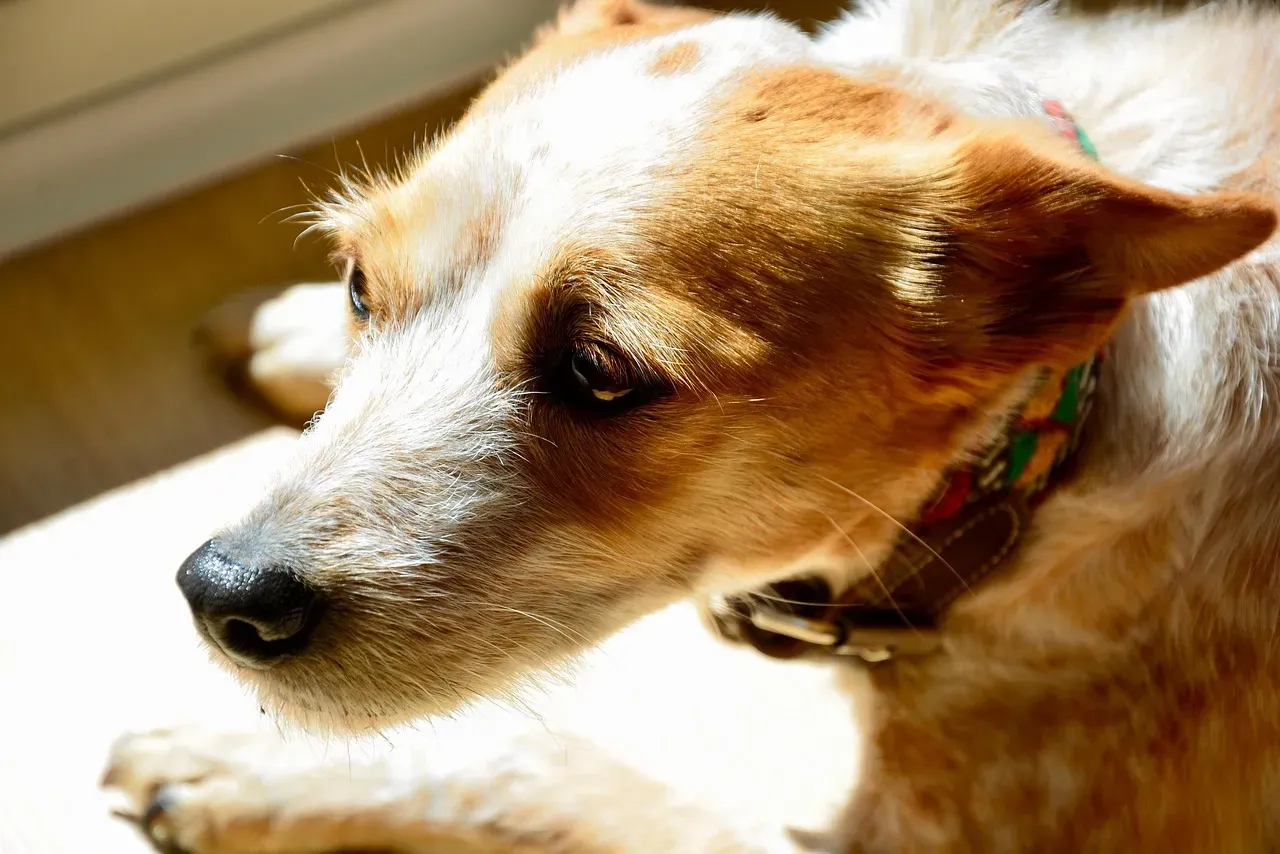
Let’s be real for a second. Over 99% of dogs in the US exhibit potentially problematic behaviors, with aggression, separation and attachment issues, and fear and anxiety being the most common. That’s not a typo. Nearly every single dog shows some level of behavioral concern at some point in their lives.
While most behaviors are minor, they can escalate if not addressed. Think about that. Minor today doesn’t mean minor forever. Your dog’s habit of pacing when you grab your keys might seem trivial now, but if left unchecked, it could blossom into full-blown separation anxiety with destructive chewing, endless barking, or even self-harm.
Recent evidence from a large Brazilian survey showed that being left alone was the second most frequently reported trigger of anxiety, cited by 20.2% of guardians, making this a deeply relevant concern for anyone with a busy life. The data tells us what many of us suspect deep down: our dogs are struggling more than we give them credit for, and we’re missing the early warning signs because they start so small.
The Subtle Signs We Miss Every Day
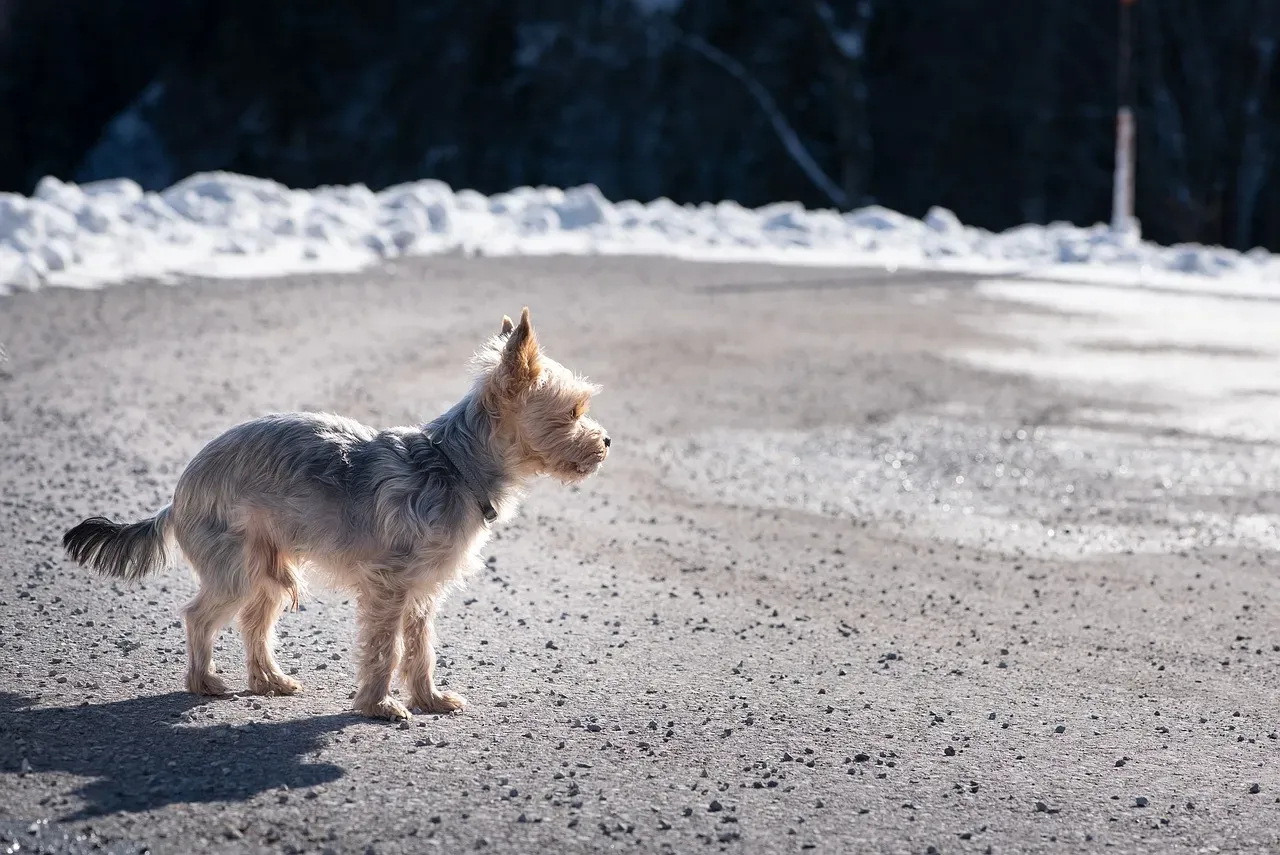
Here’s where things get tricky. An anxious dog may pant, pace, tremble, drool, withdraw from its owner, or hide. Yet how many of us actually notice when our dog’s breathing changes slightly, or when they choose to sit a little farther away than usual?
The signs of anxiety in dogs are often subtle and can easily be misinterpreted unless the full context is understood. That whole-body shake after meeting a stranger at the park? It’s not just your dog being goofy. That whole-body shake can be amusing and is quite normal – unless it occurs as the result of a stressful situation. Same goes for yawning when there’s no reason to be tired, or sudden scratching when nothing’s itchy.
We tend to assume our dogs are fine because they’re not visibly panicking. However, dogs are masters at hiding discomfort until they can’t anymore. By the time you notice something is seriously wrong, your dog has likely been trying to communicate their unease for weeks, maybe months.
The Snowball Effect: When Small Fears Become Big Problems
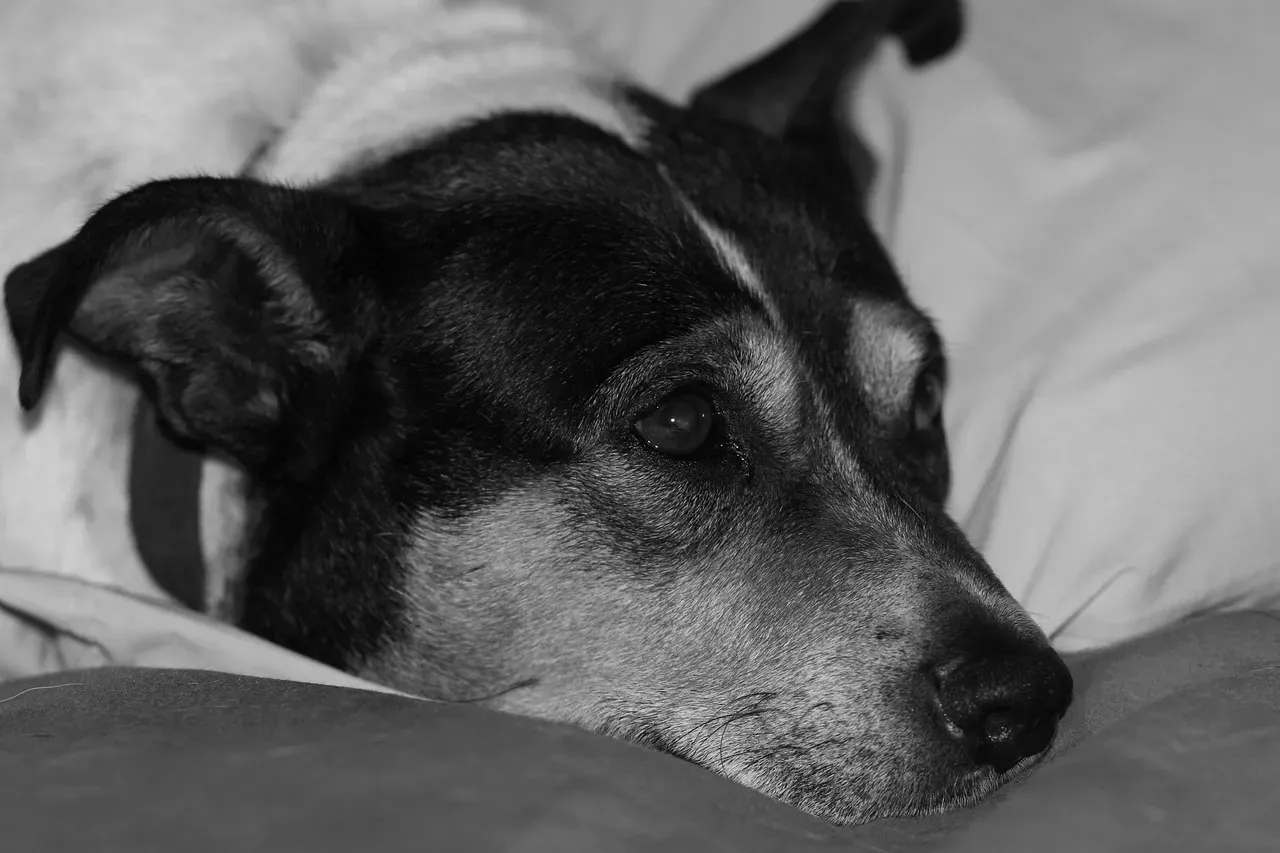
I think this is the part that really gets me. High comorbidity was observed between different anxieties: fearful dogs had a significantly higher noise sensitivity and separation anxiety compared with nonfearful dogs. Fearful dogs were also more aggressive compared with nonfearful dogs. In other words, anxiety breeds more anxiety, and eventually, it can breed aggression.
After repeated exposure to threats or situations where the pet feels overwhelmed and fearful, his behavior can easily escalate to aggression without much warning. Picture a dog who’s mildly nervous around strangers. At first, they just back away a bit. No one intervenes because the dog isn’t causing problems. Over time, though, backing away doesn’t work – people keep approaching. So the dog learns that growling creates distance. Then growling stops working, and suddenly you have a dog who snaps or bites because every other strategy failed.
Fear- or anxiety-related aggression is perhaps the most common form of aggression in dogs. Most types of aggression listed above likely have a fear or anxiety component, meaning that the aggressive dog barking at the mailman or lunging at other dogs on walks isn’t just “being bad” – they’re terrified and desperately trying to protect themselves.
Why Early Intervention Changes Everything
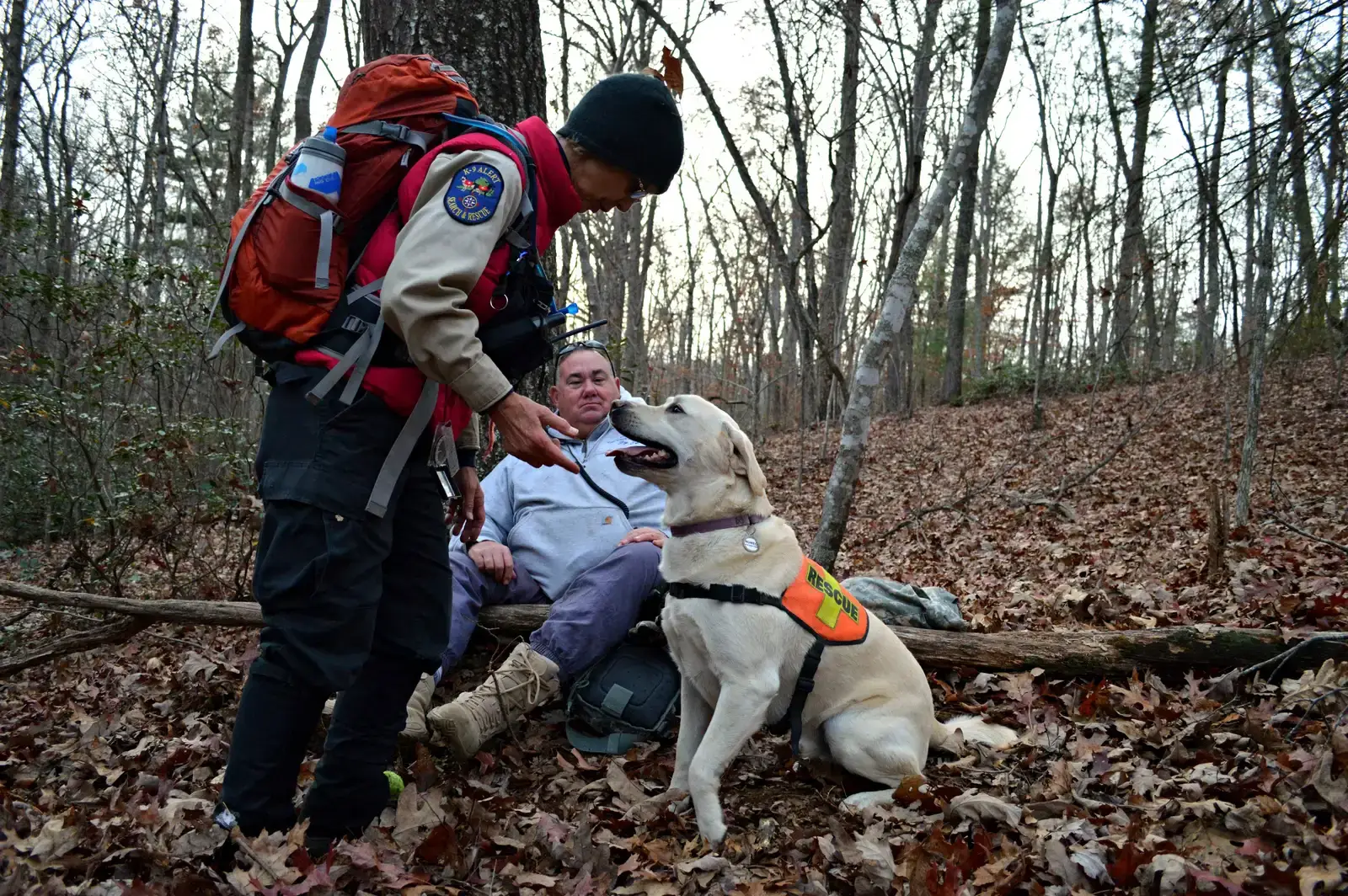
Honestly, catching anxiety early is the difference between a dog who lives a happy, confident life and one who spends years trapped in fear. Behavior is a crucial element of dog ownership and should be considered carefully by both dog owners and veterinarians so that mild problems do not escalate into severe ones.
The beautiful thing about early intervention is that it’s often simpler than you’d think. What seems to work best is predictability, according to behavioral experts. Establishing consistent routines, creating safe spaces, and giving your dog clear communication can work wonders before anxiety takes root. Overall, reward-based training, mental stimulation, and habituation were associated with increased odds of improvement.
When you address a dog’s nervous glance at the vacuum cleaner today, you prevent a full-blown phobia next year. When you notice your puppy’s hesitation around new people and gently socialize them with positive experiences, you’re building resilience that lasts a lifetime. The window for this kind of proactive care is real, and it closes faster than most people realize.
Building Confidence Before Fear Takes Hold

So what does this look like in practice? The best way to prevent anxiety is to ensure dogs get appropriate socialization and exposure (in a non-stressful way) to a variety of novel situations during the developmental stage (3–14 weeks old). This critical window is where confidence is built or lost.
Yet prevention isn’t just for puppies. Protective factors include ensuring a wide range of experiences outside the home and with other people, between the ages of 5–10 months, stable household routines and absences from the dog, and the avoidance of punishment. Even adult dogs benefit from gentle, positive exposure to new situations paired with rewards and reassurance.
Almost all anxious dogs benefit from positive reinforcement training and increased predictability and consistency in their routine and in interactions. This means celebrating small victories, never punishing fear, and being the steady, calm presence your dog needs when the world feels overwhelming. You’re not coddling them – you’re teaching them that they’re safe, and that you’ve got their back.
Conclusion: The Power of Paying Attention

Your dog’s small anxieties aren’t character flaws or quirks to laugh off. They’re early warning systems, telling you that something needs attention before it becomes a crisis. Medication is an often-underutilized tool that can greatly help with managing aggression in dogs, and aggression is fundamentally an anxiety disorder, which means even serious behavioral problems can be managed with the right support.
The dogs who end up with severe behavioral issues aren’t inherently broken. They’re the ones whose early whispers went unheard. Dogs with separation-related behavior problems engage in unwanted behavior such as destruction of property and excessive vocalization when left alone, causing distress for both the dog and the owner, and often leading to the dog being relinquished or euthanized. That’s heartbreaking, especially when so much of it is preventable.
Every time you notice your dog’s ears flatten or their body tense, you have a choice. You can dismiss it, or you can lean in, investigate, and help them feel safer. Those moments add up. They become the foundation of trust, confidence, and a genuinely happy dog who doesn’t have to live in fear.
What small anxiety have you noticed in your dog recently? Are you ready to address it before it grows into something bigger?


