
Officials in Galveston Island, Texas, recently unveiled a series of wildlife crossing signs along a busy coastal highway to address a sharp uptick in ghost wolf fatalities from car collisions. These elusive canines, which carry genetic remnants of the critically endangered red wolf, navigate the island’s shrinking wild areas amid growing human development. The new measures reflect a partnership aimed at safeguarding both drivers and this unique population.[1][2]
A Genetic Ghost from the Past Emerges
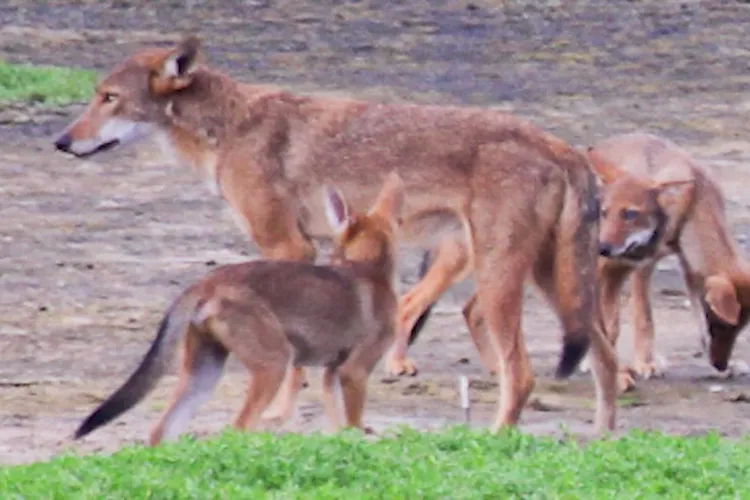
Genetic testing first revealed the extraordinary heritage of Galveston’s ghost wolves around 2018, transforming what locals saw as ordinary coyotes into something far more significant. These animals average 13 percent red wolf ancestry, with some individuals reaching 50 percent, alongside traces from gray wolves, Mexican wolves, and even domestic dogs. Longer legs and reddish fur set them apart from typical coyotes, traits inherited from their red wolf forebears.[3]
Red wolves once roamed southeast Texas but dwindled due to habitat loss, disease, and hunting by the late 1900s. Crossbreeding with coyotes preserved fragments of their DNA in isolated populations like Galveston’s, where an estimated 55 to 100 ghost wolves divide into four family groups across preserves, state parks, and airport grounds. Researchers hailed this as a rediscovery decades after the species was declared extinct in the wild.[2]
Roadkill Toll Sparks Urgent Response
Vehicle strikes claimed at least 75 ghost wolves along a key island highway between 2020 and 2025, prompting alarm among conservationists. The Texas Department of Transportation analyzed mortality data to pinpoint hotspots, revealing how expanding roads and traffic endangered the population. Local experts from the Gulf Coast Canine Project raised the issue with state officials in 2024, leading to swift collaboration.[1][2]
Development on the island has fragmented habitats, forcing the wolves to cross roads more frequently in search of food and territory. This collision crisis not only threatens the ghost wolves but also poses risks to motorists. The Gulf Coast Canine Project noted that these animals “carry both an incredible history in their DNA but also could be a life-saver for the critically endangered red wolf.”[2]
New Signs Mark a Proactive Defense
The Texas Department of Transportation installed 10 wildlife crossing signs last month across a 19-mile stretch of FM 3005, the island’s main west-end artery. Five signs face eastbound traffic and five westbound, strategically placed at high-risk crossing points from near the seawall to the San Luis Pass area. These simple yet effective warnings urge drivers to slow down and stay alert for wildlife.[1]
TxDOT’s Environmental Project Planner Brooke Bowman engaged with the community at a 2025 Ghost Wolves Town Hall, underscoring the value of such partnerships. The initiative extends protection to other island species while enhancing road safety. Early feedback suggests drivers are noticing the signs, fostering greater awareness of the hidden wildlife sharing their paths.
Conservation Hopes Beyond the Signs
Ghost wolves hold promise for red wolf recovery programs, as demonstrated by 2025 cloning efforts from Colossal Biosciences to boost genetic diversity in captive populations. Their DNA serves as a vital reservoir against inbreeding in the few remaining pure red wolves. Yet challenges persist, including ongoing development pressures on Galveston.[3]
Experts emphasize education and habitat connectivity as next steps. Community town halls continue to rally support, blending science with local advocacy. These efforts position Galveston as a frontline in preserving a piece of canine evolutionary history.
- Hybrid genetics blending red wolf, coyote, and other canid DNA.
- Population of 55-100 across four island family groups.
- Physical traits: longer legs, reddish fur, 20-50 pounds.
- Primary threats: traffic, habitat fragmentation from development.
- Recent action: 10 TxDOT signs on FM 3005 to cut collisions.
Key Takeaways
- At least 75 ghost wolf vehicle deaths on FM 3005 from 2020-2025 drove the sign installations.[2]
- Gulf Coast Canine Project leads research and advocacy for these genetic treasures.
- Signs protect drivers too, promoting safer coastal travel.
As Galveston balances tourism and nature, these highway safeguards offer a model for coexistence. Protecting ghost wolves preserves not just animals, but a living link to Texas’ wild past. What steps can communities take to support such initiatives? Share your thoughts in the comments.


