

In the world of dogs, much like in humans, personalities can vary significantly. While some dogs thrive in the company of others and enjoy constant social interaction, others may prefer solitude and independence. Understanding these personality types is crucial for dog owners, as it helps in choosing the right companion and ensuring their pet’s happiness and well-being. Let’s explore the fascinating world of independent and social dogs.
The Essence of Canine Independence
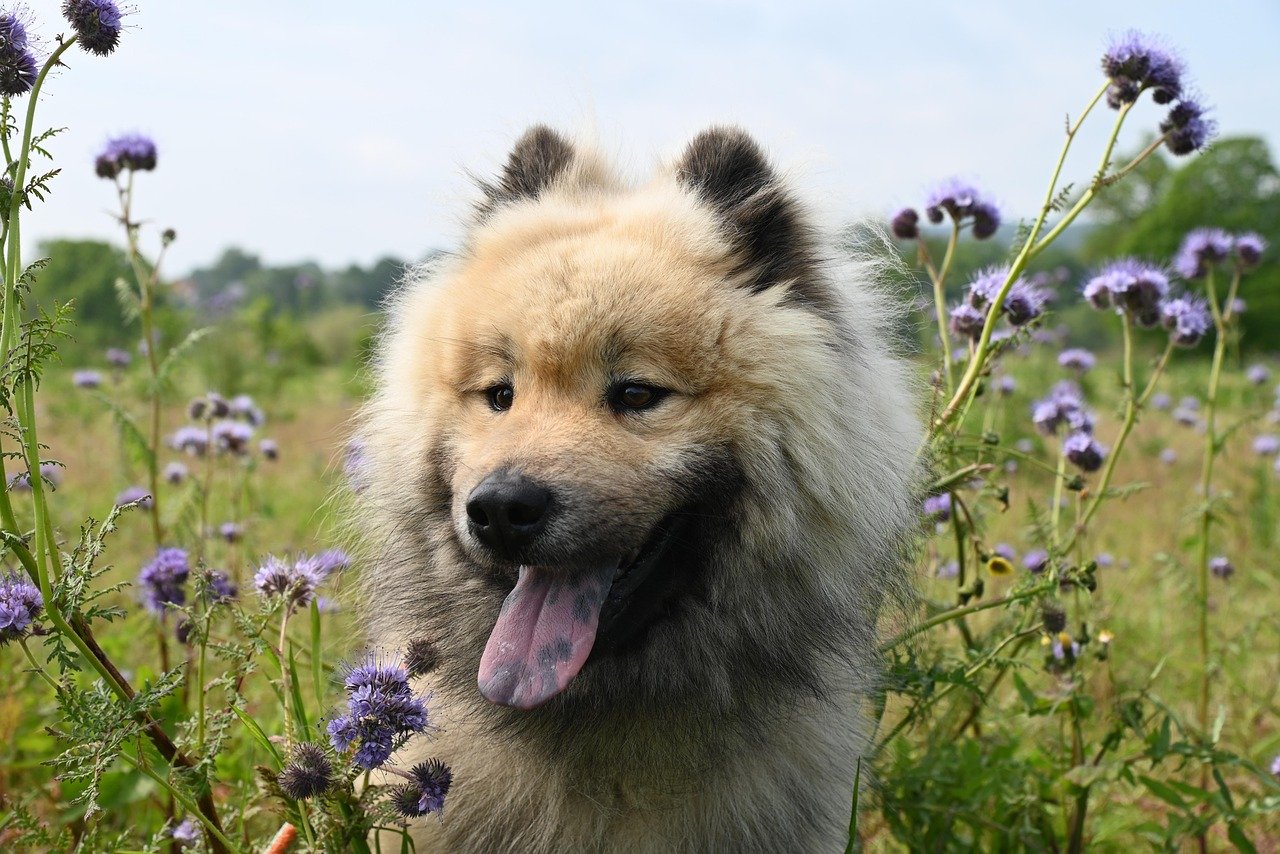
Just like humans, dogs have unique personalities—some thrive on constant companionship, while others prefer a bit more space and autonomy. While certain breeds are known for their clingy, affectionate nature, others are content entertaining themselves and making their own decisions. But what makes a dog independent or social? Is it all about breed traits, or does environment and training play a role?
Independent dogs are often characterized by their self-reliant nature. They enjoy their own company and are usually content with spending time alone. These dogs are often compared to the lone wolves of the animal kingdom, valuing their personal space and freedom. Independent dogs tend to be more reserved and may not always seek attention or affection from their human companions. They are usually more adaptable to changes in their environment and can entertain themselves when left alone. This personality type is ideal for those who may not have the time to constantly engage with their pets but still want a loyal companion.
Traits of Social Canines
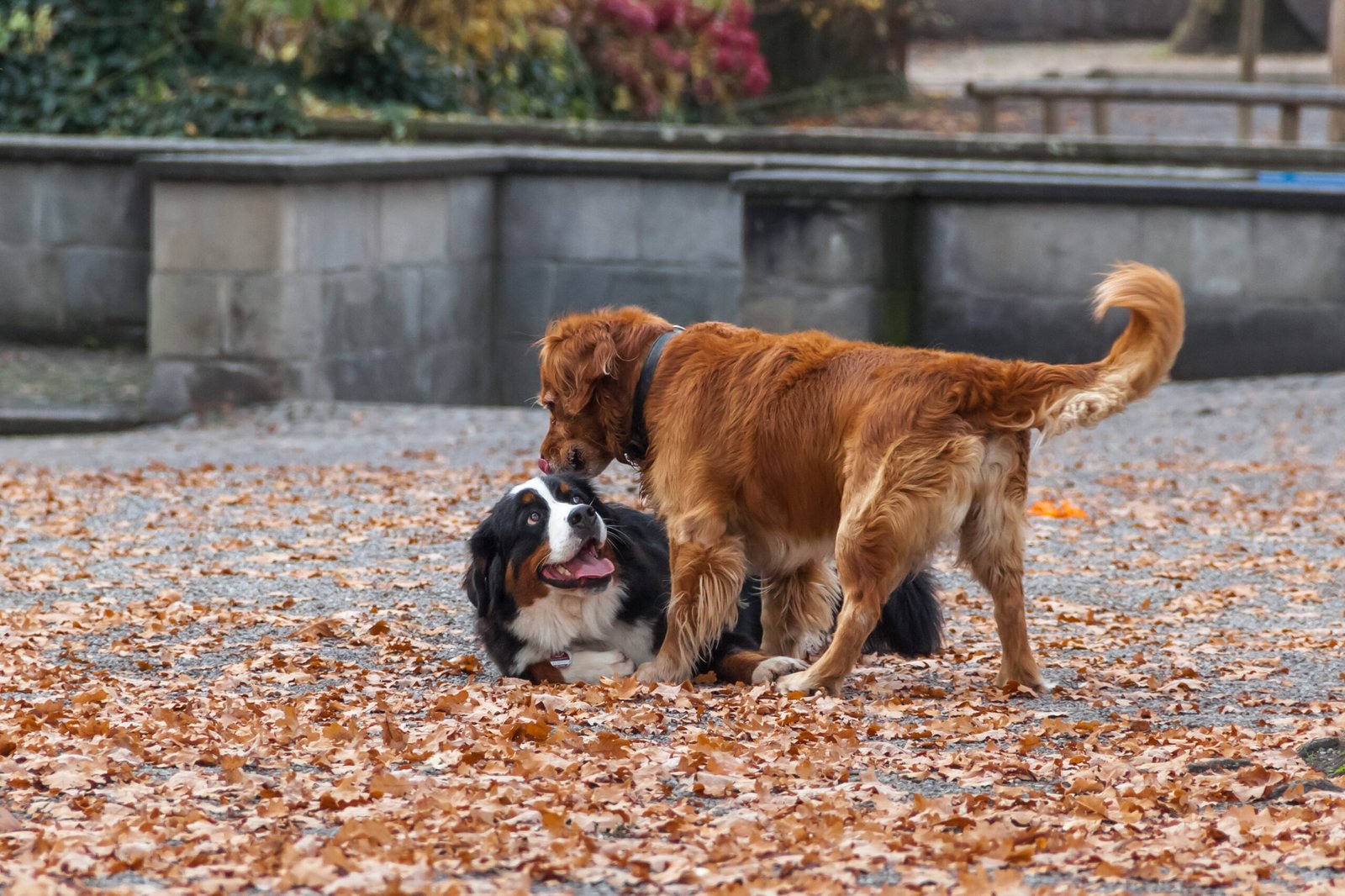
On the other hand, social dogs thrive on interaction and companionship. They are the life of the party, always eager to meet new people and animals. Social dogs are often described as the extroverts of the canine world, constantly seeking attention and affection. They tend to be more vocal, using barks and whines to communicate their needs and desires. These dogs are happiest when surrounded by their human family and may become anxious or depressed if left alone for extended periods. A social dog is a perfect match for families or individuals who enjoy spending quality time with their pets and are looking for a lively addition to their household.
Choosing the Right Dog for Your Lifestyle
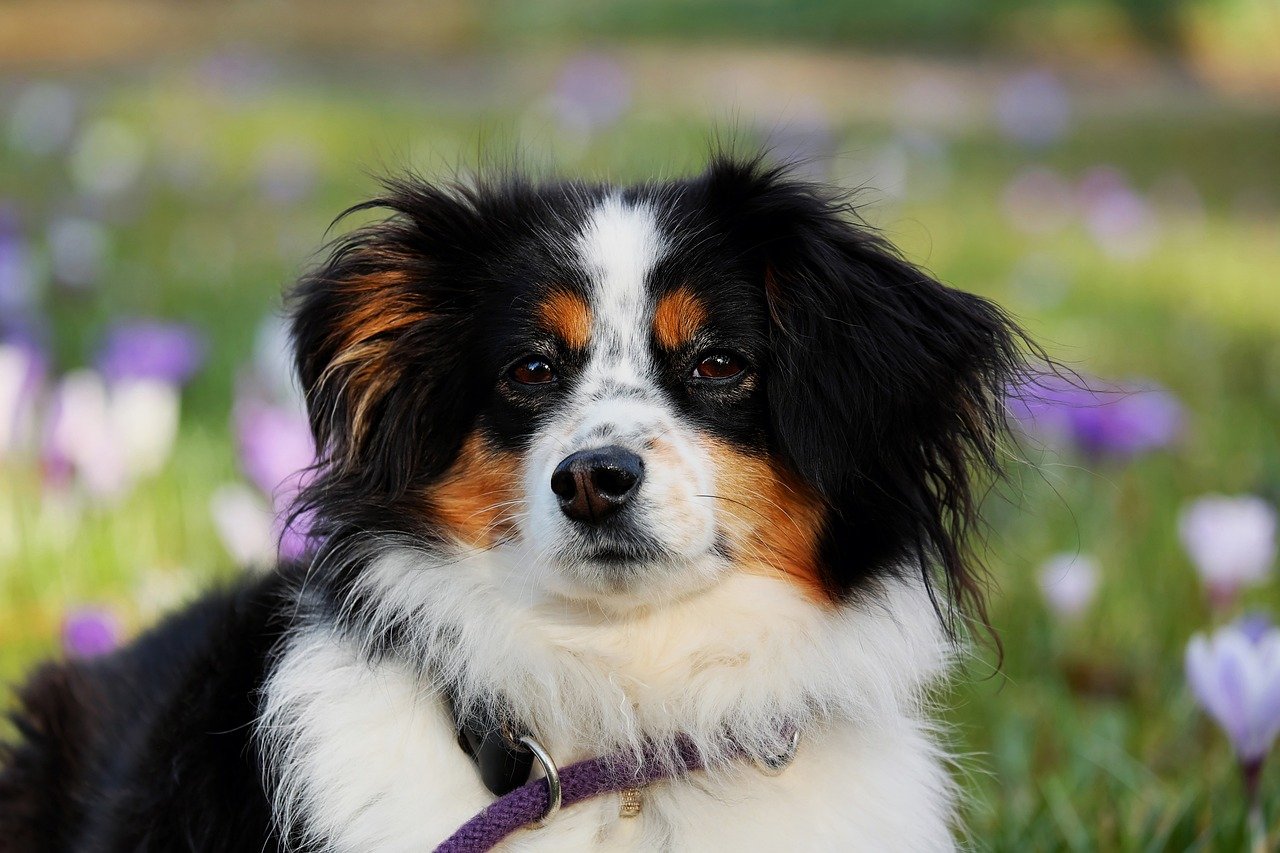
Selecting a dog that matches your lifestyle is essential for a harmonious relationship. An independent dog may be a better fit for those with busy schedules, as they require less attention and can manage alone time efficiently. Conversely, a social dog would thrive in a home where someone is always around or where they can regularly interact with other pets. It’s important to assess your daily routine, space, and resources before deciding on a canine companion. Understanding whether you can provide the necessary environment for either an independent or social dog will ensure a happier life for both you and your furry friend.
Training Techniques for Independent Dogs
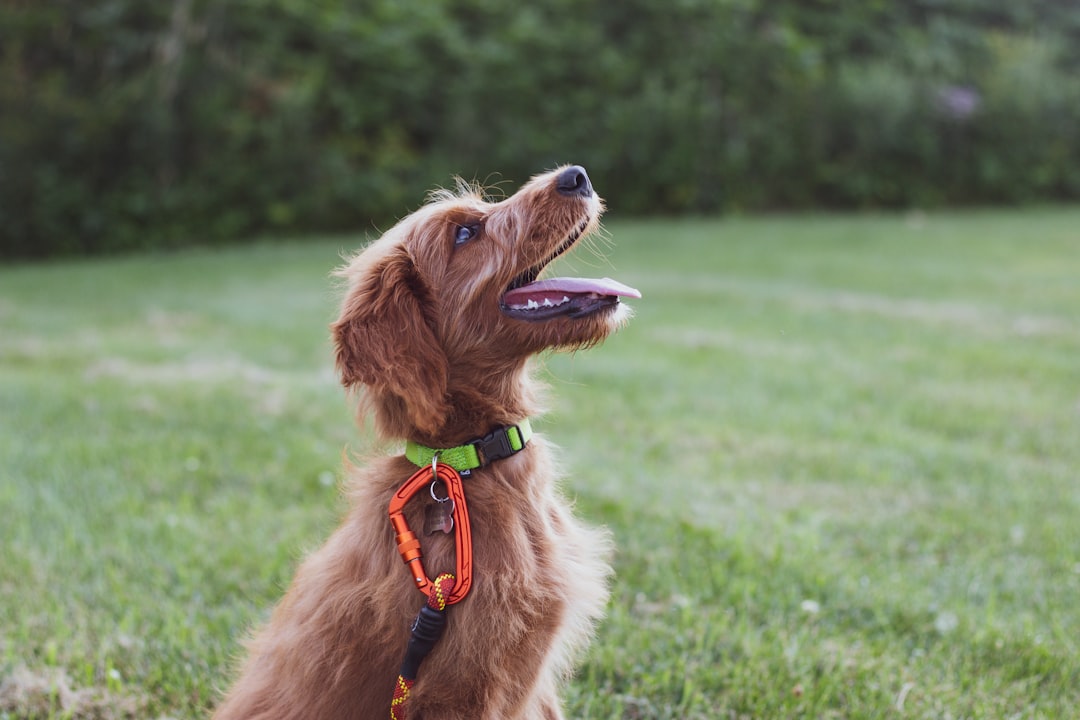
Training an independent dog can be a unique challenge. These dogs may not be as motivated by praise or treats as their social counterparts. Patience and consistency are key when training independent dogs. Engage them with activities that stimulate their minds, like puzzle toys or scent games. Short, focused training sessions work best, as these dogs may lose interest quickly. Building a routine and sticking to it can help in reinforcing good behavior. Remember, understanding their need for space and autonomy will make training a more enjoyable process for both you and your dog.
Engaging Activities for Social Dogs
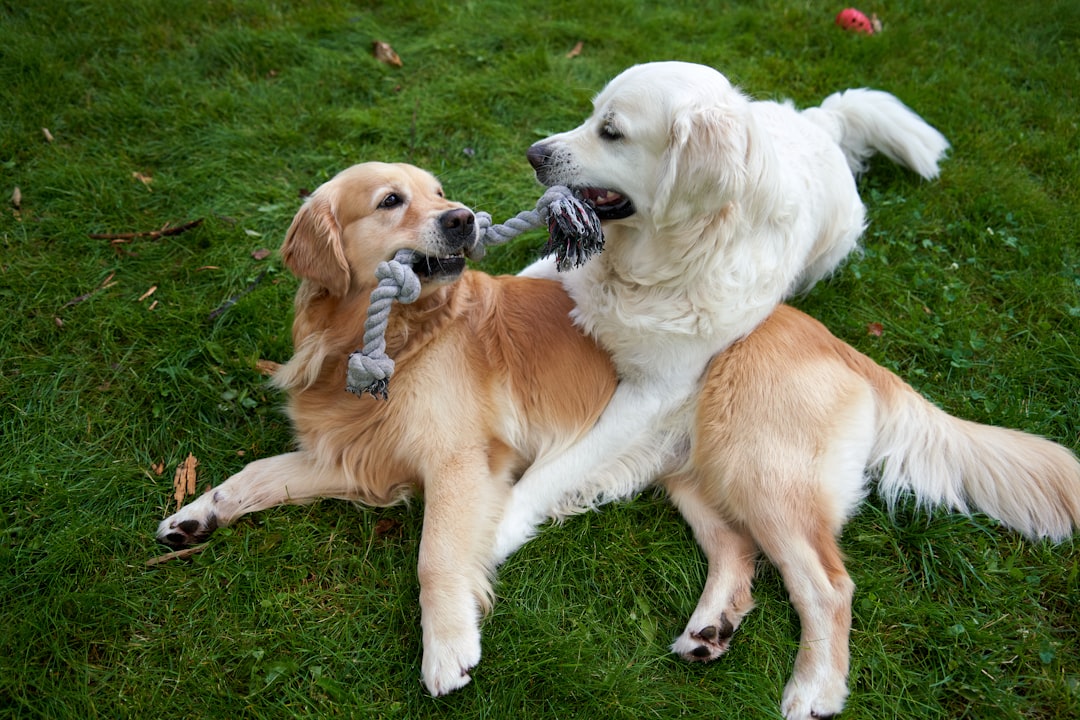
Social dogs require activities that provide ample interaction and stimulation. Regular walks, visits to dog parks, and playdates with other dogs are ideal for keeping them happy and engaged. These dogs often excel in group training classes where they can learn alongside other dogs. Interactive toys that encourage play with their human companions can also be beneficial. It’s crucial to provide a variety of activities to prevent boredom and keep their social nature fulfilled. Social dogs thrive on positive reinforcement, so shower them with praise and affection during activities to encourage good behavior.
Understanding Behavioral Differences
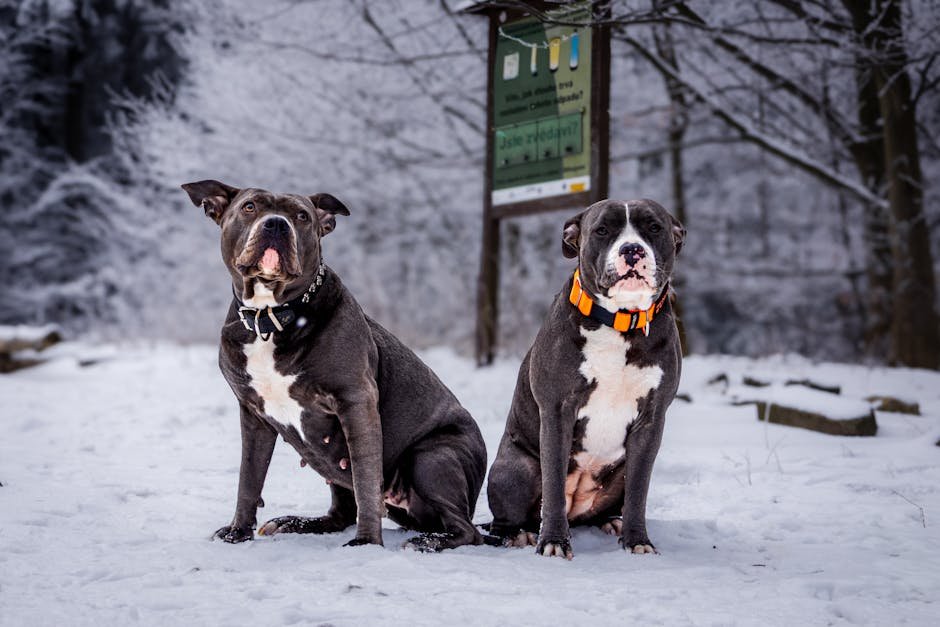
Behavioral differences between independent and social dogs are often apparent in their reactions to new situations and stimuli. Independent dogs might approach new experiences cautiously, taking their time to assess the situation before engaging. In contrast, social dogs are more likely to dive headfirst into new environments, eager to explore and meet new friends. Recognizing these differences can help in managing expectations and ensuring both types of dogs feel comfortable and secure in various scenarios. It’s essential to provide a balanced environment that respects the individual personalities of each dog.
The Importance of Early Socialization
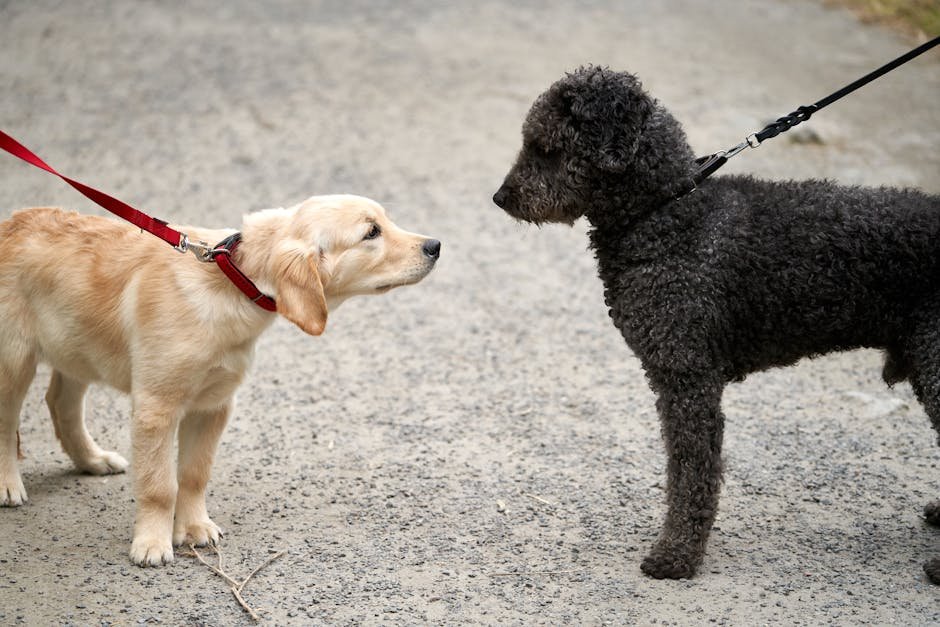
Socialization plays a critical role in shaping a dog’s personality, regardless of whether they are naturally independent or social. Exposing puppies to different people, animals, and environments can help them develop into well-rounded adults. For independent dogs, early socialization can encourage them to be more open to interaction. For social dogs, it can help them manage their excitement and learn appropriate social cues. Early socialization helps prevent behavioral issues and ensures that dogs can adapt to various situations throughout their lives.
Conclusion
Understanding the distinct personality traits of independent and social dogs is vital for any dog lover. Whether you prefer the self-sufficient nature of an independent dog or the lively companionship of a social one, recognizing these traits will help you provide the best care for your furry friend. Embrace their unique personalities, and you’ll find that, regardless of their social tendencies, dogs bring immense joy and fulfillment to our lives.


