
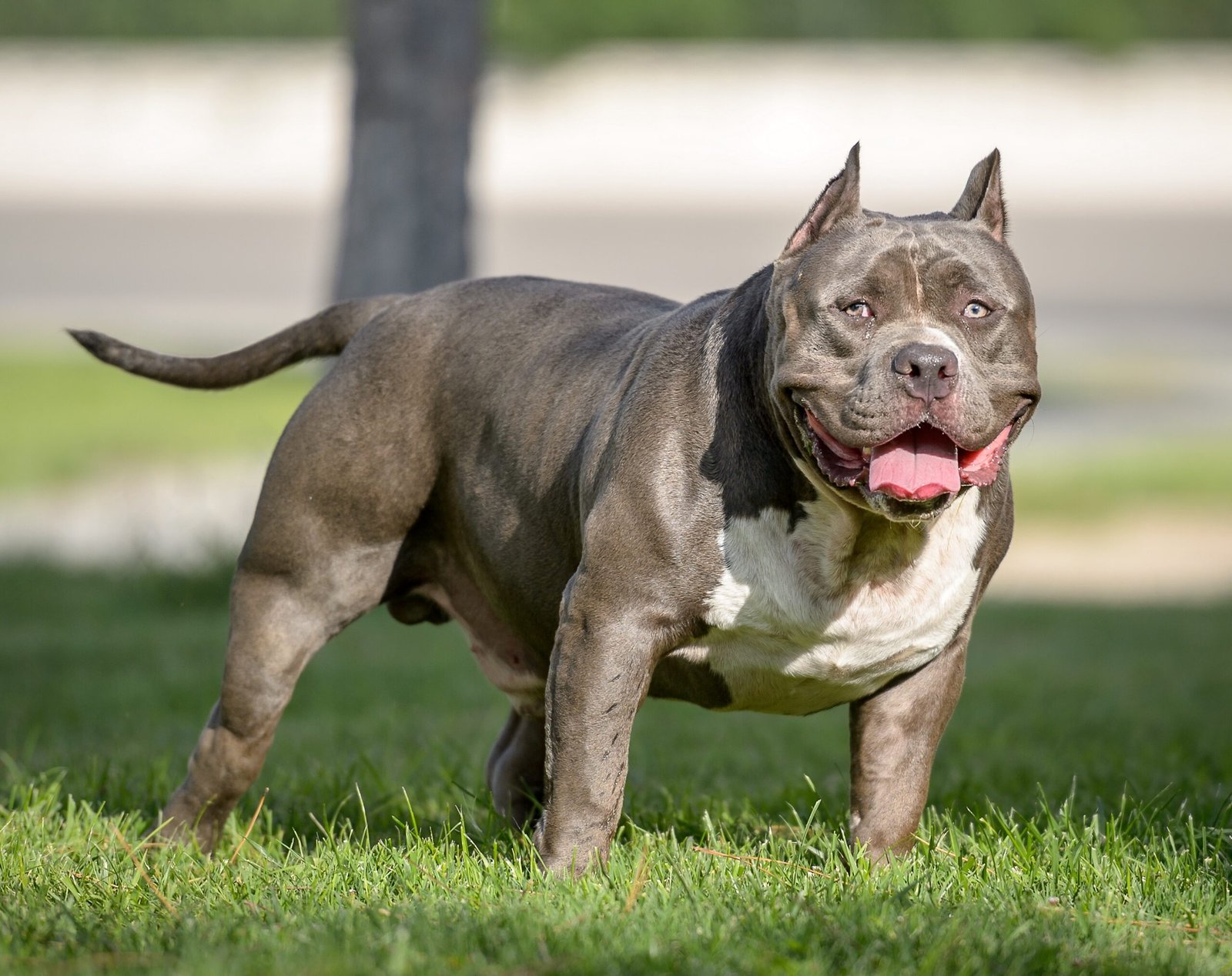
Jersey – Nina Morgan stares down a heartbreaking decision for her 19-month-old American Bulldog, Frankie, after the island’s sole provider of mandatory third-party insurance announced its withdrawal.[1][2] Classified as an XL Bully type due to its size and build, the friendly pet now faces potential seizure and destruction if coverage lapses under new regulations. Owners across the Channel Islands confront similar pressures as compliance deadlines tighten.
A Loyal Companion at Risk
Frankie, described by Morgan as “extremely friendly” and playful, embodies the bond many owners cherish with their powerful pets.[1] Yet recent assessments labeled the dog an XL Bully type, triggering strict legal obligations. Morgan renewed her policy through Dogs Trust’s Companion Club, securing coverage until February 2027. Still, the looming July 2026 cutoff sparked fears of an impossible renewal.
Morgan voiced deep frustration, stating owners feel “set up to fail.”[2] She even explored launching her own insurance scheme but found government inaction baffling. Without viable options, some owners contemplate euthanasia to spare their dogs harsher fates. Frankie’s ongoing skin treatment and upcoming neutering, costing £600 to £700 extra, compound the financial strain after losing separate health coverage.
Jersey’s Tightened Leash on Dangerous Dogs
Authorities updated the Dogs (Jersey) Law 1961 last November, targeting breeds like XL Bullies based on potential harm rather than behavior.[3] From December 2, 2025, owners registered about 15 such dogs on the island within 30 days or faced penalties.[1]
Key mandates include:
- Surgical neutering before 18 months, verified by a vet.
- Microchipping and secure housing to prevent escapes.
- Muzzles and leads in public, handled by adults over 18.
- Continuous third-party public liability insurance, approved by the States Veterinary Officer.
Non-compliance constitutes an offense, with no allowances for sales, rehoming, or transfers. Import and export licenses added hurdles from February 2024.[3]
Dogs Trust Bows to Rising Costs
Dogs Trust UK stepped in post-UK’s 2024 XL Bully ban, offering Companion Club insurance to thousands seeking compliance.[1] Membership doubled amid surging claims, rendering the scheme unsustainable for the charity. Effective July 1, 2026, third-party liability coverage ends for these dogs.
“As a charity, we can no longer afford to offer this benefit,” the organization explained.[2] Renewals remain possible until the deadline, but alternatives proved scarce. This mirrors UK challenges, where the breed drew scrutiny for incidents, including fatal attacks on owners and others since 2021.
Government Scrambles for Solutions
St Brelade Constable Mike Jackson, leading the Constables Committee, assured no dog should face destruction over insurance alone. The States Veterinary Officer collaborates with the UK’s DEFRA to identify providers, acknowledging “everything is insurable but at a price.”[1]
Jackson stressed owner training and suitable environments for large breeds, citing innate traits in some lines. Public respect during walks remains essential. Efforts continue amid elections, with Morgan urging swift action like bulk government policies from insurer hubs.
Lessons from a Breed Under Fire
XL Bully types, often American Bulldogs or crosses with blocky heads and muscular frames, test balances between public safety and pet rights. Jersey aligned with international concerns, yet unforeseen insurance gaps exposed vulnerabilities. Morgan insists aggression stems from poor ownership, not genetics alone.
As solutions emerge, affected families watch anxiously. Around 15 local dogs hang in this balance, their futures tied to policy shifts.
Key Takeaways
- Third-party insurance is non-negotiable for XL Bully types in Jersey, with Dogs Trust exiting July 2026.
- Owners must register by early 2026 deadlines, ensuring neutering, muzzling, and secure conditions.
- Government explores alternatives, but costs may rise sharply for coverage.
This saga underscores the human cost of breed regulations. Responsible ownership matters, but systemic support proves vital. What steps should Jersey take next to protect both pets and people? Share your thoughts in the comments.


