

You bring your dog home, wait for the big personality to kick in, and then… silence. No alarm at the doorbell. No excited yapping when you grab the leash. Just a pair of warm eyes staring up at you, completely unbothered. Most dog owners panic at this point, convinced something must be terribly wrong. Honestly, I get it. We’re so used to the idea of the “noisy dog” that a quiet one can feel almost unsettling.
The truth is, a dog that rarely or never barks can be perfectly healthy, wonderfully happy, and deeply communicative in ways you might not even notice yet. Still, there are times when silence is a signal worth listening to. Let’s dive in and unpack what’s really going on with your quiet canine.
Some Dogs Are Just Born That Way

Just like some people are introverts who prefer cozy silence over karaoke night, some dog breeds are naturally less vocal. The Basenji, famously nicknamed the “barkless dog,” is anatomically unique in that its larynx doesn’t produce a traditional bark. Instead, they make an almost otherworldly yodeling sound. It’s completely normal for them, it’s just how they’re wired.
Other naturally quieter breeds include the Shiba Inu, Greyhound, Whippet, Akita, and even the Bulldog. Greyhounds, known for their calm demeanor, usually prefer a peaceful existence and only make noise when truly stimulated. The Cavalier King Charles Spaniel is typically affectionate and soft-spoken, rarely barking without a good reason. Think of these dogs like that one friend who only speaks when they have something genuinely worth saying.
While breed temperament can play a role, dogs are individuals, each with a unique set of personality traits. Even within typically vocal breeds, some individuals are naturally quieter. Personality plays a significant role in how much a dog feels the need to communicate. So even if you expected a chatty poodle and got a contemplative one instead, that’s not failure. That’s just your dog.
Personality, Confidence, and the Dog Who Simply Has Nothing to Prove
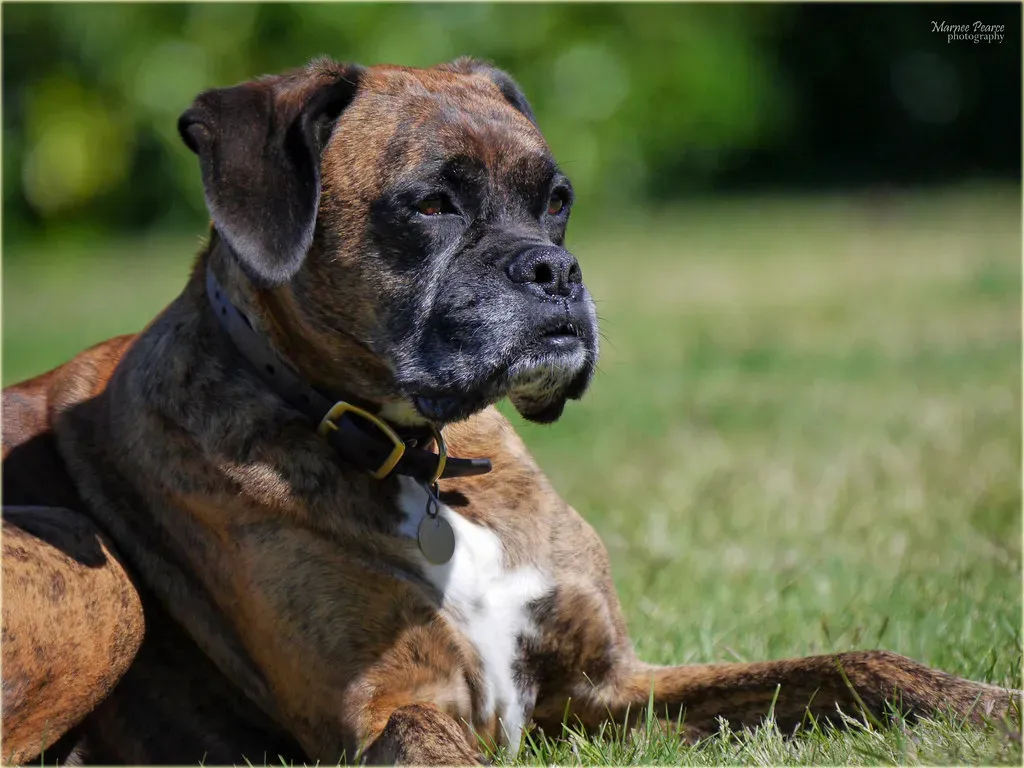
Some dogs are simply too laid back or friendly to bother with barking, while others may not like the sound of their own barking. It sounds almost comical, but it’s true. Some dogs are just chill souls who have decided the world doesn’t need their commentary on every passing squirrel.
A 2020 study published in Scientific Reports linked canine personality traits to barking frequency, noting that dogs who were more anxious or highly excitable tended to bark more, while calm and secure dogs barked less. Here’s the thing: a dog that doesn’t bark may actually be a sign of a confident, well-settled animal, not a broken one.
A dog raised in a consistently calm environment, where their needs are met without them having to make a fuss, might simply not see the need to bark. Dogs that don’t bark tend to be well socialized, feel less anxious, and are overall more confident in various social situations. If your dog is relaxed, engaged, and thriving, their silence may just be a personality trait to embrace rather than fix.
When Silence Comes from Fear or a Difficult Past

This one hits close to home for anyone who has adopted a rescue. If your quiet dog is newly adopted, it could be that they’re too shy to bark. Often, dogs adopted from a shelter or rescue tend to be on their best behavior during the first days or even weeks following adoption, and may begin to bark more as they become more comfortable in their new surroundings.
An abusive owner who didn’t hesitate to use force to impose a rule of silence is more than enough to convince a dog that barking is never worth the consequences. Dogs may be easy to forgive, but they rarely forget. If a past owner punished barking with a shock collar or violence, it’s understandable for the dog to assume all humans have the same rule. Your dog’s vow of silence could be a self-preservation strategy carried over from an old life.
With love and time, your dog might eventually get over their fear and go back to barking normally. Patience is everything here. Think of it like helping someone rediscover their voice after being told for years to stay quiet. That kind of healing doesn’t happen overnight, but it does happen.
When Silence Might Mean Something Is Wrong

Let’s be real: not every quiet dog is just laid-back. Sometimes, silence is the body’s way of sending an SOS. Respiratory conditions, chronic vomiting, trauma to the larynx or trachea, and metabolic disorders are all possible medical reasons why a dog doesn’t bark. If you’ve noticed a sudden change, pay close attention.
Older dogs can lose their vocal ability due to age-related muscle weakness or nerve degeneration. If your dog tries to bark but only manages a whisper or a raspy sound, or if you notice any difficulty breathing, hoarseness, or a sudden change in their vocal behavior, it’s definitely time for a vet visit.
You should also consult a vet if your pup has a hoarse or weak bark that persists, shows signs of illness, or has trouble eating or swallowing. If your pup is coughing, lethargic, or has trouble breathing, it could be the sign of a respiratory illness. Challenges with swallowing might indicate throat or nerve issues. Trust your gut. You know your dog. If something feels off, act on that feeling quickly.
How Barking Changes Throughout a Dog’s Life
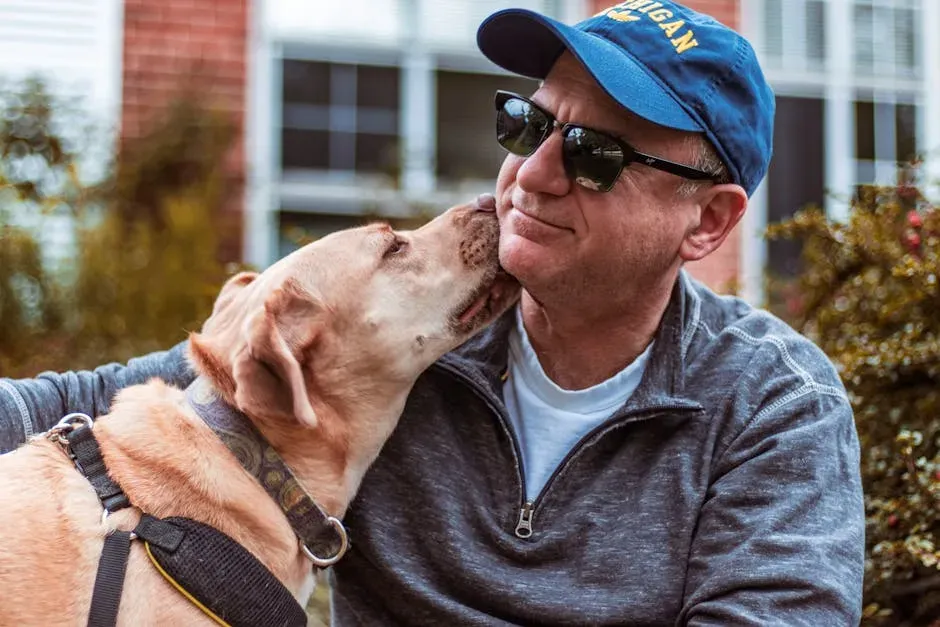
Here’s something a lot of dog owners don’t realize: your dog’s vocal habits are not set in stone. A dog’s barking habits often change throughout their life as they grow from puppies into adults and eventually into their senior years. Barking helps puppies explore and communicate with the brand new world around them, but that curiosity-driven urge to bark may lessen as they settle into their golden years.
During adolescence, barking may peak due to increased energy and confidence. In adulthood, it stabilizes based on training and environment. In the senior years, barking may decrease due to lower energy levels or cognitive decline, though some older dogs bark more due to confusion or sensory decline. It’s a whole arc, really, not so different from how humans find their voice at different stages of life.
These phases don’t start and stop overnight, and shifts should be gradual. Any sudden change in barking may require a visit to the vet. If your once-chatty companion has become quiet with age, it may simply be part of the natural aging process. The key word there is “gradual.” Slow change is normal. Overnight silence is a conversation to have with your vet.
Conclusion: Silence Can Be Golden, But Stay Curious

A dog that never barks can be one of life’s quiet joys, a calm presence that communicates through tail wags, soft huffs, and those soul-melting eyes. Your dog not barking isn’t necessarily a red flag, but it can be a clue worth digging into. Whether it’s a quirk of their breed, a health concern, a learned behavior, or a reflection of their serene little soul, every dog communicates in their own way.
The most important thing you can do is stay observant. If your dog’s silence comes with other behavioral or physical changes, it’s best to consult a veterinarian, as dogs often communicate distress through what they don’t do. A healthy, happy silent dog is a gift. A suddenly silent dog is a question that deserves an answer.
Your dog may not speak in barks, but they’re always communicating with you. The real question is: are you listening closely enough to hear what they’re saying?


