
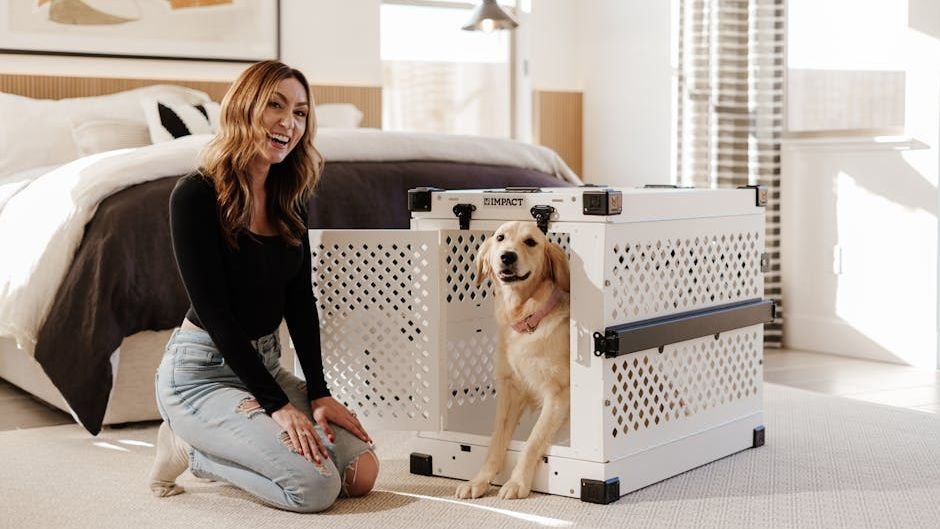
Picture this: dark clouds roll in, the first crack of thunder splits the sky, and your dog – your usually goofy, tail-wagging best friend – suddenly transforms into a trembling, wide-eyed shadow pressed against your legs. Sound familiar? You’re definitely not alone, and honestly, watching it happen never gets easier.
The truth is, storm anxiety in dogs is one of the most common and most misunderstood issues that pet parents face. There’s so much conflicting advice out there – should you comfort them or ignore them? Is it getting worse? Is something medically wrong? The questions pile up as fast as the storm clouds. Let’s dive into what’s really going on and what you can actually do about it.
Yes, It’s Completely Normal – Here’s Why
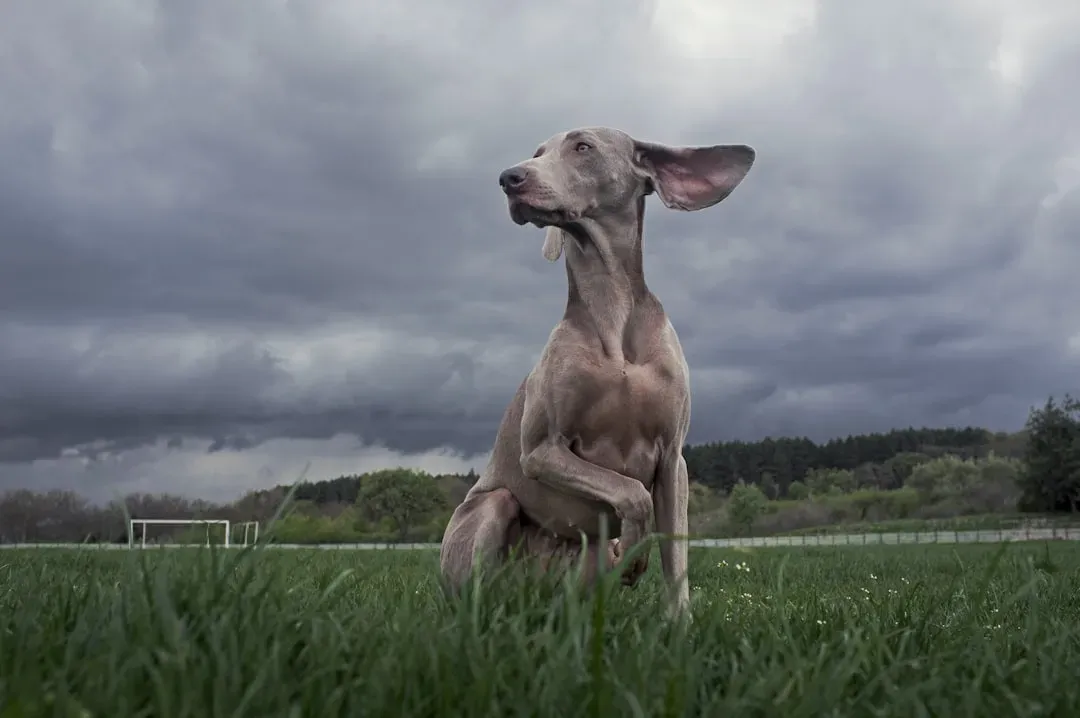
Let me start by reassuring you: your dog is not broken, dramatic, or “too sensitive.” Canine thunderstorm anxiety is a recognized disorder characterized by a persistent and exaggerated fear of storms or the stimuli associated with storms. It’s more common than most people think. Thunderstorm phobia occurs in both dogs and cats, but dogs are significantly more susceptible to this type of fear.
Here’s the thing – your dog’s senses are working overtime during a storm. The bright flash of lightning, the sound of high wind and rain, the smell of ozone from lightning strikes, changes in barometric pressure, and even the static charge built up during a thunderstorm can all bring about panic. Dogs may even start showing signs of fear before a thunderstorm begins, as their ears are much more attuned to low-frequency noises that humans can’t hear. Think of it like this: imagine hearing a fire alarm not just at the level you hear it, but three times louder, with no way to ask someone what it means. That’s your dog’s reality.
Why Your Dog Senses the Storm Long Before You Do

Ever notice your dog acting weird and restless before a single drop of rain falls? Your dog will know a storm is coming well before you do, so watch for any changes in behavior. Dogs have an instinctive sense of extreme weather changes, so you may see signs of stress before the thunder ever rolls. It can feel almost eerie, like they’re picking up on something invisible.
Dogs can be affected by factors including sensitive hearing that makes sounds even louder, uncomfortable tingling due to static electricity in their fur, air pressure changes that happen before a storm, and negative memories and trauma due to past experiences with storms or loud noises. The smell of the air also changes when a storm approaches, and a dog’s keen nose detects this early. Air pressure shifts too, and a dog’s ears are more sensitive to pressure changes than most people’s. In some cases, it might even hurt. That’s a lot for one animal to process all at once.
Reading the Signs: What Storm Anxiety Actually Looks Like
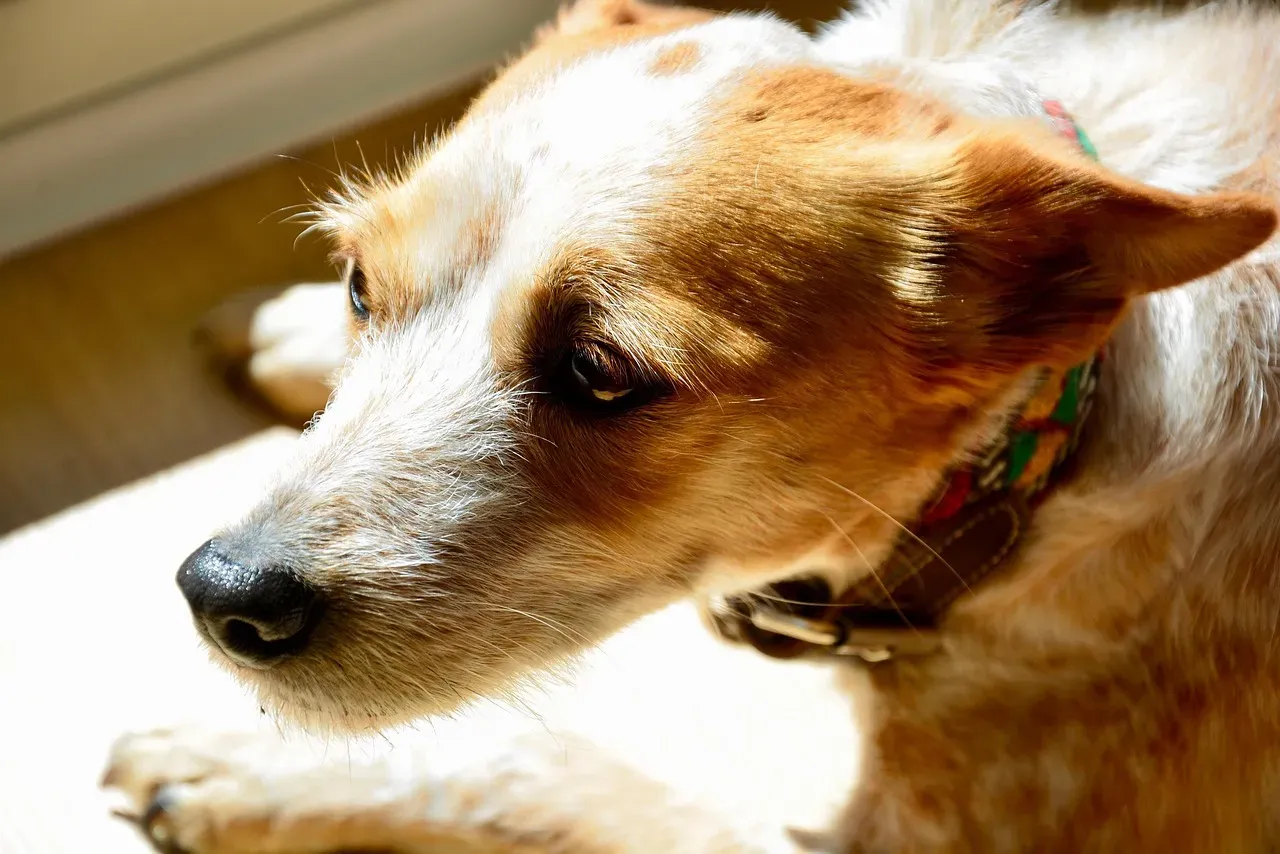
Storm anxiety doesn’t always look the same in every dog. Mild reactions to thunderstorms include trembling, hiding, or snuggling up to you. Those are actually the easier signs to catch. The trickier ones can sneak up on you.
Many dogs are terrified of the noise and react by hiding, pacing, panting, trembling, peeing, pooping, drooling, and destroying things. Some dogs even take it to the extreme of hurting themselves by jumping through windows and doors. That escalation is not just inconvenient – it’s a real welfare concern. If your dog’s thunderstorm phobia is severe and storms occur with some regularity where you live, the chronic effects could lead to a decreased quality of life and potentially problems like immune dysfunction and an increased risk of infection. So taking it seriously matters more than most people realize.
Creating a Safe Space: Your Dog’s Storm Sanctuary
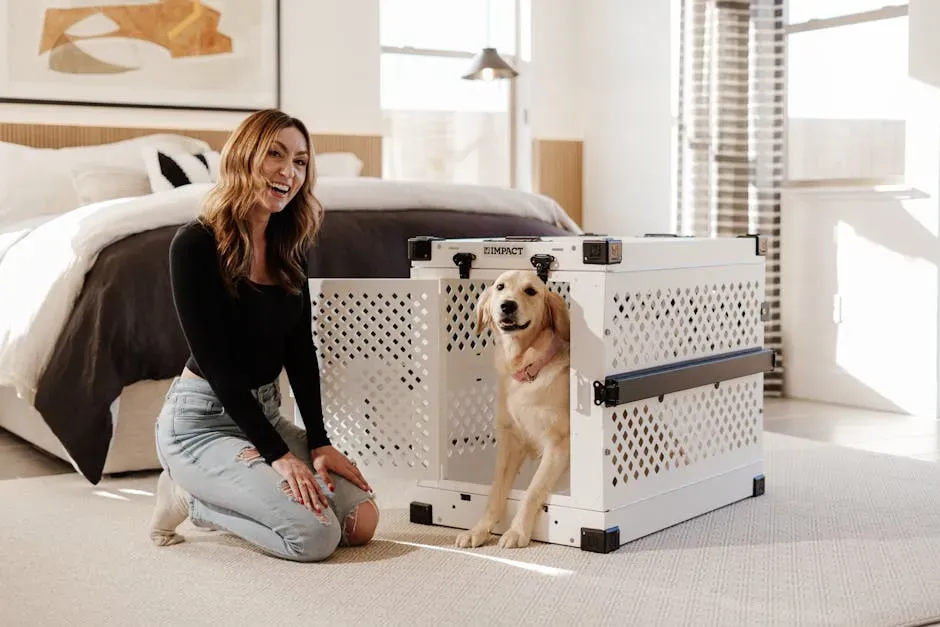
One of the most powerful things you can do costs absolutely nothing. The first step in managing and treating all types of noise phobia in dogs is to give them a safe place to hide. This safe haven can be a windowless basement, closet, crate, or bathroom. Think of it as their personal storm bunker – their version of crawling under a weighted blanket.
Dogs like going to a space like their crate or a dark closet during a thunderstorm because it’s familiar and soothing. Having a safe place for your dog to retreat to when it’s storming is a great way for them to find comfort. This space could be a kennel, a bed, or even a small room and should include comfortable bedding and some of their favorite toys. Pro tip: set this space up before storm season hits so your dog already loves it and associates it with safety, not panic.
What You Should (And Shouldn’t) Do During a Storm

This is where things get a little nuanced, so hear me out. A lot of dog owners have been told not to comfort their scared dog because it “reinforces the fear.” Honestly, that guidance has evolved. Offering comfort during a storm is encouraged and does not reinforce fear. Your presence can genuinely help.
That said, how you comfort matters. If a dog is visibly stressed during a thunderstorm, some owners instinctively use a soothing, sing-song voice saying things like “It’s okay, there’s nothing to be scared of.” While the intention is kind, this consoling tone can actually confuse your dog and may unintentionally reinforce fearful behavior or even make it worse, because the tone contradicts how the dog is feeling and may signal that their anxiety is a proper response to the storm. Instead, an owner’s calm presence is more effective at calming a dog during a thunderstorm, so try gentle petting or letting them sit on your lap rather than speaking in overly emotional tones. Stay steady. Be their anchor.
Long-Term Solutions: Training, Tools, and When to See a Vet
Here’s where the real work – and real hope – lives. Desensitization and counterconditioning are forms of behavior modification used to reduce fear of noise and storms. Desensitization exposes the dog to a scary noise at such a low level that the animal is not scared. Counterconditioning changes the association of the noise with fear. You can start this at home by playing storm sounds on YouTube at a barely audible volume while giving your dog their favorite treats, then very gradually increasing the volume over weeks.
Classical counterconditioning aims to shift a dog’s emotional response from fear to a more neutral or positive state by pairing a pleasurable experience with the aversive stimulus. During thunderstorms, this often involves offering the most delicious high-value treat immediately following each clap of thunder. For dogs with more intense anxiety, prescription anti-anxiety medications are sometimes needed, especially for severe storm phobias or for dogs who do not respond to over-the-counter treatments. There is absolutely no shame in reaching out to your vet. In a study published in 2003, 30 out of 32 dogs showed significant improvement in their symptoms with appropriate medication and behavior modification treatment. That’s a hugely encouraging number.
Conclusion: You’re Already Doing Something Right by Caring
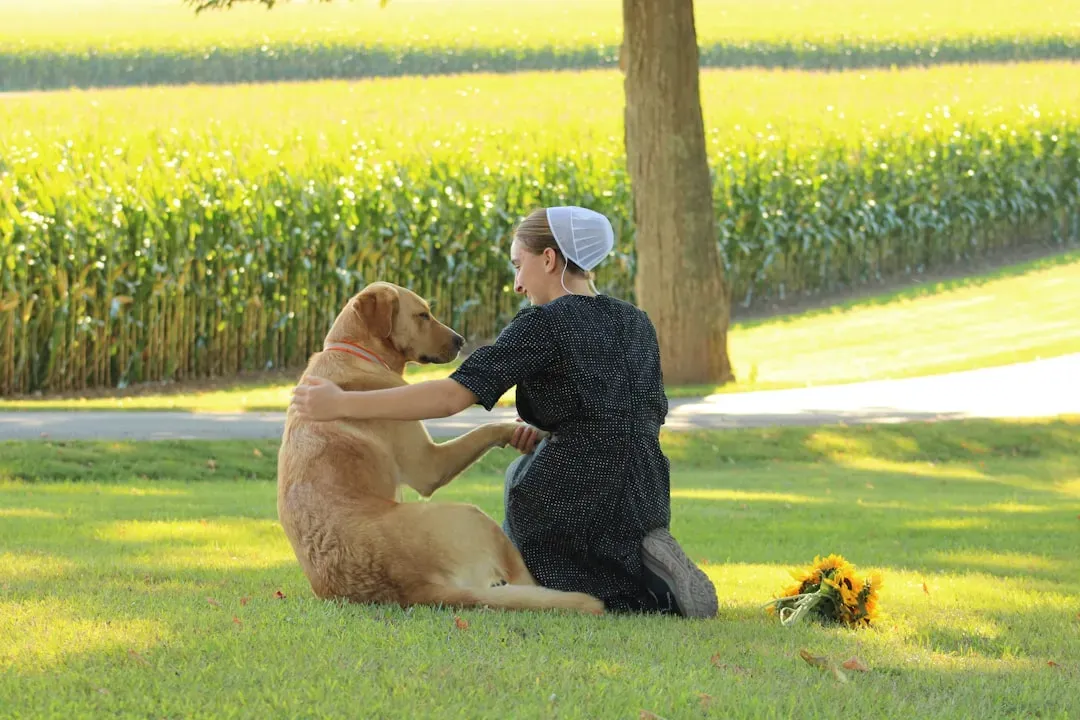
The fact that you’re reading this tells me everything I need to know – you’re a devoted, thoughtful dog parent who wants to understand and help your dog rather than just endure the storm together. That matters more than any product or training protocol.
With proper treatment, love, and support, your dog may become less scared of thunderstorms over time. Desensitization training and counterconditioning can take anywhere from a few months to several years, depending on how often you can practice these techniques. It’s a journey, not a quick fix. Be patient with your pup, be patient with yourself, and lean on your vet when things feel overwhelming.
Your dog trusts you with their whole heart, even during the loudest, scariest storms. The best thing you can do is show up, stay calm, and keep learning. So the next time those clouds roll in, remember: you’ve got this, and so does your dog. What has your pup taught you about patience on a stormy night?


