

Have you ever watched your dog happily gnawing on a rawhide chew and wondered, “Is this treat actually safe?” For many dog lovers, rawhide has been a long-standing favorite, promising happy chewing and fewer chewed-up shoes. But behind those wagging tails, there’s a storm of debate. Some folks swear by rawhide’s dental benefits, while others warn of hidden dangers. It’s a topic that tugs at the heartstrings of every pet parent. Let’s dig deep into the truth about rawhide—its perks, its risks, and everything in between. Get comfy, call your pup over, and join in as we untangle the facts.
What Is Rawhide, Really?
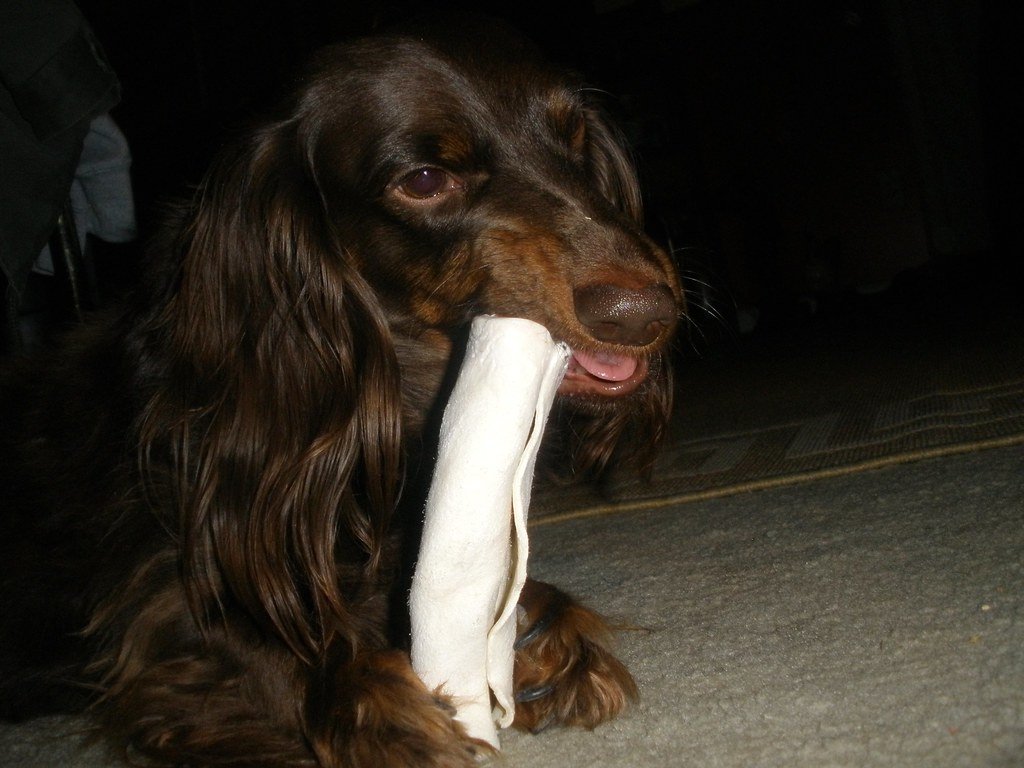
Rawhide isn’t just a fancy name for a chew toy. It’s actually made from the inner layer of cow or horse hides. After the hides are cleaned and cut, they’re pressed into those familiar shapes—bones, twists, knots, and even fun little donuts. The process isn’t always as simple as it sounds. Sometimes, rawhide chews are treated with chemicals to clean or preserve them, and they can be flavored or colored to be more appealing to your dog.
For many pet owners, rawhide is a staple in their dog’s treat jar. It’s cheap, easy to find, and dogs seem to go wild for it. But while it looks like harmless fun, the story behind that chewy treat is a bit more complicated. The way rawhide is processed can vary a lot from one brand to another, which means not all rawhide chews are created equal. That’s why it’s so important to look beyond the packaging and know exactly what you’re giving your furry best friend.
The Joys of Chewing: Why Dogs Love Rawhide

Chewing is as natural to dogs as wagging their tails. It helps puppies soothe teething pain and gives adult dogs a way to relieve stress or pent-up energy. Rawhide chews tap right into this primal instinct. They’re tough enough to keep a dog busy for hours, and there’s something about tearing into that leathery snack that just feels satisfying for them.
Watching a dog zone out with a rawhide bone can be adorable. It’s like their own little meditation session—chewing away their worries. Plus, chewing can help prevent boredom and destructive behaviors. A dog that’s happily gnawing on rawhide is less likely to chew your shoes or dig into the trash. For some pet owners, rawhide feels like a lifesaver, turning chaos into calm with a single treat.
Potential Dental Benefits of Rawhide
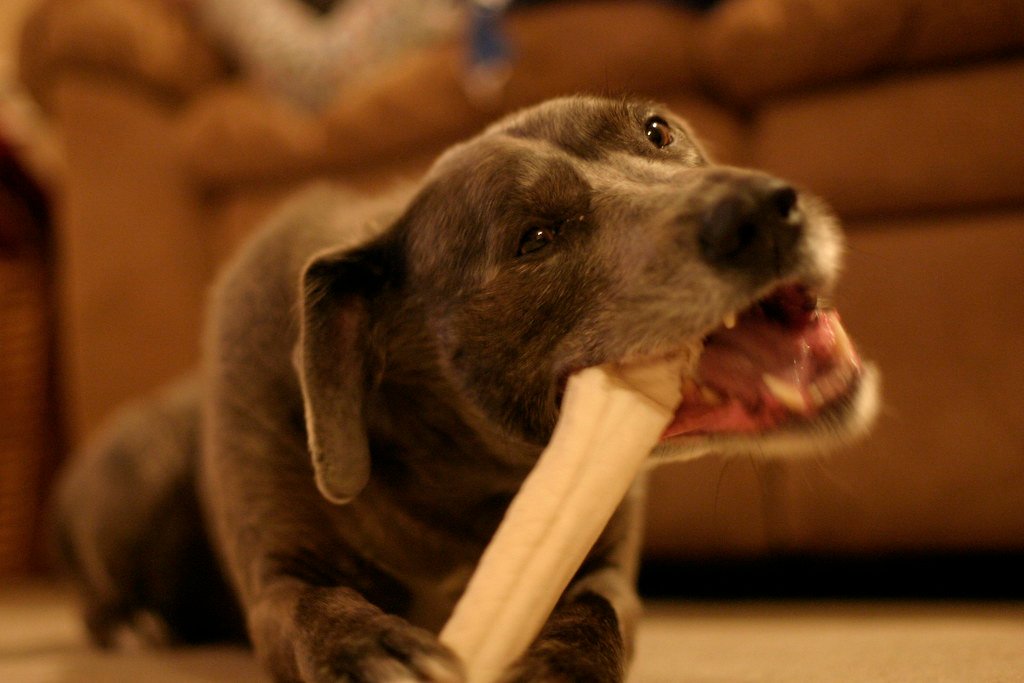
One of the big arguments in favor of rawhide is its dental perks. As dogs chew, the abrasive texture of rawhide scrapes against their teeth, helping to remove plaque and tartar. Some vets say this can lead to fresher breath and healthier gums. For dogs who aren’t fans of toothbrushes, rawhide seems like an easy fix for dental care.
But it’s not a magic cure-all. While some dental improvement is possible, not every dog will benefit the same way. Dogs that gulp their treats might not get much scraping action at all. And if the rawhide is too soft or chewed up too quickly, it doesn’t help scrub teeth much. Still, for many dogs, the act of chewing something tough does give their mouths a good workout, and that’s never a bad thing.
Choking Hazards and Blockages
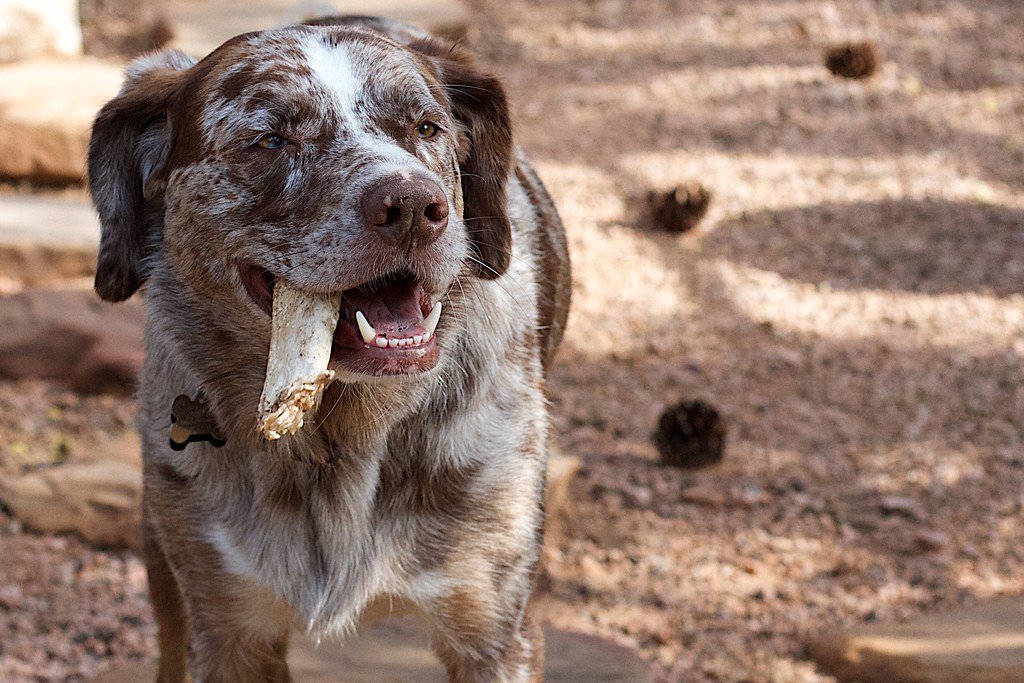
Now, here’s where things get a little scary. Rawhide can pose real risks if your dog is a gulper instead of a nibbler. When big pieces break off, dogs might swallow them whole. These chunks can get stuck in their throat, leading to choking, or worse, block the digestive tract. It’s a terrifying thought—one minute, your dog is happily chewing, and the next, they’re in distress.
Emergency vets often see cases where rawhide has caused dangerous blockages that require surgery. Small dogs and aggressive chewers are especially at risk. Even with close supervision, accidents can happen in a blink. If you’ve ever had to pry a soggy chunk of rawhide out of your dog’s mouth, you know just how quickly things can go wrong. It’s enough to make any dog lover’s heart skip a beat.
Chemical Concerns: What’s In That Chew?
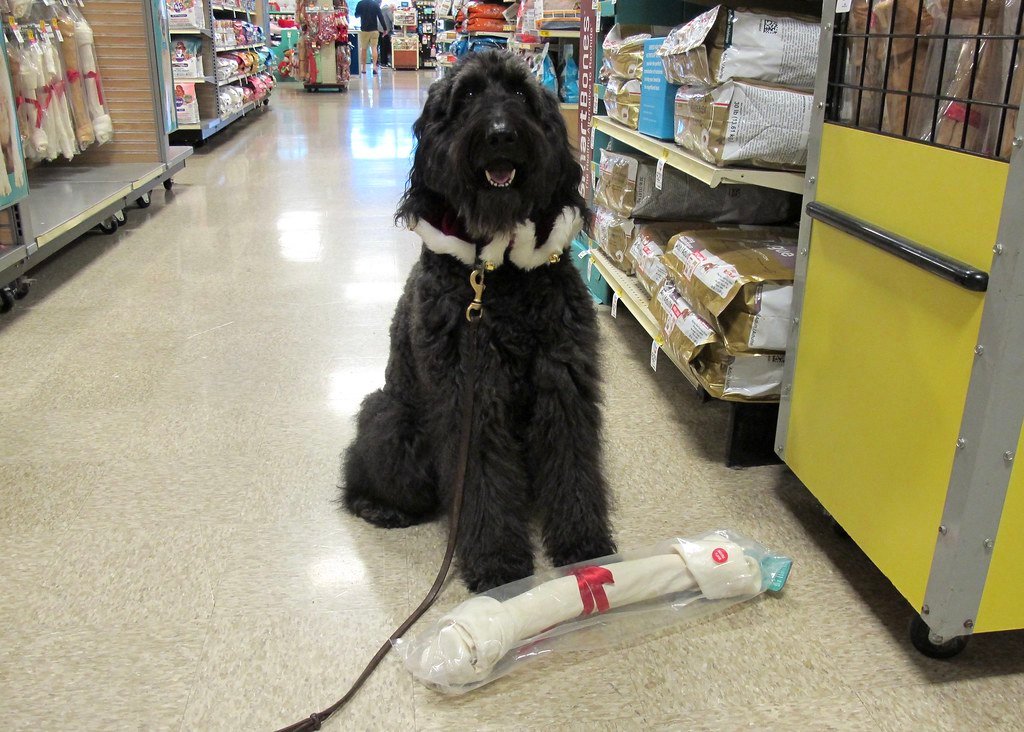
Not all rawhide chews are as wholesome as they appear. During processing, some are treated with chemicals like bleach, hydrogen peroxide, or artificial colors and flavors. These additives can linger in the chew, and your dog ends up ingesting them. For pet parents who try to keep things natural, this can be a big red flag.
Some chews are imported from countries with looser regulations, increasing the risk of contamination. If you’re worried about chemicals or allergens, it’s essential to check labels and buy from trusted brands. But even then, it’s not always clear what’s really in that treat. It’s a bit like playing ingredient roulette—do you really know what your dog is chewing on?
Digestibility: Can Dogs Break Down Rawhide?

Dogs’ stomachs are tough, but rawhide can be even tougher. Unlike some natural treats, rawhide isn’t fully digestible. When large pieces are swallowed, they may sit in the stomach or intestines, causing discomfort, vomiting, or even dangerous blockages. For dogs with sensitive stomachs, even small amounts of rawhide can lead to an upset tummy.
Every dog is different—some seem to handle rawhide just fine, while others have trouble with even the tiniest pieces. Puppies, senior dogs, and breeds prone to digestive issues may be especially vulnerable. If you’ve ever noticed your dog straining after a chewing session, rawhide might be the culprit. It’s a reminder that tougher isn’t always better when it comes to treats.
Possible Bacterial Contamination
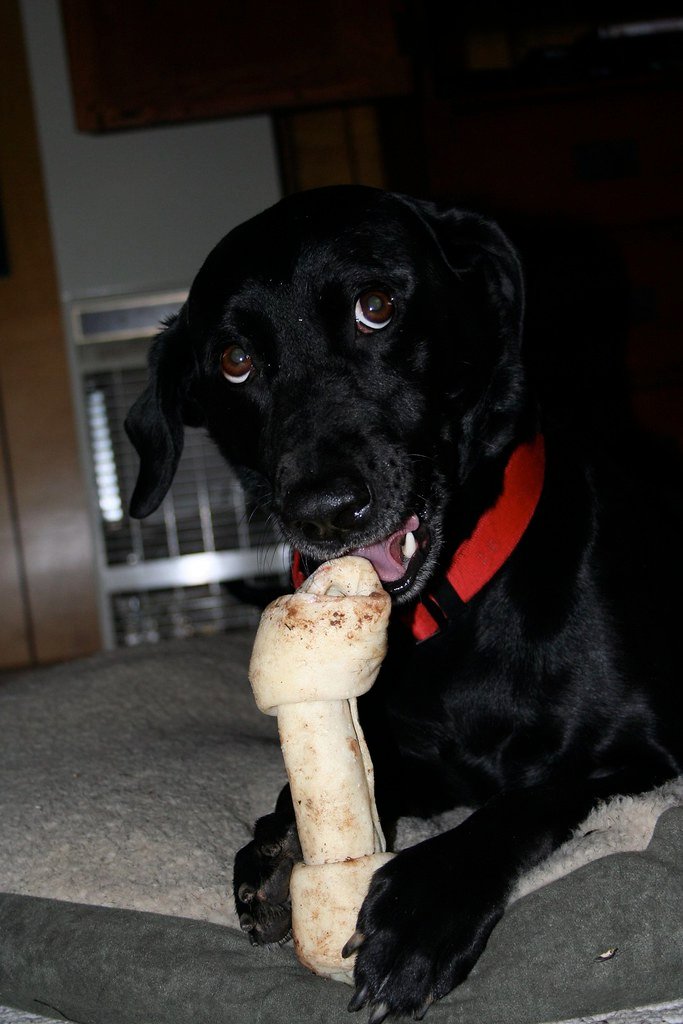
Here’s another curveball: rawhide can carry bacteria like Salmonella or E. coli. Since it’s an animal product, it’s not always processed in sterile environments. Dogs with strong immune systems may not be fazed, but puppies, older dogs, or those with health issues can get sick from contaminated chews. Even humans handling the chews can be at risk if they don’t wash their hands.
Some pet owners have reported their dogs experiencing vomiting or diarrhea after eating rawhide. While not every chew is contaminated, the risk is real enough to make some people think twice. It’s one of those hidden dangers that’s easy to overlook—until your dog (or you) gets sick.
Alternatives to Rawhide: Other Chew Options
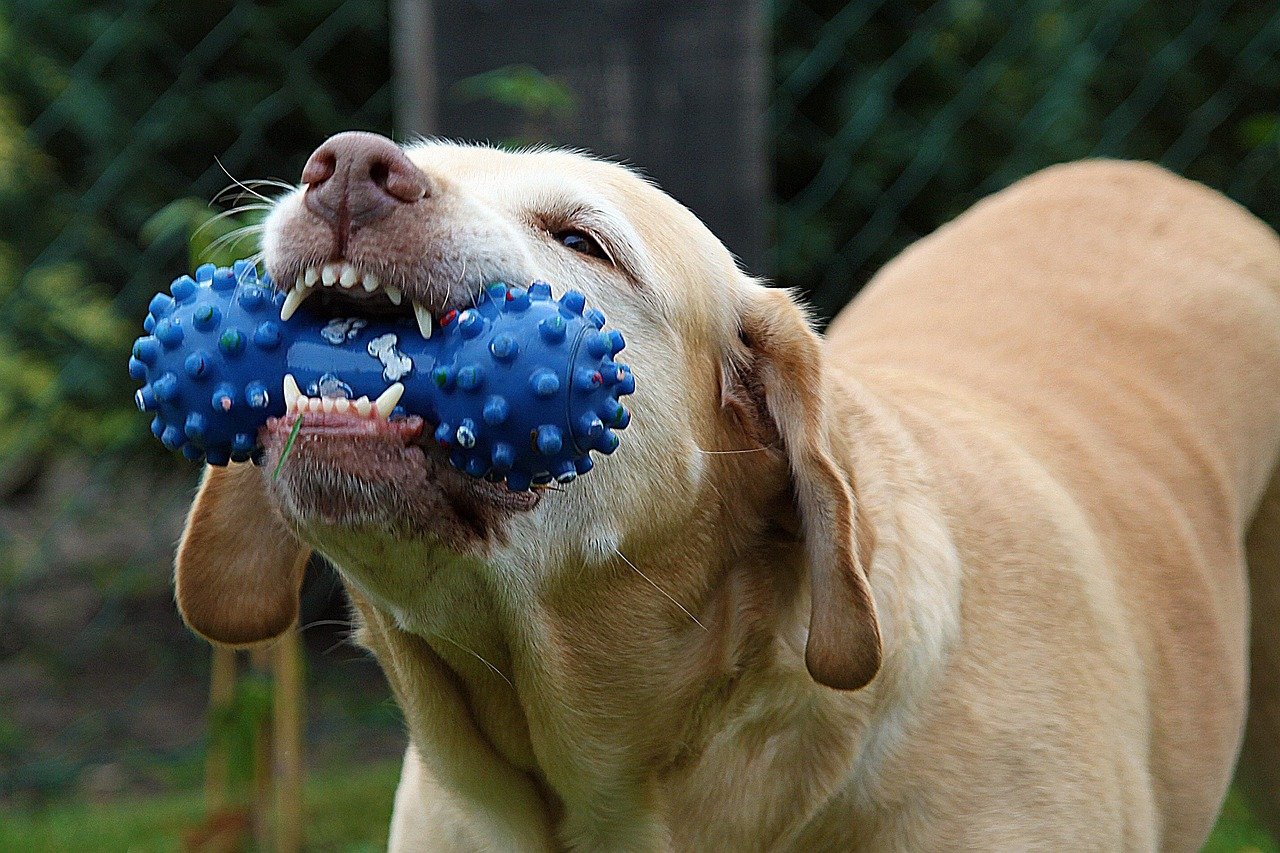
For those who worry about rawhide but don’t want to give up on chew treats, there are plenty of alternatives. Options like bully sticks, sweet potato chews, or rubber toys can keep dogs busy and satisfied. Some pet stores now carry rawhide-free chews made from ingredients like chicken, rice, or vegetables.
Each alternative has its pros and cons, but many are easier to digest and less likely to cause blockages. Of course, every dog is different—what’s safe for one might not work for another. If you’re trying out new chews, it’s smart to supervise your dog and see how they handle it. Sometimes, finding the perfect chew is a bit like matchmaking: you may need to try a few before you find “the one.”
How to Choose Rawhide Safely, If You Decide To

If you’re sticking with rawhide, a little caution goes a long way. Always pick rawhide chews that are the right size for your dog—too small, and they’re a choking risk; too big, and your dog might lose interest. Look for products labeled as “natural” or “no artificial additives,” and check where they’re made. Chews from countries with stricter safety standards are usually a safer bet.
Supervision is key. Don’t leave your dog alone with a rawhide chew, especially if they’re known to bite off big chunks. Toss out any small, soggy pieces before they become a hazard. It’s a bit more work, but your dog’s safety is worth it. Making an informed choice can help you enjoy the benefits of rawhide without as many risks.
Signs Your Dog May Be Having Trouble With Rawhide

It’s important to know the warning signs that something isn’t right. If your dog starts coughing, gagging, or pawing at their mouth while chewing, it could mean a piece is stuck. Vomiting, loss of appetite, or signs of pain after eating rawhide are red flags for a possible blockage. Even diarrhea or unusually smelly gas can signal a problem.
Don’t ignore your instincts. If you notice anything unusual, it’s always better to check with your vet than wait and see. Some dogs may never have an issue, but it only takes one bad experience to realize how quickly things can change. Keeping a close eye on your dog can make all the difference.
Talking To Your Vet: Personalized Advice Matters

Every dog is unique, and there’s no one-size-fits-all answer when it comes to rawhide. Your vet knows your dog’s health history and can offer advice tailored just for them. They can help you weigh the pros and cons, recommend safe brands or alternatives, and even suggest how often your dog should have chew treats.
If you’re ever unsure, reaching out to your vet is the smartest move. They’ve seen it all and can help you make the best decision for your furry family member. After all, there’s nothing more important than your dog’s safety and happiness.
The debate over rawhide comes down to one key factor: your dog’s individual needs and how informed you are as a pet parent. While rawhide can offer dental benefits and satisfy natural chewing urges, it also carries potential risks like choking, digestive blockages, and chemical exposure. Choosing safer alternatives or high-quality, vet-approved rawhide products—and supervising your dog during chew time—can help strike the right balance. Ultimately, what matters most is making choices that prioritize your dog’s safety, health, and happiness. Isn’t that what being a pet parent is all about?


