

You come home after a long day, ready to finally relax, and before you can even take off your shoes, there’s a pair of impossibly sad eyes staring up at you. Your resolve melts instantly. Suddenly you’re on the couch, dog in lap, Netflix forgotten, wondering who exactly is in charge here.
Here’s the thing – you might not be as in control as you think. Dogs have spent thousands of years evolving alongside humans, learning exactly how to communicate to get what they want. That’s not an accident. That’s a masterclass in social engineering, and your dog has been enrolled since puppyhood. Let’s dive in.
Sign #1: Those Puppy Dog Eyes Are Scientifically Engineered to Work on You

If you’ve ever felt completely powerless under your dog’s gaze, you’re not weak. You’re just human. Research has shown that people naturally prefer “baby-like” facial features, and dogs have perfected this advantage with a unique eyebrow-raising muscle that makes their eyes appear bigger and more expressive.
Behavioral data also suggests that dogs raise their inner eyebrows more frequently and with higher intensity than wolves do, and researchers believe dogs with these “puppy dog eyes” were preferential to humans and therefore more highly selected. Essentially, the cutest dogs got the most love, and over generations, the cuteness got dialed all the way up.
Prevention tip: Acknowledge the look, appreciate the genius behind it, but practice asking your dog to sit or perform a small behavior before rewarding the gaze with attention or treats. You can love those eyes without letting them run your household.
Sign #2: The Selective Hearing Is Not What You Think
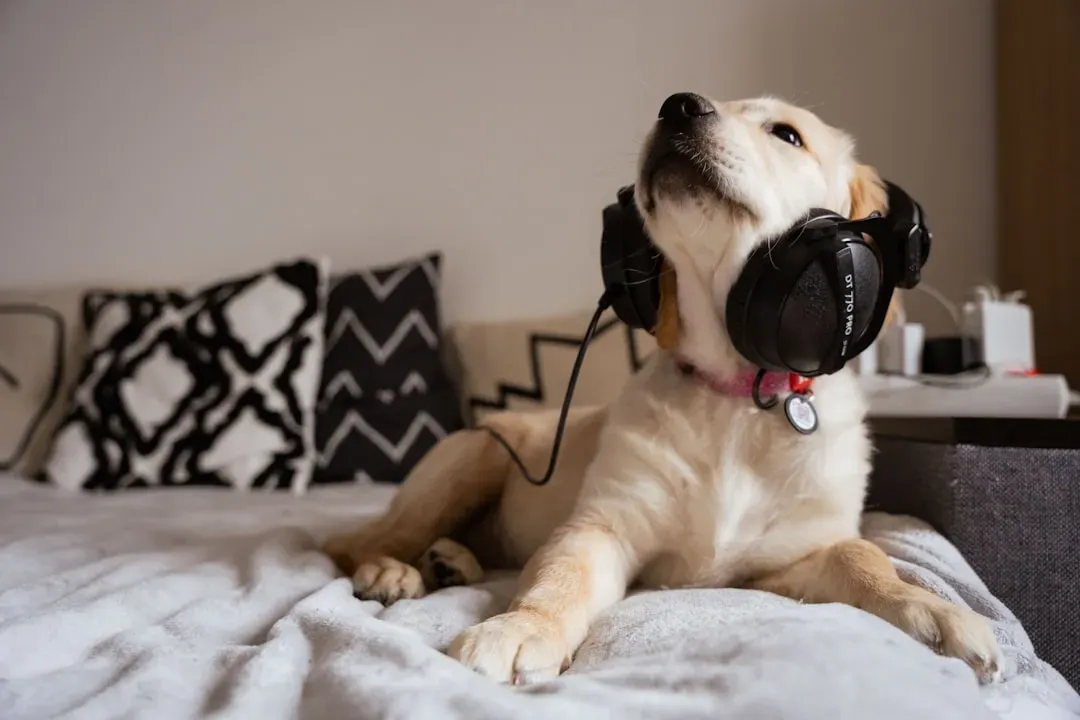
Ever notice how your dog suddenly forgets their own name when you call them inside from the yard, but miraculously hears a treat bag crinkle from three rooms away? Definitely not a coincidence. This selective response is one of the most common signs your dog has figured out exactly what serves them.
Dogs, especially smart ones, can be very stubborn. Our pets have an impressive ability to selectively tune into sounds that benefit them while ignoring commands that don’t. Think of it like a toddler who somehow can’t hear “clean your room” but perks up instantly at “ice cream.”
The fix? Consistency. Only call your dog once, then follow through by walking toward them calmly. Repeating a command actually teaches them that ignoring you the first few times is perfectly fine.
Sign #3: The Guilt Trip Performance Deserves an Oscar
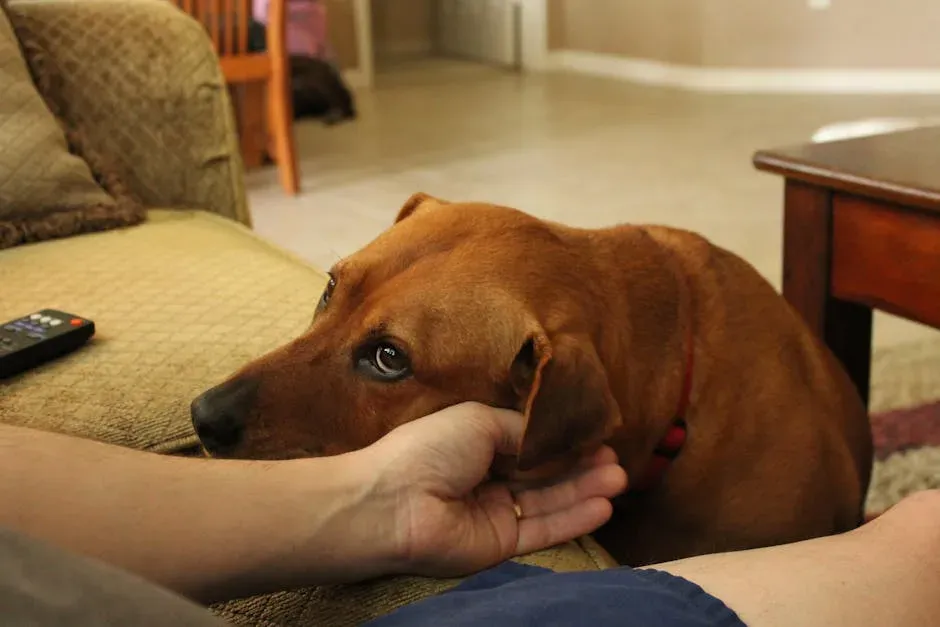
You walk into the living room and find your pillow destroyed. Your dog looks up, ears flat, tail barely wagging, eyes half-closed. You feel terrible. For them. Studies show that dogs often display “guilt” simply because they know it defuses the situation. In other words, they know that sad puppy equals doting, forgiving parents.
Honestly, I find this one both hilarious and a little humbling. Research revealed that dogs showed no difference in facial response when given food treats as long as no one was watching. On the other hand, the raising of the eyebrows, which makes their eyes look larger and more adorable, was more common when the dogs knew they had human attention. They’re performing, specifically for you.
Behavior cue to watch: If your dog’s “guilty face” appears before you’ve even discovered the mess, they’re reading your energy and body language, not actually feeling remorse. Don’t punish after the fact. It doesn’t connect for them and only reinforces the performance.
Sign #4: The Whining That Makes You Drop Everything
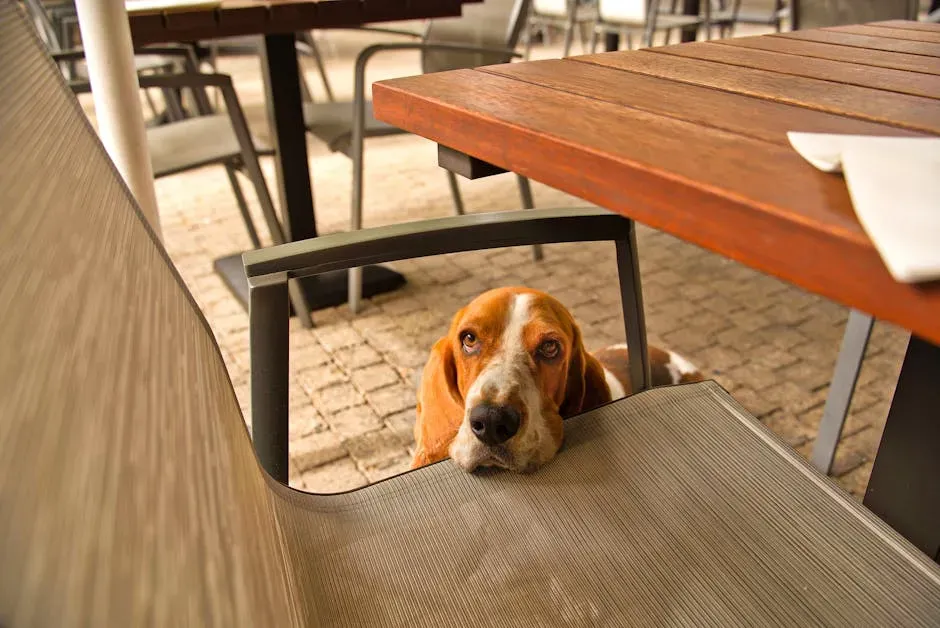
Few sounds are harder to ignore than a dog whining. It’s wired into us. A dog behavior expert notes that “a puppy’s whine has long been humans’ weakness,” adding that “whining started as a survival tool but became an important social strategy later” and that it is “a fine-tuned form of communication – and it works!”
Dogs can be relentless in this, continually barking or whining right at you until you relent. This super-manipulative behavior means the dog has control and knows how to press your buttons. The tricky part is distinguishing between a genuine need and a well-practiced demand.
Health note: Dogs who are not well can begin demand-barking, so talk to a vet before seeking any training advice if this is a sudden new behavior. Once medical causes are ruled out, the best response is to wait for a moment of calm before giving your dog what they want.
Sign #5: They’ve Figured Out How to Play Two People Against Each Other

If you share your home with another person, your dog may already be running a double-agent operation. The classic move: get fed by one person, then immediately perform hunger theatrics for the second person when they arrive home. After each meal, the dogs run to the cookie box and look expectantly. The unknowing partner figures the habit is to give them a cookie after eating, so they do.
A study published in the journal Animal Cognition found that canine companions are able to deceive us in order to get something they desire, and they can figure out how to do it quite quickly. Your dog is essentially running a household negotiation strategy, and you didn’t even know you were at the table.
Prevention tip: Communicate with everyone in the household about feeding times, treat policies, and rules. Consistency between all humans is the single most effective way to close the loopholes your dog has been quietly exploiting.
Sign #6: The Strategic Positioning Around the House
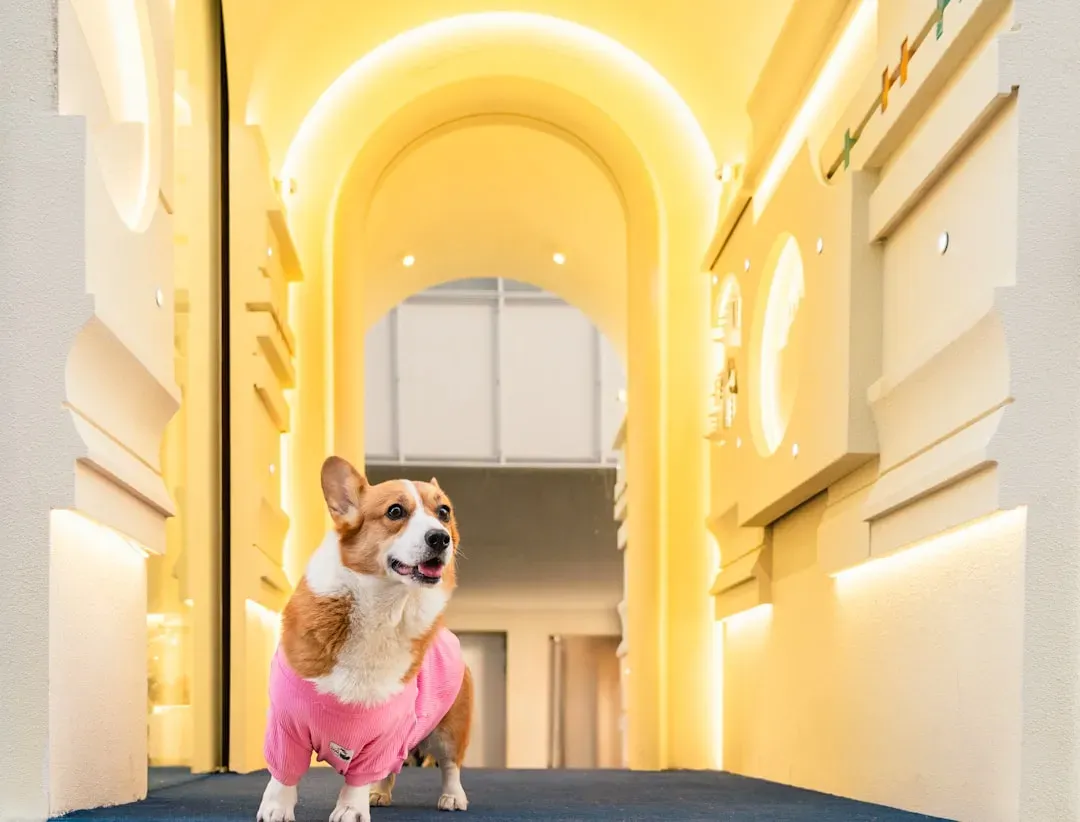
Does your dog always seem to be right in the middle of doorways, hallways, or the busiest intersection of your home? That might not be laziness. One behavioral expert notes that a dog may choose to lay at a high-traffic intersection specifically because it is the most strategically important area of the entire home, choosing to lay there in order to impede, direct, or control traffic flow.
It is a covert, passive manipulation that is hidden in plain sight. Think of it like a chess player occupying the center of the board. Your dog controls the flow of foot traffic, keeps tabs on everyone, and positions themselves to be the unavoidable center of attention. Pretty clever for a creature we assume just wants belly rubs.
Behavior cue: Redirect your dog to their designated bed or mat, especially near entranceways. This not only reestablishes calm household flow but also reduces over-vigilance, which can actually cause anxiety in some dogs.
Sign #7: The Fake Helplessness Act
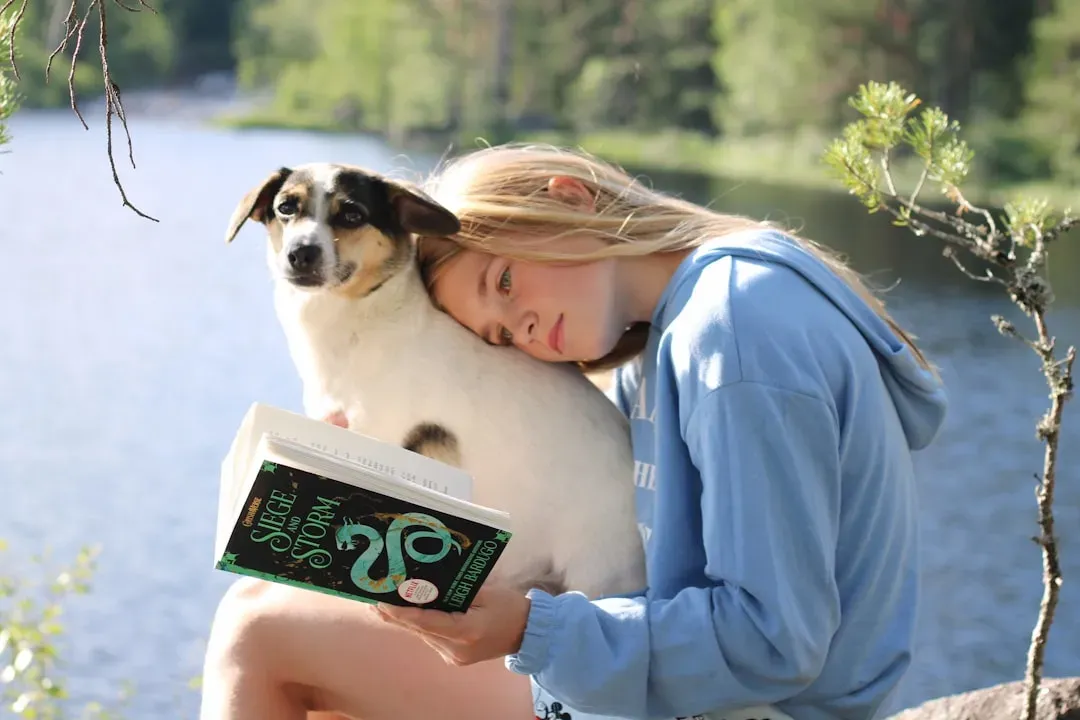
Some dogs take things to a whole new level by pretending they simply cannot do something they are fully capable of. Ever seen your dog refuse to jump onto the couch even though they’ve done it a hundred times before? Or pretend they can’t move unless you carry them? Sound familiar?
Your dog has learned that if they act like they need help, you’ll dote on them more. Congratulations, your mastermind has you wrapped around their dew claw. It’s the canine equivalent of a toddler going completely limp in a grocery store. You know exactly what I mean.
Here’s a kind tip: Before carrying your dog or rushing to assist, give them a moment and a gentle verbal cue to try it themselves. Rewarding real effort encourages independence, which is actually better for their confidence and long-term wellbeing.
Sign #8: They Only Perform When You’re Watching
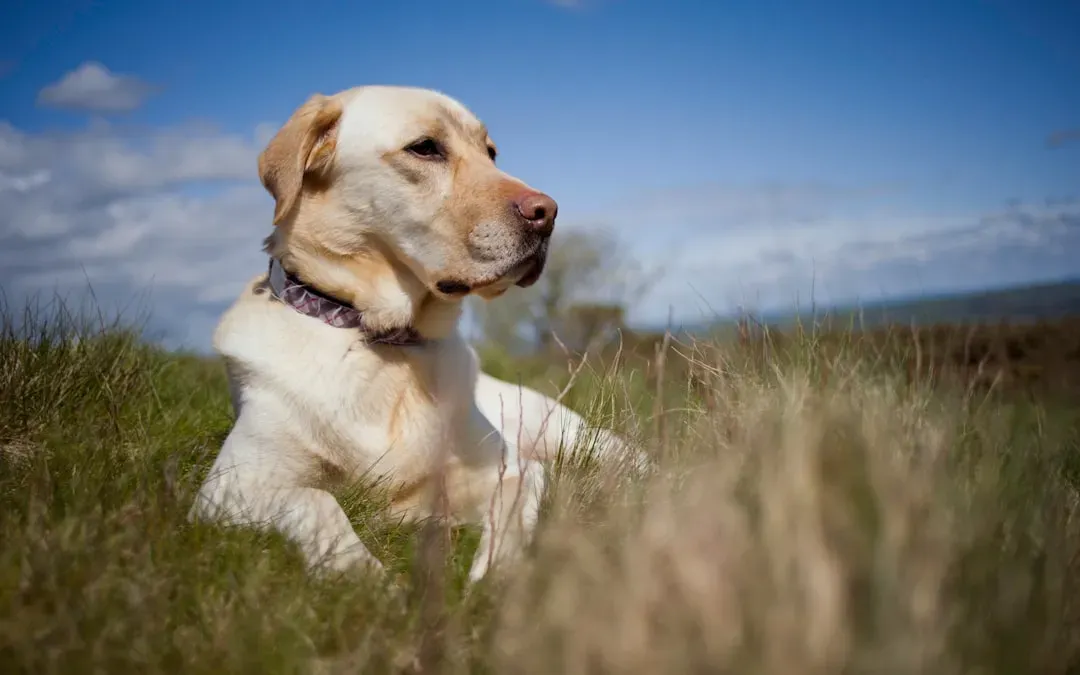
Your dog is expressive, engaged, and absolutely charming when your eyes are on them. Turn your back, and the show stops entirely. This is not a coincidence. Dogs wear their emotions on their faces far more than most non-human animals, and we’ve now discovered that’s because they are aware we’re watching and have learned that humans are visual creatures who respond to facial cues.
A Portsmouth University study revealed that dogs might be manipulative, using expressive looks to get their owners’ attention, and it was found that when people turned their backs on the dogs, they didn’t appear to make the same efforts. The performance is audience-dependent. No audience, no show.
This is actually a wonderful insight for training. Use your attention deliberately as a reward. When your dog offers a good behavior, make eye contact and respond warmly. When they demand attention through undesirable behavior, look away. Your gaze is currency, and your dog already knows it.
Sign #9: Being Absolutely Irresistible Is the Whole Plan
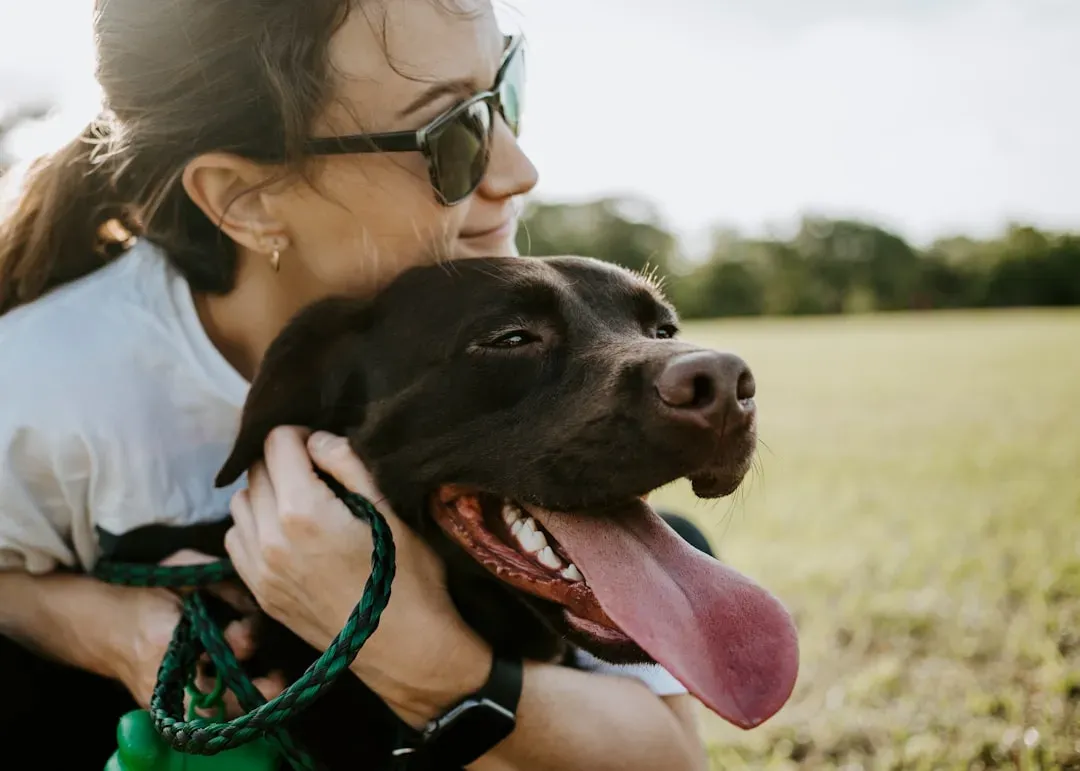
Let’s be real – the most powerful manipulation tool your dog has is simply being wonderful. The most effective manipulation technique is simply being the best dog ever. Your pup showers you with love, obeys commands when they want to, and knows exactly how to brighten your day, and in return you spoil them endlessly with treats, belly rubs, and prime real estate on your bed.
Eye contact releases oxytocin in both you and your pet, strengthening your bond and making you more likely to give in. It’s a biochemical feedback loop of pure love, and your dog has been tapping into it from day one. Honestly, I think that’s kind of beautiful, even if it does mean they end up with three-quarters of the bed.
The key insight here is this: the problem comes when your dog is the one making the decisions. It’s not a terrible thing to give your dog extra treats or affection when she asks, it’s just that you should be the one to decide. Love generously, but lead confidently.
So Who’s Really Running the Household?
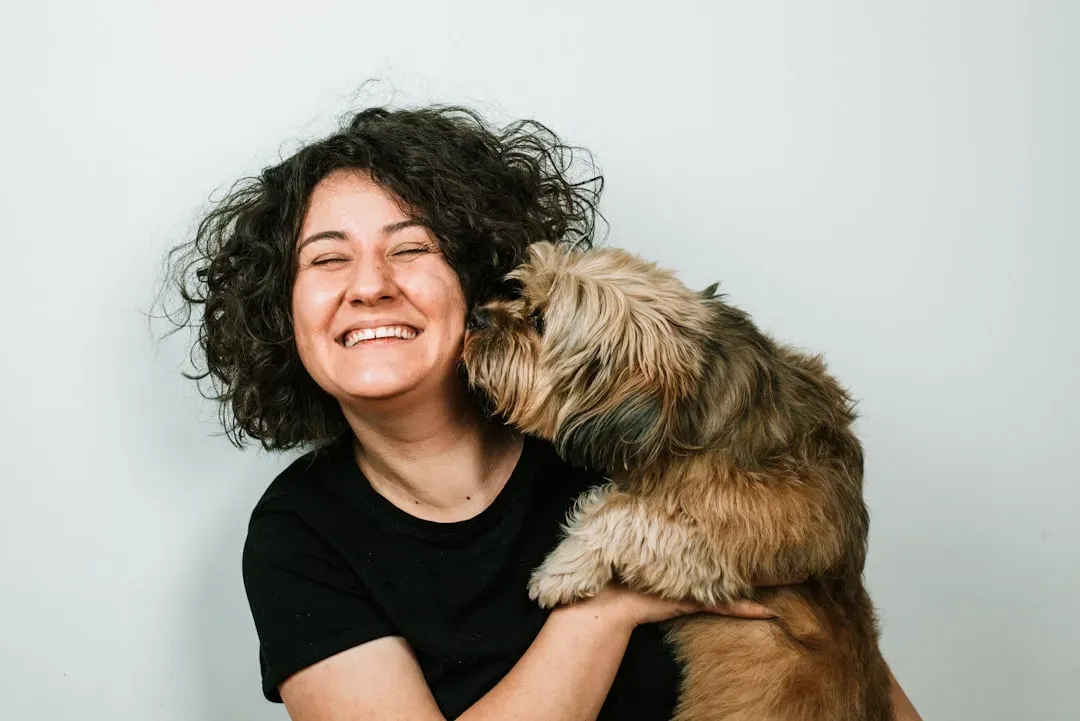
Here’s the warm truth at the heart of all this: your dog isn’t plotting against you. Dogs do not understand evil intention, so they do not manipulate to cause fear or pain in a human. What they do is something far more fascinating. They learn what works, repeat it, and refine it with remarkable speed.
When a dog tries or offers new behaviors, they are not being manipulative, but are communicating what they want. When a dog wants something, they will try different behaviors to see what works. Understanding this reframes everything. Your dog isn’t your adversary. They’re a highly attuned social partner asking you to meet them halfway.
The real takeaway? Recognizing these signs is the first step to a more balanced, happier relationship with your dog. Set gentle boundaries, be consistent, reward the behavior you want to see, and stop letting those puppy eyes bankrupt your treat supply. Your dog will respect you more for it, and they’ll still love you just as fiercely. Probably even more.
Now tell me honestly – how many of these signs did you recognize in your own dog? Drop it in the comments. There’s no judgment here, only fellow dog owners who’ve definitely been outmaneuvered by something that weighs 15 pounds.


