
You stare at the untouched bowl of kibble on the floor. Again. Your dog glances at it with what you swear is disdain before trotting over to beg for your dinner. Sound familiar? This isn’t just about stubbornness. Sometimes, what looks like a case of the pickies might be something else entirely.
The truth is, dogs become selective eaters for all sorts of reasons, and figuring out why can feel like solving a puzzle. Let’s explore what might be going on with your furry friend and how you can actually help them rediscover their love for mealtime.
The Medical Mysteries Behind Food Refusal
Here’s the thing: before your dog is deemed picky for their attitude towards food, an important first step is ruling out an underlying medical cause. I think too many pet owners jump straight to assuming their dog is just being difficult when there could be real pain involved.
Dental disease can be painful and lead to a dog not wanting to eat, even though everything might look fine on the surface. Dental disease can occur below the gums, which is not visible to our eyes. Similarly, if your dog is a senior and is experiencing pain from arthritis, it may be too uncomfortable to get up to the food dish as often.
Other culprits include kidney disease and various digestive disorders. Digestive disorders, including gastritis, pancreatitis and inflammatory bowel disease can cause your dog to lose their appetite, and these conditions can make eating uncomfortable. Honestly, if your dog suddenly stops eating and it lasts longer than a day, a vet visit is worth it.
When Your Dog Trains You Instead
It’s unlikely that your dog was born a fussy eater; instead their picky eating habits probably suggest that they’re a very smart dog who has realized that if they ignore their average daily meals, they are more likely to get attention and be offered a better tasting alternative. Think about that for a second. Your dog might actually be the genius here.
You may have inadvertently created a picky eater by taking advantage of the huge variety of dog foods, and for some dogs, too much of a good thing can lead to dogs learning to hold out for their favorites. It’s like when kids refuse vegetables because they know dessert is coming. Dogs catch on fast.
The treat trap is real, too. Too many treats can spoil their appetite at mealtime, and if you keep offering them to try to get them to eat, that can send the wrong message, telling your dog they can hold out for something better. We’ve all been there, desperately waving a piece of cheese to coax them into eating anything.
Stress, Anxiety, and Environmental Upheaval
Being nervous can zap your dog’s appetite, and just like people, dogs don’t eat as much if they’re anxious. This can happen thanks to things like loneliness, boredom, storms, fireworks, or separation anxiety. Even changes we consider minor can throw them off completely.
Dogs thrive on routine and predictability, and sudden changes, such as different feeding times or moving houses, can lead to temporary appetite loss as they adjust to their new circumstances. A new baby, a visiting relative, even renovations can trigger this response. Dogs really don’t love change.
I know it sounds crazy, but your dog might be waiting for you to eat with them. Some dogs will only eat if they know that their primary caregiver is safe and sound at home with them, because dogs are pack animals, wired to hunt and eat together, and if a key member of their pack is absent it may lead them to hold off on eating. It’s actually kind of sweet when you think about it.
The Power of Feeding Routines
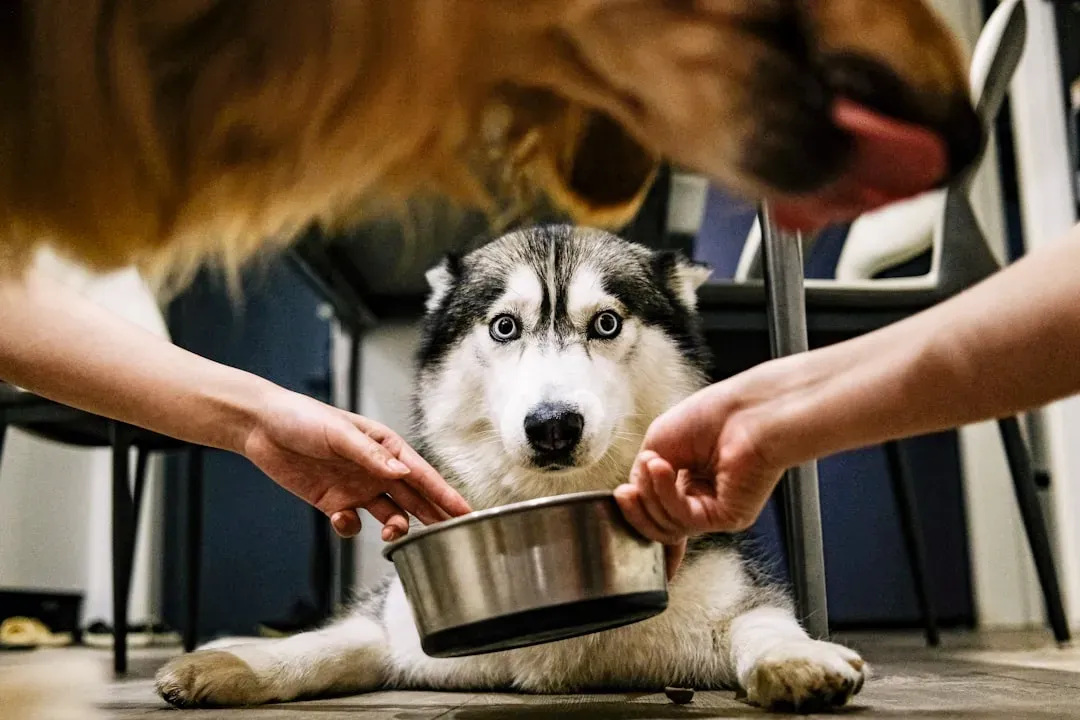
A consistent feeding schedule creates predictable patterns for your dog, with specific mealtimes working best, and removing uneaten food after 15 to 20 minutes to prevent free feeding. This approach actually works wonders because it teaches your dog that food won’t be available all day.
Offer food at specific times during the day and leave food out only for short intervals, rather than providing free access to food, as limited access can train your dog that food is only available at certain times and might encourage them to eat better. It’s hard to stay firm when those puppy eyes are pleading, though.
Not all dogs are food motivated, and it is okay for healthy dogs to miss a meal occasionally, especially if they are in good health, maintaining a healthy body weight, having normal stools, and showing good energy. Sometimes we worry too much about one skipped meal when it’s really not a crisis.
Smart Strategies to Spark Appetite
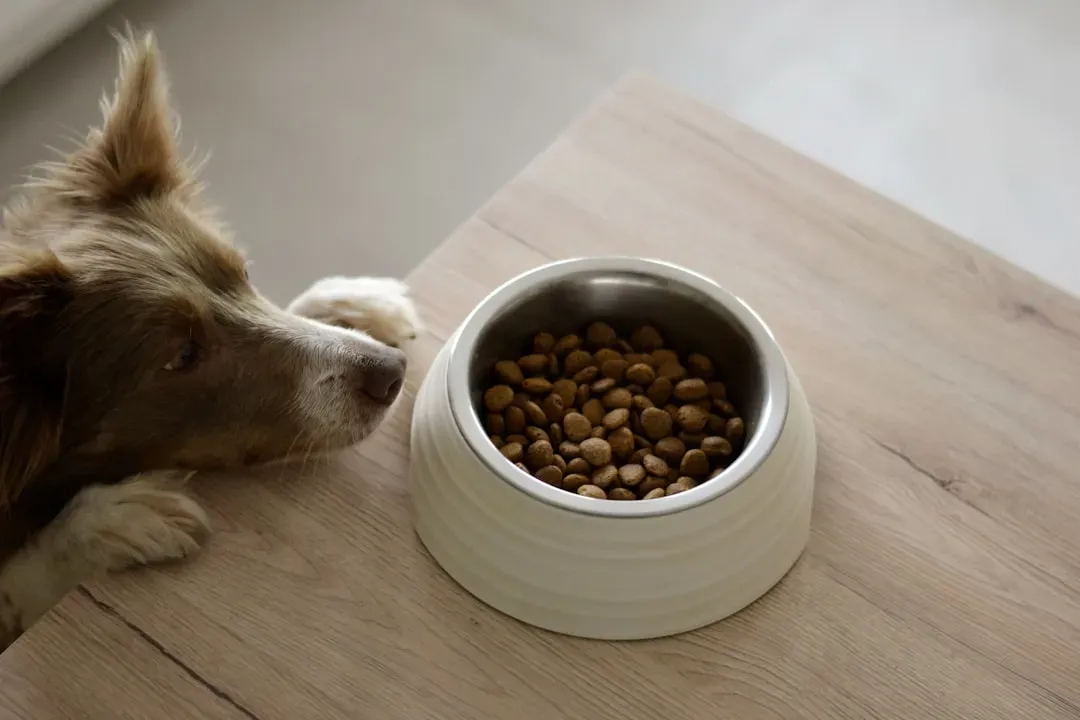
Making food more appealing doesn’t mean you’ve lost the battle. Warm your dog’s food up to make it more aromatic and enticing, as generally, the more it smells, the more they want it. The aroma triggers their interest in ways room temperature food simply doesn’t.
High-quality wet foods, raw diets, and freeze-dried real meat options can offer the intense flavors dogs crave, making them more attractive to fussy eaters. You might also consider using these as toppers rather than complete meal replacements. It’s hard to say for sure, but mixing textures often does the trick.
Changing how you serve food can make a big difference, as some dogs prefer eating from a flat plate rather than a deep bowl, and a dog’s facial shape can also affect how they pick up their food in the bowl. These little adjustments might seem trivial, yet they matter more than you’d think.
Knowing When to Worry
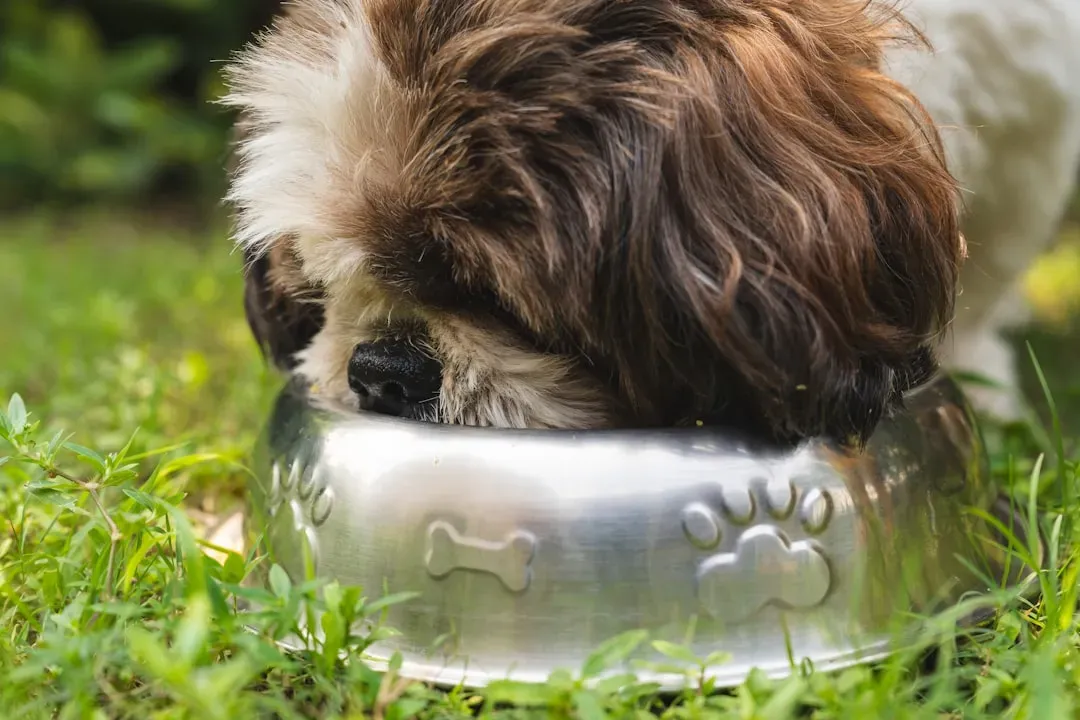
As a general rule, you should consult your veterinarian if your dog experiences a significant appetite change that lasts longer than 12 to 24 hours and doesn’t return to normal. This guideline helps distinguish between temporary fussiness and genuine health concerns.
If your dog hasn’t eaten for 24 hours, then it’s best to call your vet, especially if there are any other troubling signs, like diarrhea or lethargy. Weight loss, excessive thirst, vomiting, or unusual behavior alongside food refusal definitely warrant immediate attention. Trust your instincts on this one.
The bottom line? Your dog probably isn’t trying to drive you crazy on purpose. Whether it’s a medical issue, a behavioral pattern you’ve accidentally reinforced, or just genuine food preferences, there’s usually a reason behind the pickiness. Pay attention to the whole picture – not just what’s happening at the food bowl. What do you think might be going on with your pup? Share your experiences in the comments below.


