
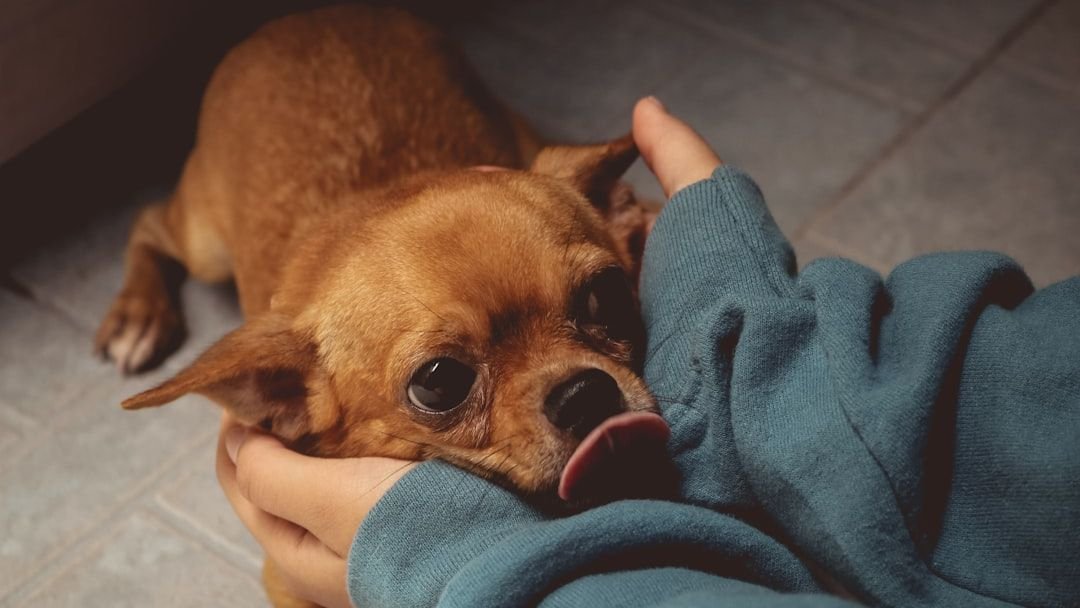
You’ve probably noticed it by now. Maybe your furry friend follows you from the couch to the kitchen, waits outside the bathroom door, and seems genuinely distressed when you grab your keys. Or perhaps your pup is the opposite, content to snooze in the corner while you bustle about, barely lifting an eyebrow when you leave for work. Dogs, much like people, have distinct attachment styles that shape how they relate to us. Understanding whether your dog is a clingy companion or an independent soul can transform the way you care for them, train them, and simply live alongside them.
Let’s be real, there’s no one-size-fits-all approach to loving a dog. Some need constant reassurance, while others thrive on a bit of space. So let’s dive in and explore the fascinating world of canine attachment.
What Exactly Is a ‘Velcro’ Dog?

The term “velcro dog” refers to canines who stick to their humans like the popular hook-and-loop fastener, exhibiting clingy and loving behavior. Picture this: you stand up to refill your coffee, and your dog immediately leaps up to follow. You walk to the bathroom, and there they are, sitting outside the door with a concerned expression.
These dogs demonstrate a greater-than-normal tendency to follow their owners from place to place, whether cooking, working, or just going to the bathroom. They prefer physical contact, often leaning on you, sitting on your feet, or resting on your lap whenever possible. It’s endearing, honestly, but it can also become exhausting when you can’t even take a shower in peace.
Dogs are pack animals with a natural tendency to travel in a group close by your side, reflecting their instinct. However, velcro behavior goes beyond normal closeness. These pups seem almost anxious when you’re out of sight, constantly seeking your presence and attention.
The Independent Spirit: Aloof but Not Unloved
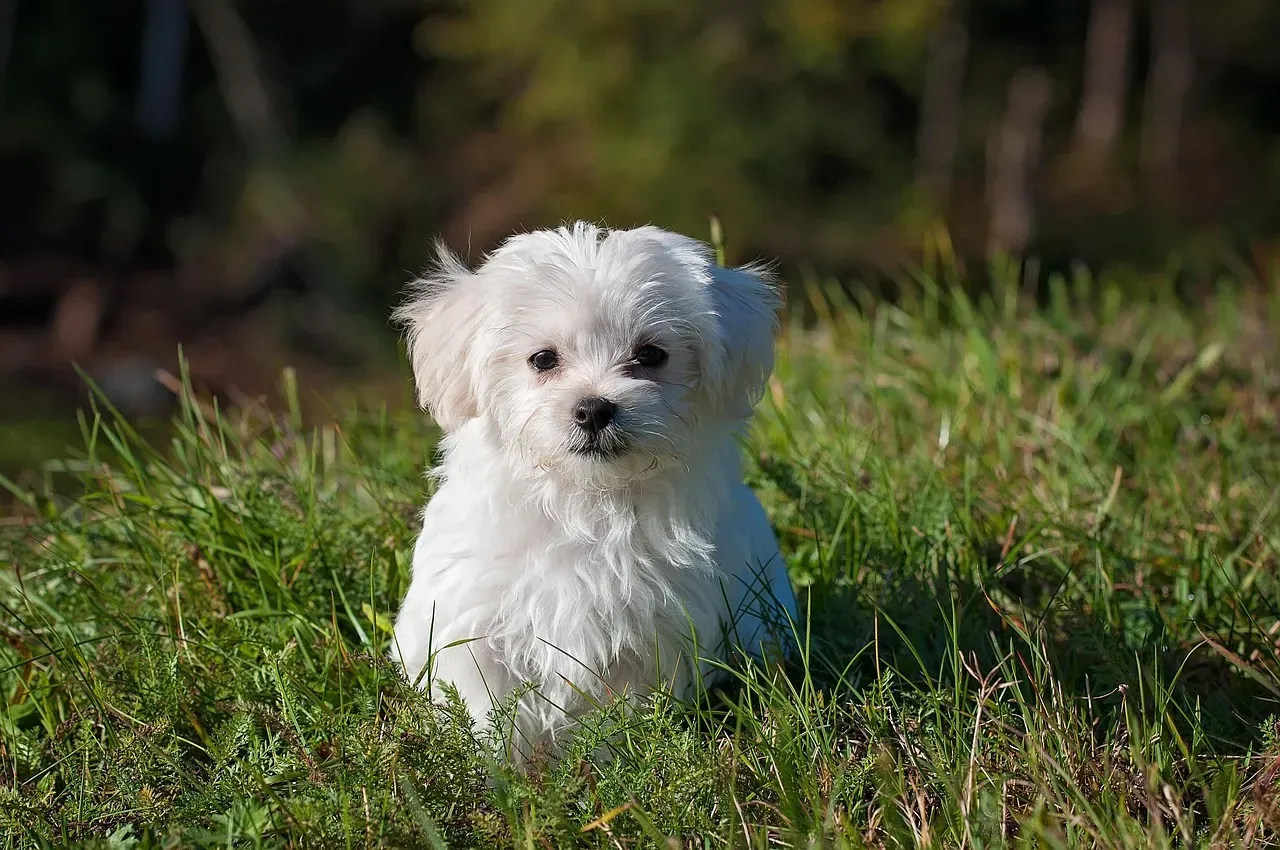
On the flip side, some dogs are happiest doing their own thing. Independent dogs are comfortable and confident without constant interaction from humans, and while they have love and loyalty to give, they might express it differently, such as lying in the corner while you watch TV instead of cuddling up next to you.
These independent spirits aren’t being rude or distant. Breeds like Greyhounds are friendly but aloof, loving to be lazy indoors but showing little interest in laps, allowing petting but not seeming to crave it. They might greet you when you come home, but they’re not throwing a full-blown parade.
The Basenji, often called the barkless dog, is known for independence and a catlike personality because of its aloof temperament and reserved nature. Think of them as the introverts of the dog world. They’re observing life, making their own choices, and feeling perfectly secure without needing you within arm’s reach every second.
Why Does Your Dog Behave This Way?

So what creates these vastly different attachment styles? Honestly, it’s complicated. Clingy behavior can be a breed-specific trait or learned behavior based on too much positive reinforcement. Dogs learn this behavior from humans by the way we interact with them, such as always giving food when they follow you or petting them every time they lie next to you.
Genetics play a significant role too. Certain breeds like German Shepherds, Labrador Retrievers, Golden Retrievers, and French Bulldogs are known for their clingy behavior, though any breed can develop velcro tendencies. Some breeds are naturally inclined to stick close to their humans as a direct result of selective breeding, especially working dog breeds bred to enjoy and seek their owner’s company for extended periods.
Environment matters just as much. If puppies receive constant attention when they’re developing, they can become fearful of being alone and subsequently never want to leave your side. Clinginess is especially common in senior dogs losing vision or hearing, as the world becomes less familiar.
When Velcro Behavior Crosses Into Anxiety Territory

Here’s the thing: being a velcro dog isn’t automatically a problem. Clingy dogs want to be around you when you’re at home but don’t panic when you’re not there, whereas a dog with separation anxiety panics when you’re not around. That distinction is crucial.
Separation anxiety is triggered when dogs become upset because of separation from their guardians, and escape attempts can be extreme, resulting in self-injury and household destruction, especially around exit points like windows and doors. Anxious behaviors like pacing, whining, or trembling while you’re gone or as you prepare to leave are signs to watch for.
Velcro dogs have a greater chance of experiencing separation anxiety and acting out when left alone, which could mean damage to your home, kennel, or the pet themselves through excessive self-licking or chewing. If your dog’s clinginess escalates to destructive behavior, persistent vocalization, or signs of panic, it’s time to consult your veterinarian or a certified behaviorist.
Behavioral Cues to Watch For

How do you know if your dog’s attachment style is healthy or veering into problematic territory? Pay attention to their daily behavior. Signs of stress might include dilated pupils, panting, yawning, salivating, trembling, and pacing.
If clingy behavior is new and uncommon, give your pet a quick check, looking for things like a burr in their paw pad causing pain or forgetting to fill the water bowl, as some clingy behavior is simply an ask for attention that resolves once the need is met. Sometimes your dog just wants something specific, and once you address it, they return to their usual self.
For independent dogs, watch for changes too. Older dogs with vision or hearing loss or those experiencing cognitive decline can suddenly become clingy because their world is becoming unfamiliar, and dogs who are ill or bored can also become clingy. A suddenly aloof dog who was once affectionate might be signaling discomfort or illness.
How to Support Your Dog’s Attachment Style
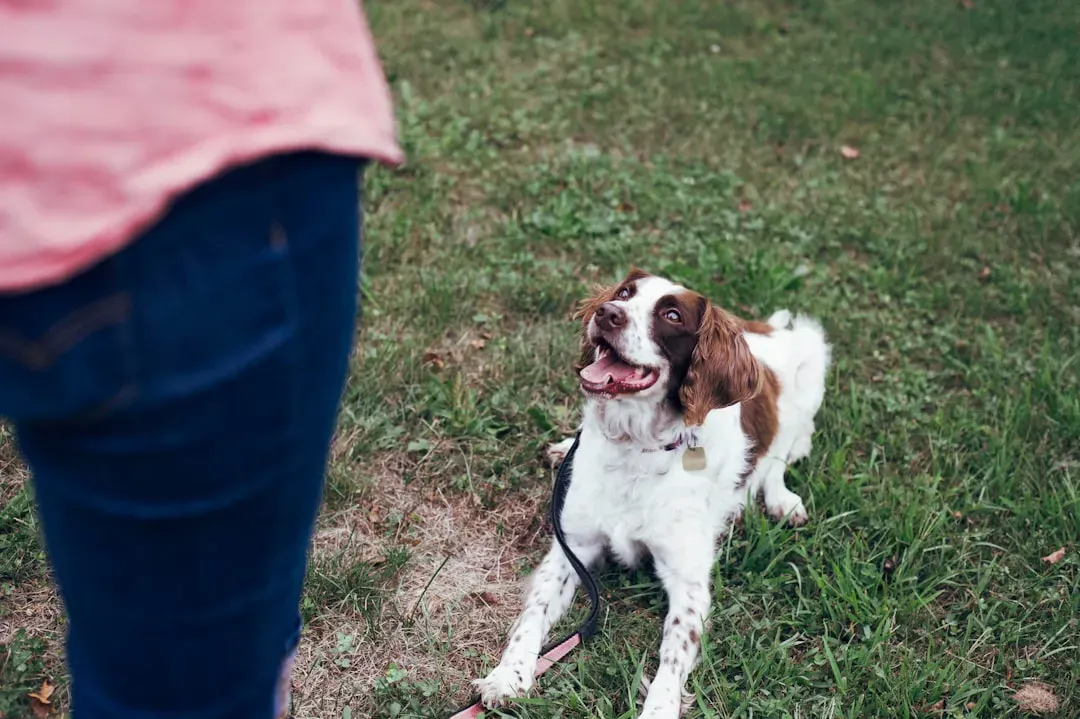
Once you understand your dog’s natural tendencies, you can tailor your approach to help them thrive. For velcro dogs who need a bit more independence, start small. Increase exercise with a good bout of physical activity to tire your dog enough so they have little interest in following you around, making sure the exercise is appropriate for your dog’s age and health history.
The first step to training your velcro dog is to learn why your dog won’t leave your side, then work to resolve that concern, and it’s a good idea to loop in your veterinarian to ensure there isn’t a physical problem. Building confidence is key. Teach your dog that being alone is okay by gradually increasing separation time and rewarding calm, independent behavior.
For independent dogs who could use a little more connection, flip the approach. If your pet is distant and you’d like them to be more affectionate, give them more one-on-one attention and praise them when doing good things like playing calmly with a toy or joining you at a time when you want them close. Respect their boundaries but create positive associations with closeness.
Finding Balance and Building Confidence
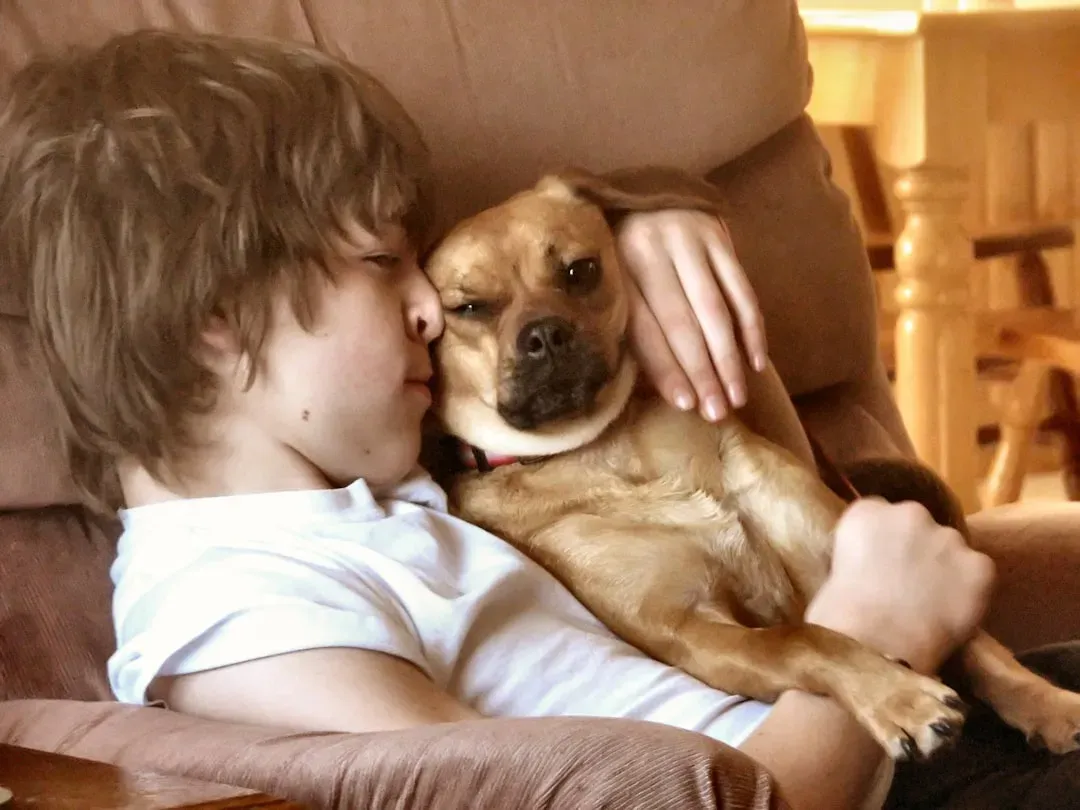
At the end of the day, every dog is a unique individual. Studies have shown that, just like humans, dogs can develop secure or anxious attachment styles. Your job isn’t to force your velcro dog to become independent overnight or turn your aloof pup into a cuddlebug. It’s about understanding who they are and helping them feel safe, secure, and loved in a way that honors their personality.
No dog, including independent dog breeds, should be left alone constantly or consistently as this can lead to anxiety and behavior issues, and every pet relies on you to fulfill their needs for a happy, healthy, and well-adjusted life. Whether your dog shadows your every move or prefers their own space, they’re still looking to you for guidance, care, and security.
The beauty of the human-dog bond is that it’s flexible. With patience, observation, and a genuine desire to understand your pup’s needs, you can create a relationship that works for both of you. Your velcro dog might learn that you always come back, easing their anxiety. Your independent spirit might discover that snuggling on the couch isn’t so bad after all.
What kind of attachment style does your dog have? Have you noticed changes over time, or have they always been consistent? Understanding these patterns not only makes daily life smoother but deepens the incredible connection you share with your four-legged friend.


