
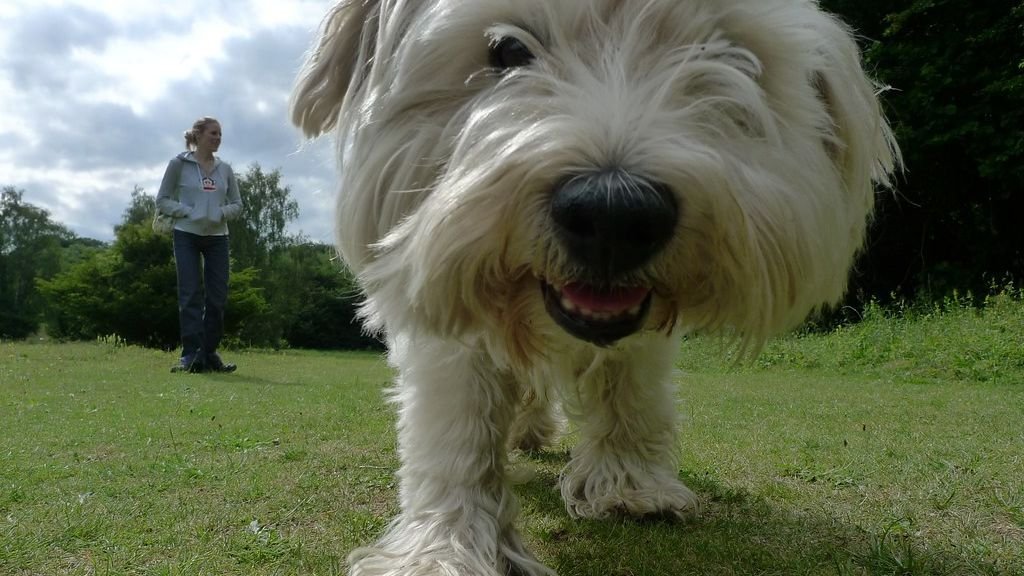
You know that look. The one where your dog stares at you with those big, pleading eyes, or maybe they’ve just shredded the corner of your favorite throw pillow again. Sometimes it feels like no matter how many toys you buy or how long the morning walk was, your furry friend still seems restless.
Here’s the thing: dogs aren’t meant to live idle lives. They were bred to work, to hunt, to solve problems. Even our sweetest couch potato pups have brains that need exercise just as much as their bodies do. Boredom can lead to depression or anxiety if left under stimulated for long periods of time. The good news is that keeping your dog mentally engaged doesn’t require a massive time investment or fancy equipment. Let’s dive into some creative ways to bring joy and purpose back into your dog’s daily routine.
Turn Mealtime into a Brain Game
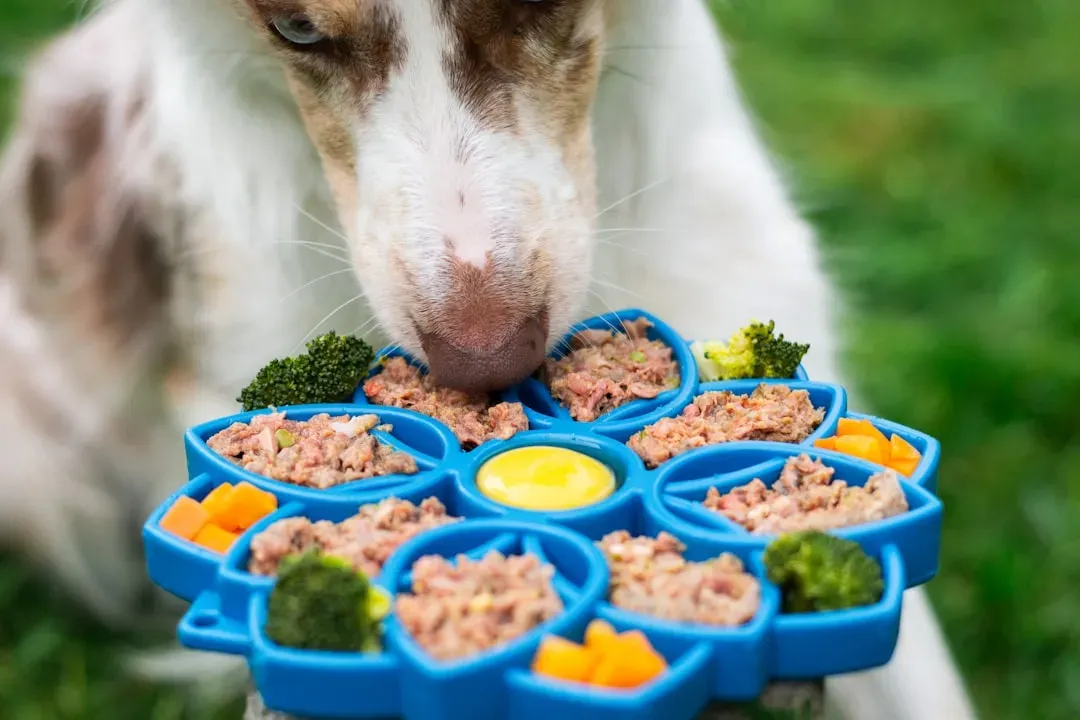
Stop feeding your dog from a boring bowl. Seriously, just stop. Making mealtime fun, challenging and interactive is a great way to satisfy your dog’s innate instincts and curiosities, and food puzzles are a great way to slow down your dog’s eating and provide mental stimulation.
Think about it: in the wild, no dog ever had food just handed to them in a shiny bowl. They had to work for every meal. You can recreate that natural foraging experience by scattering kibble in a snuffle mat, hiding it around the house, or stuffing it inside a puzzle toy. Food-based games encourage your dog to use natural foraging instincts as they hunt for hidden food, and brain games for your dog can be toys, puzzles, or other activities that challenge them and require problem-solving. Your dog will be so focused on the challenge that they’ll barely notice how much mental energy they’re burning.
Create DIY Puzzle Toys from Household Items
You don’t need to spend a fortune on expensive enrichment gadgets when you’ve got a recycling bin full of possibilities. Place treats in several cups of a muffin tin and cover all the cups using tennis balls, soft toys, or crumpled paper, then let your dog sniff out and uncover the treat and be rewarded for their efforts.
Empty cardboard boxes, toilet paper rolls, and old towels can all become engaging puzzle toys. Place treats on a towel, roll the towel up, and twist, then let the dog work the towel open to find the food. Just make sure you’re supervising, especially if your dog is an aggressive chewer who might try to swallow pieces.
Master the Art of Scent Work
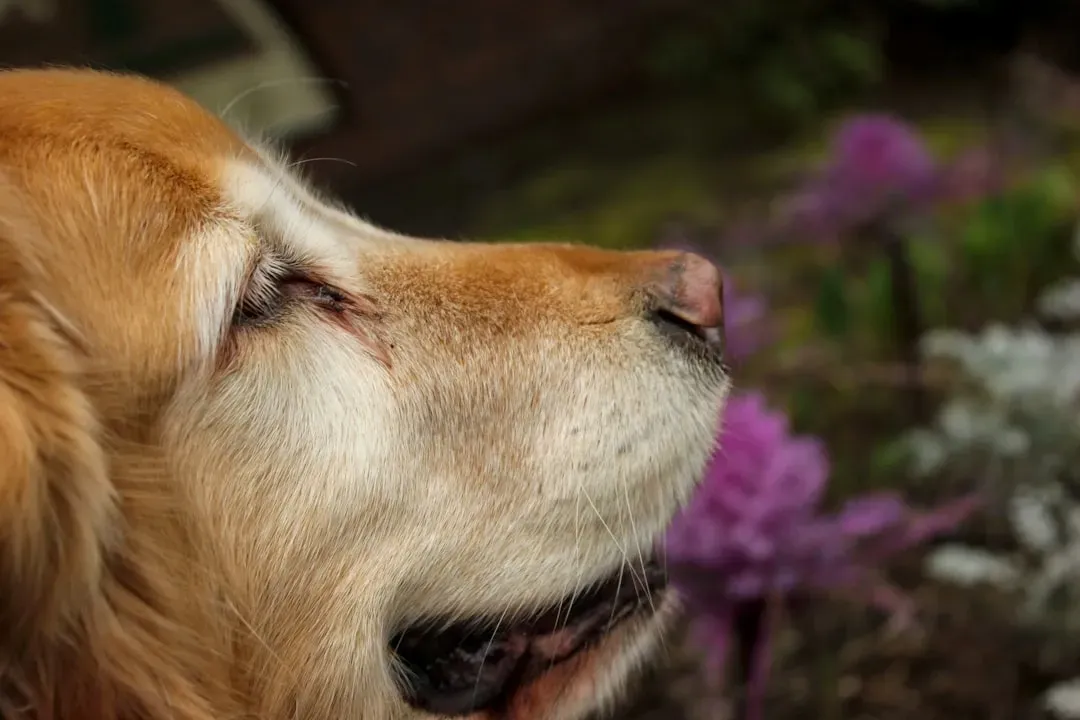
Dogs experience the world primarily through their noses, and honestly, we’re missing out. Dogs have an excellent sense of smell that, depending on their breed, is about 10,000 to 100,000 times better than yours. That’s an incredible superpower just waiting to be tapped into.
It’s incredibly important to allow your dog to use their nose, as sniffing can be stimulating and calming and allows your dog to gather information on their environment. Try hiding treats around your home and encouraging your dog to find them using just their nose. Start with easy spots and gradually increase the difficulty. Scent work involves training your dog to seek out various essential oil scents, and most dogs love putting their noses to work, expending a lot of mental energy to do so, making it a good option for senior dogs since the physical demands are low.
Switch Up Your Walking Routine
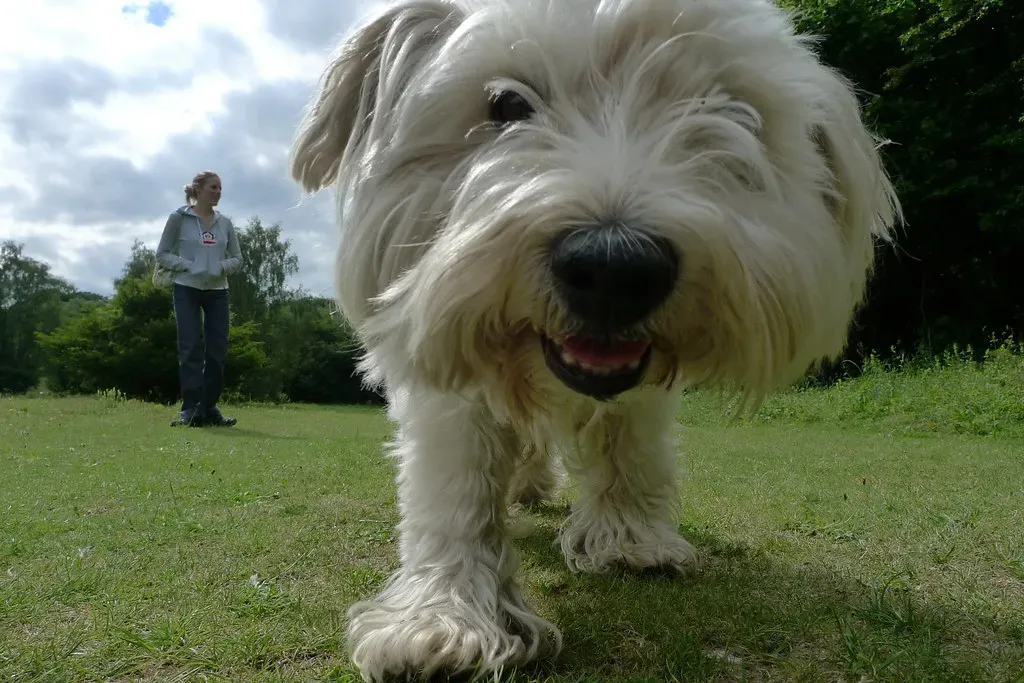
Let’s be real: your dog doesn’t just need a walk, they need an adventure. Walking the same route every single day is like you eating the same sandwich for lunch for three years straight. Changing up your walking route can be very stimulating for dogs, as walking somewhere new allows them to see and smell new things, and regularly changing your route helps keep things exciting.
Let your dog set the pace sometimes. Allow them to stop and sniff that fascinating tree trunk for as long as they want. Those scents tell stories you can’t even begin to comprehend. Walks aren’t just about bathroom breaks, they’re a chance for your dog to explore, so try letting them sniff more, changing up your route, or even adding a little jog to keep things interesting.
Teach New Tricks Beyond the Basics
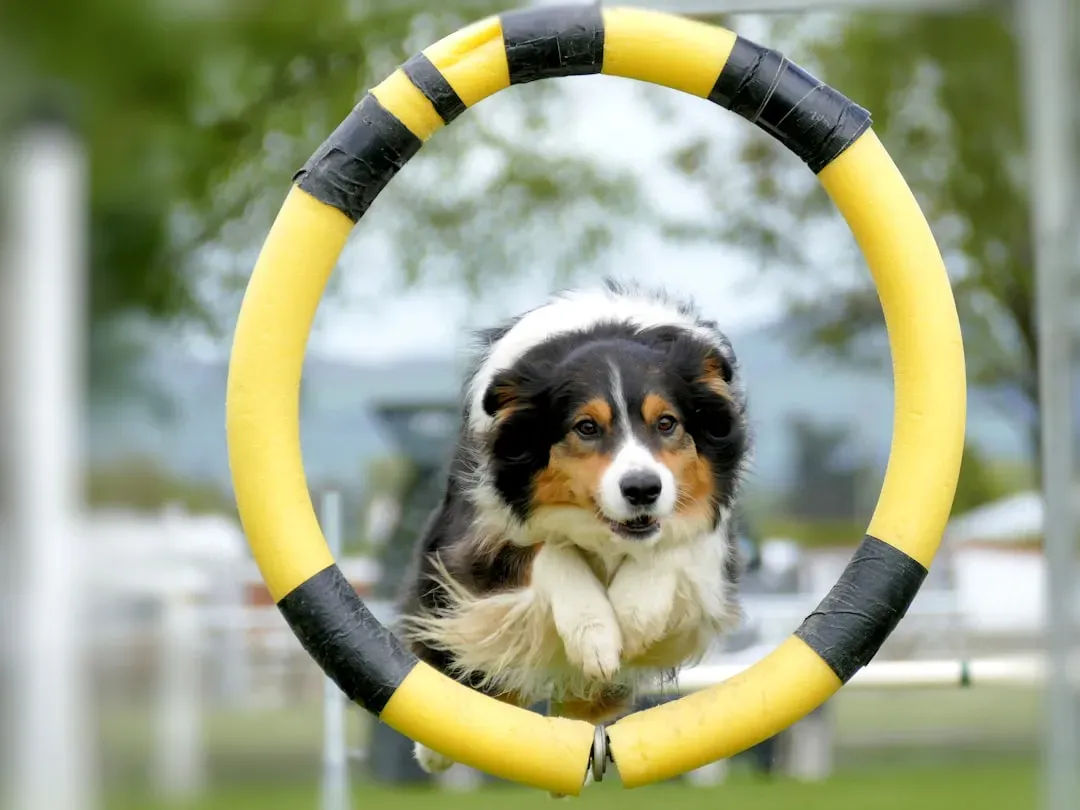
Training is a wonderful way to keep your dog’s mind sharp, as learning new things stimulates brain activity. It doesn’t matter if your dog is eight weeks old or eight years old. Their brains crave the challenge of learning something fresh.
Teaching your dog a new trick strengthens the bond between you and your furry pal and is excellent indoor enrichment for dogs, but keep sessions short, no longer than 5 to 10 minutes, to avoid frustration. Whether it’s a high five, playing dead, or learning to close a door, every new skill builds your dog’s confidence and gives them purpose. Plus, showing off their new tricks to your friends never gets old.
Play Hide and Seek
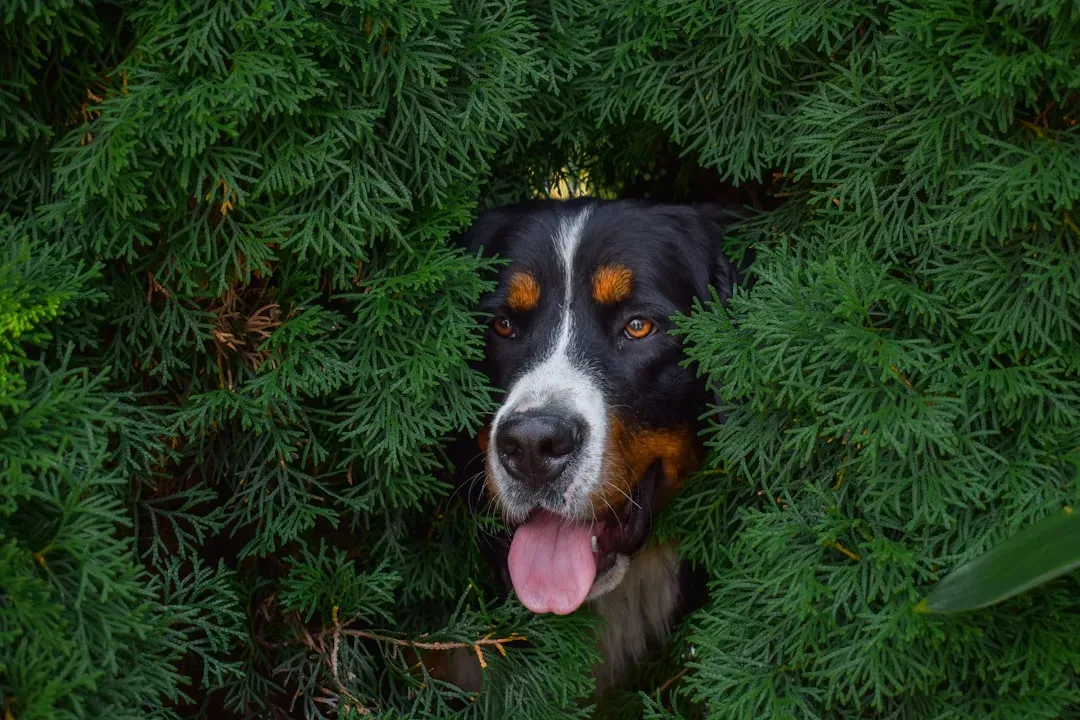
This isn’t just a game for kids. It’s a fun game to play with your dog, with you being the ultimate reward, so ask your dog to sit and stay while you take your time finding the perfect hiding spot, and when you’re ready, ask your dog to come and find you, as dogs’ sense of smell is pretty incredible.
Playing hide and seek with your pup is a great way to encourage their natural hunting instincts because they will find you using their nose, ears, and problem-solving skills, so sneak away when your dog isn’t watching, hide in an easy spot, and call their name, and when they find you, celebrate with praise and a high value treat, making your hiding spot more difficult as your four-legged friend gets better at the game. The sheer joy on their face when they discover you is worth every second.
Introduce Interactive and Puzzle Feeders
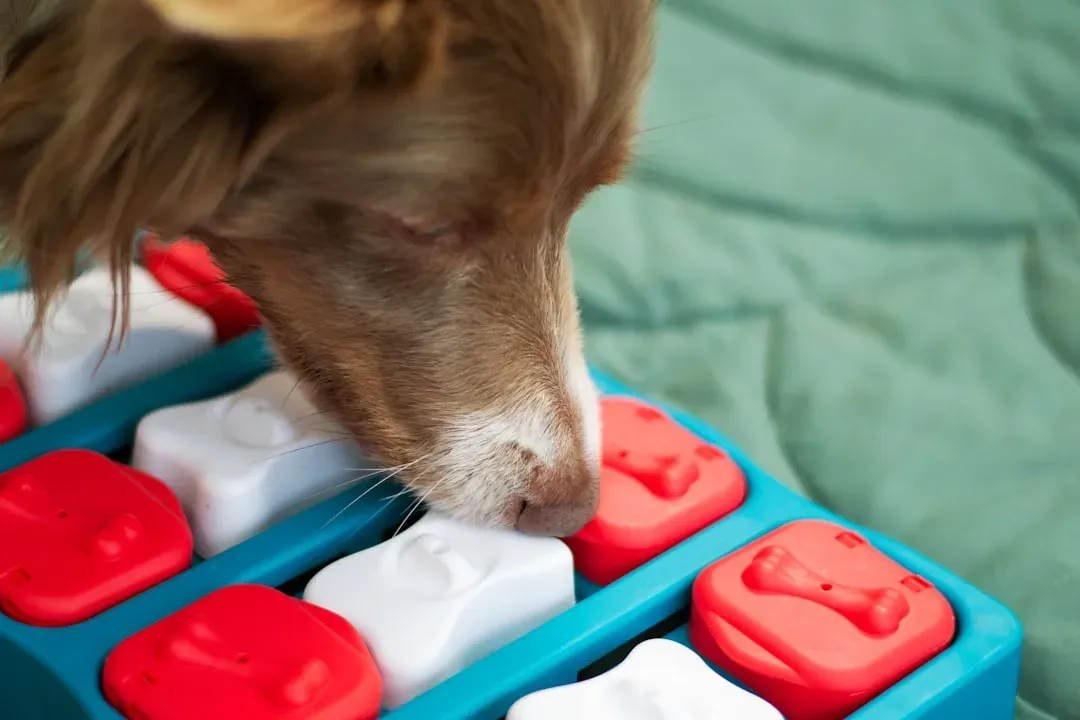
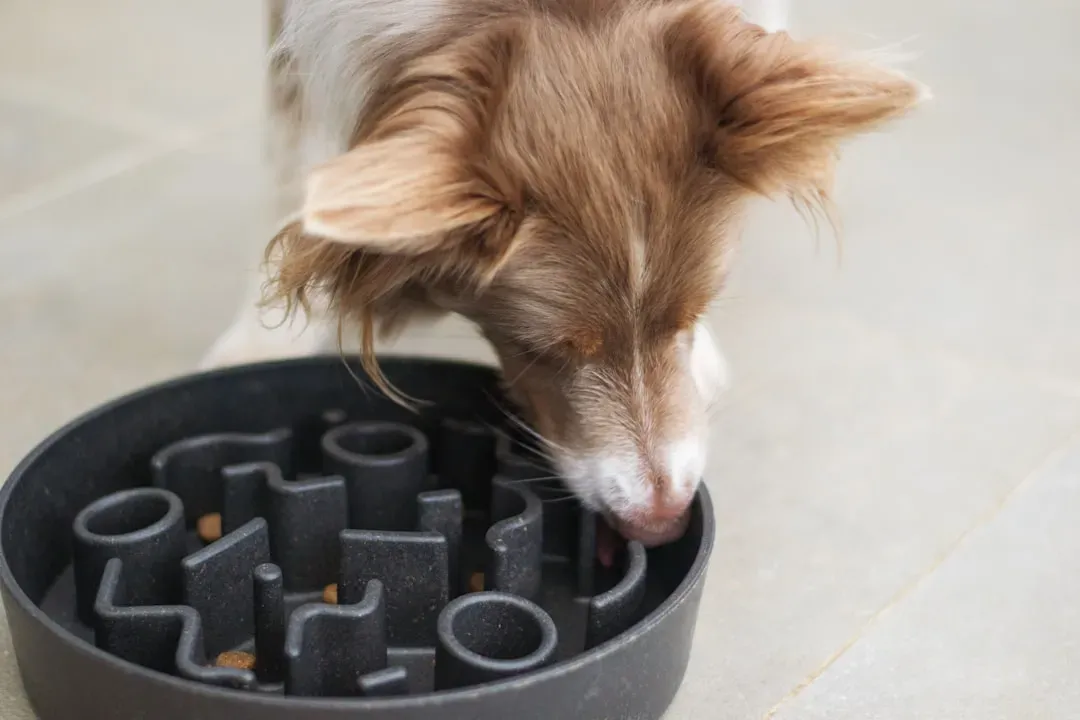
Puzzle toys typically have compartments where you can hide food, and your dog has to figure out how to access those tasty treats, with countless puzzle toys available at varying degrees of complexity, and similar to hide-and-seek, interactive toys require critical thinking skills and are great for keeping your pup occupied for an extended time.
It’s much more demanding for a dog to work mentally than physically, for example, 15 minutes of mental training is equivalent to about an hour of walking. Think about that for a second. A quick puzzle session before you head out the door could replace half your morning walk on a busy day. That’s a game changer for those of us with packed schedules.
Arrange Playdates and Social Time
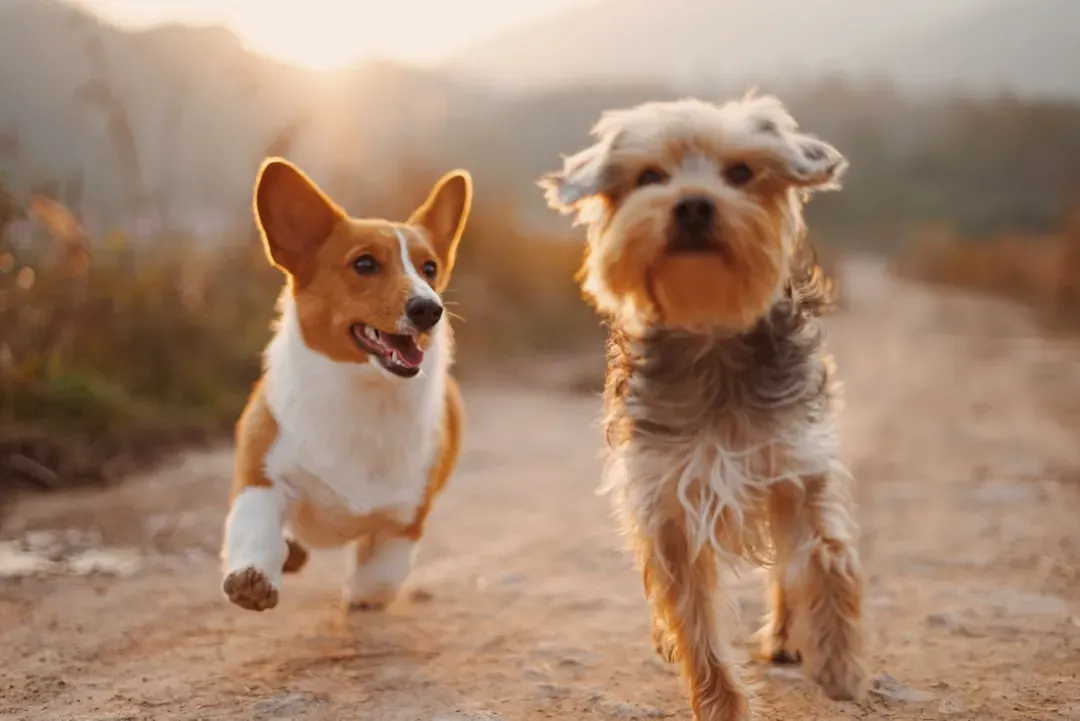
Many dogs enjoy socializing with other members of their own species, and safe playdates with familiar friendly dogs allow your pet to burn energy and help them learn or practice appropriate canine manners. Not every dog is a social butterfly, but most benefit from occasional interaction with their own kind.
Social situations can be mentally challenging for dogs, especially when they’re meeting someone new, so invite a fellow pet parent and their pooch over for a doggie playdate and let the dogs interact with some supervision but let them sort out the dynamics of their new relationship as independently as possible. Watching dogs communicate through body language and play is fascinating, and your pup will come home happily exhausted.
Set Up Indoor Agility Courses
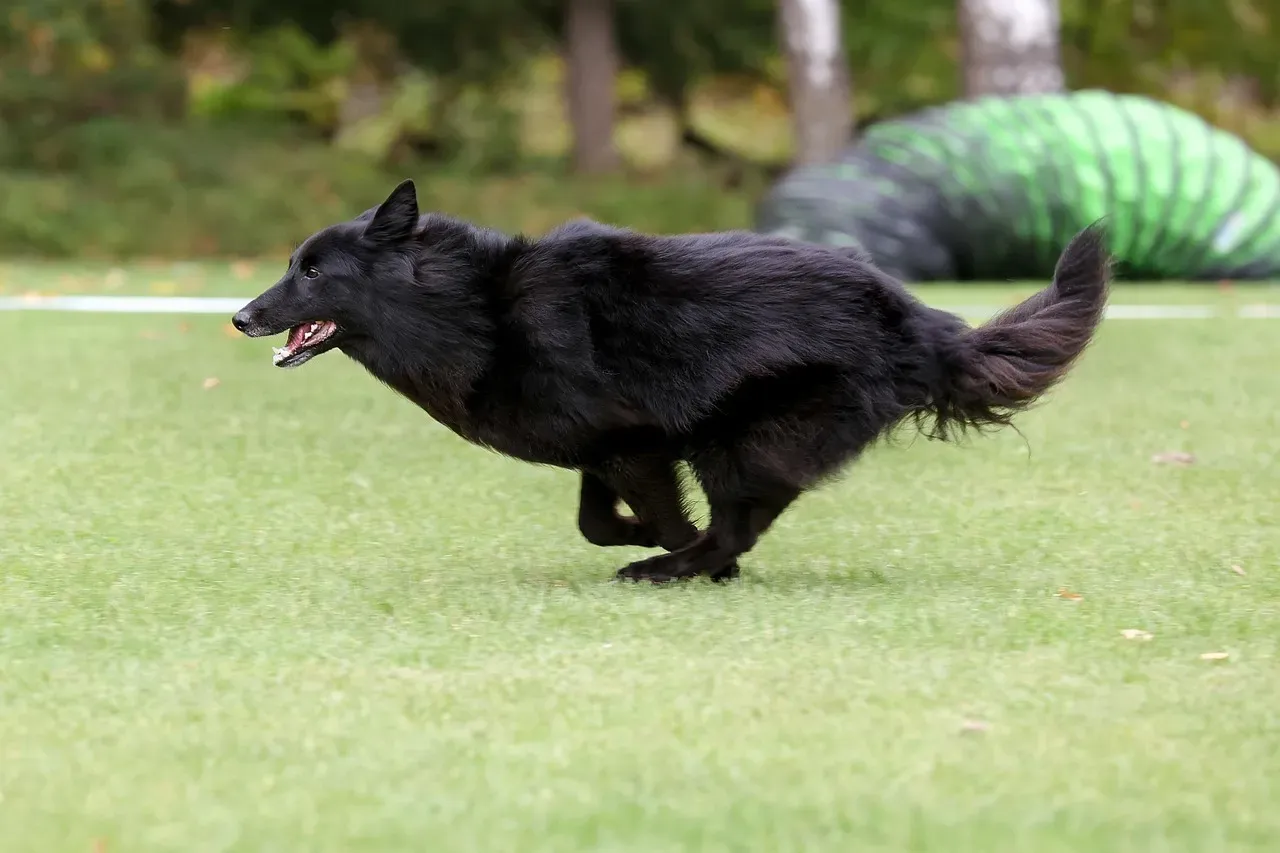
Agility can be a mentally and physically stimulating brain game for your dog, as you can easily make an obstacle course out of common household objects that are safe for dogs, like setting up your dining room chairs and having your dog weave through them, or setting up a broom or mop to have them jump over, and your dog will be following your cues to get through the course but having so much fun that they won’t even realize you’re training them.
Rainy day? No problem. Move the coffee table, grab some cushions, and create an indoor adventure course. Your dog doesn’t care if it looks silly. They’re just thrilled to have something interesting to do with you. The mental focus required to navigate obstacles is incredibly tiring in the best way possible.
Give Your Dog a Job
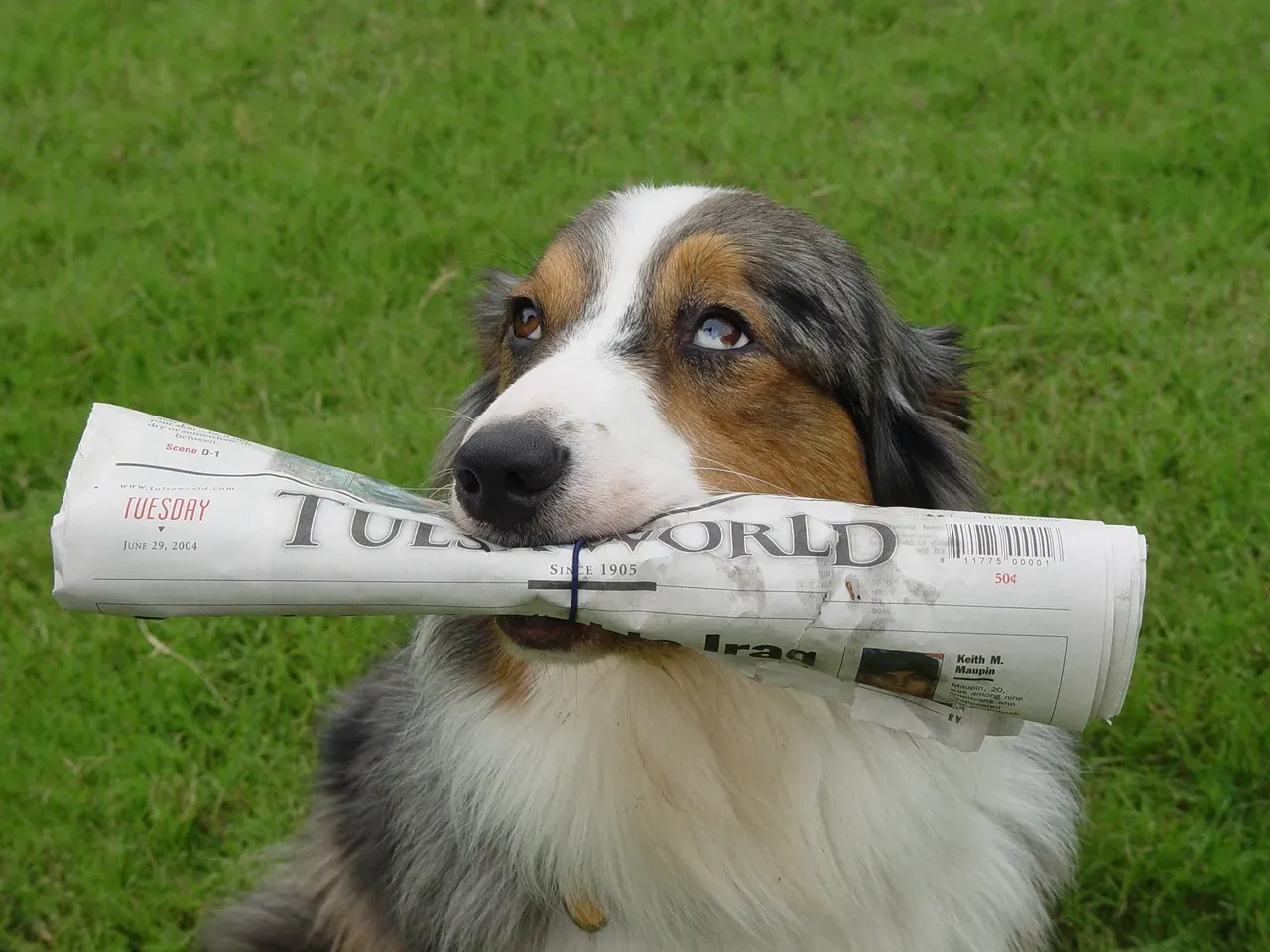
Dogs are pack animals who were originally bred to perform jobs, but now, most of them don’t have a job to do even if they want one, and they spend a lot of time alone when their human parents are gone, so it’s only natural that they would get bored.
The key to a happy and healthy dog is regular enrichment and allowing them to engage in their innate behaviors such as playing, chasing, smelling, chewing and scavenging, and by allowing your dog to engage in these behaviors, you allow them to be physically, emotionally and mentally satisfied. Teach your dog to bring you the newspaper, carry their own leash on walks, or help you pick up their toys at the end of the day. These simple tasks give them purpose and make them feel like a valued member of your household.
Conclusion
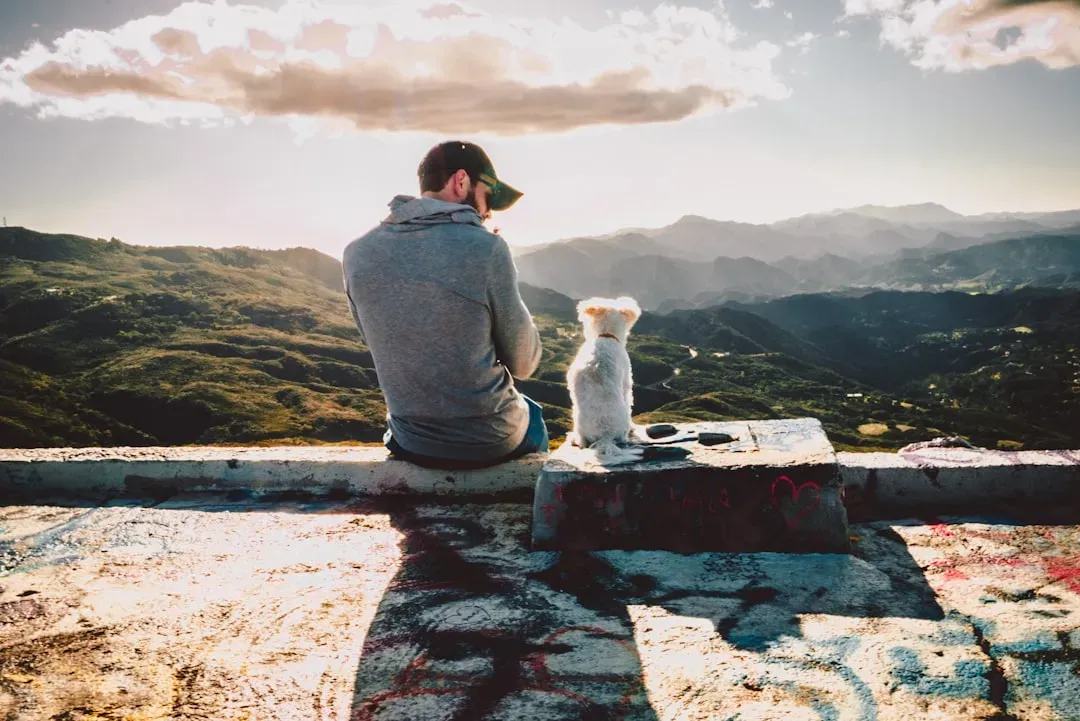
Enrichment helps to prevent boredom and can help with dog behavior problems such as anxiety, and increasing enrichment is one of the first things recommended by behaviorists no matter the type of behavior problem, as it does wonders to improve quality of life and mitigate many training struggles. The beauty of mental stimulation is that it doesn’t require hours of your day or expensive equipment.
Your dog doesn’t need perfection. They just need you to try. Whether it’s a simple towel puzzle before breakfast or a new walking route on Saturday morning, these small changes add up to a happier, more fulfilled companion. So tell us, which activity are you going to try first with your furry friend?


