
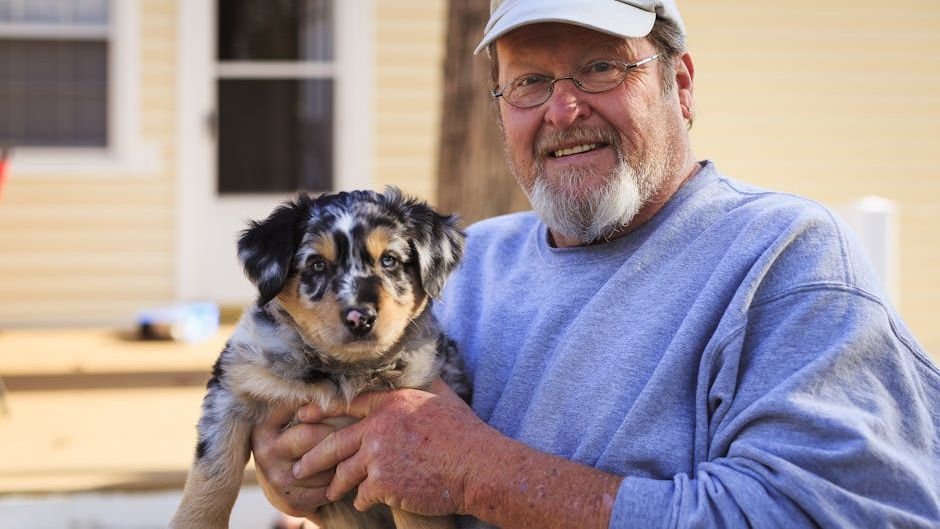
You see your dog every single day. You feed them, cuddle them, maybe toss a ball around the backyard. You think things are fine. But here’s a question that might catch you off guard: what if your dog’s breed was silently demanding something you simply weren’t aware of? What if that restless energy, that chewed-up couch cushion, or that lingering weight gain was your dog trying to tell you something important?
The truth is, not all dogs are built the same. A Golden Retriever and a Bulldog might both sleep on your couch, but what happens when they wake up could not be more different. Understanding what your specific dog actually needs, not just what feels like “enough,” can change everything. Let’s dive in.
Why Breed Matters More Than You Think
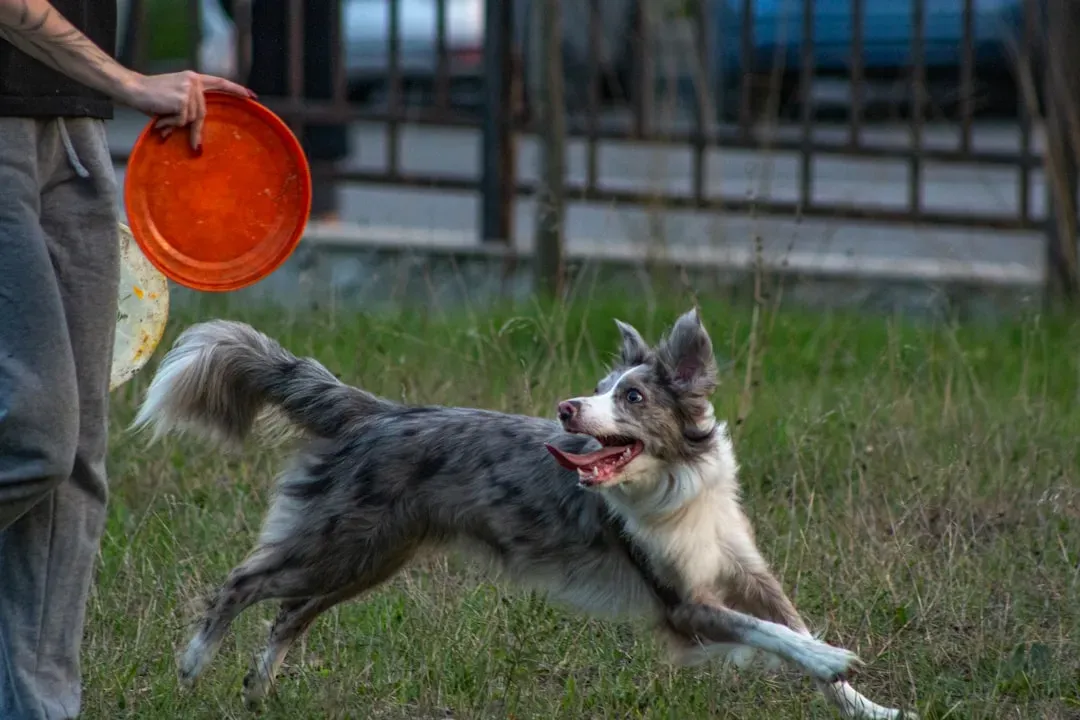
Here’s the thing: most dog owners underestimate just how powerfully breed shapes exercise needs. Your dog’s breed determines several factors, including their demeanor, energy level, and stamina. It’s not just about size, either. A small Jack Russell Terrier can need far more vigorous activity than a massive Great Pyrenees.
Consider how huskies and boxers were originally bred to pull sleds or protect property; this disposition influences their energy and strength, so they generally require more activity than a toy poodle, Dalmatian, or Havanese. When you ignore this, you’re basically asking a marathon runner to sit on the couch all day and wondering why they seem agitated.
Exercise needs vary by dog, and their breed, age, health, and personality all come into play. Small or low-energy breeds might only need 30 minutes of exercise a day, while other pups could sometimes require two hours or more. That is a massive gap, and getting it wrong in either direction has real consequences for your dog’s health.
The High-Energy Breeds That Are Almost Impossible to Tire Out
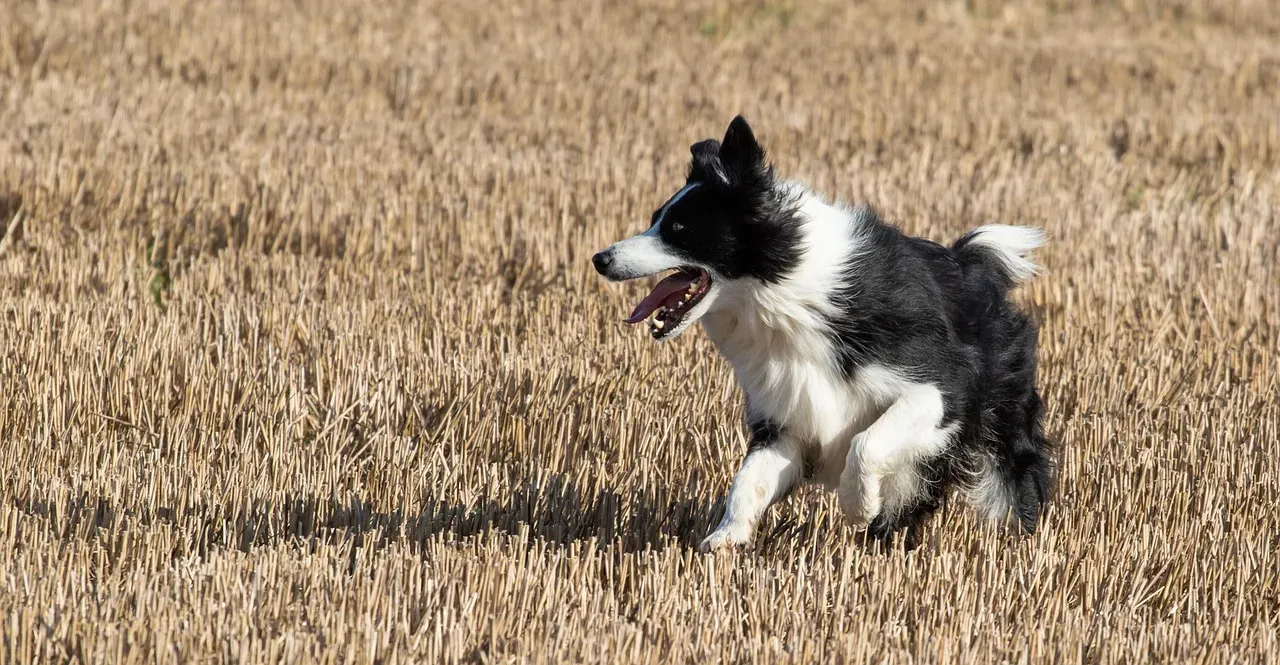
Some dogs were literally bred to work all day. I mean that almost literally. Border Collies are some of the most intelligent, energetic, and hardworking dogs. They are so energetic that it’s almost impossible to tire them out. Your adult Border Collie will need around two hours of exercise daily. Owning one without understanding that is a recipe for chaos.
High-energy breeds like Australian Cattle Dogs, Border Collies, and Weimaraners will need a whole lot more regular activity than a breed like the Bulldog, Pug, or Basset Hound. If you own one of these high-drive breeds, a quick walk around the block is not going to cut it. Think of it like giving a professional cyclist a spin on a tricycle and calling it training.
High-energy, athletic, and working breeds require a whole lot of activity, we’re talking 2-plus hours every day. An Australian Shepherd, for example, will love to accompany you on a run or try out doggy sports like flyball and agility. These dogs need a job to do, and if you don’t give them one, they’ll invent one. Usually involving your furniture.
Low-Energy Breeds and the Trap of Over-Exercising
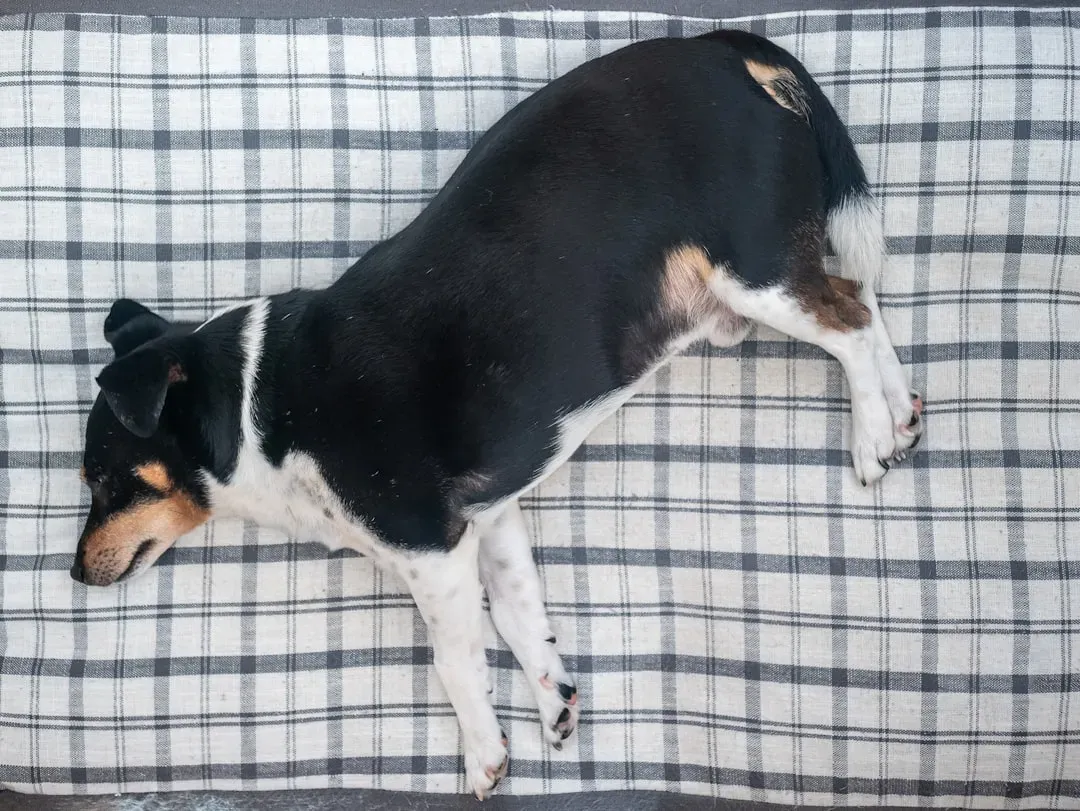
Honestly, this one surprises a lot of people. The idea that you can exercise your dog too much feels counterintuitive. Yet it’s a very real concern, especially for certain breeds. Low-energy breeds such as English bulldogs, pugs, basset hounds, and shih tzus are laid-back and suited for leisurely walks and gentle play. Pushing these dogs beyond that can genuinely harm them.
Some dogs have certain physical features that limit the type or amount of exercise they can do. Brachycephalic, or flat-faced, breeds like the Shih Tzu are a perfect example. While French Bulldog exercise requirements are mild, they must go on casual walks for 30 minutes daily to avoid gaining weight. Walking should be enough because, like other short-nosed dogs, French Bulldogs tend to have difficulty breathing and quickly get tired.
So if you’re a fitness enthusiast who wants to bring your Pug along for morning runs, I’d gently encourage you to rethink that plan. Watch for overexertion signs and keep an eye out for fatigue, overheating, or discomfort. Dogs can sometimes push themselves too hard, especially when excited, so you need to determine when enough is enough. Your dog will try to keep up with you out of pure love. That loyalty deserves protection.
The Warning Signs Your Dog Is Not Getting Enough Movement

Your dog can’t exactly tap you on the shoulder and say, “Hey, I need more walks.” What they do instead is communicate through behavior. Behavioral problems, and especially destructive behavior, are commonly a result of not getting enough exercise. Many dogs, especially high-energy breeds, become bored and frustrated if they don’t get enough outdoor exercise and mental stimulation. If your dog is starting to chew things around the house, scratch or dig at doors, or raid the kitchen or trash can, the problem might be not enough exercise.
It might seem surprising, but dogs who don’t move enough can become stiff or sore. Without regular activity, muscles weaken, and joints become tighter, especially in older dogs. This discomfort may make your dog less likely to move, creating a cycle of inactivity that can potentially lead to pain if left unaddressed. That cycle is heartbreaking, and often entirely preventable.
If your dog is pacing, whining, or struggling to settle down, they may not be getting enough exercise to tire them out. Some dogs will become very withdrawn and depressed when they are lacking in mental and physical stimulation. These dogs are more reluctant to engage with their human family and might need to get outside and moving to become more involved. However, this can also be a sign of illness, so consult your veterinarian if you are seeing this as a symptom.
Exercise Is Not Just Physical: The Mental Stimulation Your Dog Craves

Here’s something that genuinely blows people’s minds. A tired body does not always mean a settled mind. A physically tired dog may still exhibit destructive behaviors if their mind remains unstimulated. Conversely, a mentally exhausted dog might still have physical energy that needs an outlet. Dog mental health requires both components working together rather than one substituting for the other.
Think about it like this: giving a brilliant child a PE class but no schoolwork. The body gets tired, but the mind stays restless and bored. A 15-minute puzzle-feeding session or scent training exercise can mentally exhaust a dog more thoroughly than a 45-minute walk. That is a staggering and honestly liberating fact for busy dog owners.
Enrichment has been shown to have wide-ranging benefits for dogs including promoting relaxation, reducing stress and anxiety, improving resilience, strengthening bonds with their owner, and preventing and helping to treat undesirable behaviours such as excessive barking. Short, 5 to 10 minute training sessions can do wonders for mental stimulation and confidence. Plus, it strengthens communication between you and your dog. It’s a two-for-one deal you’d be silly to pass up.
How Age Changes Everything: Puppies, Adults, and Senior Dogs

Age is not just a number when it comes to your dog’s exercise routine. It’s a complete game-changer. In general, puppies engage in lots of exercise bursts, usually in the form of play, and they don’t do well with sustained exercise like a long hike or run. A puppy’s growing bones can also be at greater risk for joint or skeletal problems if the wrong type of exercise is introduced too early, especially in large breeds like German Shepherds, Rottweilers, and Great Danes.
Adult dogs hit their stride, so to speak, and can handle more structured, sustained activity. Young adult and healthy adult dogs are the most likely to thrive on sustained activity, though it’s still important to monitor them for signs of overtiredness or strain. It’s their peak window, and making the most of it pays dividends in long-term health.
Senior dogs are a different story entirely, and they deserve our greatest patience. Your senior dog might not be able to run as far as they once did, and you might have to eventually restrict their run to a walk. Proper exercise is just as important for your senior dog as it is for your puppy. Senior dogs have a different capacity for exercise than their younger selves. An elderly, small-breed dog might be happy with a 15-minute walk twice a day. Older dogs still appreciate variety and a change of pace, so consider switching up their activity routine, even if you just walk through a different neighborhood.
Conclusion: The Dog in Front of You Is Your Best Guide
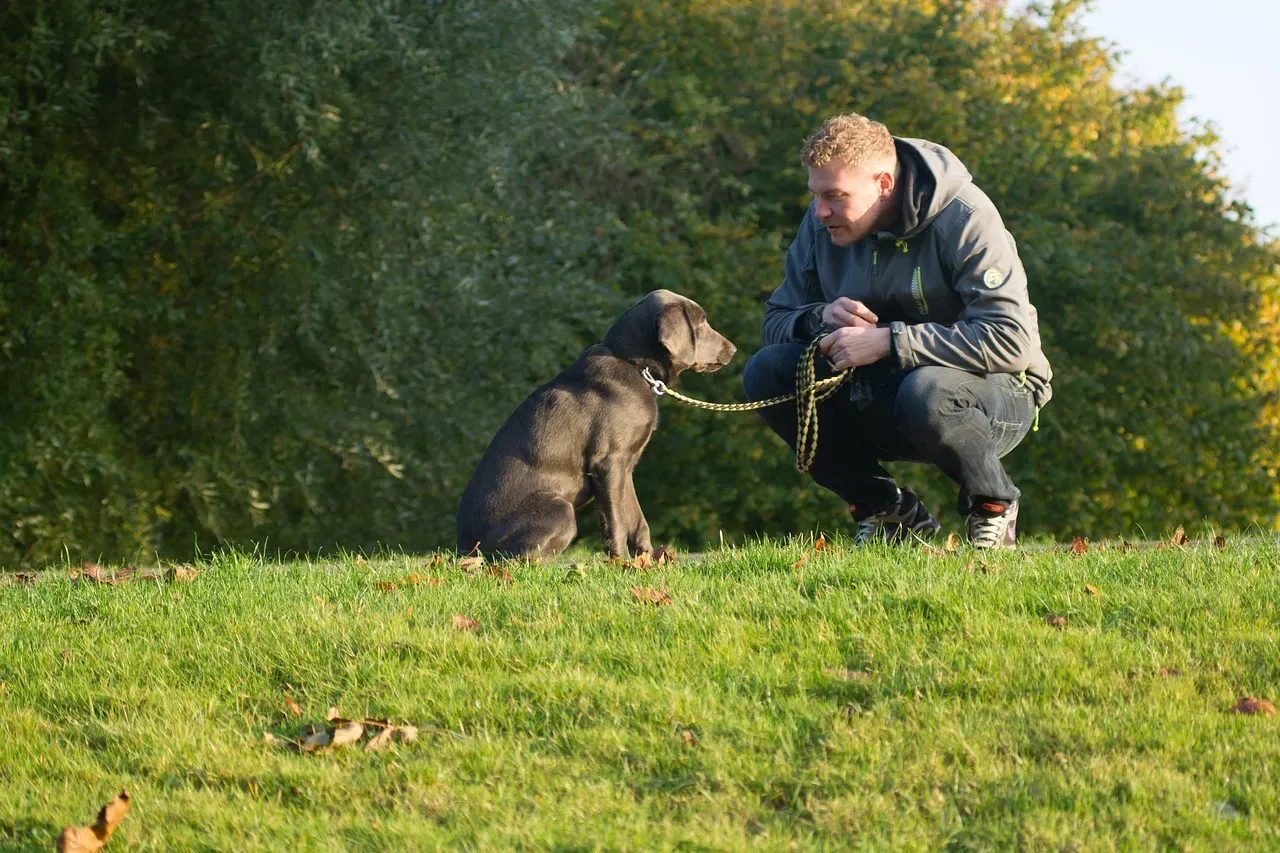
All the charts and breed guidelines in the world are just a starting point. Just like people, dogs have unique personalities that influence how much they want to move. A playful, curious, or high-drive dog may constantly seek stimulation, while a mellow pup might prefer lounging with occasional strolls. Breed is the map, but your dog is the territory.
Choosing the proper exercises for your dog involves understanding their unique needs based on breed, age, size, and health. By tailoring your dog’s activities, you can help them stay healthy, happy, and well-behaved. It is not about being a perfect dog parent. It’s about being an observant, curious, and responsive one.
Pay attention to the signals. Watch for the chewed furniture, the restless pacing, the sudden weight gain, the withdrawn behavior. These are not random acts of chaos. They are your dog’s voice. A tired dog isn’t just a healthy dog; they are a happier and more well-behaved one, too. You already love your dog deeply, and now you have the knowledge to show it in one of the most meaningful ways possible: through the right kind of movement, every single day.
What small change could you make tomorrow that would put more joy into your dog’s routine? Share your thoughts in the comments. We’d love to hear from you.


