

You come home after a long day, toss your shoes by the door, and your dog is already spinning in circles, nudging you with their nose, eyes wide with that unmistakable “please, let’s go” look. Sound familiar? Most dog owners genuinely believe they’re doing right by their pups – a walk here, a backyard romp there. But here’s the thing: what feels like enough for you might be nowhere near enough for your dog, or in some cases, actually too much.
The truth about canine exercise is more nuanced, breed-specific, and honestly more surprising than most people expect. Whether you have a couch-loving Bulldog or a restless Border Collie, the exercise equation is rarely one-size-fits-all. Let’s dive in and find out what your dog really needs.
Why Breed Matters More Than You Think
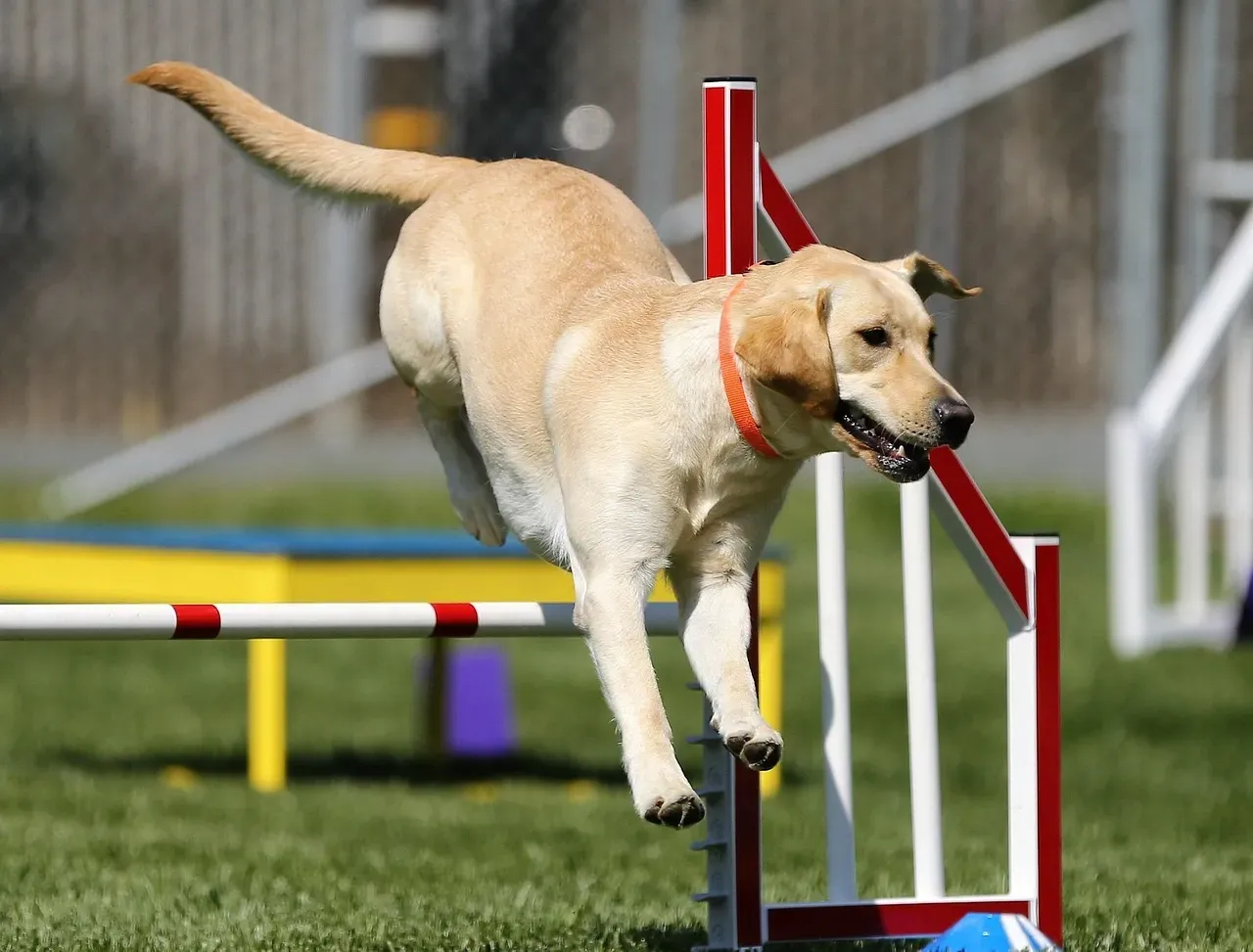
Breed plays a big part in a dog’s exercise needs. Research shows that gundog and hound breeds thrive on lots of activity, and high-energy dogs like Border Collies, Australian Shepherds, and Vizslas often enjoy 30 to 60-minute power workouts with plenty of mental stimulation. Think of it like this: asking a Border Collie to stay home all day is like hiring a Formula One driver to commute at 25 miles per hour. They were built for more.
In contrast, flat-faced breeds like Bulldogs, Pugs, and Shih Tzus benefit more from shorter walks and low-key exercise. If you want your canine companion to have a specific activity level to suit your plans or your lifestyle, it’s important to understand exercise needs by breed. If you choose a dog that needs a lot of exercise but you don’t have the time or inclination to provide it, neither of you will enjoy your time together to the fullest.
The General Exercise Guidelines You Need to Know
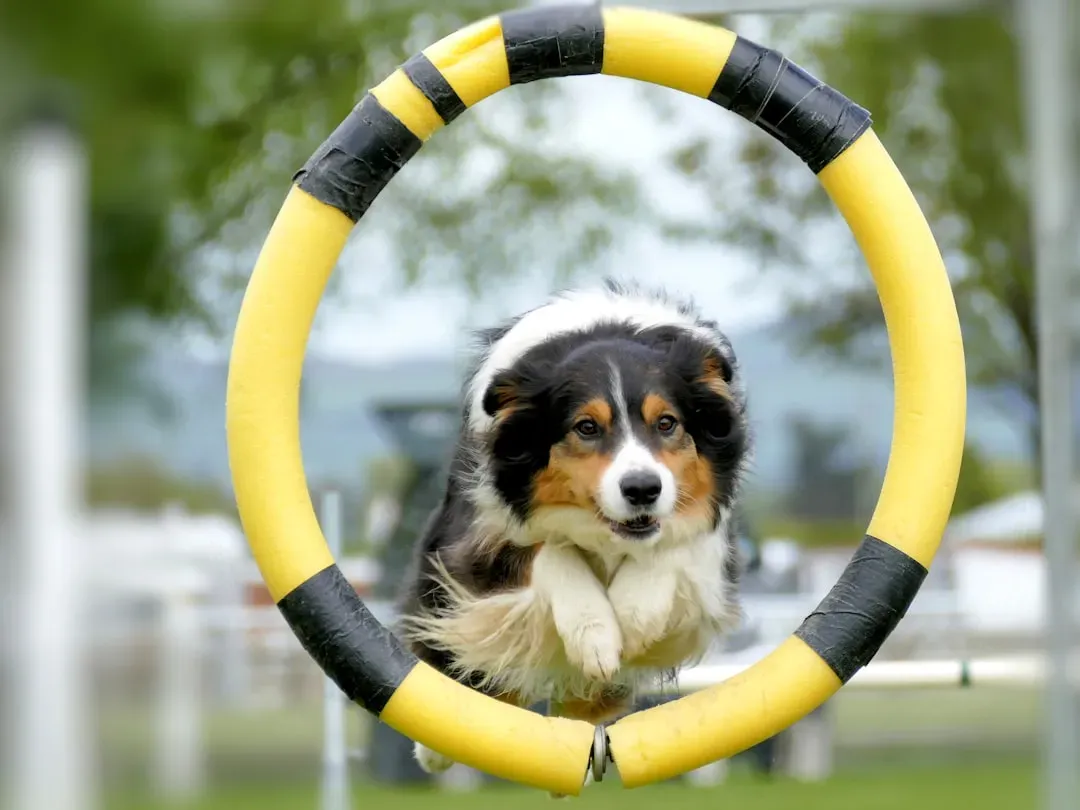
Exercise recommendations for dogs range between 30 minutes and two hours of moderate to high-intensity activity daily. The time and intensity vary so widely because different dog breeds have distinct exercise needs. That is a massive range, and it matters enormously which end of the spectrum your dog falls on.
Exercise needs vary by dog, and their breed, age, health, and personality all come into play. Small or low-energy breeds might only need 30 minutes of exercise a day, while other pups could sometimes require two hours or more. Honestly, when I first learned this, it was a bit of a wake-up call. A daily stroll around the block is not the universal answer we might hope it is.
The Shocking Number of Dogs Not Getting Enough Movement
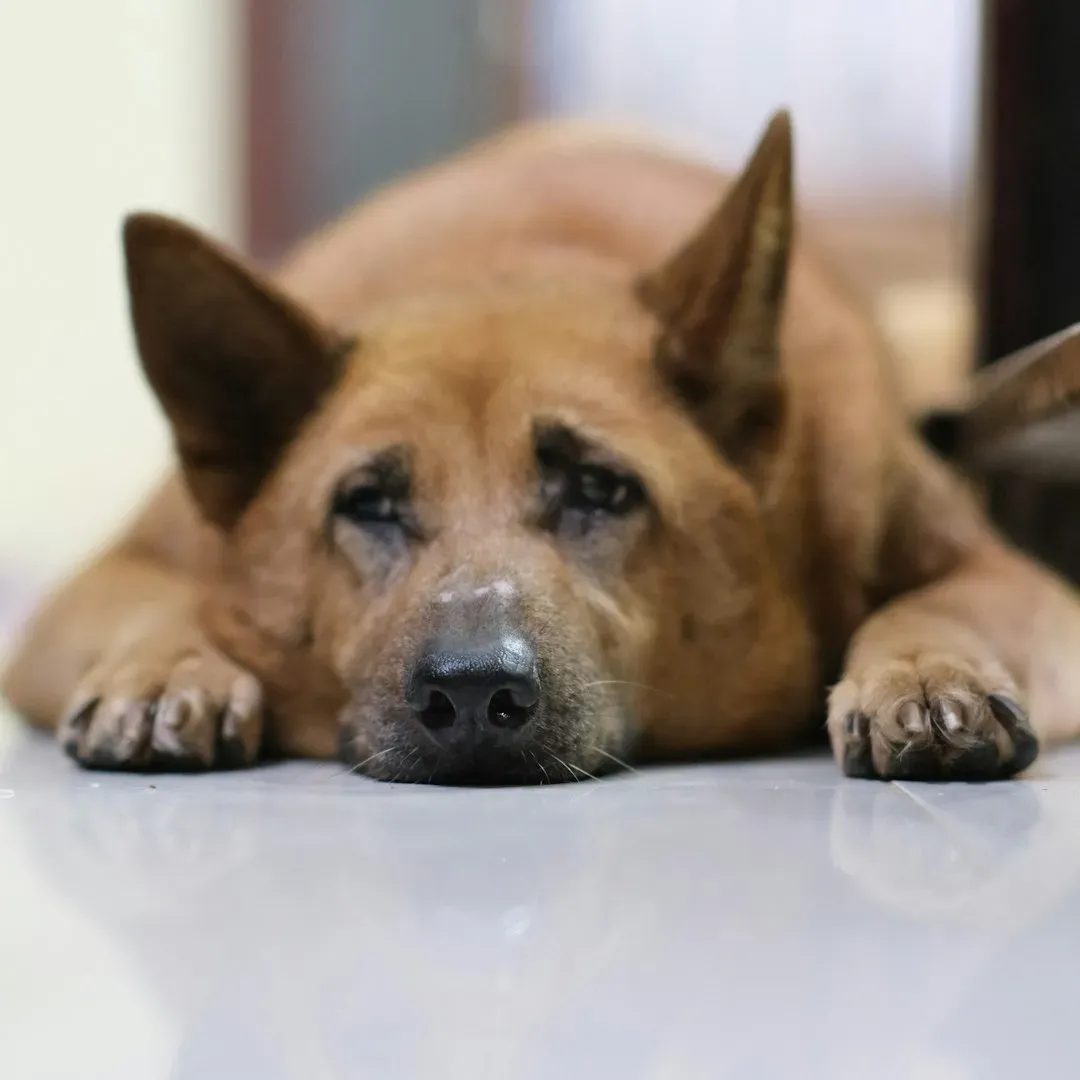
The finding that half of dogs in a large UK study were not receiving the recommended activity level is concerning. Let that sink in. Nearly half of all dogs in that study were living with a daily deficit of movement. That is not a small problem – that is a welfare issue hiding in plain sight.
Lack of enough exercise can lead to problems like behavioural issues and obesity. On the other hand, if you live a super active lifestyle but choose a dog that can’t keep up with your physical demands, you run the risk of them being pretty unhappy or even suffering from health issues. The mismatch between owner lifestyle and breed needs is one of the most overlooked causes of canine unhappiness.
Behavioral Red Flags: What Your Dog Is Trying to Tell You

Behavioral problems, and especially destructive behavior, are commonly a result of not getting enough exercise. If your dog is showing any of these tell-tale signs at home, it’s time to increase their mental stimulation and change their exercise plan. Many dogs, especially high-energy breeds, become bored and frustrated if they don’t get enough outdoor exercise and mental stimulation. If your dog is starting to chew things around the house, scratch or dig at doors, or raid the kitchen or trash can, the problem might be not enough exercise.
Dogs that are restless and bark or whine a lot are telling you they need more exercise. These dogs feel the need to be doing something – and they know that what they want likely lies outdoors. On top of this, they want to be doing it with their people. So they are communicating in the best way they know – by barking or whining. Next time your dog is acting out, before you reach for a training book, ask yourself: when did we last go on a proper, energetic walk?
Physical Health Signals You Should Never Ignore
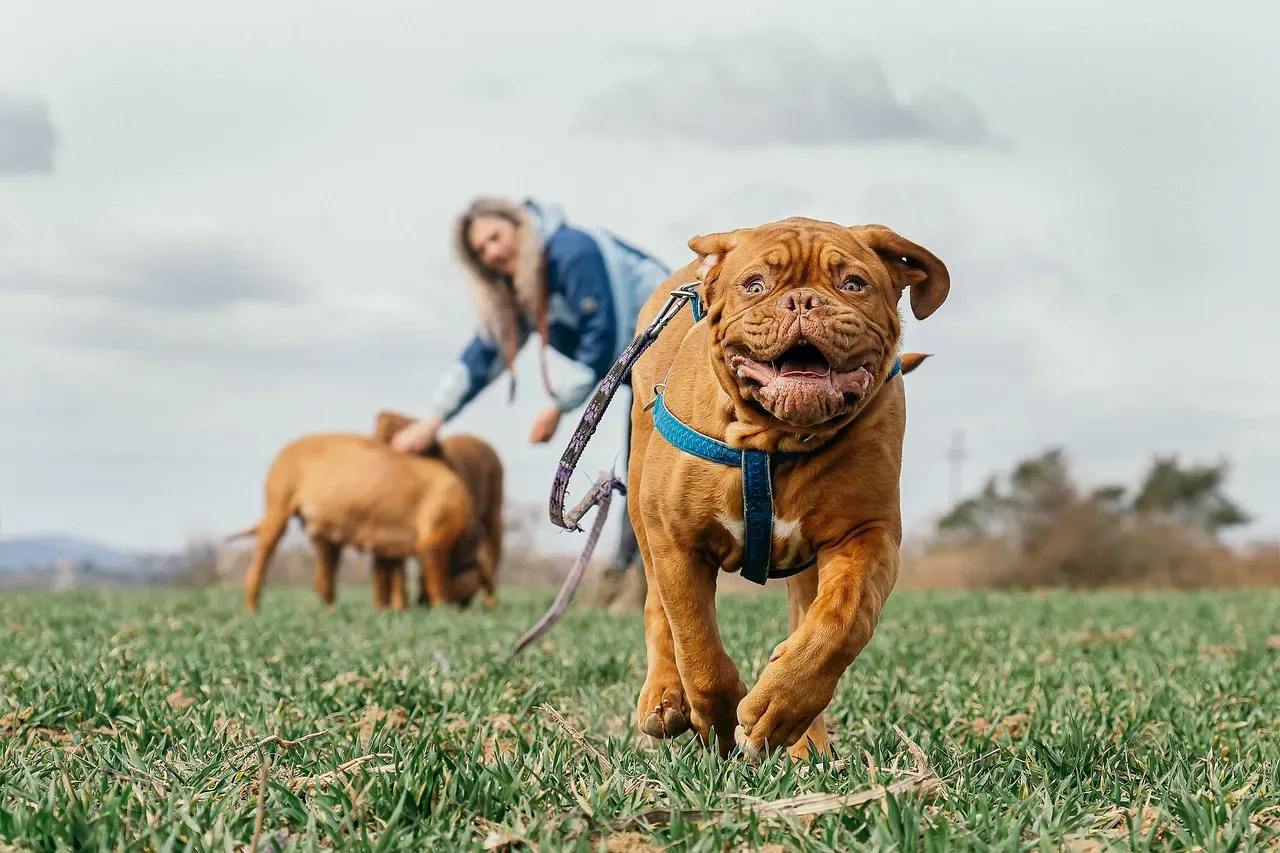
The most common physical sign of lack of exercise is weight gain with more subtle changes in muscle mass and endurance. If your pup is starting to get heavier and decline from their usual bouncy self, it might be time to step up the walks and outdoor playtime. You may also notice they tire more easily during activities they used to breeze through.
Dogs who don’t move enough can become stiff or sore. Without regular activity, muscles weaken, and joints become tighter, especially in older dogs. This discomfort may make your dog less likely to move, creating a cycle of inactivity that can potentially lead to pain if left unaddressed. Gentle, consistent exercise can improve flexibility, strengthen muscles, and reduce stiffness. It also supports joint health by promoting circulation and mobility, so even senior dogs benefit from daily movement.
High-Energy Breeds: When a Walk Just Isn’t Enough
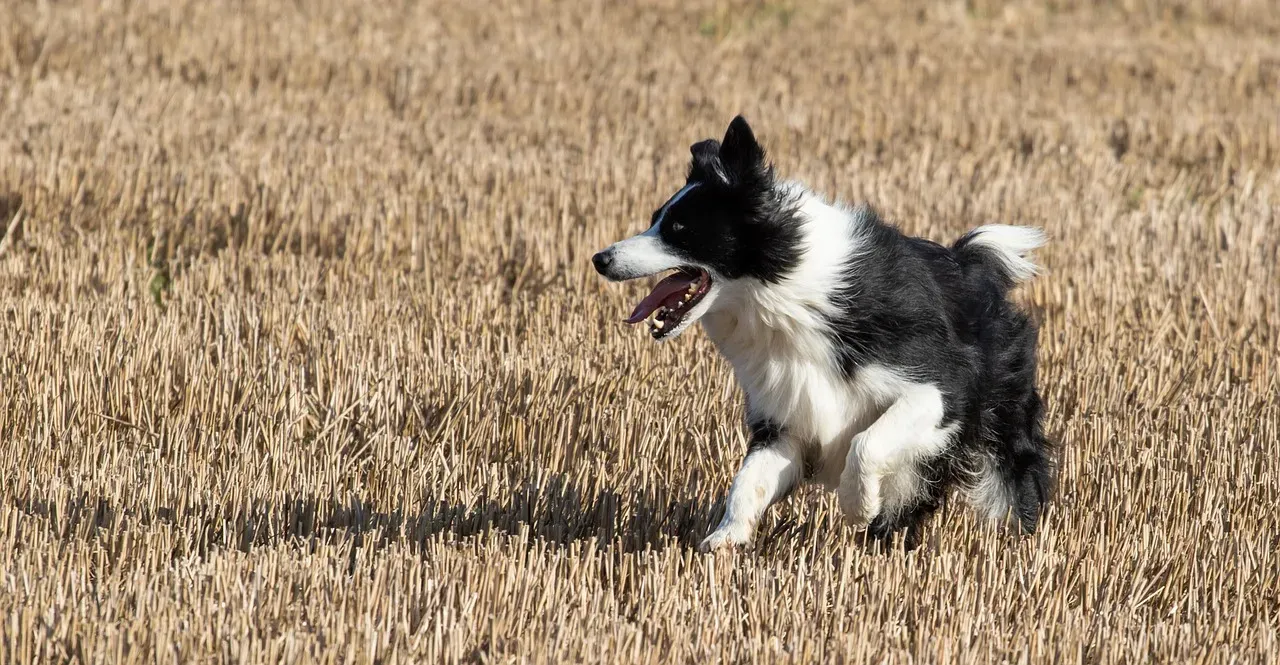
Border Collies are some of the most intelligent, energetic, and hardworking dogs. They are so energetic that it’s almost impossible to tire them out. Your adult Border Collie will need around two hours of exercise daily. That is not a typo. Two full hours, every single day. If you have one of these dogs and you’re doing a 20-minute stroll twice a day, you’re dealing with a seriously under-stimulated animal.
A dog’s exercise limits are heavily dependent on their breed. Certain breeds, like the Australian Cattle Dog, Border Collie, and Doberman Pinscher, were specifically bred to work and have higher energy and stamina. These dogs are not being dramatic when they act up indoors. They are literally wired for movement. Ignoring that wiring is like keeping a bird in a cage with its wings permanently clipped.
Small Dogs and Low-Energy Breeds: Don’t Underestimate Their Needs

Tiny dog breeds like Chihuahuas, Shih Tzu, and other lapdogs are often content with a leisurely stroll or two or a game of fetch. But there are exceptions: the small Cairn Terrier is a sporty pup. This is where a lot of small dog owners get it wrong – assuming tiny equals lazy. It doesn’t always work that way.
Bigger dogs don’t necessarily need more exercise, and they often require gentler movement for their large frames. Great Danes, Saint Bernards, and Newfoundlands, for example, are massive dogs who actually do well with moderate, low-impact activity rather than intense endurance sessions. Size is a misleading indicator. Always look at the breed’s original purpose instead.
Mental Stimulation: The Exercise Most Owners Forget

Mental stimulation is just as important for dogs as physical exercise. Signs that a dog is bored include tail-chasing, excessive barking, pacing, and digging. Here’s the thing – you could walk your dog for an hour and still come home with a dog that chews your cushions, because their brain is completely unchallenged.
Mental exercises can actually make dogs even more tired than physical exercise. This is especially important for high-energy working dog breeds such as German Shepherds, Border Collies, Australian Shepherds, and Australian Cattle Dogs. In fact, many destructive behaviors in dogs can be resolved simply by implementing mental exercises every day. Puzzle feeders, scent games, and short training sessions can be absolute game-changers. Think of it as a mental workout that genuinely tires your dog out from the inside.
The Real Danger of Over-Exercising: Yes, Too Much Is Also a Problem
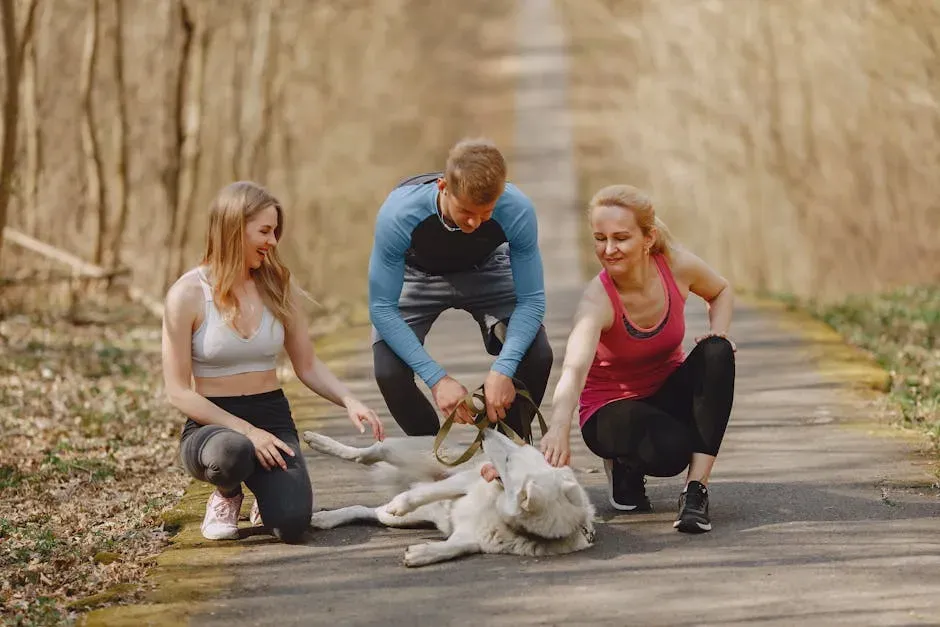
While exercise is beneficial, overdoing it can have serious repercussions for your dog’s health. Excessive running or jumping can strain your dog’s joints, particularly in young puppies or senior dogs. Conditions such as hip dysplasia or arthritis can worsen due to overexertion. Muscle and tendon injuries are also a risk. These injuries can take time to heal and may require veterinary intervention.
A good rule of thumb for preventing overexercise in puppies is to exercise them for 5 minutes for every month of their age, twice a day. So, a 5-month-old puppy gets 25 minutes of exercise twice a day. Senior dogs will slow down in their later years and may move more slowly as their joints deteriorate. In that case, take them out on shorter walks on mostly flat terrain, and consider low-impact exercise like swimming. More is not always more. Finding the right balance protects your dog for years to come.
How to Build the Right Exercise Routine for Your Dog
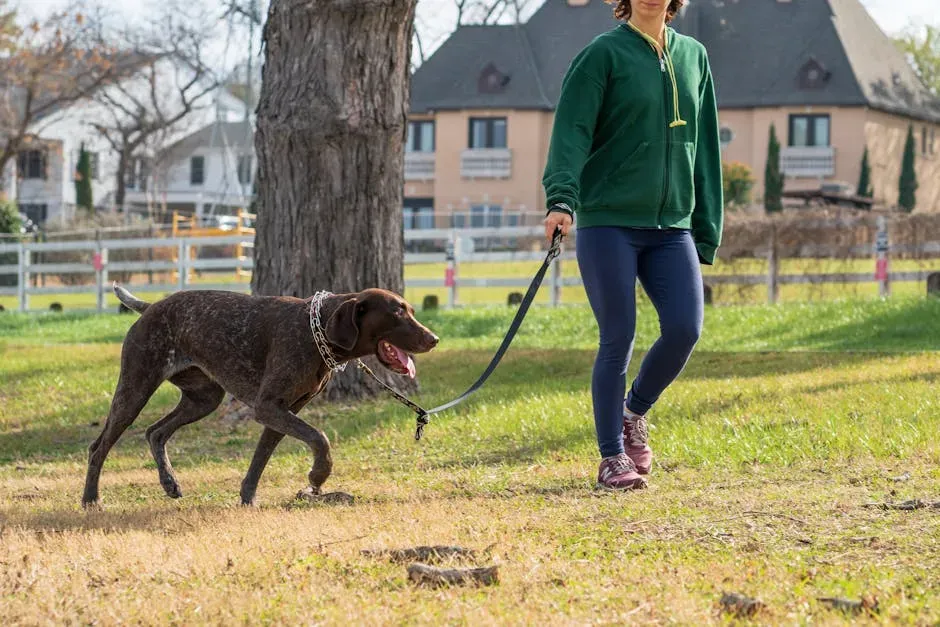
Your dog’s daily exercise needs depend on their breed, age, and size and physical or mental health conditions they may have. Watch your puppies and older dogs closely when they exercise. Too much activity can place too much stress on their bodies. Start by researching your specific breed’s history and original working purpose. A Husky was built to run for miles across frozen tundra. A Basset Hound was built to sniff slowly through underbrush. That context tells you almost everything.
Your dog needs variety to stay engaged. Fetch is great, but give them options like agility training, scent work, and interactive toys. Your vet can also help advise on the precise amount of exercise your dog needs, given their breed, size, weight, and any health issues they might be facing. Also bear in mind that some days your dog may have more energy and need more exercise and stimulation than others, depending on their recent activities and sometimes the weather. Treat exercise like a conversation with your dog, not a checkbox on your to-do list.
Conclusion: Your Dog Is Counting on You to Get This Right
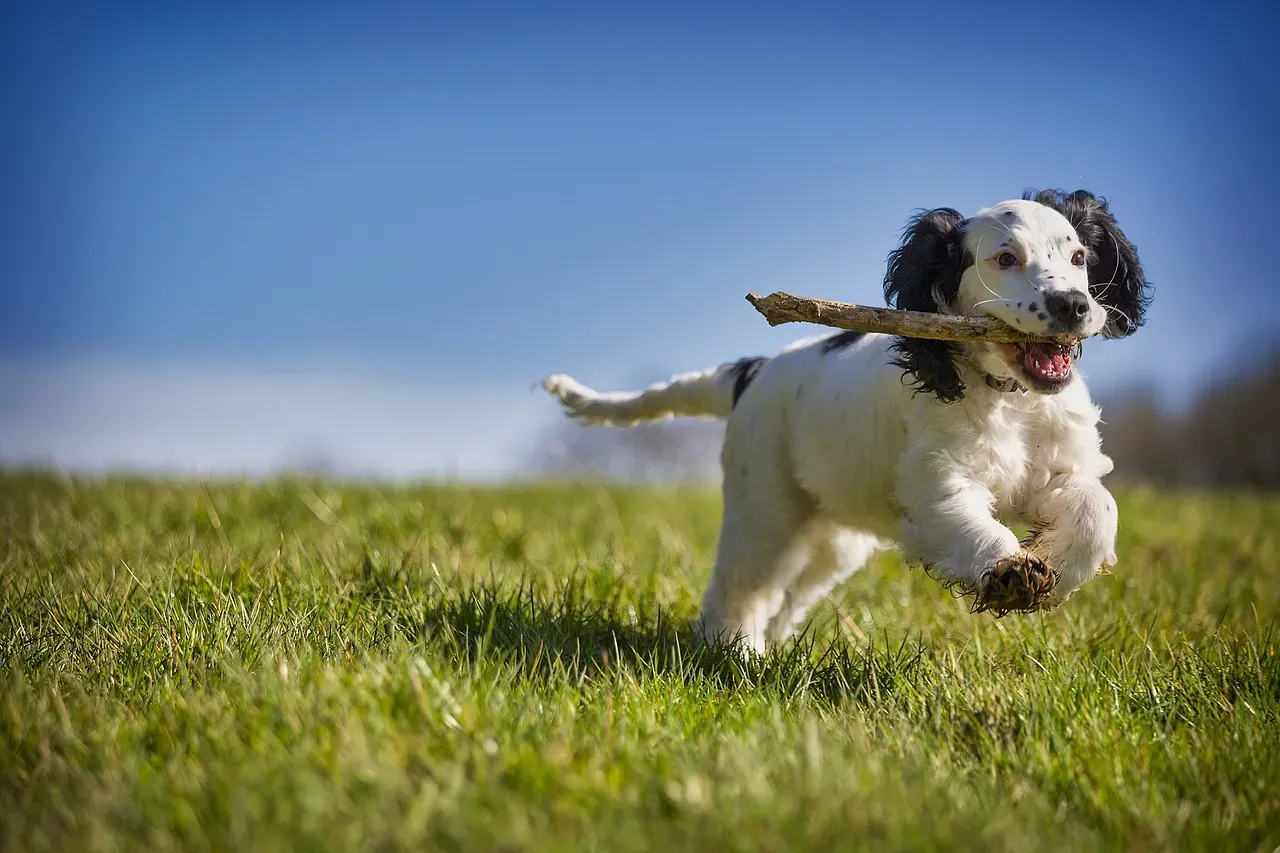
The relationship between a dog and their owner is built on countless small, daily decisions. What you feed them, how you comfort them, and yes – how you move with them. Exercise is not a luxury for dogs. It is a fundamental need, as essential as food and water. Getting it right, tailored to your specific dog’s breed, age, and personality, is one of the most powerful things you can do for their health and happiness.
The good news? You don’t need to run marathons or buy expensive equipment. You just need to pay attention, do a bit of research on your breed, and stay curious about what your dog is communicating to you every single day. A well-exercised dog is a calm, joyful, deeply satisfied companion. And honestly, there is nothing quite like coming home to that.
So take a look at your dog right now. Are they restless? Chewing things they shouldn’t? Or are they the picture of contentment? What does your dog’s behavior tell you about their exercise routine – and what might you change starting tomorrow?


