

Picture this: you come home after a long day, excited to see your pup, and instead of a wagging tail greeting you, you’re met with a shredded couch cushion, an overturned trash can, and a dog who looks at you with those big guilty eyes. Sound familiar? Most of us chalk it up to “bad behavior” and move on. But here’s the thing – your dog isn’t being naughty. Your dog is desperately bored.
Mental stimulation is one of the most overlooked pillars of canine health, and the consequences of ignoring it run much deeper than chewed-up shoes. From anxiety and depression to physical decline, boredom can quietly erode your dog’s quality of life. Let’s dig into what’s really going on inside your dog’s mind, what to watch for, and how to turn things around starting today.
Your Dog Has a Brain – and It Needs a Workout

Dogs aren’t just about belly rubs and wagging tails. They’re intelligent, curious animals that need both physical and mental stimulation. Think of their brain like a muscle. Leave it unused, and it weakens. Challenge it regularly, and your dog becomes calmer, sharper, and genuinely happier.
Mental health is an integral part of your dog’s overall well-being. Just as physical exercise keeps their bodies fit, mental stimulation keeps their minds sharp and emotions stable. A dog with a bored brain is like a brilliant student forced to sit in an empty room all day – frustration is inevitable.
Activities that engage your dog’s brain improve learning, memory, and problem-solving skills. Regular mental workouts increase neural activation, which can even delay cognitive decline as your dog ages. That’s not just good for now – it’s an investment in your dog’s long-term health.
The Warning Signs You Might Be Misreading

Many pet parents mistake boredom-driven behaviors for bad habits, but your dog might just be looking for something to do. Honestly, this is one of the most common misunderstandings I see among even the most devoted dog owners.
Signs of boredom include increased attention-seeking behaviors such as pawing and barking, chewing, digging, or other exploratory behaviors especially when the dog is left alone, and pacing or shredding toys and bedding. If your dog is doing any of these things consistently, don’t punish them. Pay attention instead.
Typical signs of boredom start with restlessness, such as pacing, jumping on and off furniture, or watching you constantly for signs that you may want to play. This restlessness can eventually become hyperactivity, with your dog struggling to settle down or zooming around the house. Catch these early and you can course-correct before habits form.
When Boredom Becomes a Real Health Crisis

Chronic boredom, which is a state of severe understimulation, is strongly linked to anxiety and can lead to depression in dogs. When a dog has no control over its environment or routine and cannot express its natural behaviors, it can become stressed and anxious, leading to compulsive actions like excessive licking or depressive symptoms like lethargy and loss of appetite.
Less movement equals more pounds. When boredom leads to inactivity, it increases the risk of obesity, joint problems, diabetes, heart disease, and even a shortened lifespan. That’s a sobering list for something we might shrug off as our dog just “being lazy.”
What starts as one small behavior – chewing on a shoe from boredom – can turn into a more serious condition, like compulsive licking or chewing, that requires medical or behavioral help. These conditions can eventually involve your dog swallowing something they shouldn’t, which can lead to GI issues or obstructions. No one wants an emergency vet visit that could have been prevented with a puzzle toy.
Some Dogs Feel Boredom More Intensely Than Others

Dog breeds originally bred for specific jobs, especially herding, working, or hunting, are most prone to boredom because they have high genetic drives that need fulfillment. These include breeds like Border Collies, Australian Shepherds, Kelpies, German Shepherds, and Labradors. These dogs require both intense physical exercise and daily mental challenges to prevent destructive boredom behaviors.
Even lazy dog breeds can get bored in between naps and meals. Daily exercise, no matter how short or slow, along with playtime or training can help to keep even the laziest dogs engaged and satisfied. So no, your sleepy Basset Hound is not off the hook here.
Research indicates that dogs left alone for more than four hours a day tend to exhibit increased signs of boredom. If your work schedule keeps you away most of the day, this is especially worth thinking about. Even small adjustments can make a meaningful difference.
Simple, Powerful Ways to Mentally Enrich Your Dog’s Day

Let’s be real – enrichment doesn’t have to mean expensive gadgets or a full-time dog trainer. Some of the most effective strategies cost absolutely nothing. The key is variety and intention.
Sniffing is a natural form of mental exercise that relieves stress and uses significant brainpower. Something as simple as a slow “sniff walk” where your dog leads the pace and explores freely can be more mentally tiring than a fast-paced jog around the block.
Mental engagement can be strengthened with structured, problem-solving activities such as treat-puzzle toys, snuffle mats, scent-work games, and short training sessions using positive reinforcement. Rotating interactive toys and games also helps maintain novelty and challenge. A rotating toy box feels like Christmas morning every few days – and your dog will love you for it.
Changing up your walking route can be very stimulating for dogs. Walking somewhere new allows them to see and smell new things. Regularly changing your route helps keep things exciting and mentally stimulating. It’s a tiny tweak with a surprisingly big payoff.
When to Stop and Consult a Professional

Boredom and anxiety in dogs can look very similar, and many of the signs overlap. Chewing, digging, pacing, or attention-seeking can occur with either condition, which makes it difficult to tell the difference on your own. It’s hard to say for sure sometimes – and that’s okay. That’s what professionals are for.
One helpful clue is the pattern: dogs who are bored often improve with increased enrichment and structured activity, while dogs with anxiety may continue destructive or repetitive behaviors even in a stimulating environment. If things aren’t improving despite your best efforts, that’s your signal to dig deeper.
Persistent aggression, compulsive behaviors, or withdrawal require expert intervention. Certified behaviorists and veterinary specialists can provide tailored enrichment plans, therapeutic interventions, and training support that can restore your dog’s mental health and happiness. Asking for help isn’t a failure. It’s one of the most loving things you can do.
Conclusion: A Bored Dog Is Asking for Something
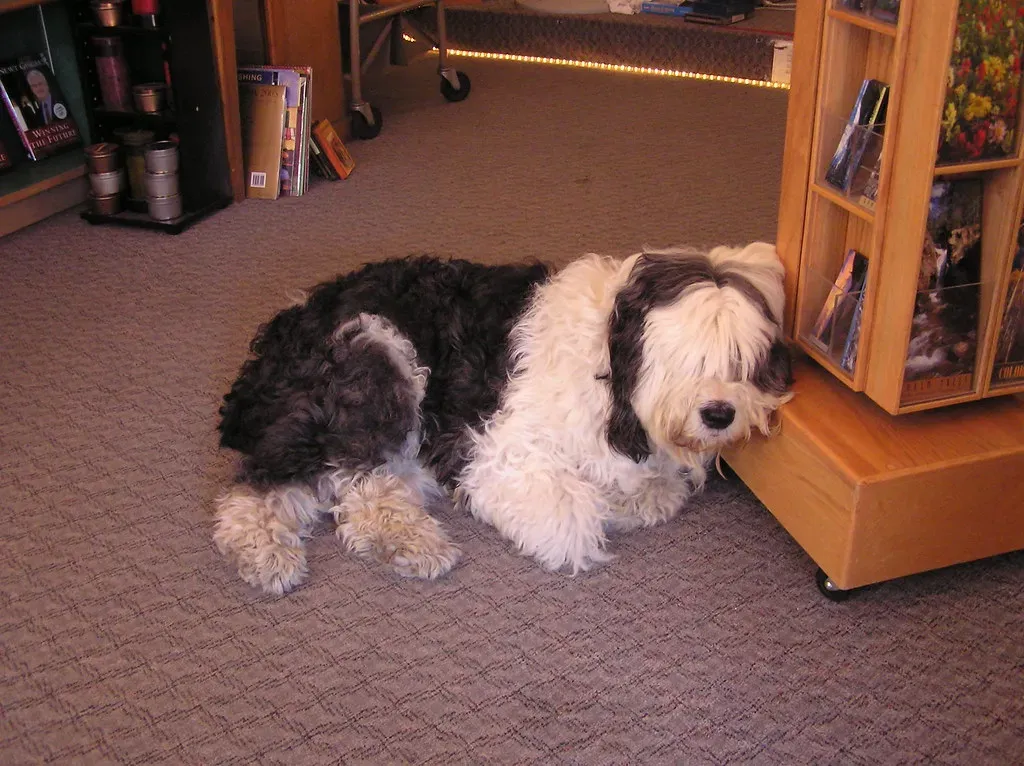
Your dog can’t send you a text saying “Hey, I’m really understimulated today.” Instead, they chew, bark, pace, and dig. Remember, you are your dog’s whole world. They want to be included in your life. Every single destructive behavior, every anxious whine, every restless afternoon – it’s all communication.
The wonderful news is that the solution doesn’t require a complete lifestyle overhaul. A sniff walk here, a puzzle feeder there, a new route on your afternoon stroll. Small changes, stacked consistently, create enormous shifts in your dog’s well-being. Enriching your dog’s mind not only prevents problematic behaviors but also strengthens the bond you share.
So here’s your gentle nudge: look at your dog today with fresh eyes. Are they truly getting the mental engagement they need? Because a fulfilled dog isn’t just well-behaved – they’re genuinely, deeply happy. And isn’t that exactly what we want for them? What small change will you make for your pup today? Share it in the comments below.


