
Have you ever noticed your dog lying in the same spot for hours, barely wagging its tail when you come home, and thought, “Is something wrong?” For many dog lovers, the idea that dogs can feel deep sadness, even depression, is both surprising and heartbreaking. Yet more and more dog owners are discovering that their best friends can struggle emotionally just like we do. What if your pup’s “laziness” or “bad mood” isn’t just a phase? What if it’s a silent cry for help? Understanding the difference between a tired dog and a depressed one could be the most important thing you do for your furry companion. Here are 11 emotional signs to watch for—because every wag, whimper, and sigh matters more than you think.
Lack of Interest in Playtime

Most dogs light up at the sight of a favorite ball or squeaky toy. If your dog suddenly seems indifferent to play, it’s a big red flag. Dogs thrive on fun and interaction, so if yours ignores toys or acts bored during games, it may be more than just tiredness. Maybe your energetic retriever now turns away when you throw a stick, or your goofy terrier won’t even chase a squirrel in the yard. A loss of interest in play often signals emotional distress, especially if it lasts for days. Imagine a child refusing to play with their favorite toy—worrying, right? That’s how it is for dogs, too.
Changes in Eating Habits

Has your dog started leaving food in the bowl or even skipping meals? Sudden changes in appetite can reveal a lot about a dog’s emotional state. While a tired pooch might skip one meal after a big day, ongoing disinterest in food can point to depression. Dogs who are feeling down might either stop eating altogether or, oddly, start eating more than usual out of boredom or emotional need. Watch for treats being ignored, or a beloved snack going untouched. These are silent but powerful signals that something deeper could be wrong.
Excessive Sleeping or Insomnia

Sure, dogs love a good nap, but sleeping all day isn’t normal for most breeds. If your dog seems glued to their bed and only gets up for the bare necessities, it could mean more than just fatigue. On the flip side, some depressed dogs struggle to rest, pacing at night or changing their sleeping spots constantly. Think of it like the dog version of tossing and turning—restless and unable to get comfortable. Both extremes—too much sleep or too little—are worth paying close attention to.
Withdrawal from Family Members

One of the most heart-wrenching signs is when a once-loving dog suddenly keeps to itself. If your dog used to follow you everywhere, but now hides or sits in another room, that’s a warning sign. Dogs are social creatures, and withdrawing from their human “pack” means something’s off. Maybe they don’t greet you at the door, or they refuse to snuggle on the couch. This withdrawal is more than shyness—it’s a sign of emotional pain that shouldn’t be ignored.
Sudden Aggression or Irritability

Has your sweet dog started snapping or growling without warning? Sudden aggression or irritability can sometimes be linked to depression. When dogs feel sad or overwhelmed, their tolerance drops. They might snap at family members or other pets over things that never bothered them before. It’s not always anger—it can be frustration, confusion, or even fear. Imagine feeling so sad you can’t control your mood; dogs can feel that way, too.
Excessive Licking or Chewing

Dogs often lick or chew themselves to cope with anxiety or sadness. If you notice your dog obsessively licking their paws or chewing on their tail, it might be a self-soothing behavior. Over time, this can even cause bald spots or sores. It’s easy to miss at first, but these habits can become deeply ingrained if the emotional issue isn’t addressed. This is similar to how people might bite their nails when stressed—except for dogs, the signs are even more visible.
Loss of Interest in Walks

For most pups, hearing the word “walk” is like winning the lottery. If your dog suddenly doesn’t care about going outside, it’s cause for concern. Dogs usually love the sights, smells, and sounds of the outdoors. When your dog shrinks from the leash or refuses to budge when you open the door, it’s not laziness—it might be sadness. This lack of interest in walks can be a clear signal that your furry friend isn’t feeling like themselves.
Unusual Vocalizations
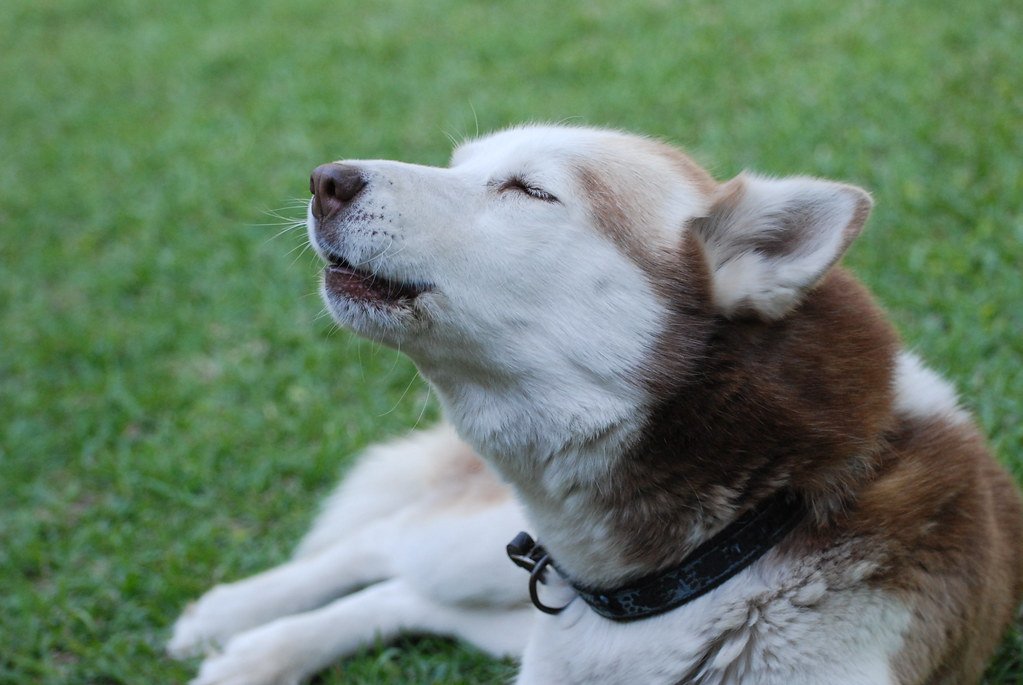
A dog that’s suddenly howling, whining, or barking more than usual (or, conversely, becoming eerily quiet) could be trying to tell you something. Dogs communicate their feelings through sound. If your usually chatty dog falls silent or your quiet dog starts whining persistently, it’s worth considering their emotional state. These vocalizations aren’t just noise—they’re a cry for help, a canine way of saying, “I’m not okay right now.”
Sudden House Soiling

If your house-trained dog suddenly starts having accidents indoors, don’t just chalk it up to bad behavior. Emotional distress can lead to a loss of routine. Depression can make dogs forget their training or become too anxious to ask to go outside. This is especially true if the problem starts out of nowhere. It’s like when stress causes people to forget things or break habits—dogs are no different.
Hiding or Avoidance Behavior

Sometimes, a dog’s sadness is expressed by hiding under beds, behind furniture, or in closets. If your dog is suddenly hard to find, or seems to seek out the darkest, quietest corners of the house, it could be a sign of emotional distress. This behavior often goes hand-in-hand with withdrawal from family, but it’s more extreme. Dogs instinctively hide when they’re unwell—emotionally or physically—because they feel vulnerable.
Changes in Body Language

Pay close attention to your dog’s posture and facial expressions. Depressed dogs often carry their ears and tail lower, move more slowly, and avoid eye contact. Their once-bright eyes might look dull, and their body may appear tense or hunched. These subtle shifts can be easy to overlook, but they speak volumes. Imagine a friend who’s always slumping their shoulders and avoiding your gaze—it’s the same with dogs. Body language can be the clearest window into their inner world.
Distinguishing between a tired dog and a depressed one can be tricky, but key emotional signs offer clues. While a tired dog will usually perk up after rest, a depressed dog may exhibit a sustained lack of interest in previously enjoyed activities, like walks or playtime. Look for changes in appetite, increased sleeping or hiding, and a general withdrawal from interaction. Excessive paw licking or a consistently sad demeanor, such as droopy eyes or flattened ears, can also indicate underlying emotional distress rather than simple fatigue. If these changes persist, it’s always best to consult your veterinarian to rule out medical issues and address potential depression.


