

We’ve all experienced that sinking feeling when our beloved furry friend gives us what can only be described as the cold shoulder. You know the look – those judgmental eyes, the deliberate turn of their head, or the way they suddenly forget their name when you call. But is your dog actually mad at you, or are we just projecting our own human emotions onto our four-legged companions?
The Avoidance Game: When Your Dog Becomes a Professional Dodger
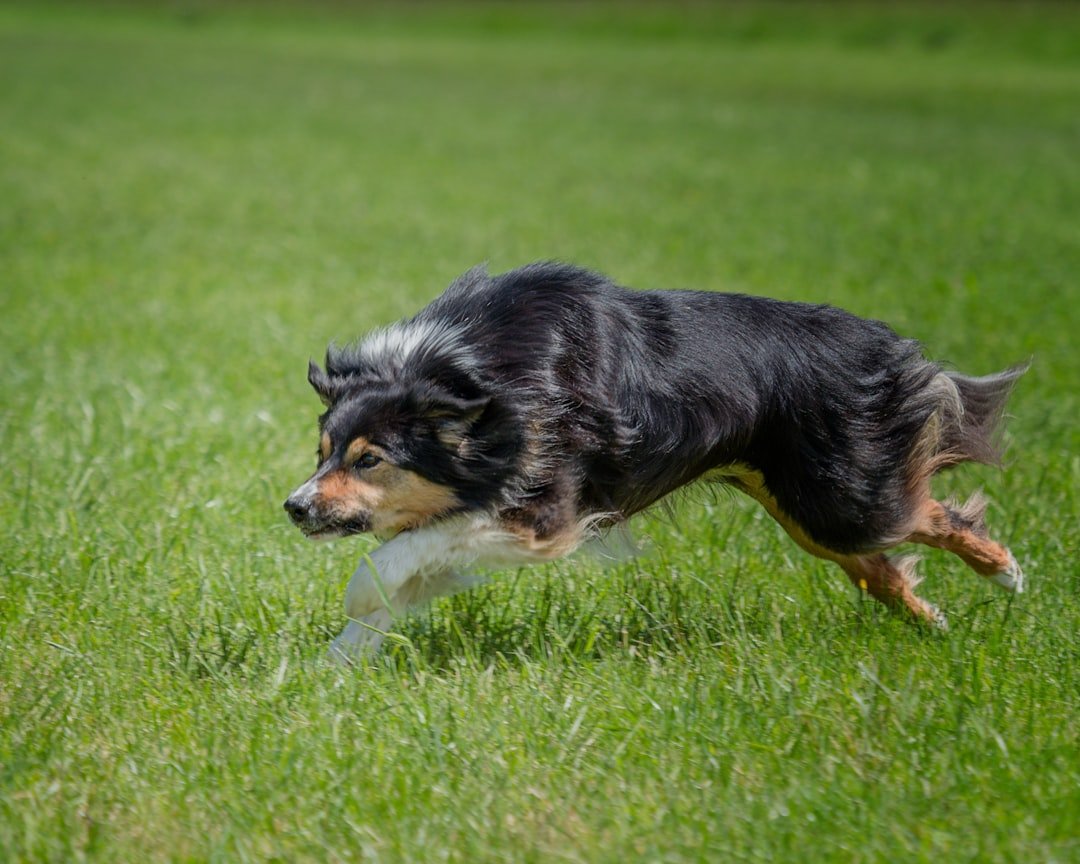
The most heartbreaking sign that something’s off is when your dog suddenly becomes as elusive as a shadow. Instead of barking or growling when mad, some dogs might simply avoid you. You might see pooches turn their heads, sniff the ground or otherwise disengage. Or it might be more obvious: Your dog walks away or right out of the room.
This avoidance behavior can manifest in subtle ways too. Maybe your dog used to greet you enthusiastically at the door, but now they barely lift their head from their bed. A dog who is happy and comfortable will likely be willing to make eye contact with his owner and seek out their attention whereas a dog who is angry or upset may avoid this type of interaction and move away from their owner, leave the room, or even sleep in a different area.
The Whale Eye Phenomenon: When Those Peepers Tell the Truth

Let’s be honest, it’s never a great sign when the whites of any animal’s eyes are showing. Whether she’s showing fear, confusion, disgust, illness, or anger, widening of the eyes indicates a high state of alertness and you’d best pay attention. This distinctive look, often called “whale eye,” is one of those unmistakable signals that your dog is experiencing some serious stress.
The whale eye happens when your dog turns their head away but keeps their eyes fixed on you, showing the white sclera. It’s like they’re saying, “I see you, but I’m not happy about it.” Stressed dogs, like stressed people, may have dilated pupils and blink rapidly. They may open their eyes wide and show more sclera (white) than usual, giving them a startled appearance.
Rigid Body Language: The Canine Version of a Stiff Upper Lip
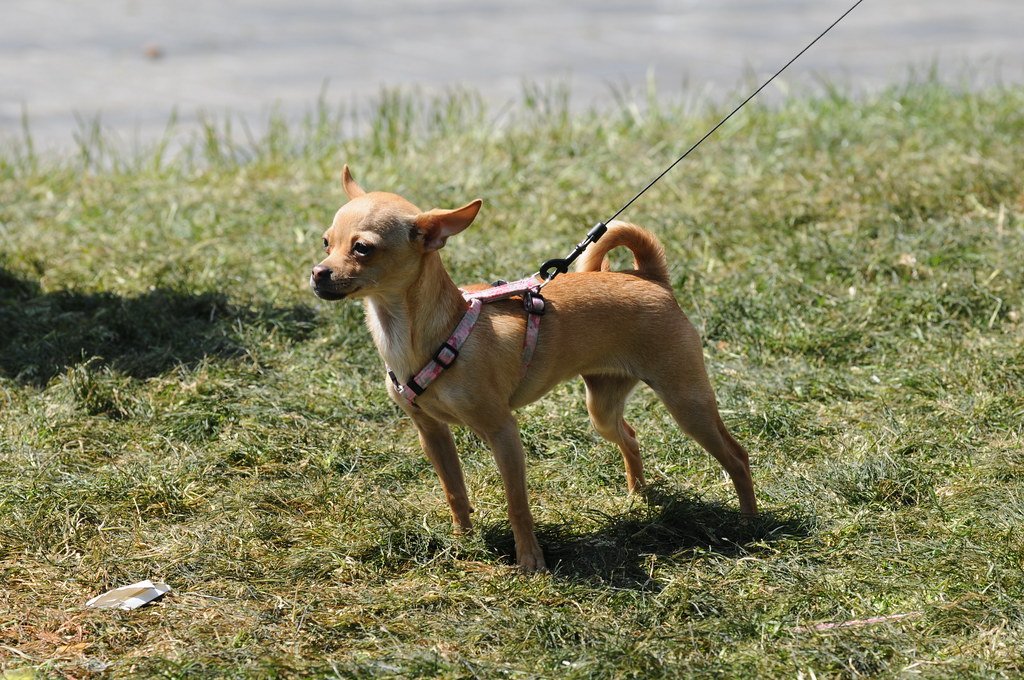
When a dog is really, really upset he’ll often go rigid, his body stiff, hard and unmoving. It’s almost as if he’s saying ‘take one more step, I dare you!’ If you see this combined with flattened ears and wide, alarmed eyes, you need to stay away and step back as your dog is feeling really stressed, mad, and even threatened.
This stiffness is completely different from their usual relaxed, wiggly demeanor. Think of it as the canine equivalent of someone crossing their arms and glaring at you. A comfortable dog has a relaxed body that appears curved or wiggly (think puppy), soft eyes, with their tail below the horizon, often loosely wagging, ears relaxed, and mouth gently open. When that changes to rigid posture, pay attention.
Lip Licking and Nose Nudging: Nervous Habits Gone Overdrive
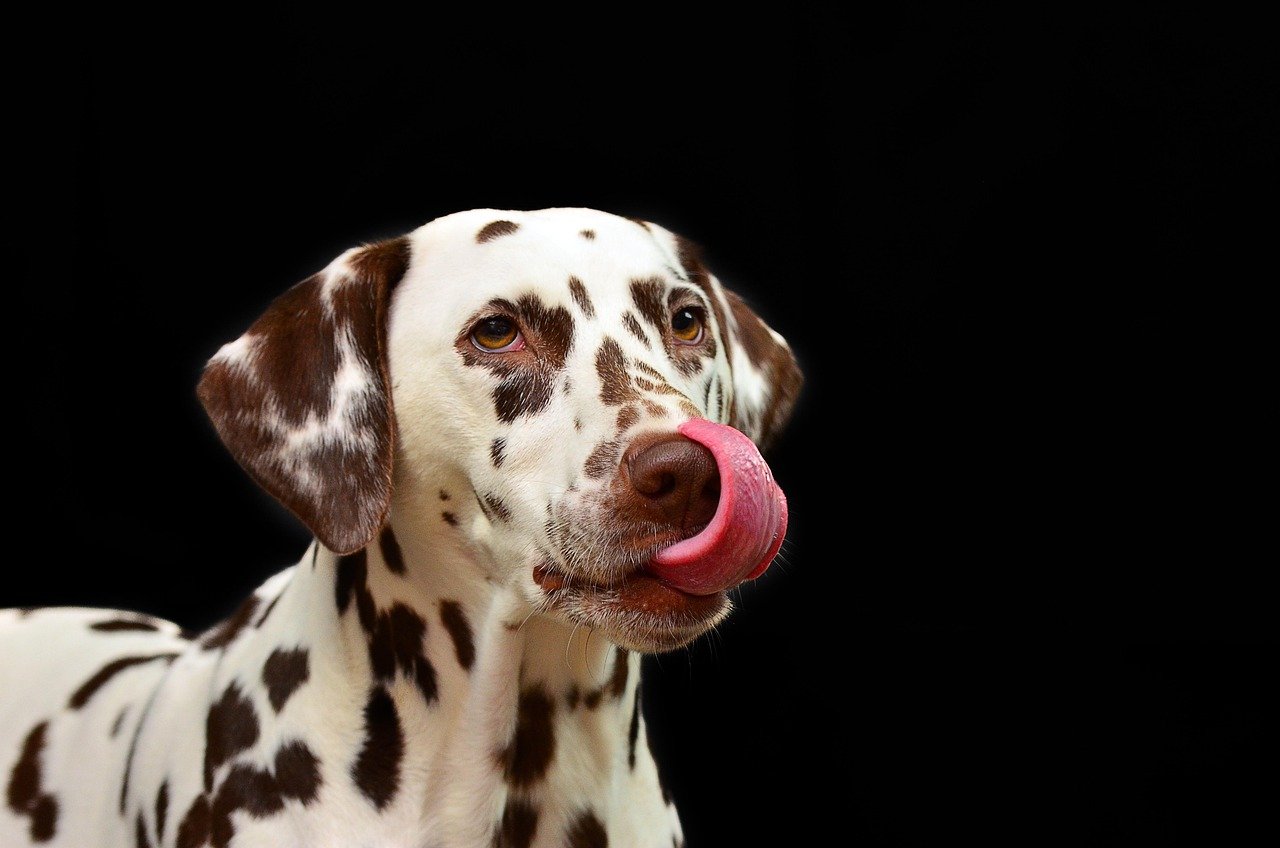
Dogs may show that they’re mad or in distress by licking their nose and lips repeatedly. This is especially true if there’s no droolworthy food nearby to get their saliva flowing from hunger. It’s like when humans bite their nails or fidget with their hands when anxious.
Lip-licking is another bit of dog body language that people often misinterpret. Just like people, dogs will lick their lips after a delicious meal, but they will also do it when they feel anxious. Context is everything here – if your dog is licking their lips while staring at your sandwich, that’s hunger. If they’re doing it while backing away from you, that’s stress.
The Silent Treatment: When Commands Fall on Deaf Ears
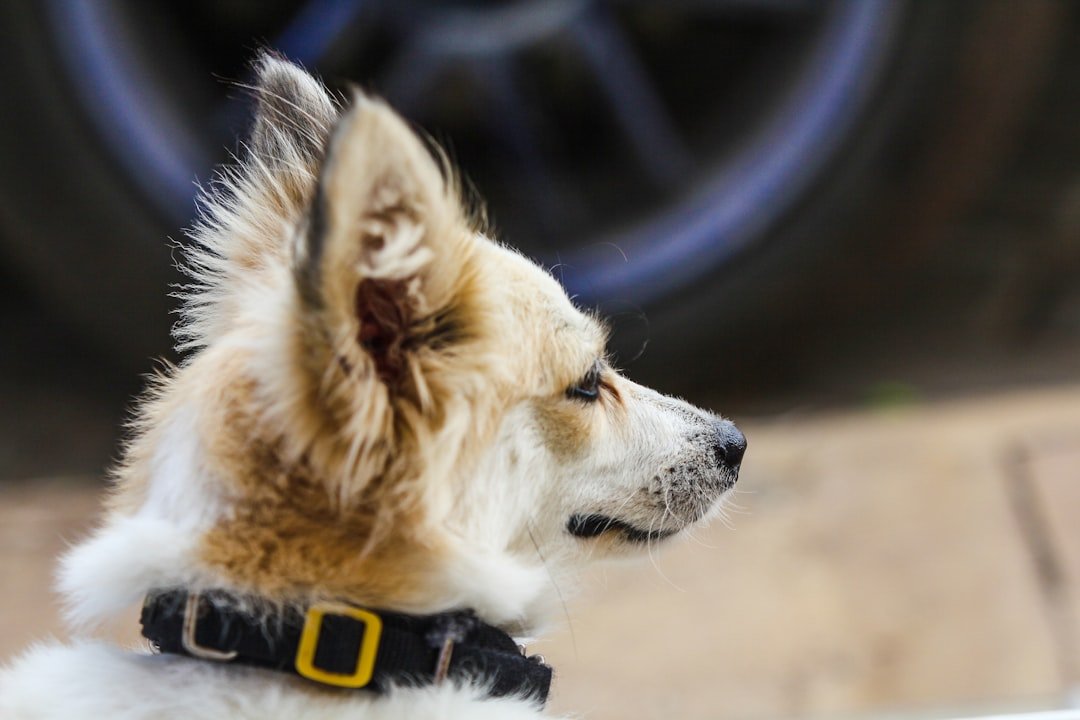
When dogs know cues well, they respond to them, so if your dog suddenly stops responding to a normal cue, that could be an indication that she is upset by something in her environment or by you. This isn’t defiance in the human sense – it’s more like their brain is too overwhelmed to process familiar commands.
Your usually obedient pup might suddenly act like they’ve never heard the word “sit” before. They might find it difficult to follow well-known requests, like “sit” because the stress response in their body makes it harder to stay still or concentrate. It’s not that they’re being stubborn – they’re genuinely struggling to focus.
Hackles Up: The Dog Version of Goosebumps
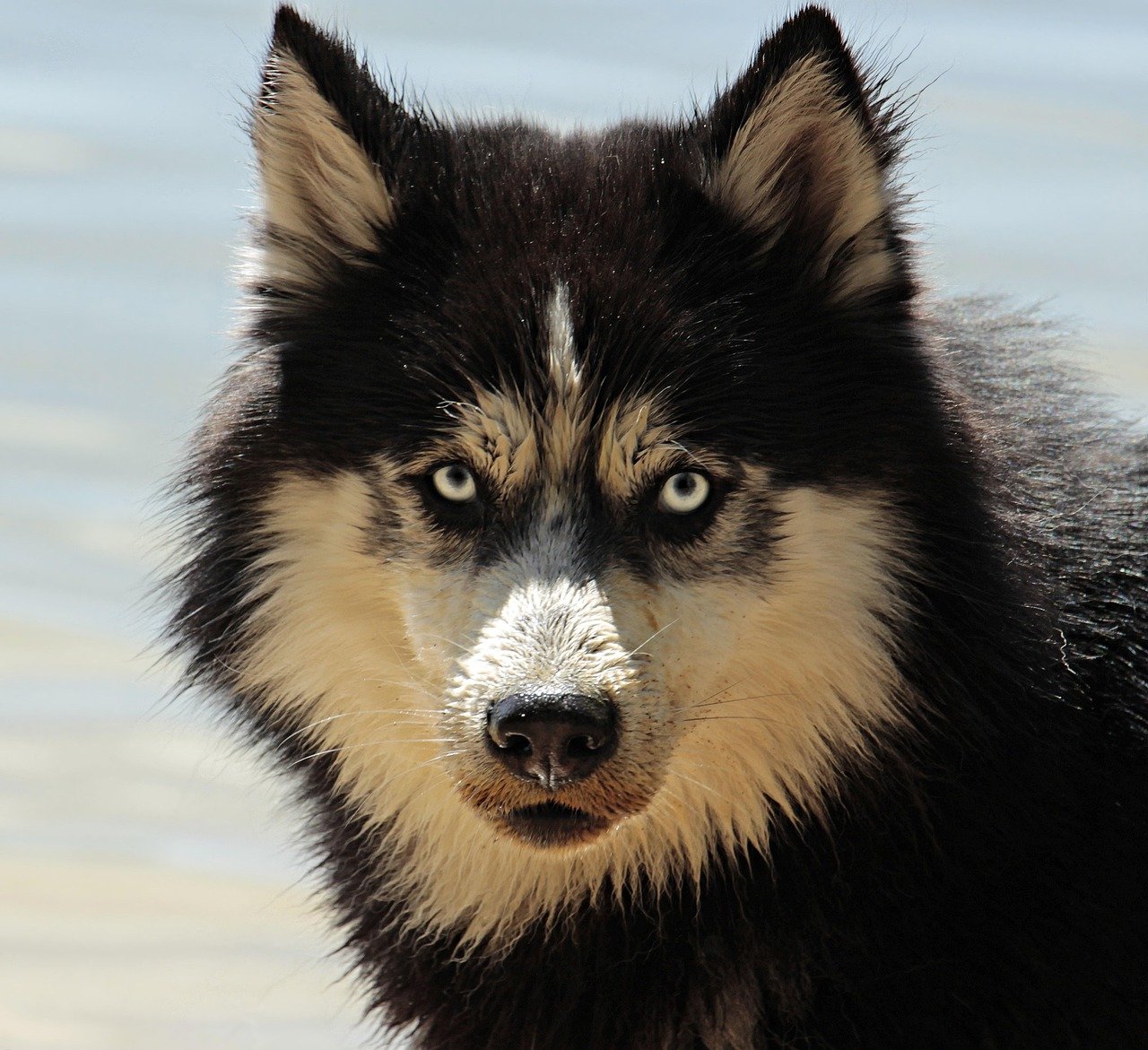
When a dog’s hackles are raised, it means the hair along their back is standing up. Technically called piloerection, the fur can fluff up across the shoulders, down the back, or all the way to the tail. This is a definite sign that the dog is aroused, but not necessarily in a negative way. The dog might be upset or stressed, but could also be excited or intensely interested in something.
Just like how we get goosebumps during intense emotions, raised hackles indicate your dog is feeling something strongly. The key is looking at other body language cues to determine whether it’s excitement or upset. Combined with other stress signals, raised hackles typically mean your dog is feeling threatened or uncomfortable.
Destructive Behavior: When Furniture Becomes the Enemy
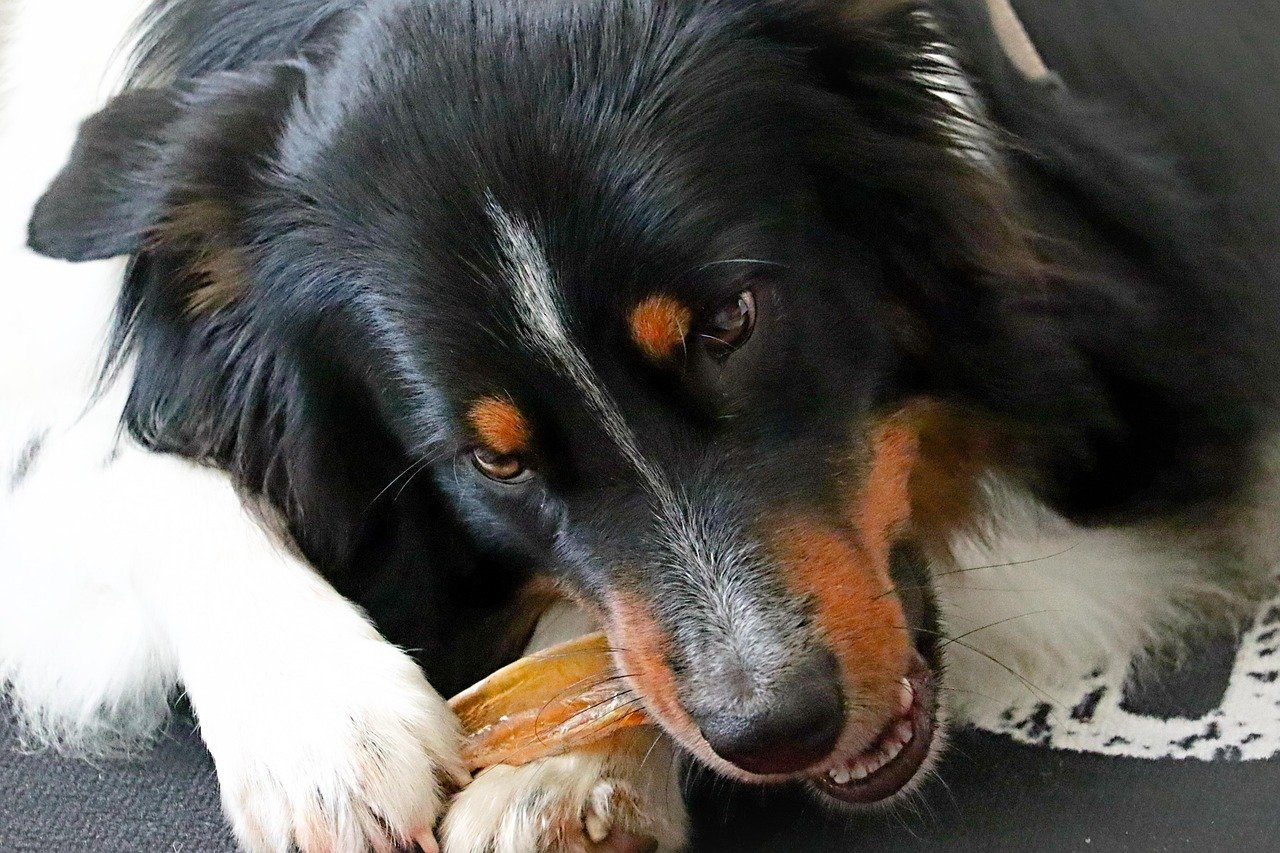
Chewing on furniture, digging, or other destructive behaviors can be signs of frustration or anxiety. If your dog starts tearing up the couch cushions after you’ve been away at work for a long time, they might be expressing their stress due to separation anxiety.
Sometimes what looks like revenge is actually a coping mechanism. Dogs don’t think, “I’ll show them by destroying their favorite shoes.” Instead, they’re trying to self-soothe through repetitive behaviors. The destruction is often focused on items that smell like you, which suggests they’re missing you rather than plotting against you.
Cowering and Hiding: The Disappearing Act

Most people associate cowering and hiding with fear and while that can definitely be true, fear is also closely linked to anger in dogs. Cowering indicates a high level of stress. If your dog is also trying to hide and get away this means your dog is overwhelmed.
When your dog suddenly becomes a master of hide-and-seek, slinking under beds or behind furniture, they’re trying to create distance and safety. Some dogs may cower and tuck their tail under to make themselves look as small and insignificant as possible. This body language screams, “I need space right now.”
Excessive Panting: When It’s Not About the Heat
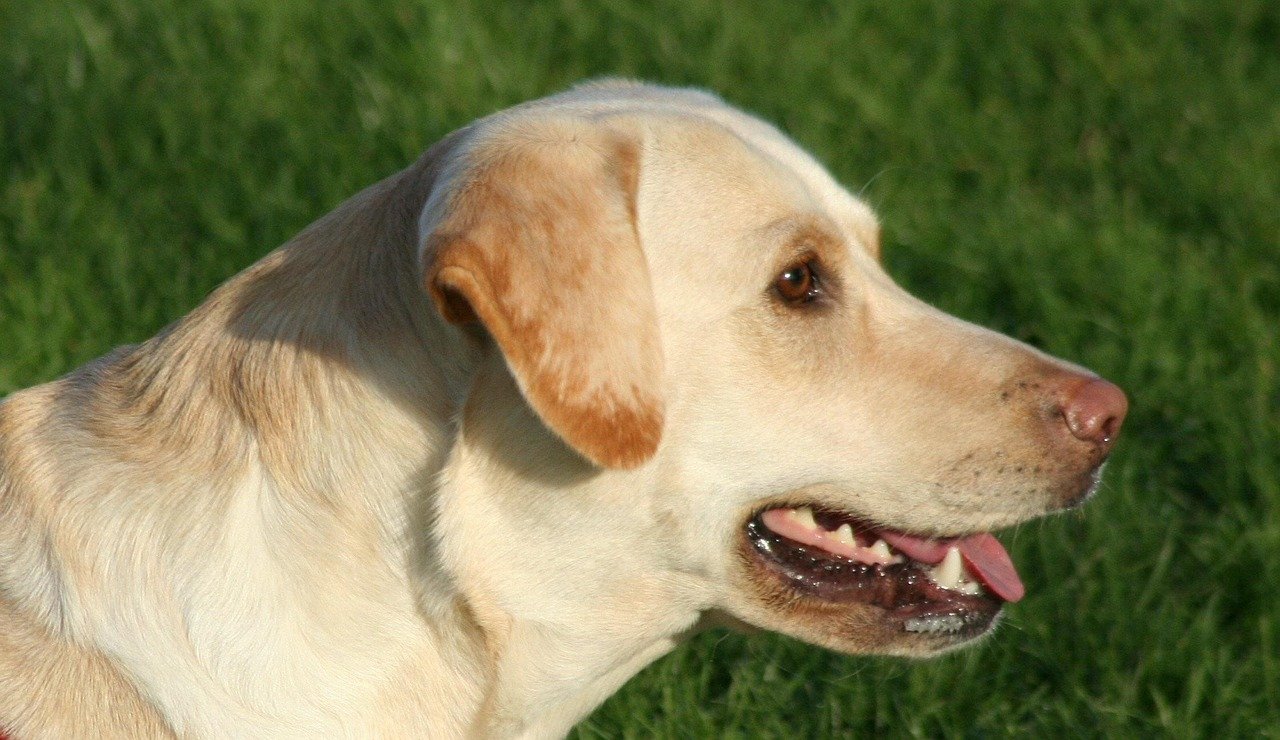
Dogs pant when hot, excited, or stressed. If your dog is panting even though they have not exercised, they may be experiencing stress. This stress panting is different from exercise-induced panting – it’s often accompanied by a more rigid body posture and worried facial expressions.
A panting dog is a prime sign of an anxious dog, and an anxious dog is usually a stressed dog. A dog panting can mean that the dog’s stress level is higher than usual, and the panting is often accompanied by other changes in the dog’s behavior, like whining or yawning more than usual. Excessive panting accompanied by extra-wide or panicked-looking eyes is a great indicator of canine stress.
Growling and Grumbling: The Canine Warning System
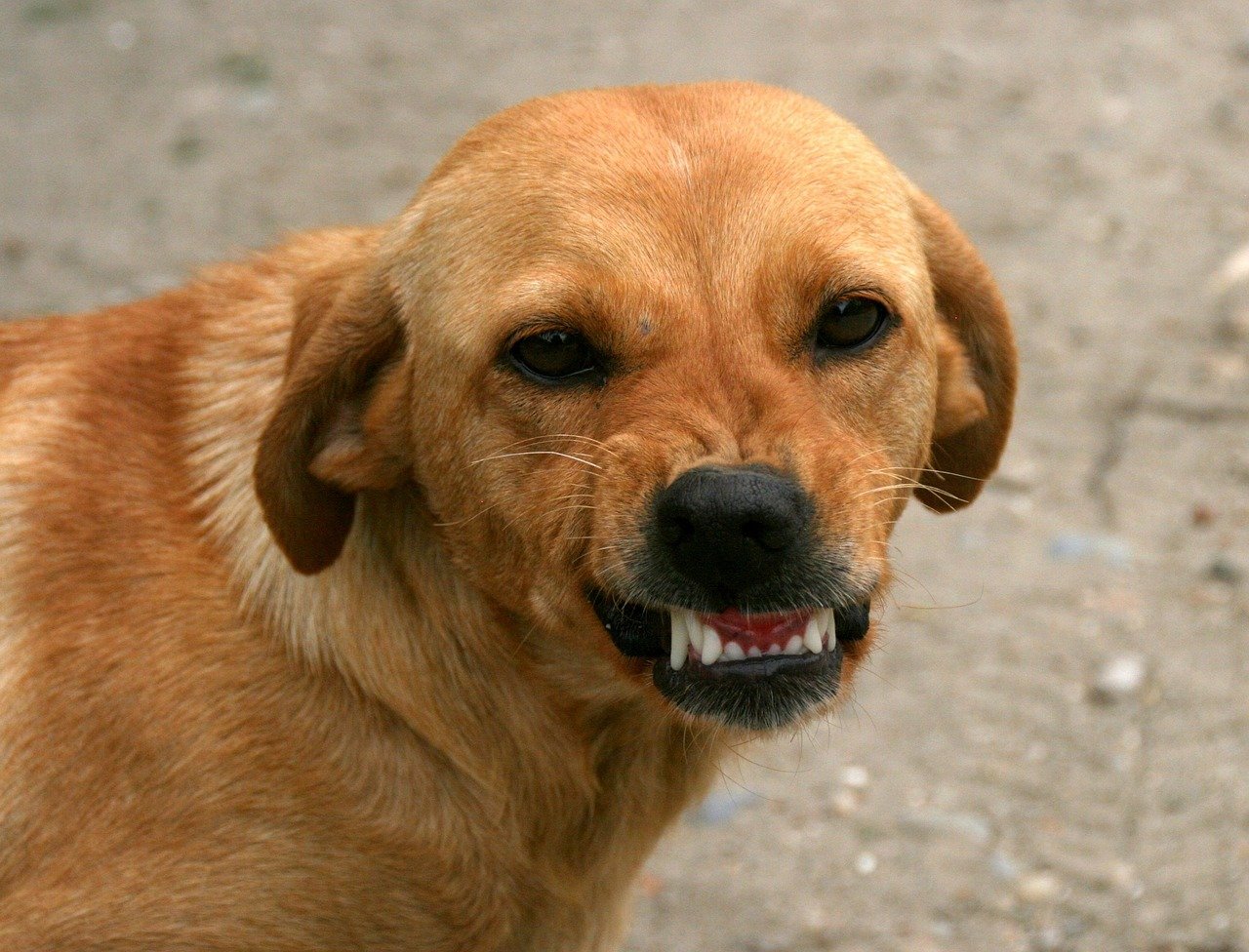
Growling is an obvious but frequently misunderstood sign. It is often used as a warning for the purposes of making something stop. Rather than being purely aggressive, growling is often your dog’s way of saying, “Hey, I’m not comfortable with this situation.”
Growling is an obvious way to tell if your dog is uncomfortable. It could mean that someone is in their space, they feel threatened, or that something hurts. It’s not usually meant to be aggressive but it’s rather often a warning that your dog feels uncomfortable. Think of it as your dog’s polite way of asking for space before they feel the need to escalate.
Understanding the Real Truth: Dogs Don’t Hold Grudges
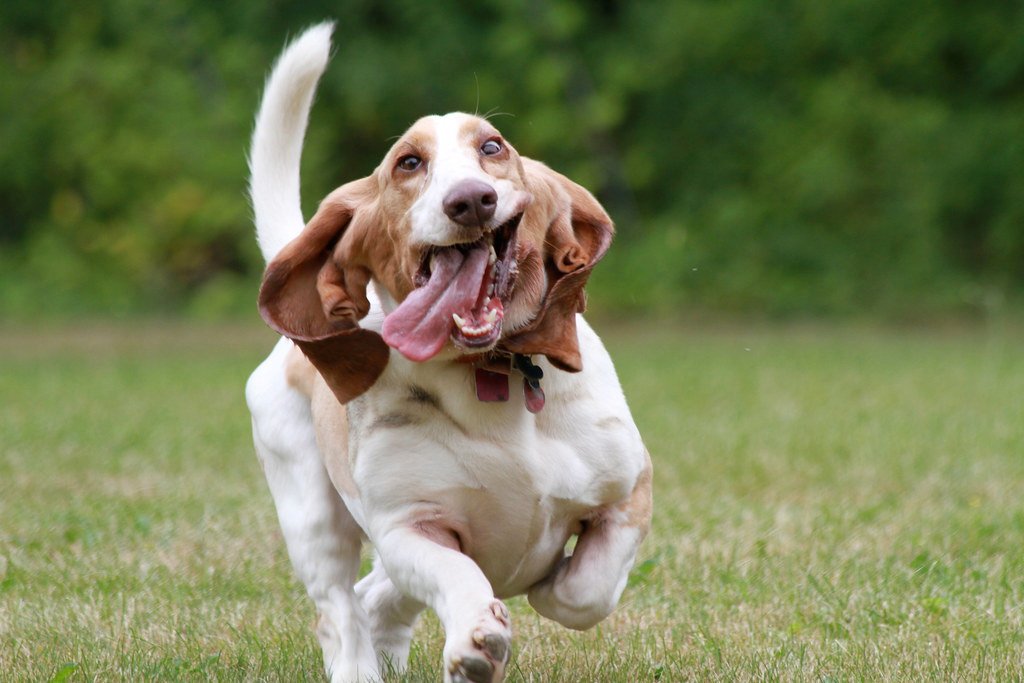
Here’s the reality check we all need: According to experts, dogs don’t experience anger in the same way humans do. Instead, they react to situations based on emotions like fear, frustration or confusion. If your pup seems upset, they’re likely just trying to communicate something important.
Many people think dogs hold grudges like humans do. However, dogs live in the moment and don’t have the cognitive ability to hold onto anger. If your dog seems upset, it’s likely due to a recent event or ongoing issue rather than a grudge. Your dog isn’t plotting revenge – they’re just trying to tell you something’s wrong in their world.
What makes this topic so fascinating is how easily we project human emotions onto our dogs. The truth is, when your dog seems “mad,” they’re usually stressed, anxious, or trying to communicate a need. Understanding these signals helps us become better companions and advocates for our furry friends. Have you noticed any of these signs in your own dog lately?


