
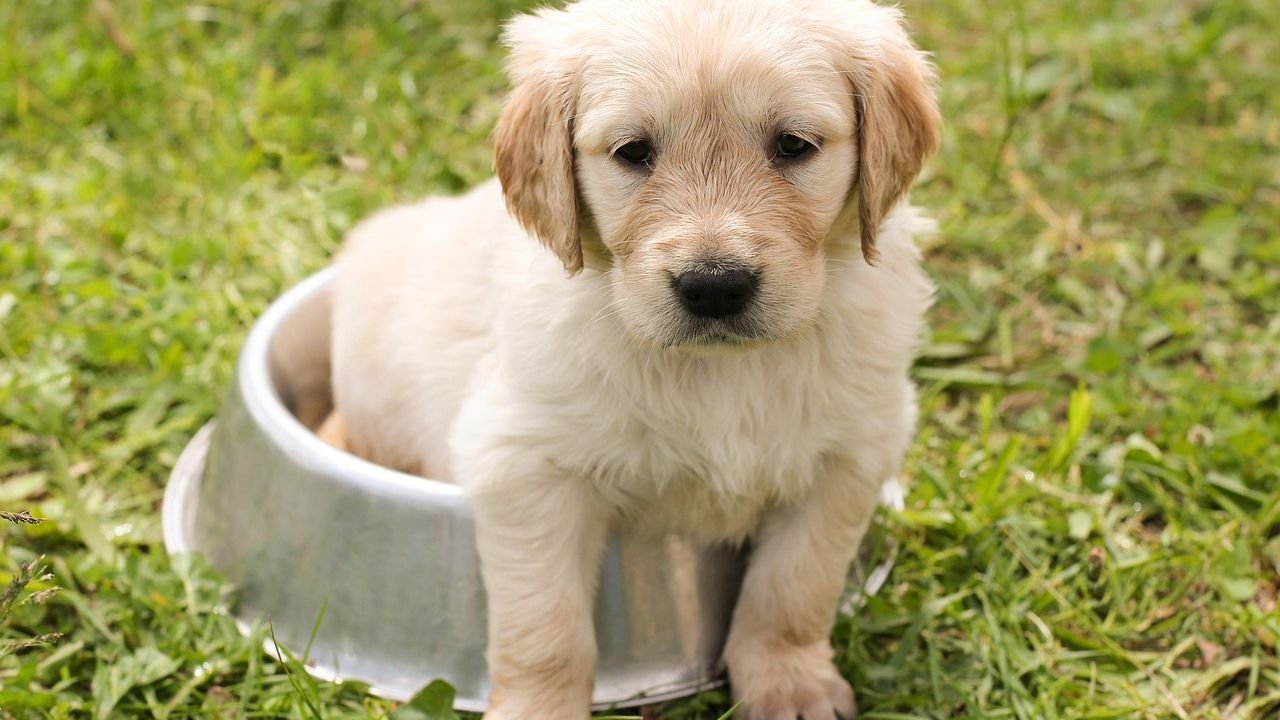
Ever wonder why your dog meticulously sniffs around their bowl before finally diving in? Or perhaps they’ve suddenly turned their nose up at the food they devoured just last week. It’s not just you. Many of us have watched our four-legged companions display eating habits that seem almost, well, judgmental.
There’s more happening during mealtime than you might think. Behind those soulful eyes and wagging tails lies a complex sensory system that’s constantly evaluating what’s in front of them. Your dog might not leave Yelp reviews, but they’re absolutely forming opinions about their meals. Understanding what influences those preferences can transform mealtime from a source of stress into a moment of connection.
The Science Behind Your Dog’s Palate

Let’s be real, dogs don’t taste food the way we do. While humans boast around 9,000 taste buds, dogs only have between 1,700 and 2,000. That’s roughly one-fifth of our tasting power.
Dogs do have taste buds that allow them to discern different flavors, but their taste buds work in slightly different ways than ours. They can detect the same basic tastes we can – sweet, sour, salty, and bitter. Yet they are less sensitive to sweet flavors compared to humans.
Here’s where it gets fascinating. Dogs have specific taste receptors that are fine-tuned to meats, fats, and meat-related chemicals, which makes perfect sense given their evolutionary history. They even possess something humans lack: taste buds that are fine-tuned to water, located at the tip of their tongues. Think about that next time you see your pup lapping up water after a particularly salty treat.
Nose Knows Best: When Smell Trumps Taste
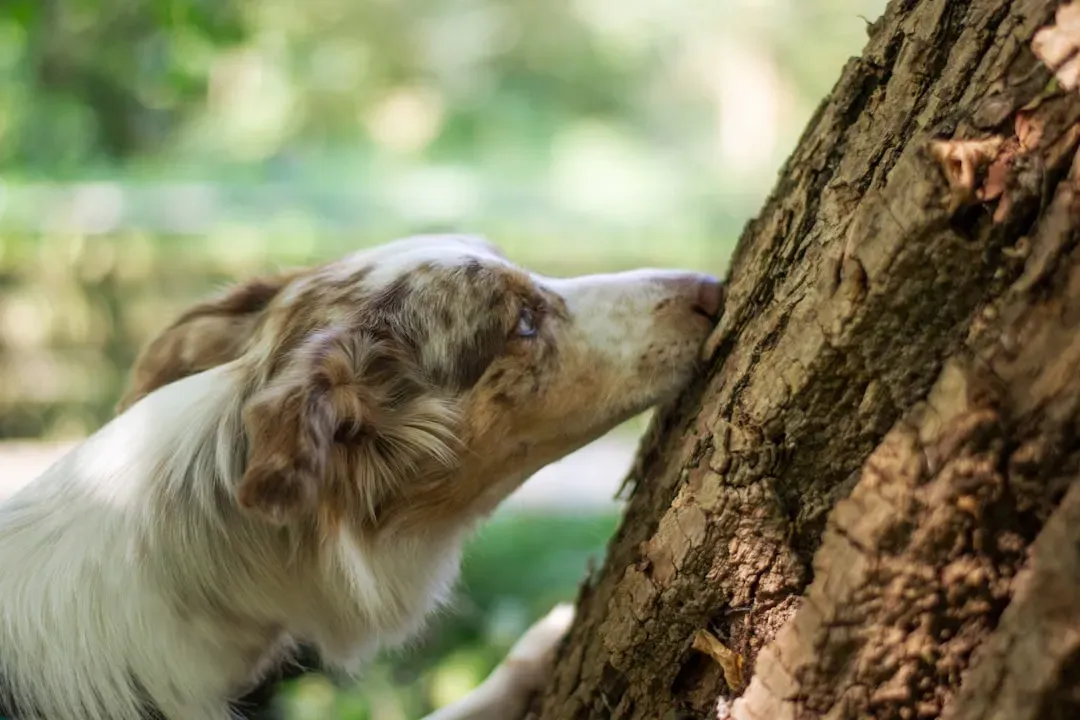
If you’ve ever seen your dog stop dead in their tracks to sniff something utterly revolting, you know their nose is powerful. Here’s the thing – smell completely dominates their eating experience.
Dogs have vastly more powerful noses than humans, with the typical dog’s nose being 100,000 to 1 million times as sensitive. Even more impressively, whereas in humans roughly 5% of the brain is dedicated to odors, in dogs this figure is 33%.
Dogs make up for fewer taste buds with an extremely keen sense of smell, which plays a fundamental role in food perception, and they rely more on their sense of smell to determine the palatability of food. When your dog approaches their bowl, they’re building a complete aromatic picture before the first bite.
This explains why food that has lost its original smell due to improper storage tends to be rejected by dogs. Keep those kibble bags sealed tight.
Temperature and Texture: The Hidden Deal-Breakers
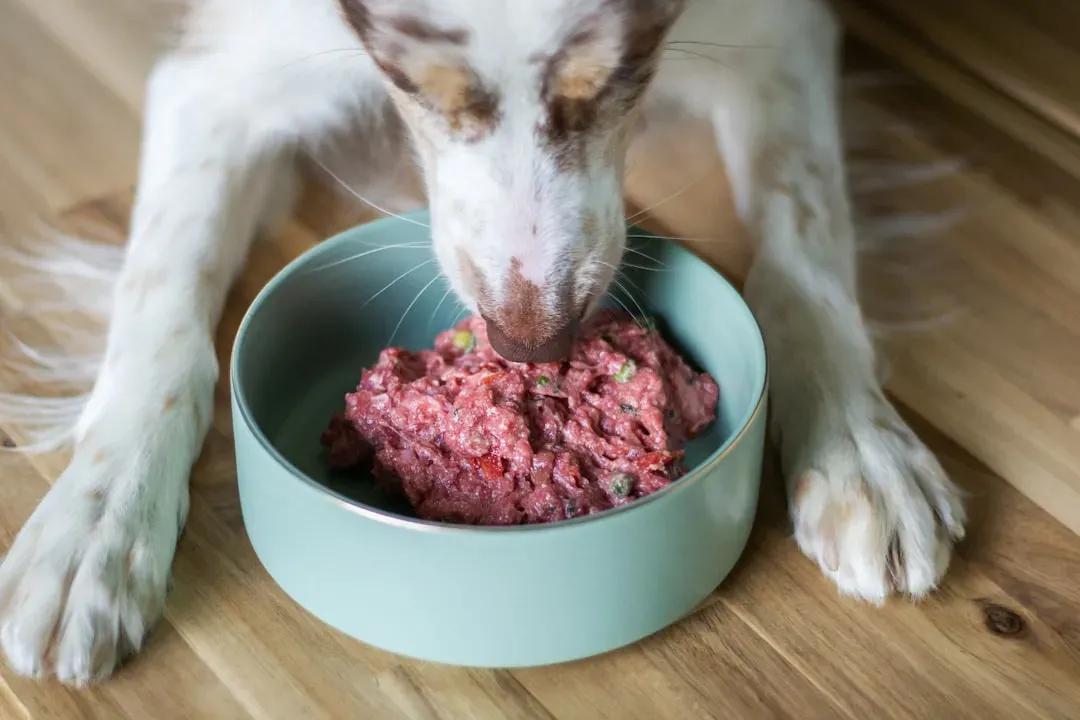
Ever notice your dog seems more excited about certain foods than others, even when the ingredients are similar? Temperature plays a sneaky role here.
Tests have shown that dogs prefer warm, moist foods over cold, dry foods, and they also often prefer their food slightly warmed. Warming food releases aromatic molecules into the air, intensifying both smell and perceived flavor. Think of it like this: cold pizza versus hot pizza – both good, but the hot version hits different.
Texture matters too. When it comes to wet versus dry food, most dogs prefer the wet stuff, though mixing wet with dry food is a winning combination for some picky eaters. Dogs tend to prefer food with a variety of consistencies, such as crunchy and soft.
Your senior dog who’s suddenly less interested in meals? Senior dogs may be less active and require fewer calories, and they may also experience changes in their sense of taste and smell that make food less appealing.
Protein Preferences: Not All Meats Are Created Equal
If you’ve experimented with different protein sources, you might’ve noticed your dog has favorites. Science backs this up.
Tests have shown that most dogs prefer beef and pork over chicken and lamb. The reasoning? The umami taste, which is associated with protein-rich foods, is particularly appealing to them.
It’s not just about the meat itself. Dogs have a preference for high animal protein content and are attracted to food containing fat, as it provides a concentrated source of energy. Fat carries flavor, plain and simple.
The Neophobia Factor: Why New Foods Get the Side-Eye
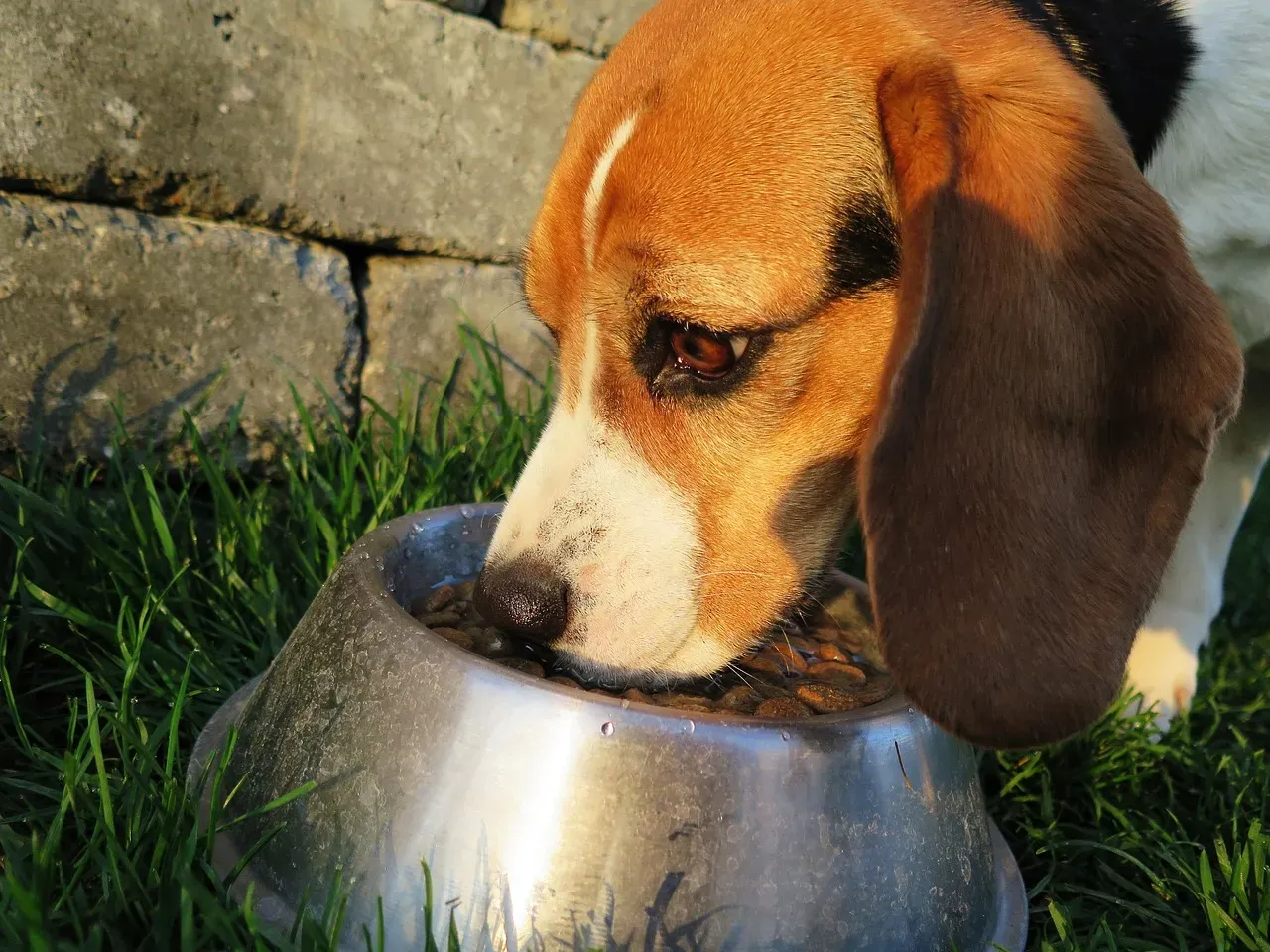
Have you switched foods only to have your dog stare at their bowl like you’ve committed a betrayal? Welcome to the world of food neophobia – the wariness of new or unfamiliar foods.
Dogs experience initial disruptive effects of a novel diet, demonstrated by a decreased rate of consumption, increased distraction during consumption, and increased hesitation on the first day of each new diet. It’s a survival mechanism, honestly. In the wild, unfamiliar foods could be dangerous.
Interestingly, most dogs like variety, and they can get tired of a monotonous diet, though the exception is dogs raised with no variety at all, who are hesitant to try new foods and often seem to avoid culinary adventures, but dogs raised on a varied diet prefer variety.
Patience is key here. Gradual transitions work better than sudden switches. Your dog isn’t being difficult – they’re being cautious.
Behavioral Clues: Reading Your Dog’s Mealtime Signals
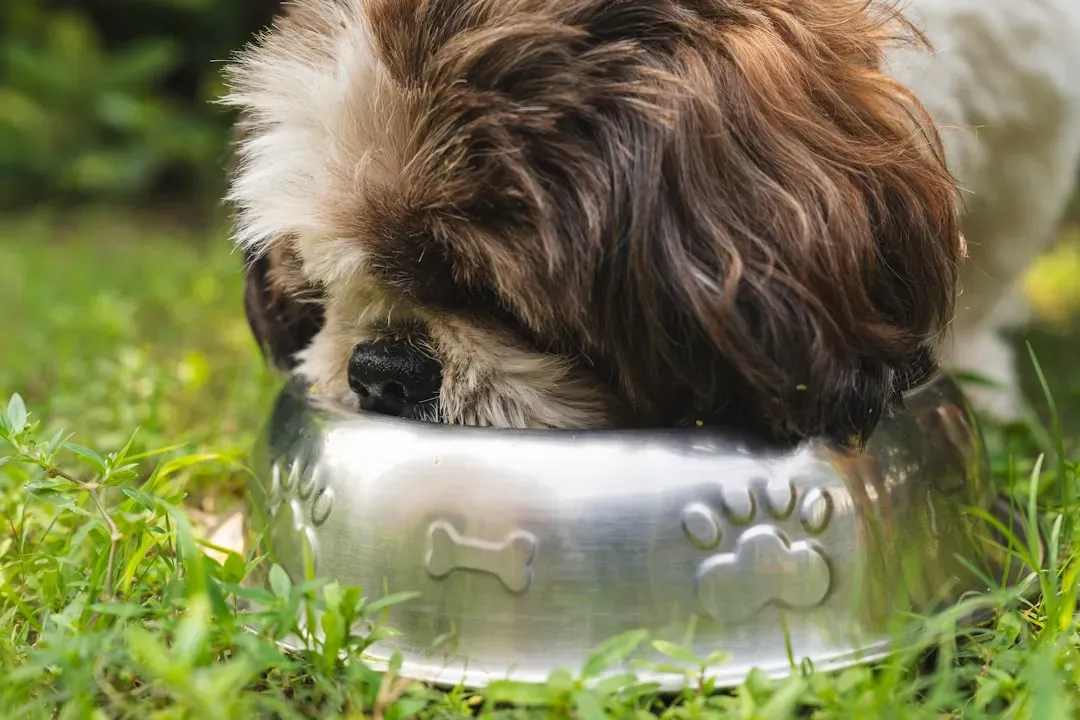
Dogs communicate their food preferences through behavior, and learning to read these signals helps you understand what’s really going on.
Watch for hesitation. If your dog approaches their bowl slowly or sniffs extensively before eating, they might be uncertain about the food. Being nervous can zap your dog’s appetite, and just like people, dogs don’t eat as much if they’re anxious due to things like loneliness, boredom, storms, or separation anxiety.
Distraction during meals also tells a story. Nearly half of dog owners struggle to get their dogs to eat their meals, and more than half consider their pups to be picky eaters because they only like particular foods, aren’t interested in their food, or dislike certain ingredients.
Medical issues should never be ruled out. Dental disease can be painful and lead to a dog not wanting to eat, and it can occur below the gums where it’s not visible to our eyes, even if your dog’s teeth look healthy. When in doubt, check with your vet.
Practical Tips to Enhance Mealtime Satisfaction
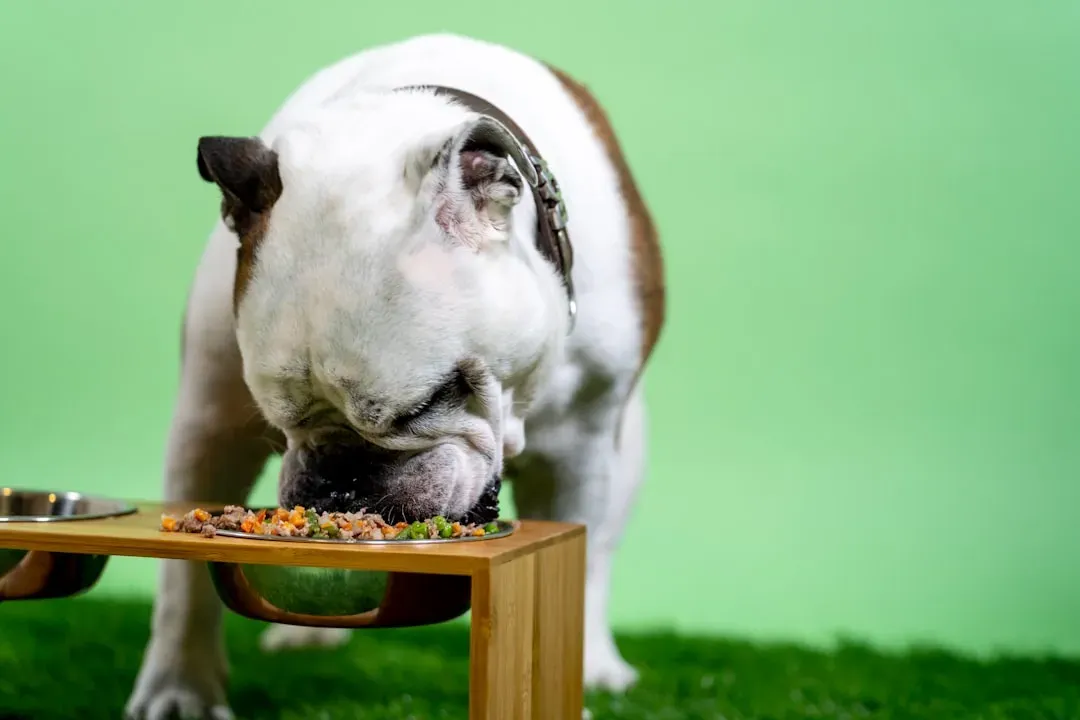
Understanding your dog’s preferences is one thing. Applying that knowledge? That’s where the magic happens.
Start with consistency. Feeding at the same time and place every day establishes a comfortable eating pattern. Dogs thrive on routine, and knowing when to expect meals can actually increase their anticipation and interest.
For picky eaters, try gently warming their food. Dogs can eat food that has been warmed up to a comfortable temperature, with some dogs preferring their food a little warmer than room temperature. Just test it first – no one wants a burned tongue.
Consider adding moisture. Treats and extras should make up no more than 10% of any dog’s total caloric intake, but aside from this, doling out too many treats and scraps can reduce a dog’s motivation to eat their primary food. Save the good stuff for training, not bribery.
Keep food fresh. Dogs’ sense of smell is more sensitive than humans’, and the odors that develop in unwashed bowls can make them less enthused about eating. Wash those bowls regularly – for both hygiene and palatability.
Above all, remember that every dog is an individual. What works for your neighbor’s Labrador might not work for your Terrier. Experiment, observe, and adjust.
Your dog might not leave star ratings or write elaborate reviews, but they’re constantly evaluating their meals with a sophisticated sensory toolkit. From the moment food hits their bowl, they’re assessing aroma, temperature, texture, and familiarity. Understanding these preferences isn’t about catering to every whim – it’s about respecting their biology and ensuring they’re getting nutrition in a way that feels natural and satisfying to them. Next time your pup does that pre-meal sniff inspection, you’ll know exactly what’s running through their mind. Are you seeing any of these behaviors at your own dog’s mealtime? Share your observations with us in the comments.


