

You’re sitting on the couch after a long day, and your dog quietly walks over, rests their head on your lap, and stares at you with an intensity that almost feels knowing. You brush it off as a cute habit. But what if that moment is actually a tiny window into a surprisingly sophisticated mind?
Most people underestimate how much is going on behind those big, expressive eyes. Dog intelligence doesn’t just involve learning new tricks. It revolves around emotional depth, problem-solving, and the ability to navigate the world with a kind of brilliance that often goes unnoticed. The more you understand what to look for, the more you’ll realize your dog might be operating on a whole other level.
The Science Behind Dog Smarts: What Research Actually Says
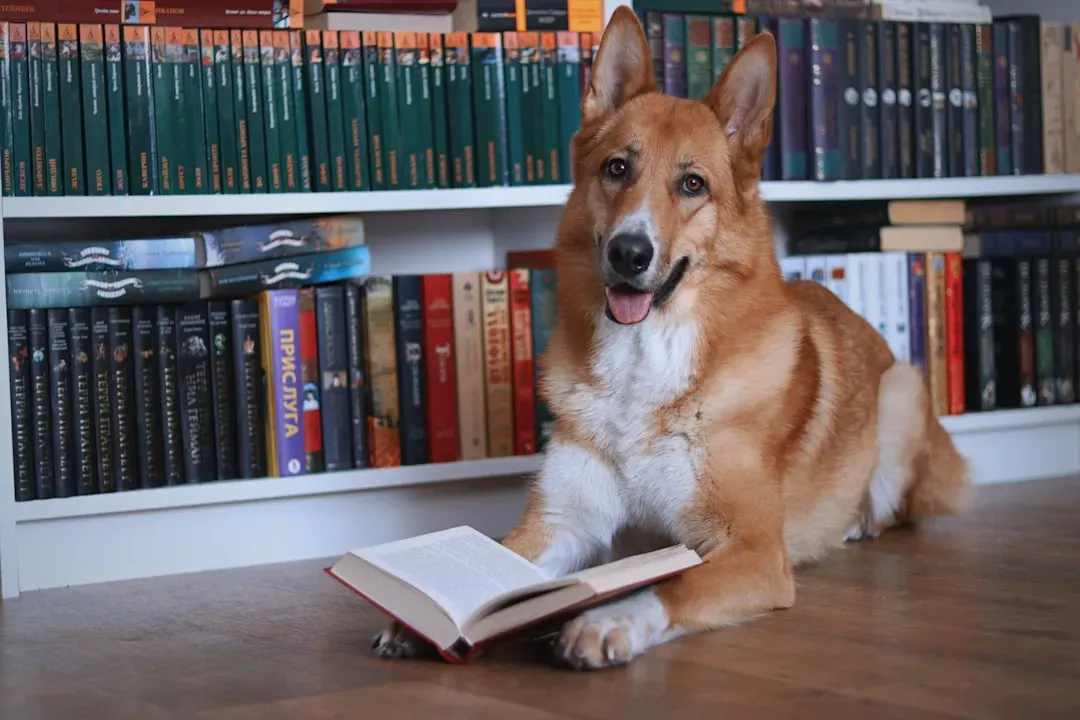
Before you start Googling “canine Mensa membership,” it helps to understand what researchers mean when they talk about dog intelligence. Studies have shown that dogs display many behaviors associated with intelligence, including advanced memory skills, the ability to read and react appropriately to human body language such as gesturing and pointing, and the ability to understand human voice commands.
Canine researcher and psychologist Stanley Coren, Ph.D., of the University of British Columbia, claims dogs are about as smart as a two to two-and-a-half-year-old human child. The average dog can learn around 165 words, while some can learn up to 250. That’s not just impressive. That’s a working vocabulary.
Coren further divides dog intelligence into three main categories: instinctive intelligence, which refers to what a dog is bred to do; adaptive intelligence, which involves problem-solving and learning from the environment; and working and obedience intelligence, which covers formal learning like training. Understanding these categories helps you recognize the specific kind of genius your own dog might be hiding.
Your Dog Is Reading You Better Than You Think

Here’s something worth sitting with: your dog probably understands your emotional state better than some people in your life do. Intelligent dogs are very good at sensing and interpreting your emotions. A smart dog will read your sadness and act as an emotional support by taking steps to comfort you, such as cuddling up with you or refusing to leave your side.
In one study by the University of Lincoln, dogs could distinguish between happy and angry human facial expressions and matched them with the corresponding tone of voice. That means your dog isn’t simply reacting to the sound of your voice. They’re cross-referencing your face, your tone, and your body language simultaneously.
Along with sensing human emotions, smart dogs express empathy by comforting family members in stressful situations or offering companionship during lonely times. Dogs that respond with the right level of affection and energy whenever their owners are sad, happy, or anxious are extremely emotionally intelligent. If your dog consistently shows up in the right moments, that’s worth paying attention to.
Problem-Solving and the Escape Artist in Your Living Room
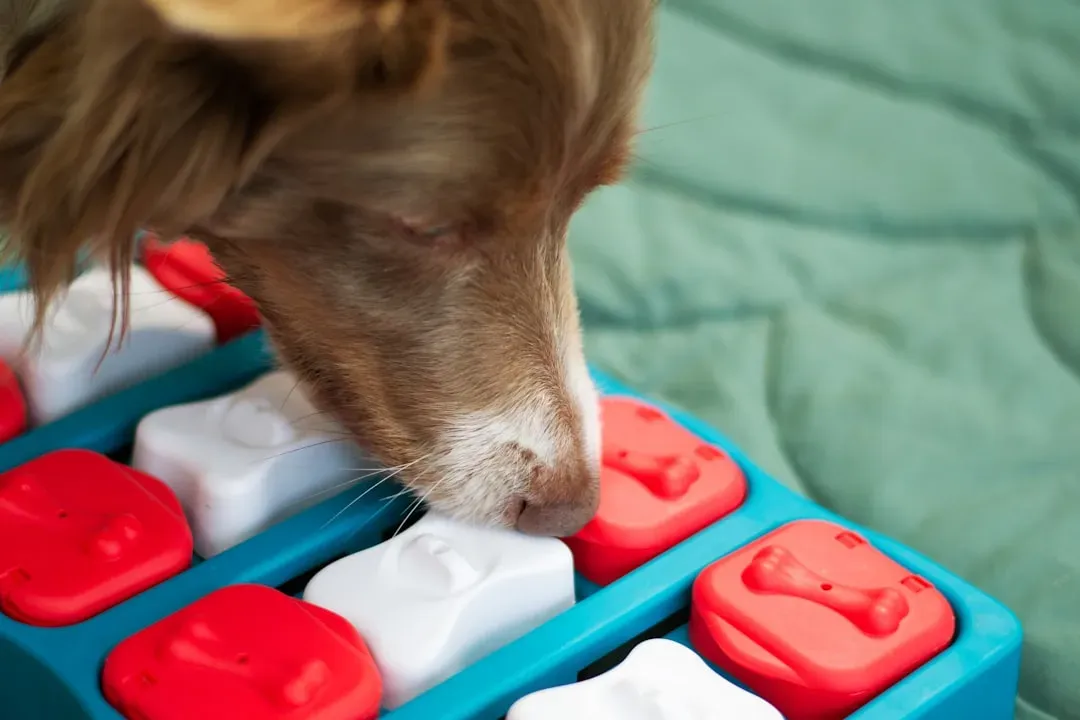
Smart dogs don’t just wait for life to happen. They engineer outcomes. Intelligent dogs excel at problem-solving, whether that involves figuring out a puzzle toy or how to open the front door. If you’ve ever come home to find your dog has somehow unlatched the baby gate, raided the snack cabinet, or liberated themselves from a supposedly secure crate, you may be living with a tiny strategist.
Some dogs quickly learn how to open doors, gates, and even containers to access food. This kind of behavior highlights their ability to understand cause and effect, manipulate objects, and make decisions based on past experiences. It’s not mischief for the sake of it. It’s applied reasoning.
Intelligent dogs tend to be very curious and get bored easily. So they might get into things to entertain themselves and have fun. They might even know exactly what they’re doing by getting a reaction from you, which is actually quite smart, since they’ve figured out how to get what they want. A good puzzle toy, introduced regularly, can redirect this brilliance into something you’ll both enjoy more.
The Memory That Catches You Off Guard
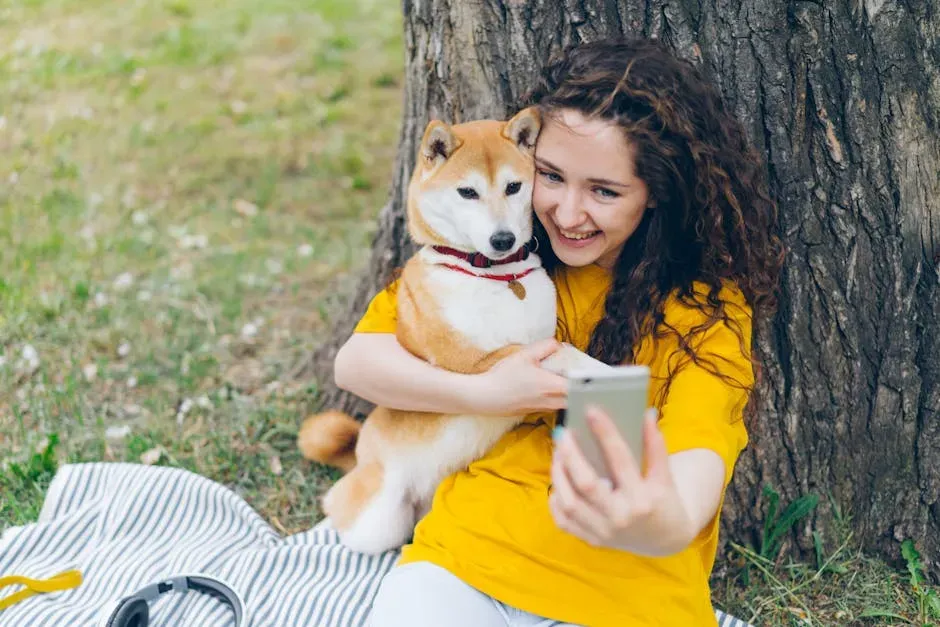
You haven’t used that command in months. Maybe it was “roll over,” something you taught on a rainy Sunday afternoon and then forgot about entirely. Then one day, on a whim, you say the words, and your dog does it perfectly. That’s not a coincidence. Smart dogs are often able to remember people, places, and commands that they haven’t practiced in a long time.
Dogs might have a memory for experiences they perceive as good or bad. They may remember positive interactions with a houseguest they haven’t seen in a while, or they might remember a suitcase and know you’ll be leaving soon, even if it’s been years since your last trip. That ability to connect past experience with present context is a meaningful marker of cognitive depth.
The resilience of a dog’s memory is an ideal indicator of intelligence. Dogs with impressive memory skills recall locations, names, and experiences even after a notable passage of time. To test this at home, teach your dog a new trick, then step back and don’t practice it for a few weeks. According to veterinarians, you can test your dog’s memory by teaching them a new trick but then not practicing it for a few weeks, and seeing whether they still remember it. Alternatively, hide a toy or treat and see if they come back to it later.
When Your Dog Figures Out How to Train You
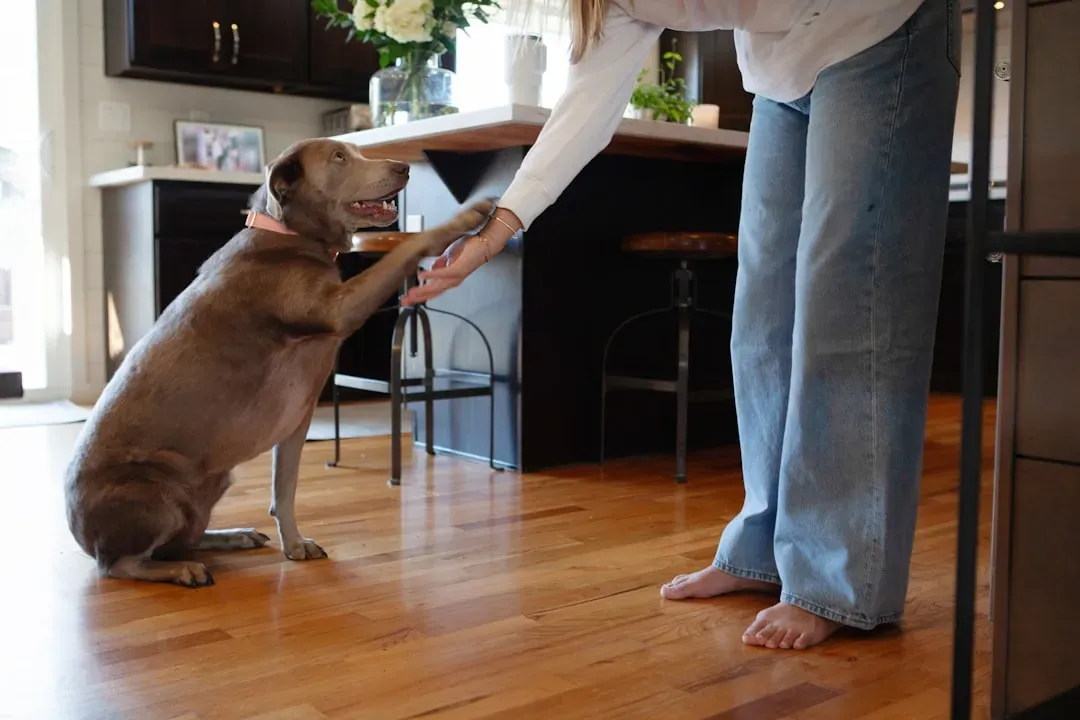
This one catches most dog owners by surprise. You think you’ve been the one running the training sessions. Your dog quietly disagrees. Dogs that know how to manipulate their owners display highly advanced cognitive skills. A dog that acts extra affectionate or does something specifically endearing to earn a walk or a treat has learned ways to influence human behavior. Such dogs can identify the patterns and motivations of their owners while learning how to use them to their benefit.
For example, a smart dog may know which person in the household is most likely to cave into a request for people food, or they may know how to get fed twice by going to someone else in the home and acting like no one has fed them yet. Sound familiar? That’s not just charm. That’s social intelligence working in real time.
Most dogs need to be trained into communication cues during house training, but some develop their own over the years. Dogs that try different cues on their own and then repeat the ones that work are showing adaptive intelligence, but also social intelligence by finding communication that works. Rather than being frustrated by this, think of it as a two-way relationship. Your dog is paying close attention. The question is whether you’re paying the same attention back.
Conclusion: Every Dog Has Their Own Kind of Brilliant

It’s worth stepping back from the idea that intelligence in dogs looks the same way it does in a classroom or a competition. Intelligence can mean so much more than just book smarts. For your pup, it might mean they use their intelligence to stay out of dangerous situations, learn the rules of the house, or communicate with you in their own unique way.
In the course of research, behavioral scientists uncovered a surprising set of social-cognitive abilities in the domestic dog, abilities that are neither possessed by dogs’ closest canine relatives nor by other highly intelligent mammals such as great apes. That alone should shift how we think about what’s happening in that furry head of theirs.
The cleverest thing you can do as a dog owner is stay curious. Watch the small moments. Notice the patterns. Offer puzzle toys, keep up with training, and pay attention when your dog seems to be paying attention to you. Puzzle toys, clicker training, and treat training are great tools to support and boost your dog’s intelligence. Enrolling them in a dog sports class, like flyball or agility, may also help your dog fine-tune their smarts. Genius, after all, needs somewhere to go.


