
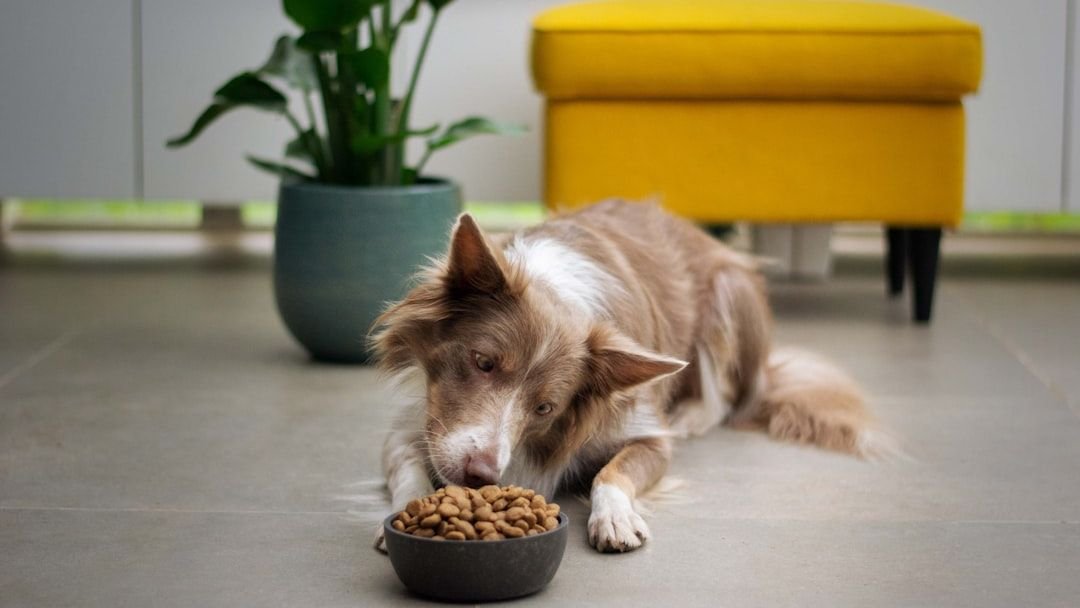
You know that look. The one where your dog sits beside their food bowl with an expression that somehow manages to be both expectant and deeply disappointed. Maybe they sniff once, twice, then glance back at you with what can only be described as canine skepticism. You swear there’s judgment in those eyes.
Here’s the thing: your dog probably is judging your cooking skills, though maybe not in the way you think. Dogs have only around 1,700 taste buds compared to humans’ roughly 9,000, making their sense of taste about one-sixth as powerful as ours. Yet they somehow manage to be incredibly discerning food critics. Let’s dive into the fascinating world of canine food preferences and discover what your furry friend is really thinking about your culinary efforts.
The Nose Knows Better Than the Tongue
When your dog approaches their dinner, they’re not experiencing it the way you taste your own meal. A dog’s sense of smell is 40 times more acute than that of humans, and this superpower completely transforms how they experience food. Think of it like this: while you might taste five distinct flavors, your dog is experiencing an entire symphony of scents that tell them everything about their meal before it even touches their tongue.
Dogs can taste foods through their sense of smell with a special organ along their palate, and while they can differentiate between meat-based and non-meat-based foods without smell, they cannot differentiate between chicken, beef, fish, or pork without smell. So when you’ve lovingly prepared their dinner and they turn their nose up at it, they might be reacting to how it smells rather than how it actually tastes. That slightly stale kibble or the way you stored their food might be broadcasting all kinds of unappetizing information to their incredibly sensitive nose.
Dogs will often sniff their food before eating, trying to get a good sense of what they’re about to consume, and if their food is stale or spoiled, they may refuse to eat. It’s hard to say for sure, but your dog might just be a more sophisticated diner than you realized.
Body Language That Screams Food Critic
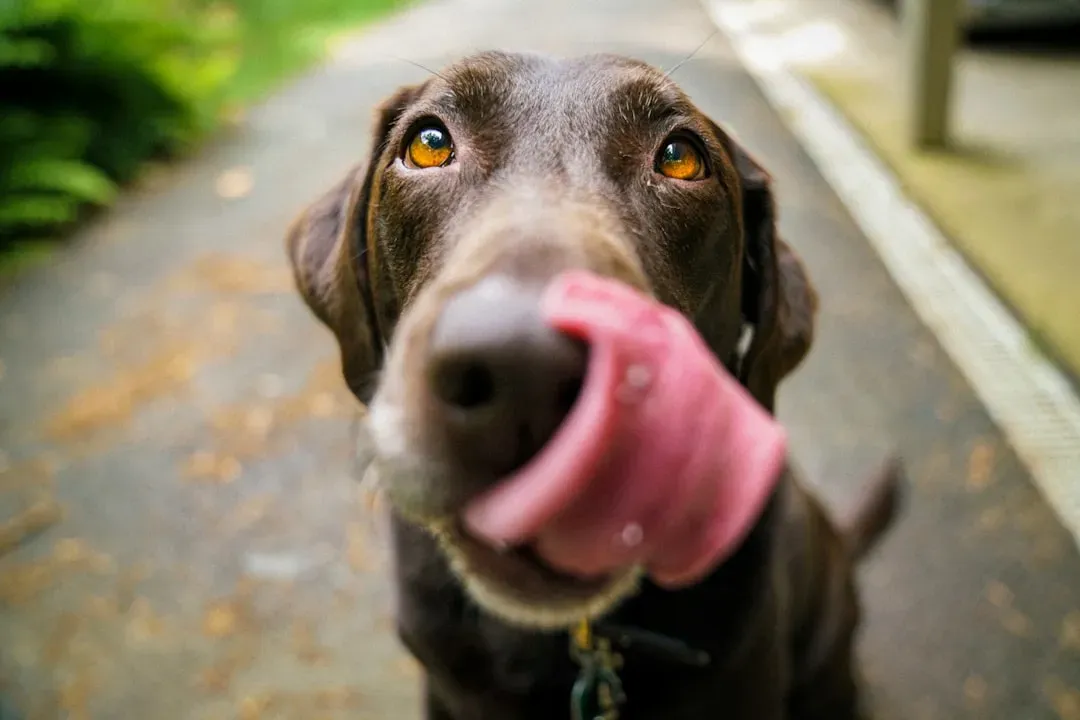
Dogs can’t write Yelp reviews, but they’ve got their own rating system written all over their bodies. Interest post-consumption was evaluated based on the dog’s tendency to lick the ground or bowl after all kibble was consumed, signifying continued interest in their meal. If your pup is licking every last crumb and then some, congratulations! You’ve earned five stars.
Watch for more subtle signals too. A dog might drool and lick their lips as their dinner is being prepared, which is a normal bodily response to expecting food. That’s anticipation, not anxiety. However, if you notice lip-licking when they’ve recently eaten and probably aren’t hungry, this behavior may indicate your dog is worried about something.
The hesitation tells you everything. Does your dog dive right in with enthusiasm, tail wagging loosely? Or do they approach slowly, sniff extensively, maybe take a tentative bite and walk away? That’s your report card right there.
When Picky Eating Is Actually Smart Eating
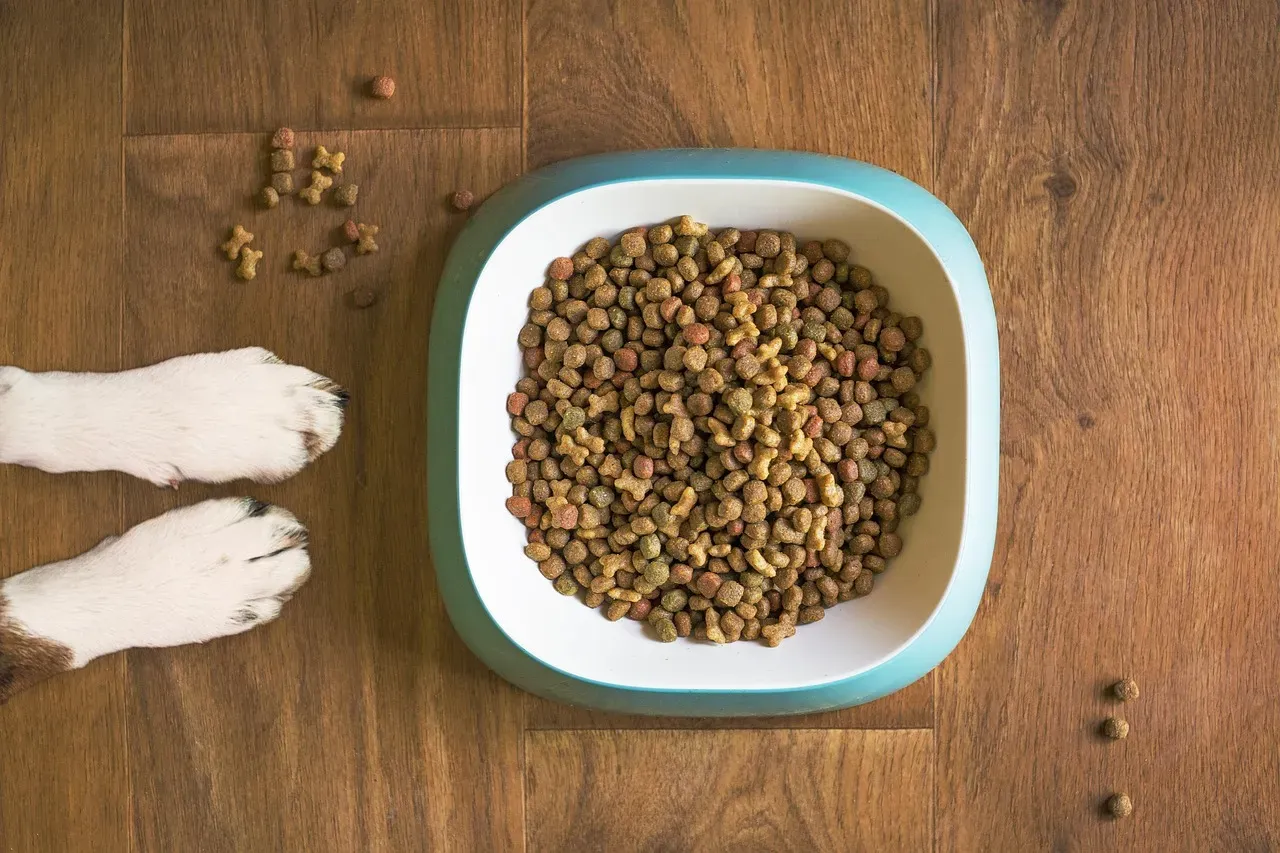
Let’s be real: sometimes what we interpret as our dogs being fussy is actually them being intelligent consumers. Dogs prefer moist and semimoist diets to dry diets, and honestly, can you blame them? Imagine eating the same dry cereal for every meal while watching everyone else enjoy varied, aromatic dishes.
Dogs thrive on variety, and offering the same kibble every day can lead to disinterest or boredom with routine. This doesn’t make them spoiled; it makes them normal. Many problems with picky eaters are not an issue with food taste or smell, but rather a smart dog holding out for something more delicious, and dogs can definitely taste and will certainly have their own preferences.
Some dogs develop strong opinions early in life. A dog’s early exposure to different foods can significantly impact their lifelong preferences, as puppies often develop taste preferences based on what their mother ate during pregnancy. So maybe your dog’s discerning palate was actually cultivated before they even met you.
The Science Behind Their Food Snobbery
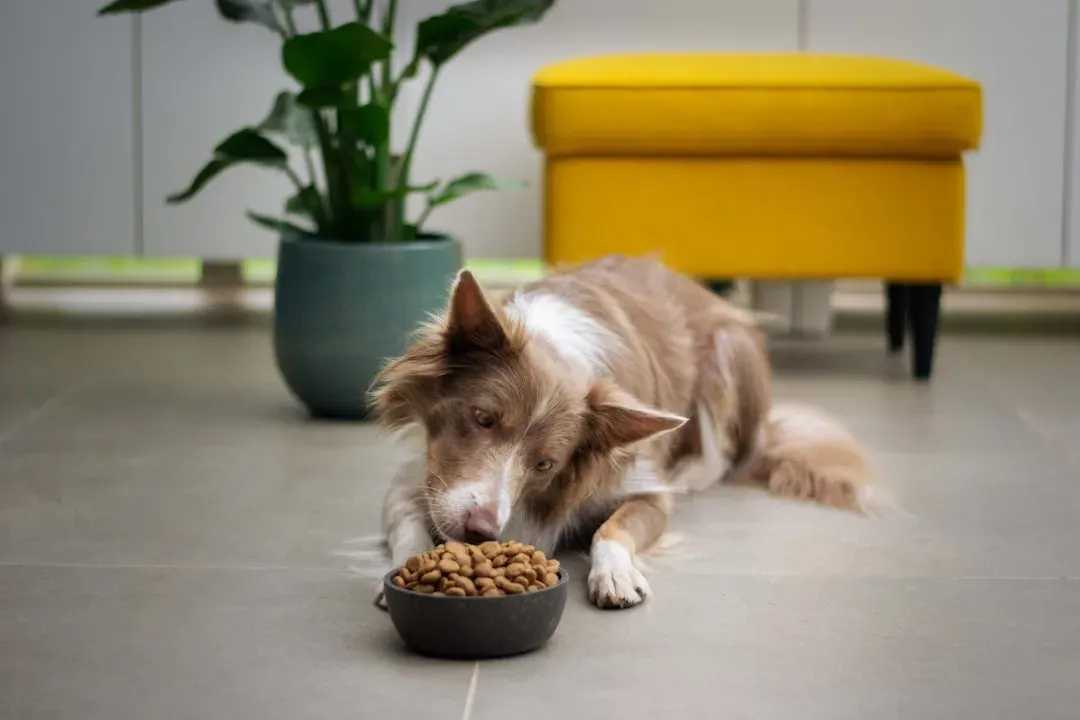
Your dog’s food preferences aren’t random or designed to frustrate you at dinnertime. Diet selection could reflect the internal needs of an animal, helping them to reach homeostasis, and describing different factors that influence feeding behavior of dogs can improve diet-specific formulations. Translation: your dog’s body might actually be telling them what they need nutritionally.
Studies show that dogs typically prefer beef and pork flavors, and tend to favor warm, moist textures over cold, dry ones, with many dogs also showing a preference for foods with higher protein content. Their carnivorous ancestry still influences modern preferences, even though domestication has made them more flexible omnivores.
Interestingly, dogs do not have an affinity for salt, likely because their ancestors’ diet consisted of roughly 80 percent meat in the wild, and meat is a very salty food, making salt less palatable as nature’s way of prohibiting excess salt intake. So adding salt to make their food more appealing probably won’t work the way you think it will.
When Food Rejection Means Something More

Sometimes a turned-up nose isn’t about your cooking at all. Their sense of taste and smell diminishes with age, which can affect their food preferences. Your senior dog might not be judging your meal prep skills; they might simply be experiencing the world differently than they used to.
Changes in their environment or routine, such as travel, moving, or a change in the people they are normally around, may cause stress and subsequently skipping meals, as they may need time to adjust to these changes. Health issues matter too. Medical conditions can impact your dog’s appetite, and if they are injured, have a tooth or gum problem, or are dealing with an underlying health issue, they may refuse to eat, especially if the action is causing them pain.
If your dog consistently refuses food when they’ve always been enthusiastic eaters before, that’s your cue to consult your veterinarian rather than second-guessing your culinary skills. Sudden changes in food preferences or appetite can signal health issues, making it essential to monitor your dog’s eating habits.
Conclusion
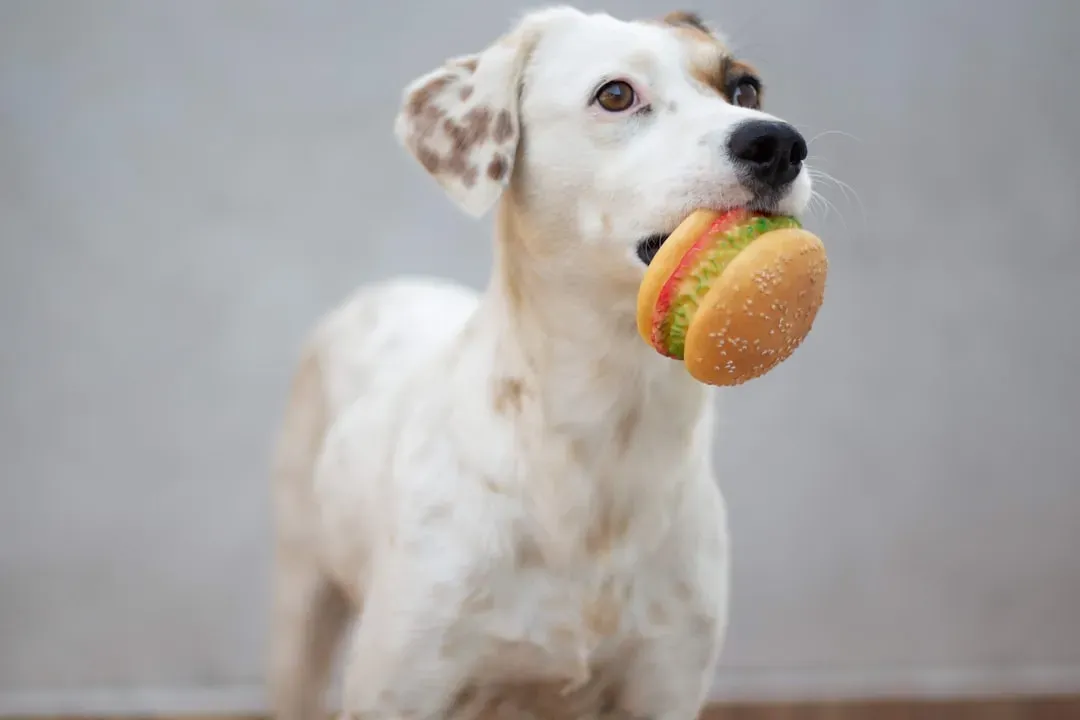
So is your dog secretly judging your cooking? Probably yes, but with a completely different set of criteria than you’d use. They’re evaluating scent more than taste, texture as much as flavor, and sometimes their rejection has nothing to do with the food itself. Understanding how your dog experiences their meals transforms you from a frustrated chef into a knowledgeable food scientist catering to a very unique clientele.
The good news is that once you understand what matters to your dog’s palate and nose, you can adjust accordingly. Maybe it’s warming up their food to release more aroma, adding some moisture to dry kibble, or simply ensuring their meals are fresh and properly stored. Does this mean you should feel judged when your dog turns their nose up at dinner? Maybe a little. Does it mean they love you any less? Absolutely not. What do you think? Have you noticed your dog being a secret food critic? Tell us in the comments.


