
You know that look. The one where your dog’s eyes seem a little softer than usual, their body language subtly off. Maybe they lick their lips more than they should, or turn their head away when you reach for them. You brush it off, thinking it’s just a mood. They’re fine, right?
Here’s the thing though. Our dogs are masters at hiding discomfort. “From an evolutionary standpoint, advertising vulnerability can be risky,” explains one veterinarian who notes that dogs often rely on low-level appeasement behaviors like looking away and lip-licking to avoid conflict while still coping with stress. Think about it like this: in the wild, showing weakness made you a target. That survival instinct hasn’t disappeared just because your pup now sleeps on a memory foam bed.
The tricky part? The signs of anxiety in dogs are often subtle and can easily be misinterpreted unless the full context is understood. So before your dog’s quiet stress signals escalate into bigger behavioral issues, let’s dive into the clues you might be missing. Trust me, once you learn to spot them, you’ll wonder how you ever missed these whispers of worry.
The Yawn That Isn’t About Being Tired
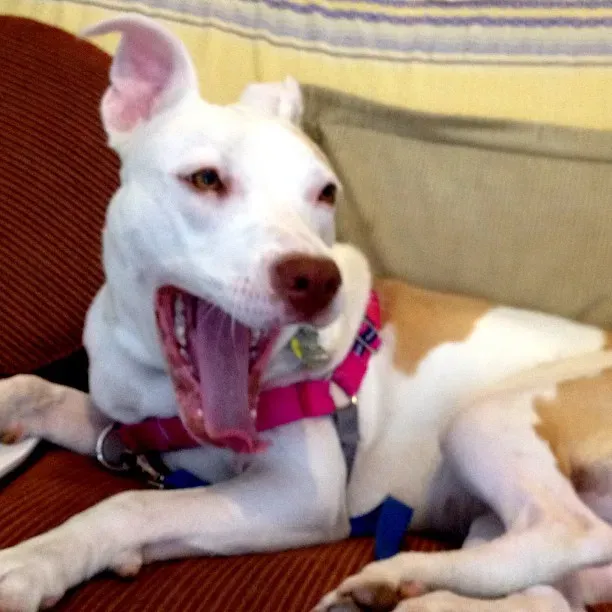
Picture this: you’re at the vet’s office, and your dog lets out a big yawn. Sleepy, right? Not necessarily.
Dogs yawn when they’re stressed, not just when they’re tired or bored like us. It’s one of those behaviors that seems so innocent, so normal, that we completely miss its real meaning. Yawning can mean boredom or sleepiness but it is also the first level response to a mild stressor, helping a dog release anxiety that’s building up internally.
The key is context. A yawn after a nap on the couch? Probably just sleepy. A yawn in an inappropriate environment or context, such as at the vet’s office or around people, is likely due to stress as opposed to a relaxed yawn after just waking up. Watch closely next time your dog yawns in a situation that might be uncomfortable for them. You might be surprised how often it happens.
Lip Licking When There’s No Food Around
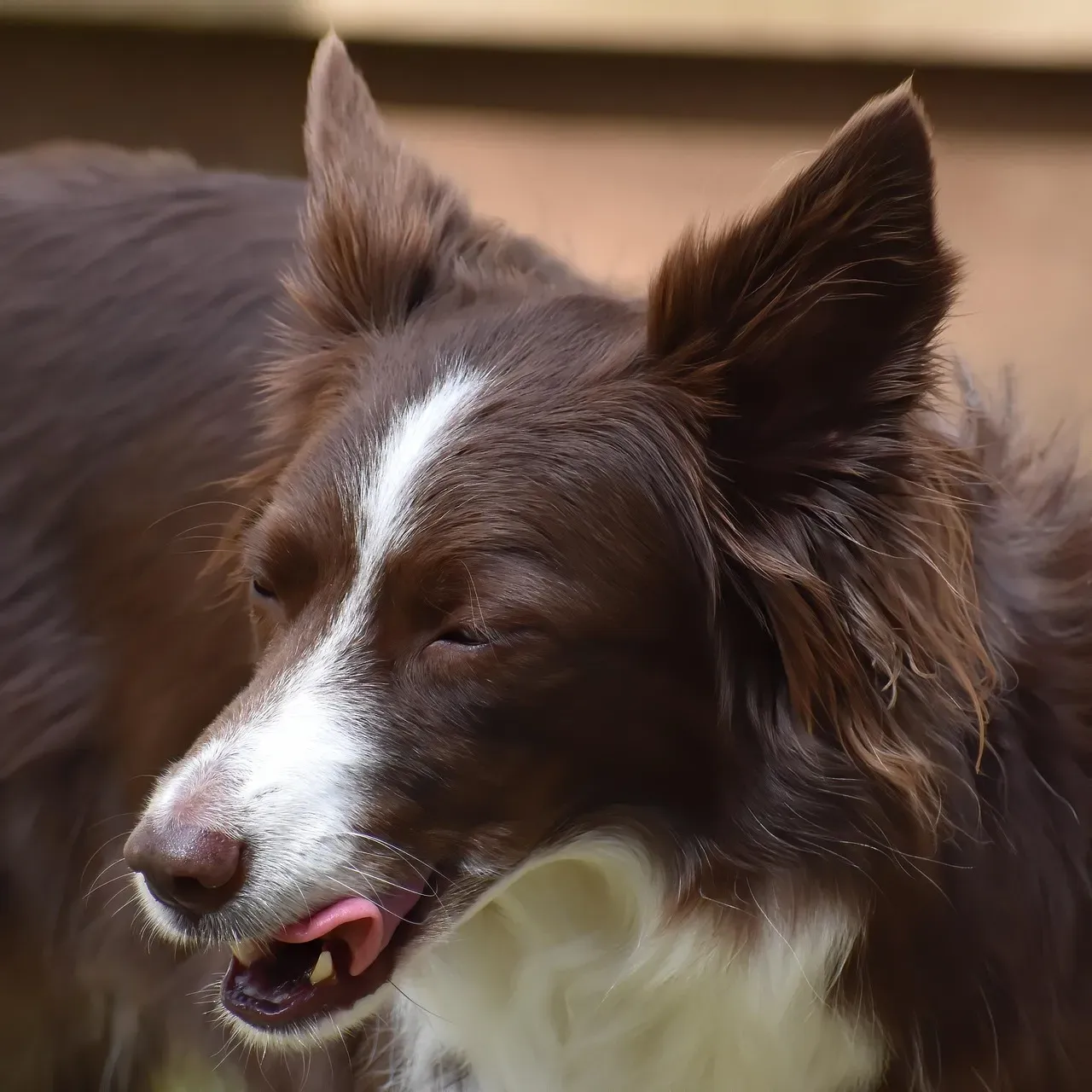
Does your dog suddenly start licking their lips when meeting new people? Or maybe during a training session that’s not going well?
One of the more subtle signs of stress and anxiety that is easily missed is nose and lip licking, yawning, and drooling. It’s so quick sometimes, just a flick of the tongue. Honestly, if you blink, you’ll miss it. Sometimes the tongue flick is so quick it’s tricky to notice.
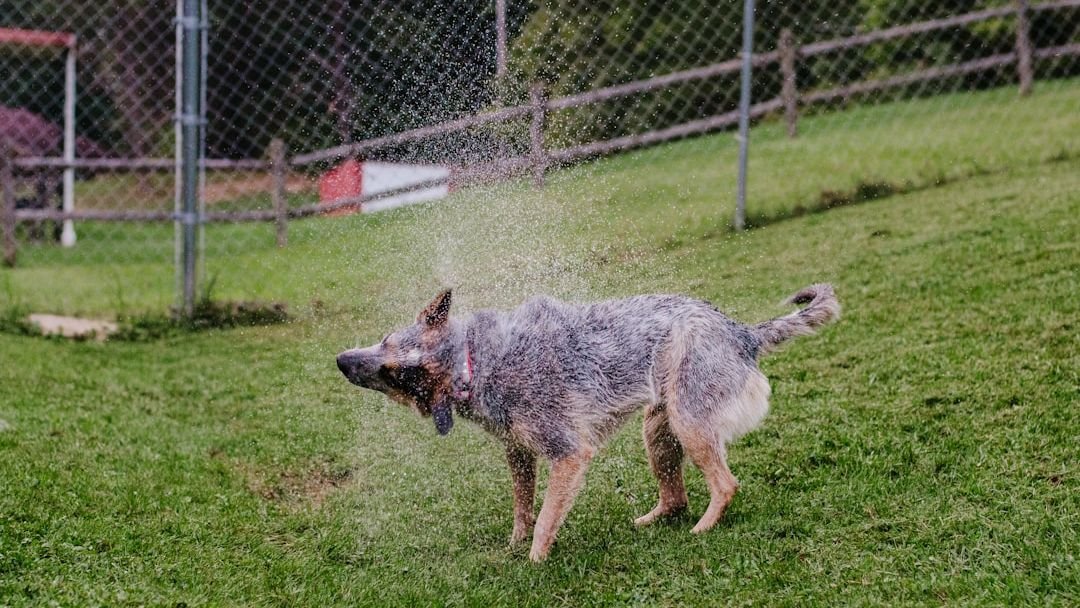
The top three calming signals owners should be on the lookout for are lip licking, yawning, and shaking off. These are what behavioral experts call “calming signals,” ways your dog tries to self-soothe or communicate that they’re uncomfortable. Think of it as your dog’s way of saying, “Hey, I’m a bit overwhelmed here, can we dial it back?” The problem is, we’re not always listening.
Whale Eye: When the Whites Show
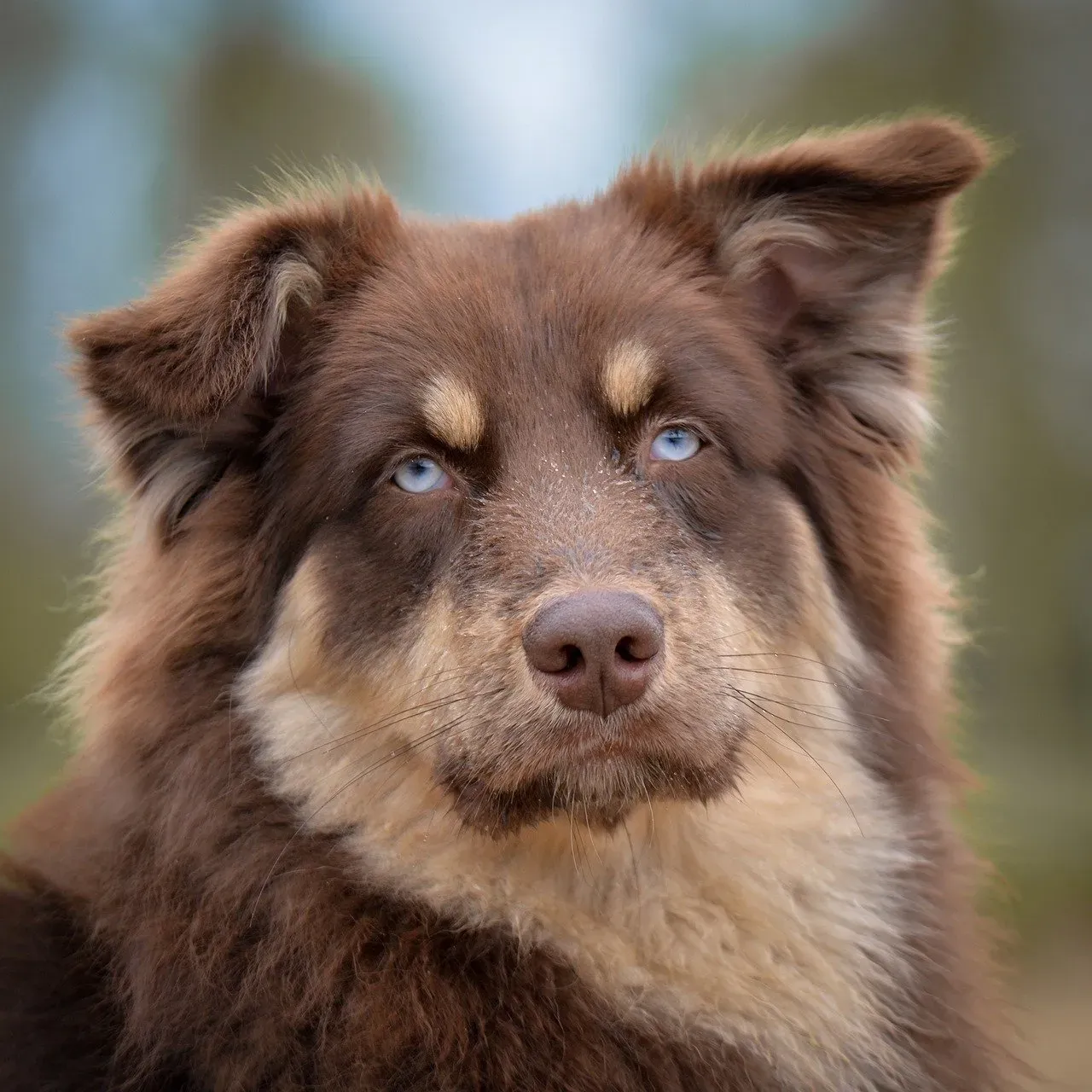
Ever noticed the whites of your dog’s eyes showing more than usual? That’s called “whale eye,” and it’s a big red flag.
Stress signs to look for include whale eye, when dogs reveal the whites of their eyes, tucked ears or tail, raised hackles, lip-licking, yawning, and panting. When your dog is showing whale eye, they’re usually tracking something that’s making them nervous without moving their head directly toward it. It’s like they’re monitoring a threat from the corner of their eye.
Known as whale eye, when a dog shows the whites of the eyes, it’s a signal that they’re feeling anxious or stressed in a situation, such as when you make your dog uncomfortable, like when you pat them on the head, or when they’re afraid someone will steal a bone or toy. If you see this expression paired with a stiff body or tucked tail, your dog is telling you loud and clear that they need space. Let’s be real, ignoring this signal can lead to bigger problems down the road.
The Shake-Off That Seems Out of Place
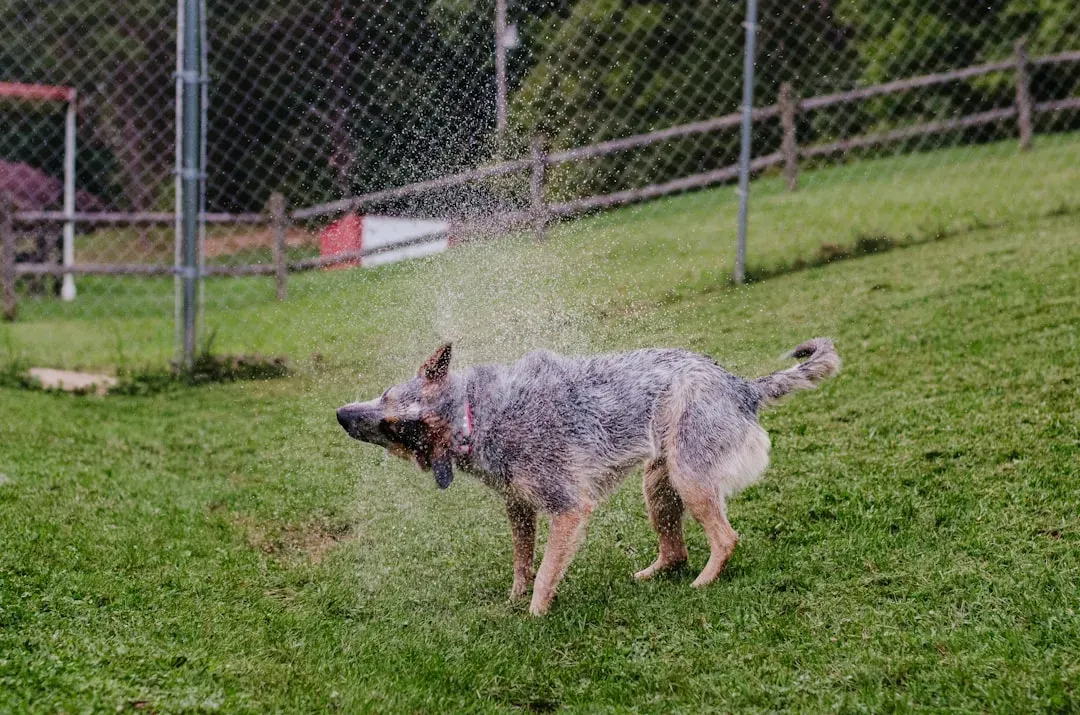
Your dog shakes their whole body like they just got out of the bath. Except they’re completely dry. What gives?
Similar to shaking off water from the pool, dogs also give a shake to reduce tension or stress from their bodies. I know it sounds crazy, but that full-body shake is actually a stress release mechanism. That whole-body shake can be amusing and is quite normal, unless it occurs as the result of a stressful situation, such as the shake-off that dogs often do after they descend from the veterinarian’s exam table.
Watch for when these shakes happen. After a tense encounter with another dog? Following an uncomfortable interaction with a stranger? That’s your dog literally trying to shake off the stress. It’s hard to say for sure every time, but the timing usually tells you everything you need to know about whether it’s just a random shake or an anxiety release.
Changes in Appetite and Digestive Upset
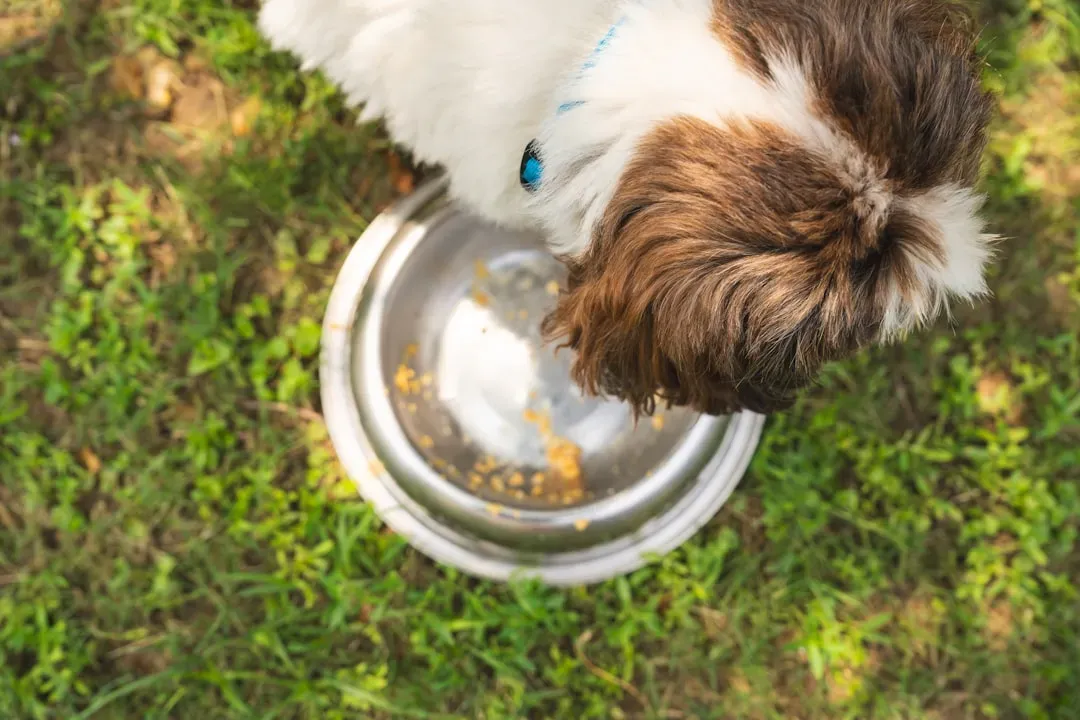
Has your usually food-motivated pup suddenly turned their nose up at dinner? Or maybe they’re having more stomach issues than normal?
A common sign of chronic stress is reduced appetite or increased digestive problems. Stress hits dogs in the gut, literally. Stressful situations such as adoption, boarding at a kennel, moving, or separation from an owner can trigger a bout of diarrhea, as the release of norepinephrine affects the gastrointestinal tract of a dog.
The connection between your dog’s emotions and their stomach is stronger than you might think. Your dog’s gut contains a vast network of serotonin receptors, the same neurotransmitter involved in mood regulation, creating what scientists call the gut-brain axis. So when your dog’s world feels unstable or scary, their digestion can go haywire. Some dogs won’t eat when they’re stressed, while others might gulp down food nervously or become protective around their bowl in ways they never were before.
Subtle Body Language Shifts You’re Probably Missing
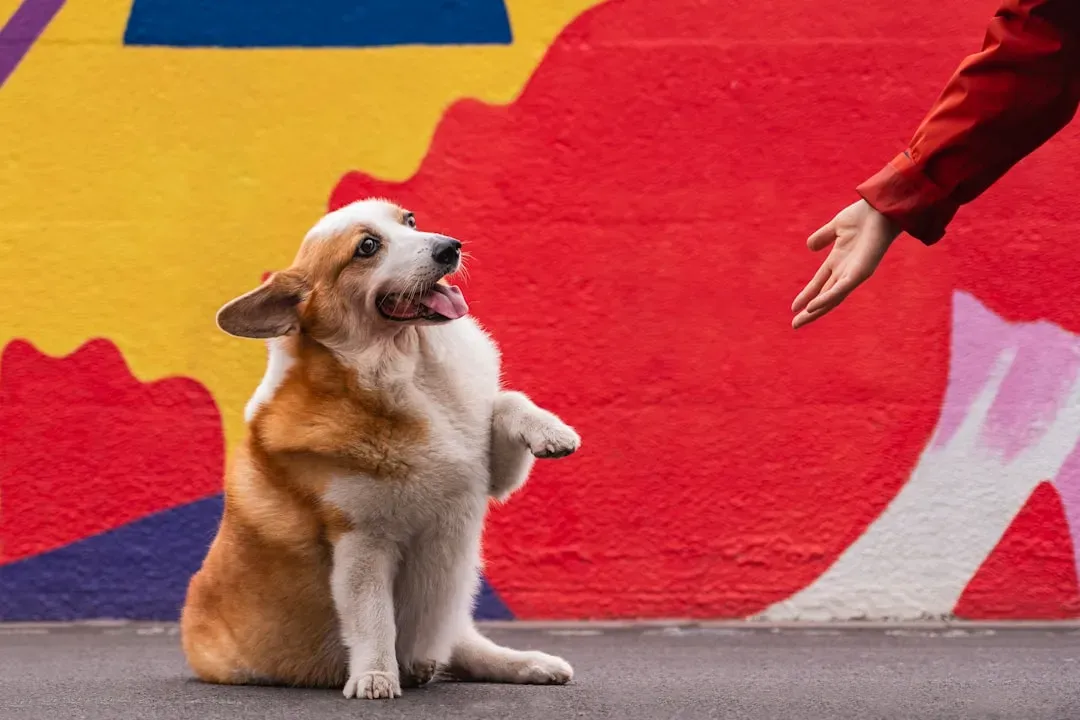
Your dog’s entire body is a communication tool, yet we often only notice the obvious stuff.
Many dog body language signals are subtle and often happen very quickly so it can be easy to miss them. A tucked tail is pretty clear, sure. What about weight shifting though? Dogs normally bear weight evenly on all four legs, but if a healthy dog with no orthopedic problems shifts their weight to the rear legs or cowers, they may be exhibiting stress.
Then there’s the freeze. Not the fun freeze tag kind. When your dog freezes or gets stiff, they’re often stressed about something they see, and in a training context, this can sometimes be seen as submission, but modern dog training practices tell us that the dog is actually shutting down, which is a warning sign that the dog is so stressed that they can’t handle the situation. Pacing, excessive shedding at the vet, avoiding eye contact. These are all pieces of the puzzle that tell you your dog needs help managing their stress levels.
Conclusion
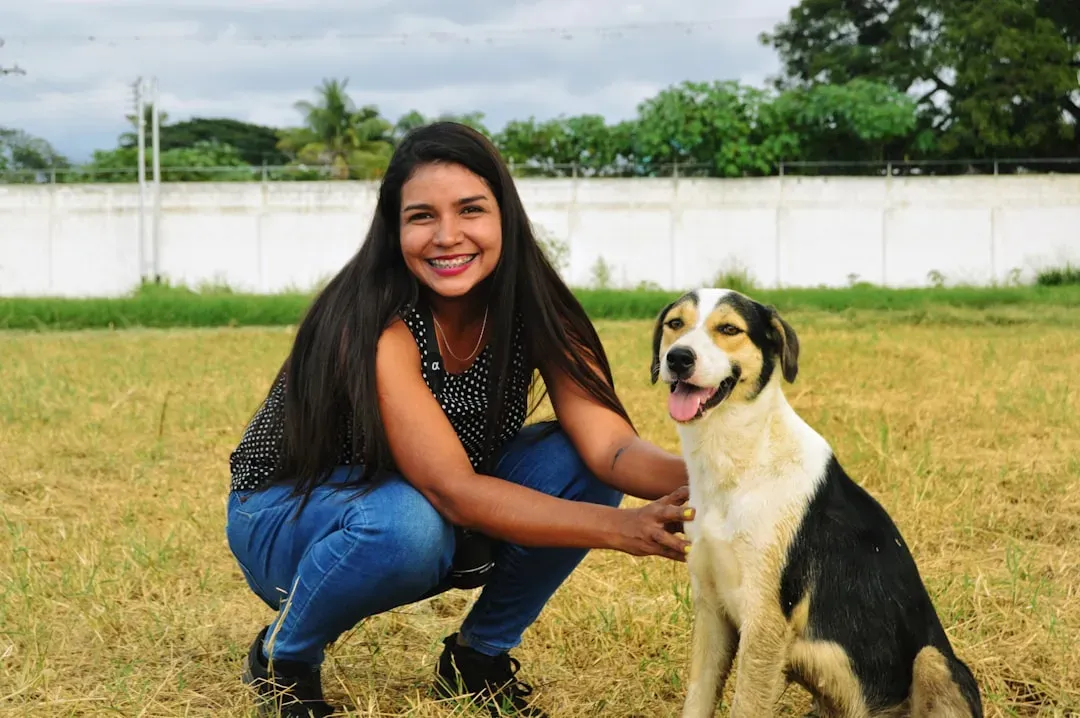
Learning to read your dog’s stress signals isn’t just about preventing bad behavior. It’s about understanding their emotional world and being the advocate they need. Your pup may not tell you they are anxious, but their body language speaks volumes, and spotting these signs early can prevent long-term problems and keep your best friend happy, secure, and thriving.
The beautiful thing is, once you start noticing these subtle clues, you’ll develop a deeper connection with your dog. You’ll catch those small moments of discomfort before they become big problems. You’ll know when to step in, when to create space, and when to simply be the calm presence your dog needs.
The more we can show our dogs that we understand and respect how they are feeling, the more they can trust us to help them, and the safer they will feel. So what do you think? Have you noticed any of these signs in your own dog? Share your observations in the comments below, we’d love to hear your experiences.


