
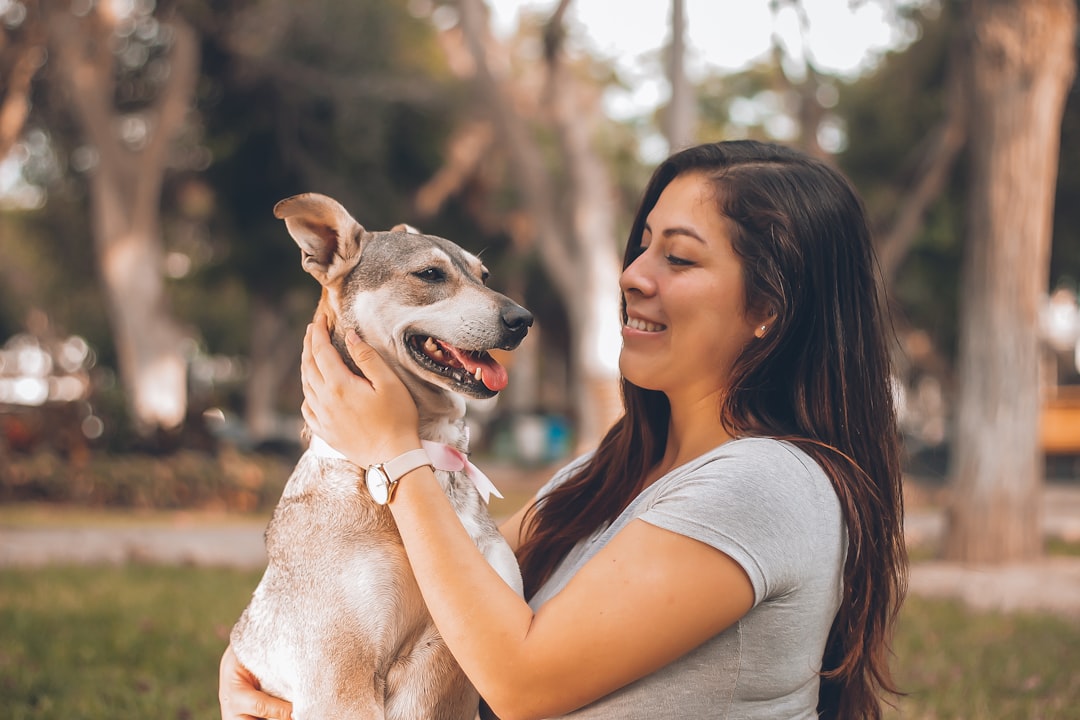
Did you know that dogs can feel just as lonely, bored, or sad as we do? It’s a gut-wrenching thought for any dog lover. Sometimes, even when we think we’re doing everything right—feeding them, giving them a comfy bed, patting them on the head—they still seem a little down. Maybe your dog’s tail doesn’t wag quite as much, or those soulful eyes seem less sparkly. If you’ve ever wondered, “Is my dog truly happy?” you’re not alone. The good news? There are real, practical ways you can perk up your pup’s spirit. Let’s dive into the top 10 ways to turn that frown upside down and bring the joy back to your dog’s life.
Give More Attention and Affection
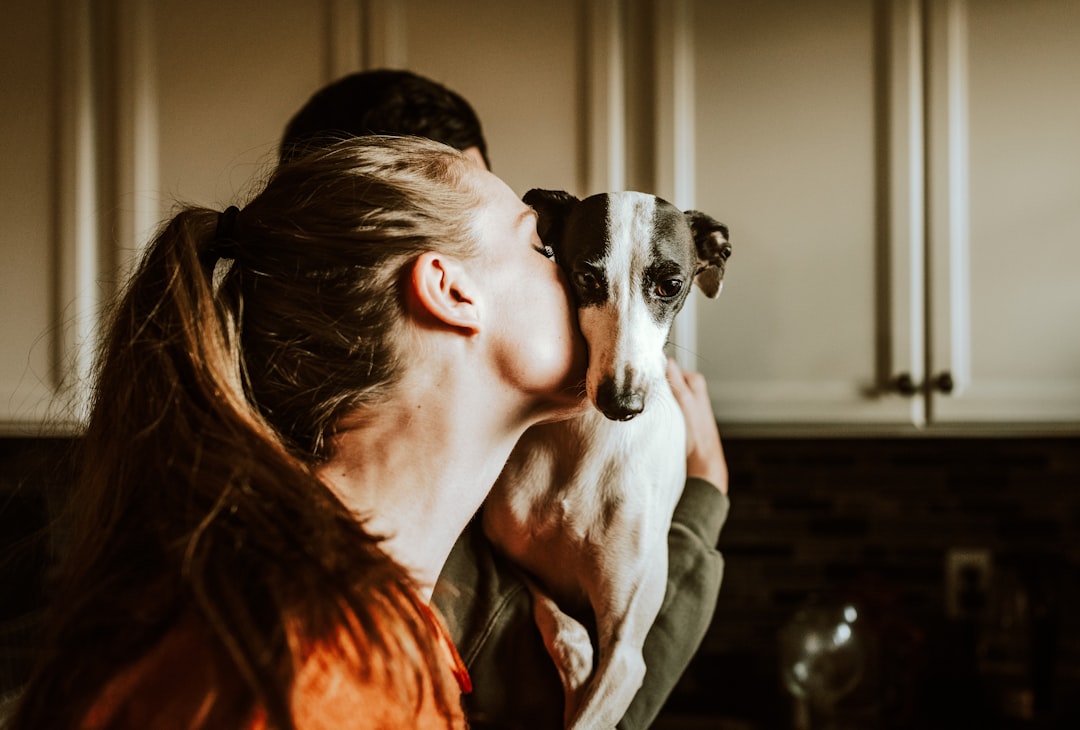
Dogs are social creatures that crave attention from their humans. If your dog seems withdrawn or listless, it might just be longing for more of your time. Even a few extra minutes a day of cuddling, gentle petting, or just sitting together can make a world of difference. Dogs pick up on our moods and presence, so being physically close is often the reassurance they need.
Try incorporating affection into your daily routine. Maybe let your dog snuggle up next to you while you watch TV, or give them a big hug when you come home. You can even talk to your dog in a calm, loving voice; many dogs find comfort in hearing their owner’s voice. Remember, attention isn’t just about quantity—it’s also about quality. A heartfelt scratch behind the ears can be more meaningful than hours of distracted company.
Provide Plenty of Exercise
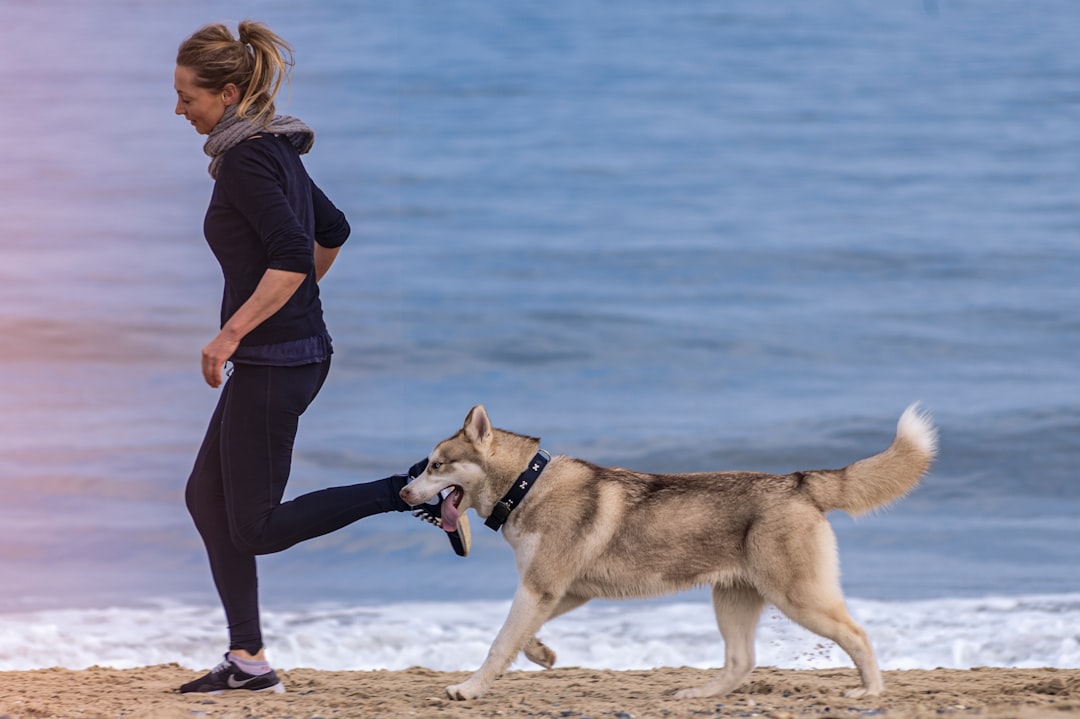
A tired dog is a happy dog, as the saying goes. Without enough exercise, dogs can become bored, anxious, or even destructive. If your dog is acting out, pacing, or seems restless, it might need more physical activity. Exercise not only burns off energy but also releases endorphins, those feel-good chemicals that boost mood in both people and pets.
Consider mixing up your routine by taking your dog for longer walks, adding a jog around the park, or even trying agility exercises in your backyard. Some dogs love chasing a frisbee or playing fetch, while others might enjoy swimming or hiking. Whatever the activity, make it fun and engaging. Think of it as a win-win: your dog gets healthier and happier, and you might find yourself enjoying the great outdoors a bit more, too.
Offer Mental Stimulation
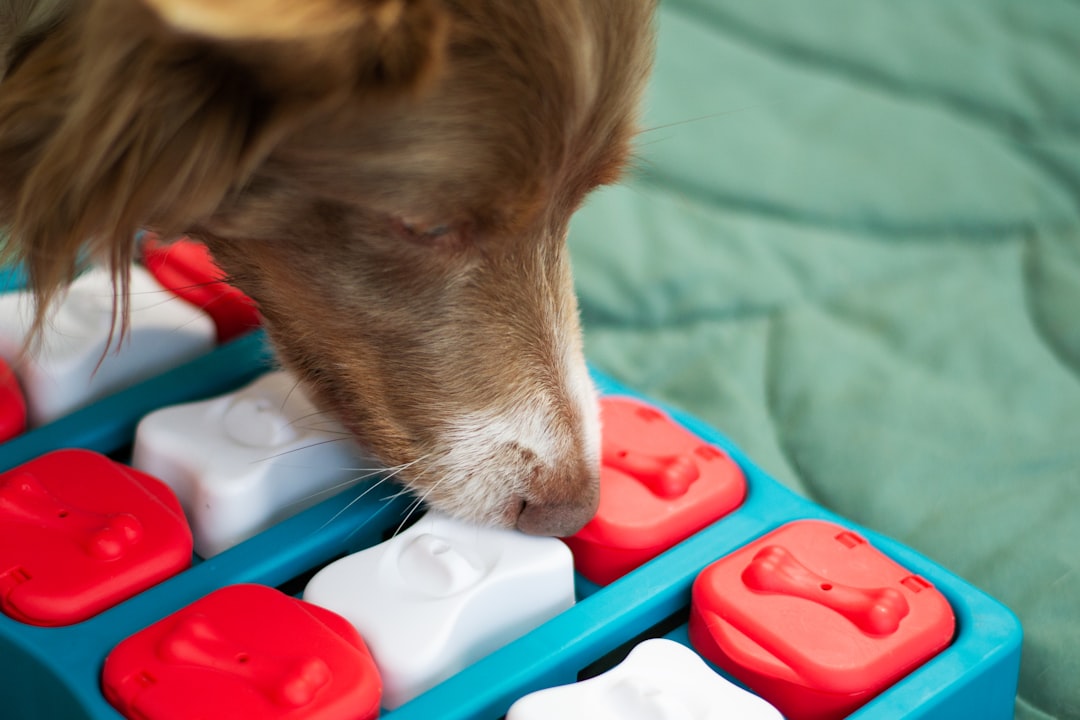
Dogs need to exercise their brains just as much as their bodies. Without mental challenges, dogs can become bored and unhappy, which sometimes leads to bad habits like chewing shoes or digging in the yard. Providing puzzles, treat-dispensing toys, or learning new tricks can keep your dog’s mind sharp and engaged.
Try rotating toys to keep things fresh or create simple games, like hiding treats around the house for your dog to find. Training sessions are also fantastic for mental stimulation; even practicing basic commands can make your dog feel accomplished and connected to you. Think about how you feel after solving a tough puzzle or learning a new skill—your dog gets that same sense of satisfaction!
Ensure a Consistent Routine
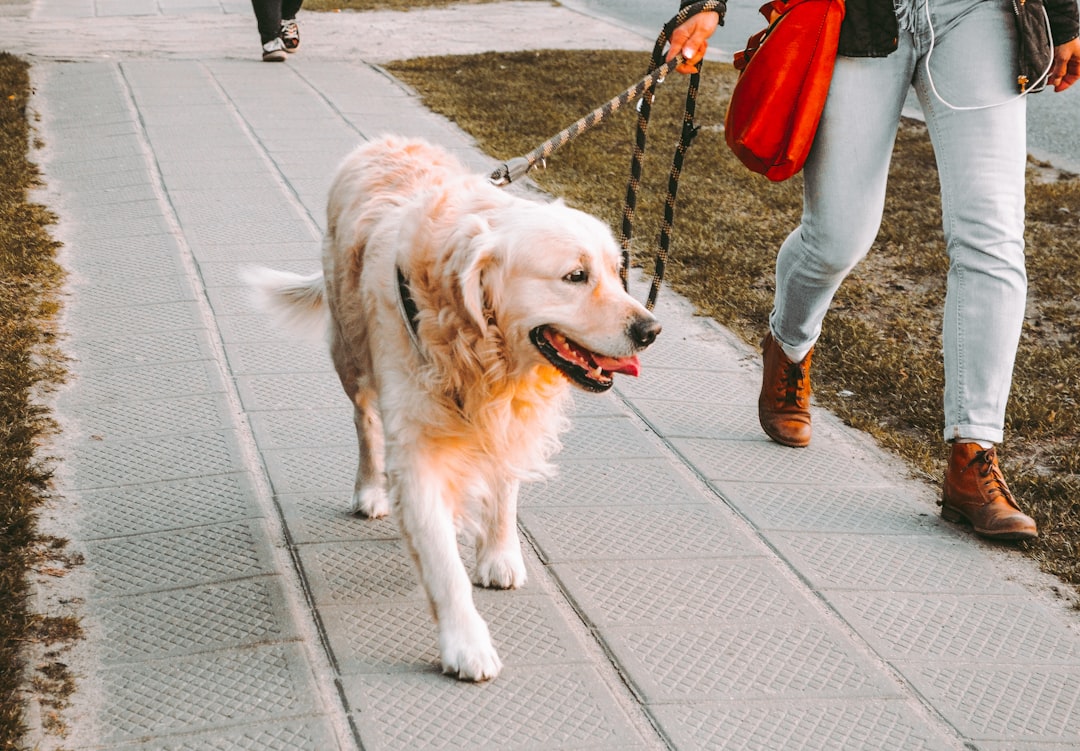
Dogs thrive on predictability. When their day-to-day life is stable, they feel secure and content. Sudden changes—like erratic feeding times or shifting walk schedules—can make dogs anxious or unsettled. If your dog seems uneasy or isn’t acting like itself, check if their routine has changed recently.
Try to feed, walk, and play with your dog at the same times each day. Even small rituals, like a bedtime treat or a morning stroll, can provide comfort. If you have to adjust your schedule, introduce changes gradually so your dog has time to adapt. Consistency helps build trust, and when your dog knows what to expect, it’s more likely to relax and enjoy life.
Socialize With Other Dogs and People
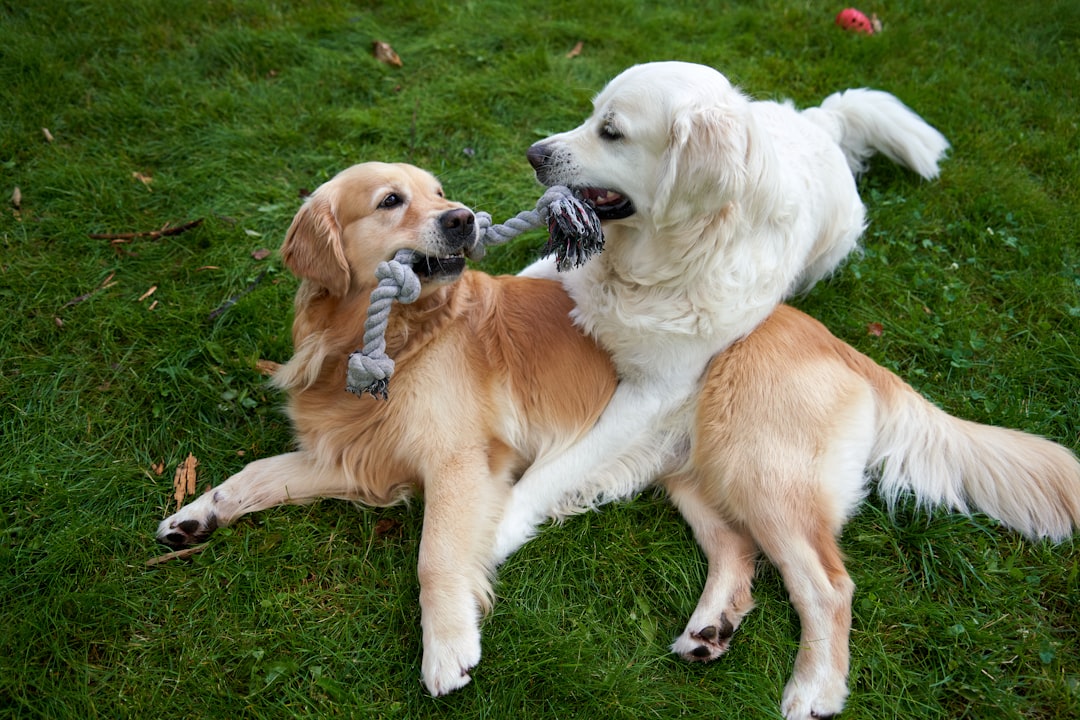
Dogs are naturally social animals, and most love making new friends—both furry and human. If your dog is feeling down, it might be craving more interaction. Lack of socialization can lead to boredom or even anxiety, especially in dogs that are left alone for long periods.
Set up playdates with other friendly dogs or visit a local dog park. If your dog is shy, take it slow and introduce new friends one at a time. You might also invite friends and family over, allowing your dog to experience new faces and smells. Socializing isn’t just about play—it’s about building confidence and giving your dog a sense of belonging in the wider world.
Feed a Nutritious, Balanced Diet

Just like people, dogs feel better when they eat well. A poor diet can lead to low energy, digestive issues, and even mood swings. If your dog seems lethargic or irritable, it might be time to take a closer look at what’s in its bowl. High-quality dog food, packed with the right nutrients, can make a noticeable difference in your dog’s overall happiness.
Check in with your veterinarian to ensure your dog’s diet meets its age, size, and activity level. You can also add healthy snacks like carrots, apples (without the seeds), or lean meats. Avoid giving table scraps or too many treats, as these can upset your dog’s stomach and mood. Remember, a happy tummy often leads to a wagging tail!
Visit the Vet Regularly

Sometimes, what looks like unhappiness in a dog is actually a sign of illness or discomfort. Dogs are experts at hiding pain, but subtle changes—like losing interest in play, sleeping more, or acting grumpy—can be red flags. Regular check-ups with your vet are essential to rule out any medical problems.
If you notice sudden changes in your dog’s behavior, don’t wait. Schedule an appointment and share your concerns. Your vet might recommend bloodwork, a dental exam, or other tests to get to the bottom of things. Catching health issues early can make a huge difference in your dog’s comfort and happiness. It’s better to be safe than sorry, and your dog will thank you for the extra care.
Give Your Dog a Safe, Comfortable Space
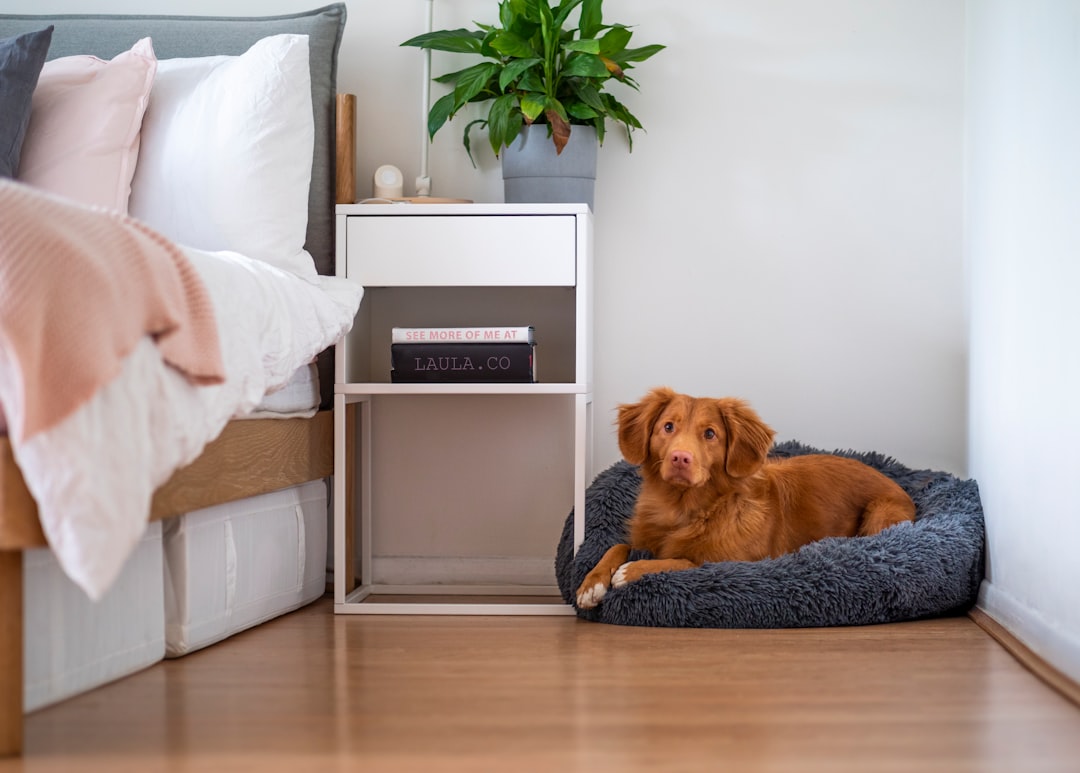
All dogs need a spot where they can relax and feel secure. If your dog is anxious or seems restless, it might not have a place it can truly call its own. Creating a cozy corner with a soft bed, blankets, and maybe a favorite toy can help your dog unwind.
Make sure this space is away from loud noises, drafts, or too much foot traffic. Some dogs love a crate with the door open, while others prefer a quiet nook in the living room. Respect your dog’s need for downtime; don’t force it to interact when it wants to be alone. Just knowing they have a retreat can make dogs feel safer and more at peace.
Train With Positive Reinforcement
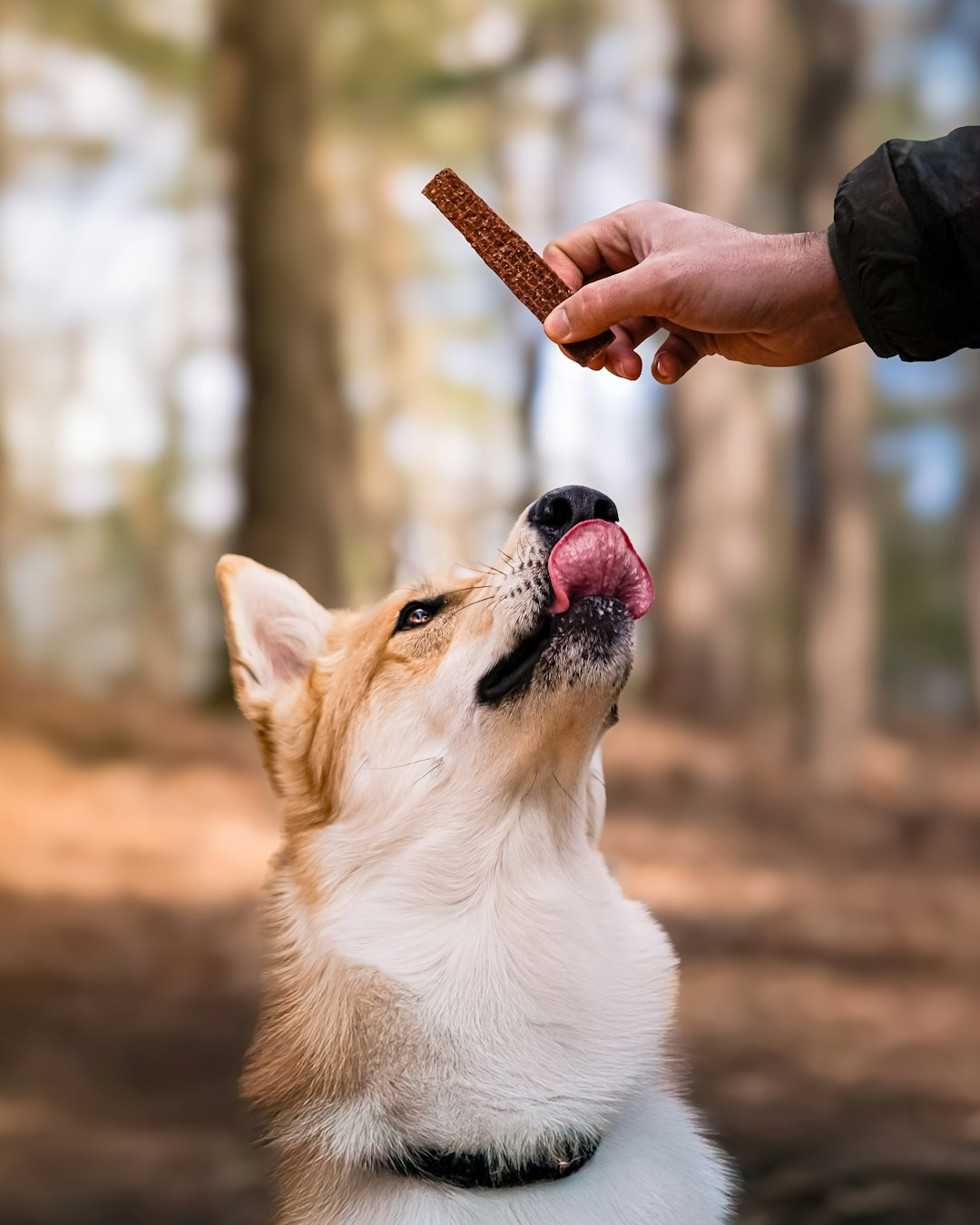
Training isn’t just about teaching tricks; it’s about building trust and communication. Dogs love to learn, especially when they’re rewarded for their efforts. Using positive reinforcement—like treats, praise, or play—makes training fun and boosts your dog’s confidence.
Start with simple commands and celebrate every success, no matter how small. Avoid punishment or harsh corrections, as these can erode trust and make dogs fearful or sad. Training should be a bonding experience, not a stressful one. When your dog knows how to please you and gets rewarded for good behavior, it’ll feel happier and more secure in its place in the family.
Be Patient and Understanding
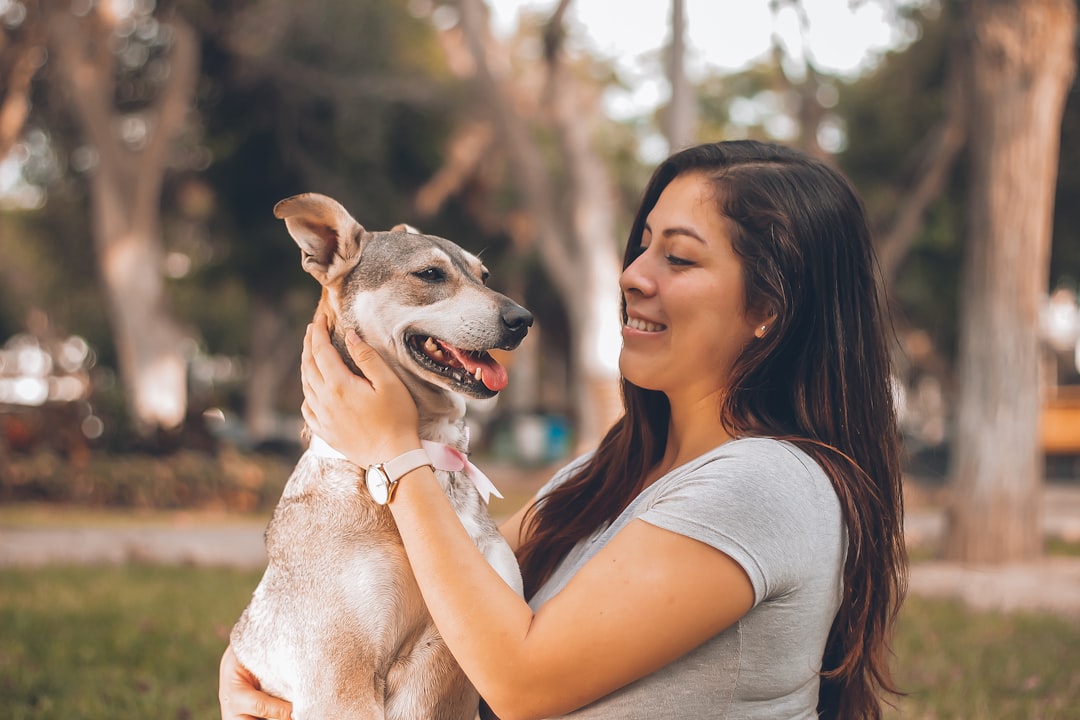
Every dog is unique, with its own personality, fears, and quirks. Sometimes, dogs go through phases of feeling low, just like people. Maybe a big change has happened—like moving to a new house or losing a companion. In these moments, patience and empathy are your best tools.
Observe your dog closely and try to see the world from its perspective. Offer comfort, gentle encouragement, and extra love during tough times. Remember, happiness isn’t a switch you can flip—it’s something you build together, one day at a time. Being there for your dog, through highs and lows, is the ultimate way to show you care.
Every dog deserves a life filled with joy, security, and connection—and often, it’s the small changes that make the biggest difference. If your dog seems unhappy, it’s not a reflection of failure but an opportunity to grow closer and better understand their needs. Whether it’s more mental stimulation, consistent routines, or simply more time together, your efforts can transform their world. Pay attention, stay patient, and remember: a happier dog often starts with a more attentive human.


