
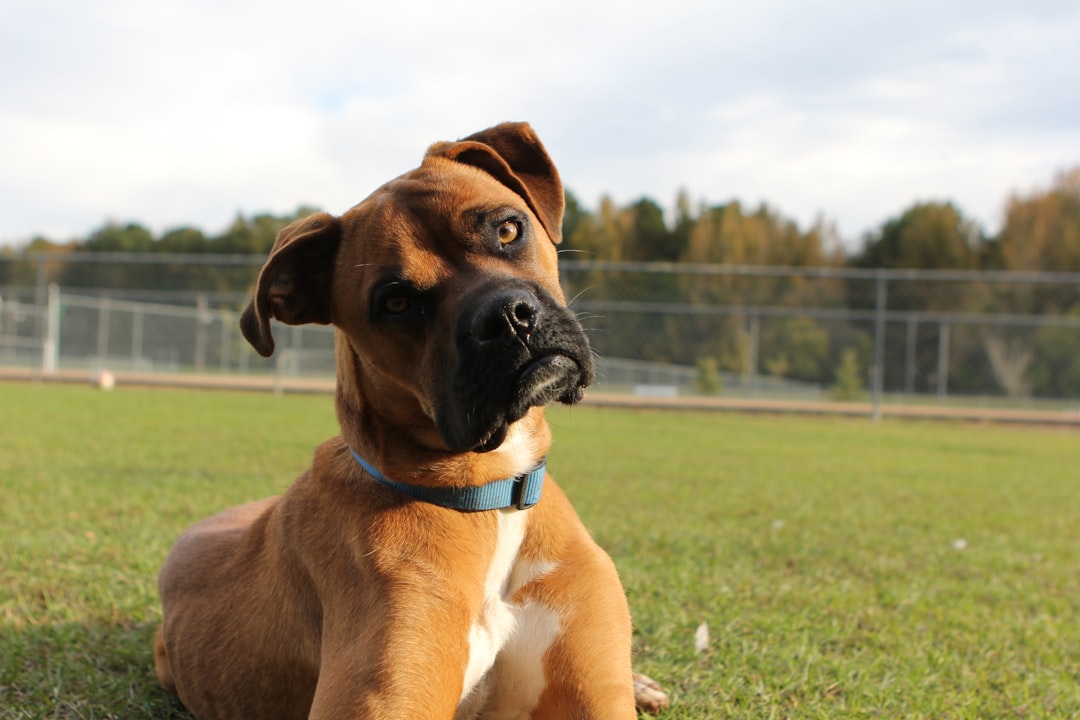

Have you ever caught your dog chasing its tail for what feels like the hundredth time and wondered, “Is this normal?” Or maybe you’ve watched your furry friend stare at the wall, head tilted, and felt a wave of worry. Dogs are full of surprises, from their playful antics to their odd little rituals. It’s these quirks that make us laugh, scratch our heads, and sometimes even worry if something’s wrong. But here’s the heartwarming truth: most canine oddities are just part of what makes each dog special. Let’s dive into some of the most common dog behaviors and find out what’s behind those silly, puzzling, and sometimes downright hilarious actions.
Why Do Dogs Chase Their Tails?
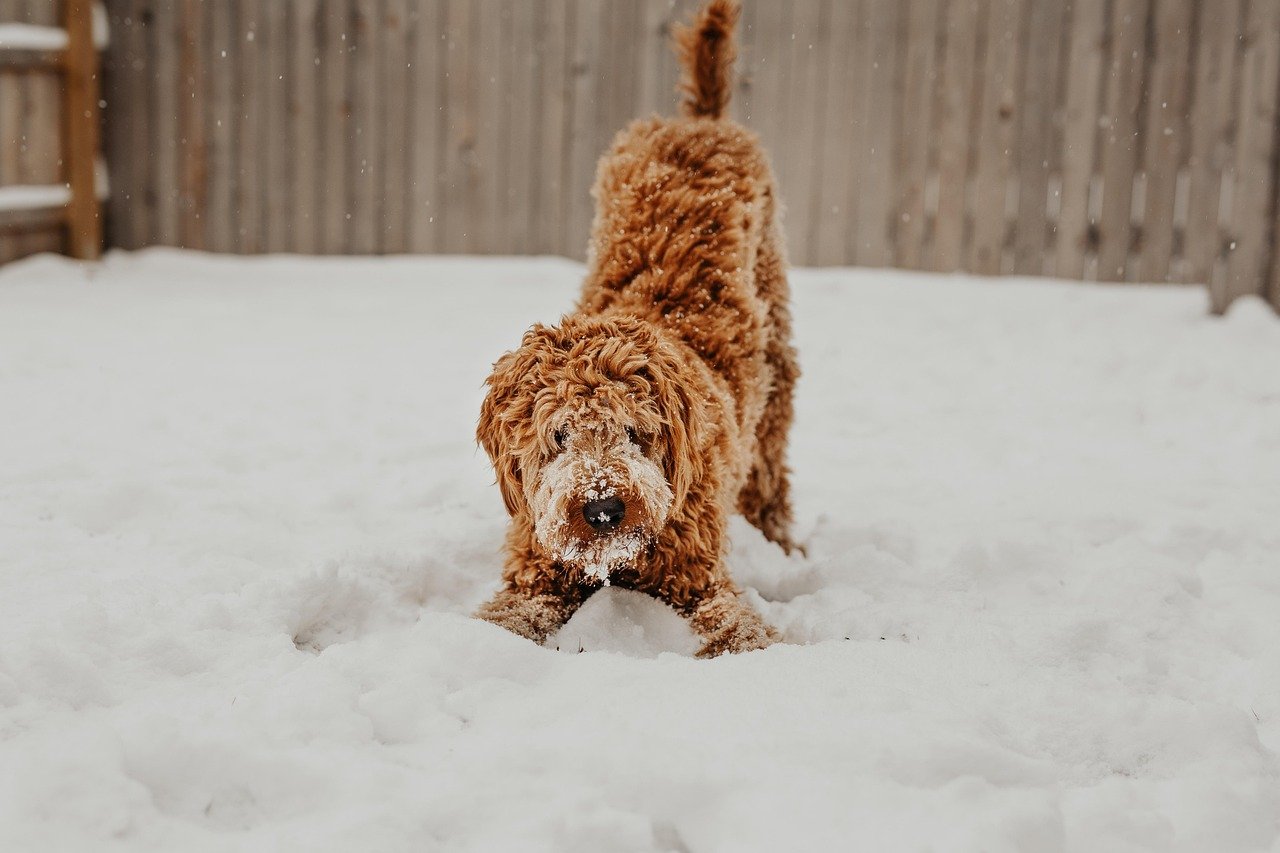
Tail chasing is a classic dog move—sometimes adorable, sometimes perplexing. Puppies, in particular, seem obsessed with the idea of catching their own tails. For them, it’s a fun way to burn off energy and explore their bodies. They might not even realize that tail is attached to them! In older dogs, tail chasing can still be playful, but sometimes it’s a sign of boredom or extra energy that needs to be burned off.
However, if this behavior suddenly increases or becomes obsessive, it might be worth a closer look. Dogs who constantly chase or bite their tails could be suffering from allergies, fleas, or even anxiety. Imagine if you had an itch you couldn’t scratch—your dog’s tail chasing could be their way of dealing with discomfort. If it seems excessive or your dog injures themselves, a vet check is a good idea. But in most cases, a little tail-spinning is completely normal and gives us all a good laugh.
Why Do Dogs Dig in Blankets or the Yard?
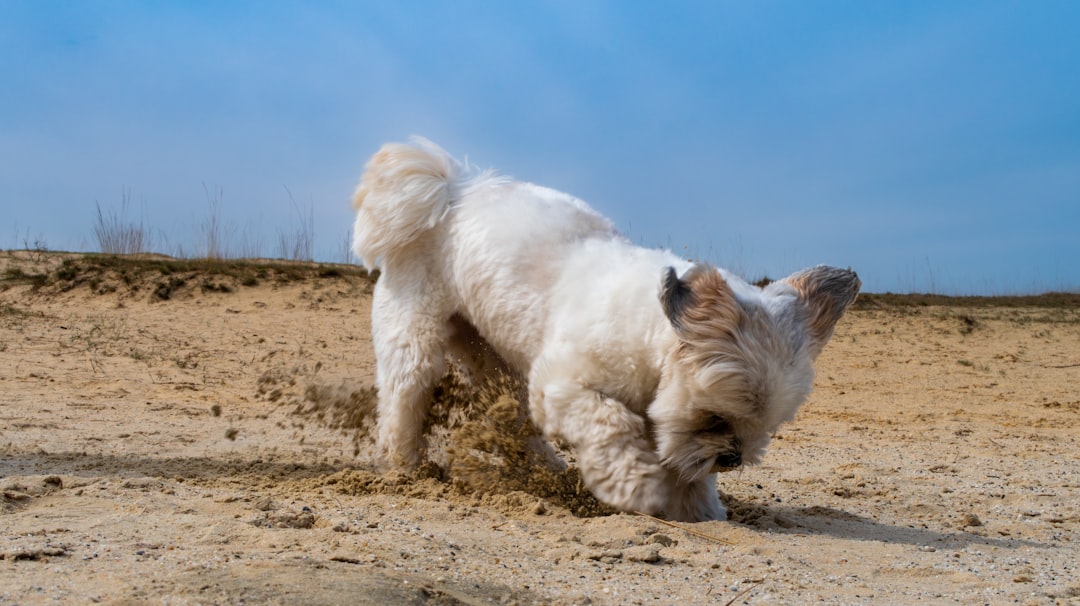
If you’ve ever found your dog furiously digging in your favorite blanket—or worse, your flower bed—you’re not alone. Digging is a deeply-rooted instinct for dogs, passed down from their wild ancestors. In the wild, dogs would dig to create a cozy den, to hide food, or to cool off in the heat. It’s not that different from us fluffing our pillows before bed.
In the home, dogs often dig in their beds or blankets to get comfortable or to mark their territory with their scent. Outside, some just love the satisfying feeling of dirt between their paws, or they’re hunting for buried treasures like bugs or old bones. If the digging gets destructive, redirecting their energy with toys, walks, or puzzle games can help. But for most pups, a little digging is as normal as wagging their tail when you get home.
What’s With All the Butt Sniffing?
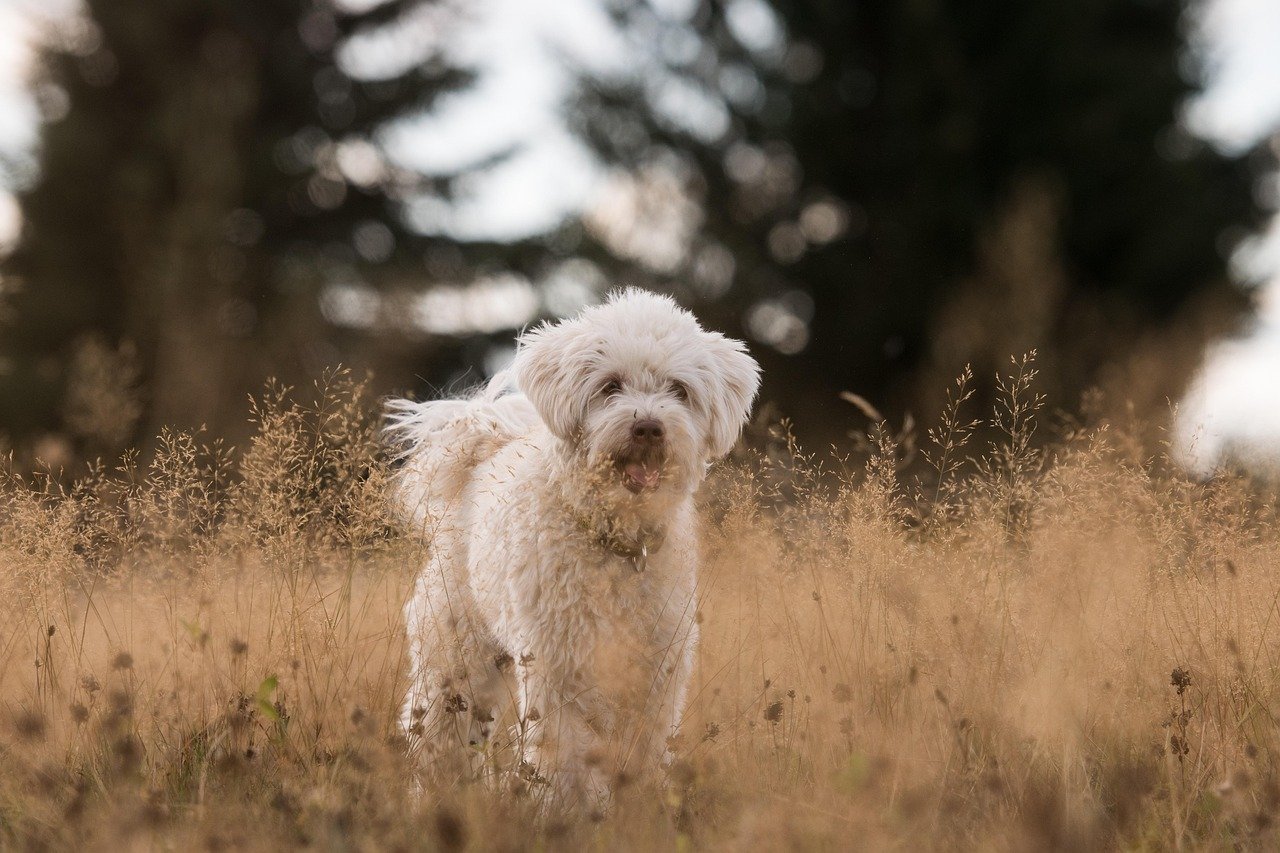
Let’s be honest, nothing embarrasses a dog owner faster than their pup making a beeline for another dog’s rear end at the park. But to dogs, butt sniffing is the canine equivalent of a handshake—just a whole lot more informative! Dogs have special glands around their tails that release unique scents, revealing everything from their gender to their mood and even what they ate for breakfast.
This behavior helps dogs learn about each other, establish social order, and sometimes even recognize friends they haven’t seen in a while. It’s their way of saying, “Hey, who are you?” While it may seem a bit odd to us, for dogs, this is just standard greeting etiquette. Unless it becomes overly aggressive or leads to conflict, there’s no need to worry—let them sniff away.
Why Do Dogs Howl or Bark at Nothing?
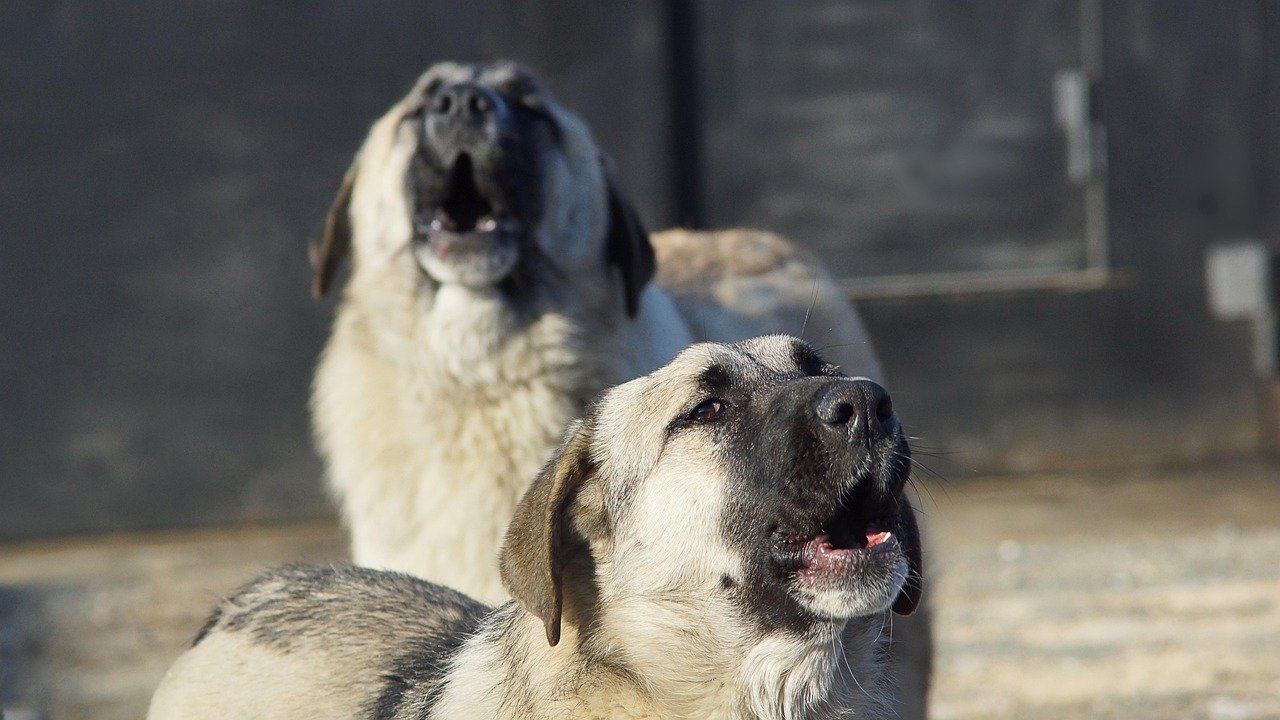
Ever had your dog suddenly start howling or barking at seemingly thin air? It can be unsettling, especially late at night. Dogs have much sharper senses than we do. Their ears pick up sounds we can’t hear, and their noses detect scents far beyond our abilities. Sometimes, they’re reacting to a distant siren, a critter outside, or even the hum of electronics.
Howling is a throwback to their wolf ancestors, a way to communicate over long distances. Some breeds are more vocal than others, and certain noises can trigger a chorus of howls. Barking at “nothing” is often just your dog letting you know they heard something you didn’t. As long as it’s not constant or causing distress, the occasional mysterious howl or bark is nothing to worry about.
Why Do Dogs Eat Grass?
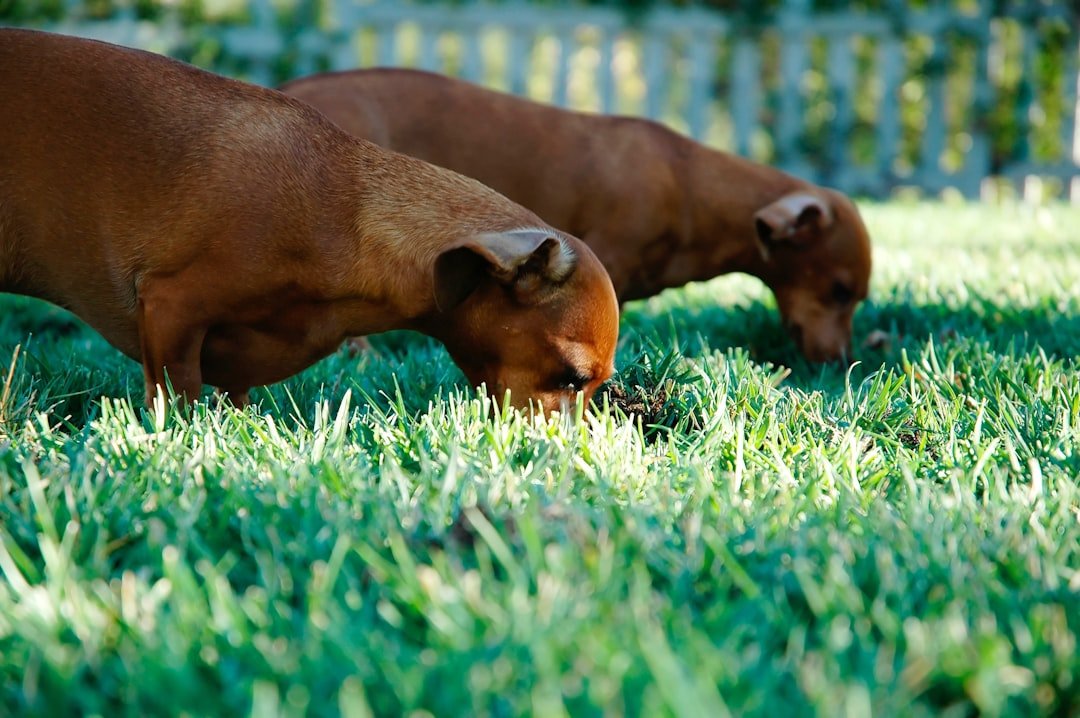
Many dog owners are baffled by the sight of their pup munching on grass like a miniature cow. Theories abound—some say dogs eat grass to induce vomiting, others believe it’s a sign of an upset stomach or a nutritional deficiency. Truth is, most dogs simply like the taste or texture, and the majority don’t get sick afterwards.
Occasional grass eating is typically harmless. Some experts think it’s a leftover behavior from their wild ancestors, who would eat the stomach contents of herbivores. However, if your dog is eating large amounts of grass and frequently vomiting, or showing signs of illness, it’s worth consulting a vet. Otherwise, consider it just another harmless quirk that makes your dog unique.
Why Do Dogs Circle Before Lying Down?
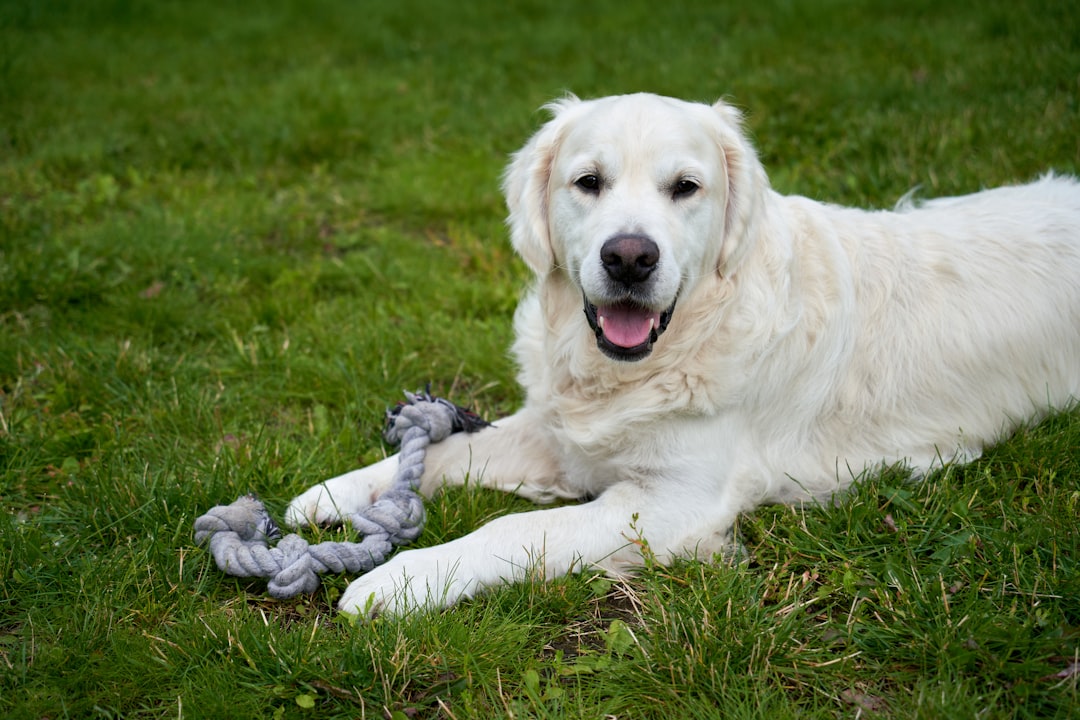
You’ve probably noticed your dog spinning in circles before settling down for a nap. It’s a funny routine, but it’s rooted in ancient instinct. Wild dogs would circle to pat down grass, leaves, or snow, creating a comfy, safe spot to rest. Circling also gave them a chance to check for snakes or other dangers before getting too comfortable.
Even though your living room is snake-free (hopefully!), this behavior persists. It’s a way for dogs to mark the area with their scent and make their chosen spot feel just right. Unless your dog seems uncomfortable or circles excessively without settling, this little dance is completely normal—and honestly, a bit endearing.
Why Do Dogs Tilt Their Heads?
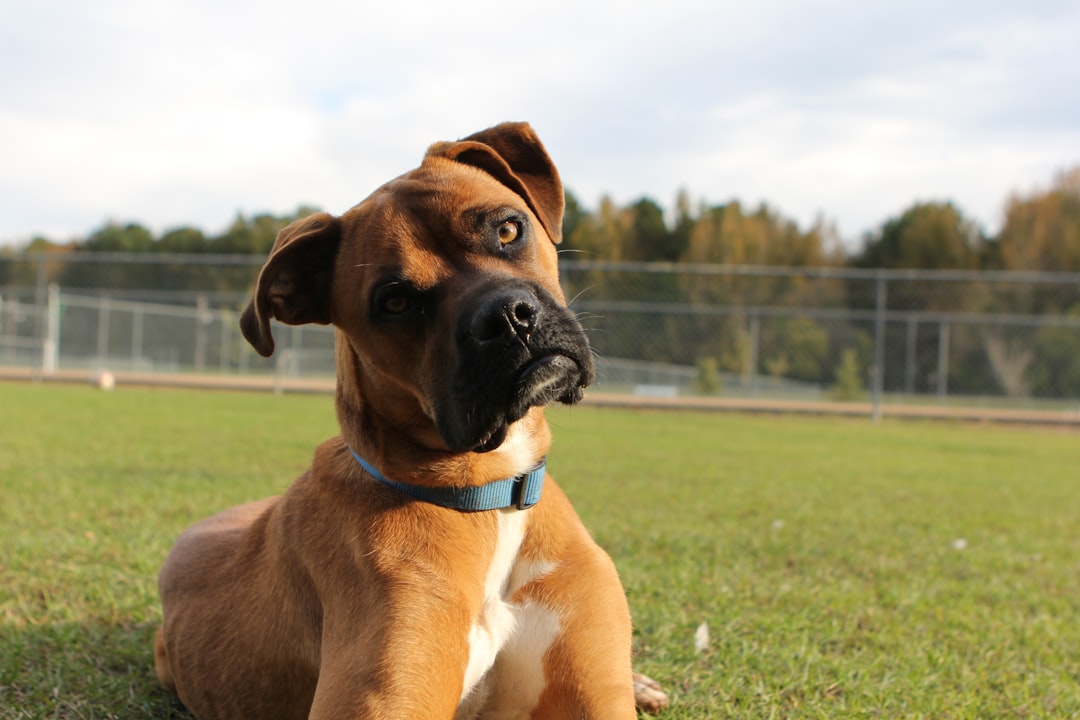
Few things are cuter than a dog tilting its head in curiosity. It’s like they’re trying to understand every word you say. Head tilting helps dogs better locate the source of a sound, and it also gives them a different view of your facial expressions. This makes it easier for them to “read” you and respond appropriately.
Some dogs tilt their heads more than others, and it can become a way to get attention or treats. We’re guilty of reinforcing this adorable habit with smiles and extra affection. However, if head tilting is constant or paired with signs of dizziness or balance issues, it could signal an ear infection or other health problem. But for most, it’s just another way your dog shows they’re paying attention.
Why Do Dogs Lick People and Objects?
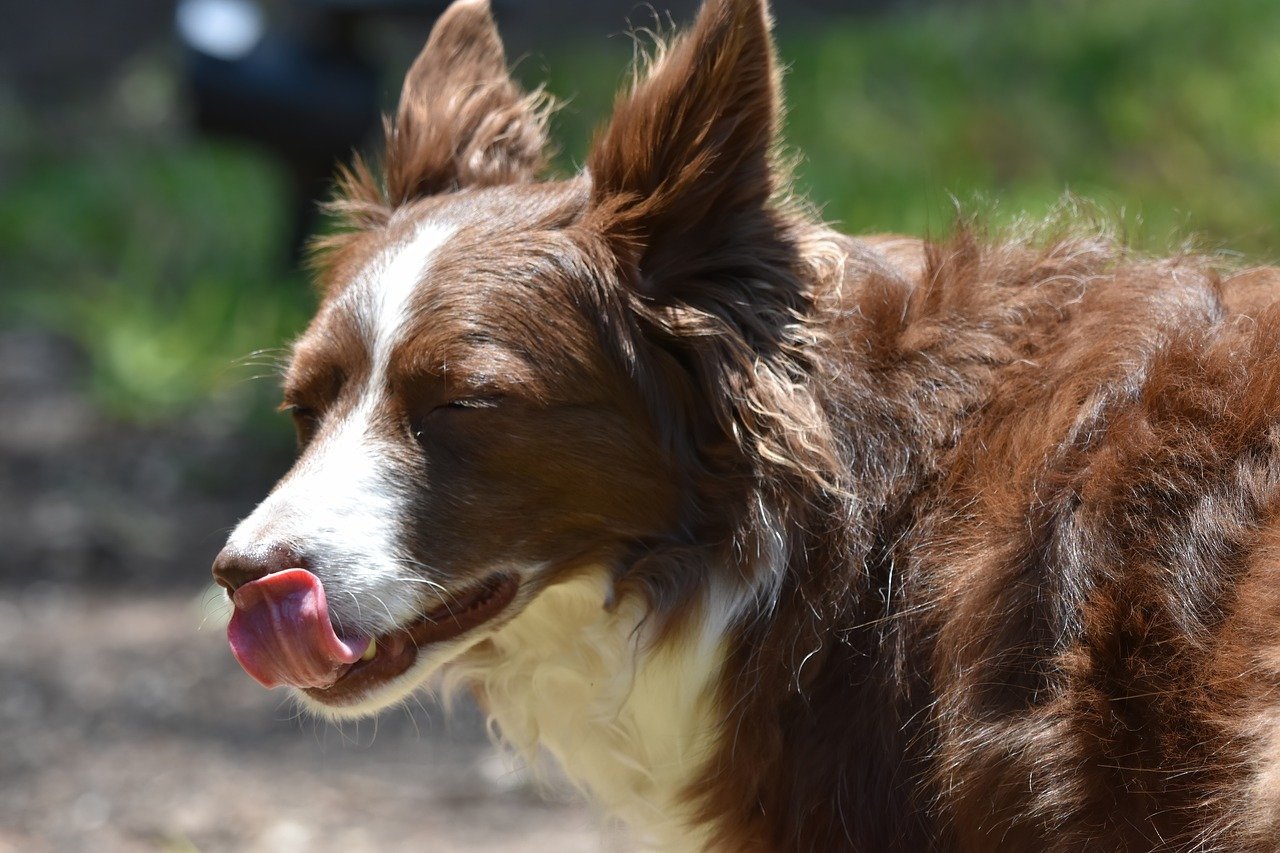
Dog kisses are a big part of canine affection. Licking is one of the first ways puppies learn to communicate, as their mothers clean and comfort them with gentle licks. When your dog licks you, they might be showing love, seeking attention, or even tasting a salty snack left on your skin.
Dogs also lick objects as a way to explore their environment—think of it as their version of reading the news. Some dogs lick excessively due to anxiety or boredom, so it’s important to watch for changes in this behavior. But for most dogs, licking is a healthy, normal part of bonding and exploring their world.
Why Do Dogs Sleep in Weird Positions?

Ever find your dog sprawled out on their back, paws in the air, or curled up like a furry donut? Dogs sleep in all sorts of positions, and each one can tell you a bit about how they’re feeling. Sleeping on their back with their belly exposed means they feel safe and relaxed, while curling up tightly conserves warmth and makes them feel secure.
Some dogs love to burrow under blankets, echoing the denning instinct from their wild ancestors. Others prefer to stretch out, taking up as much space as possible. As long as your dog seems comfortable and isn’t struggling to breathe, these quirky sleep positions are just another sign you’ve got a happy, content pup at home.
Many of the odd behaviors our dogs display—like tail-chasing, zoomies, or staring into space—are actually quite normal and often rooted in instinct, communication, or simple joy. Understanding these quirks helps us become more in tune with our pets and strengthens the human-canine bond. While some behaviors may warrant a closer look, most are just part of what makes your dog unique. Embracing these traits with curiosity and care allows you to respond thoughtfully and deepen your connection. After all, a little weirdness is part of the charm that makes dogs such lovable companions.


