
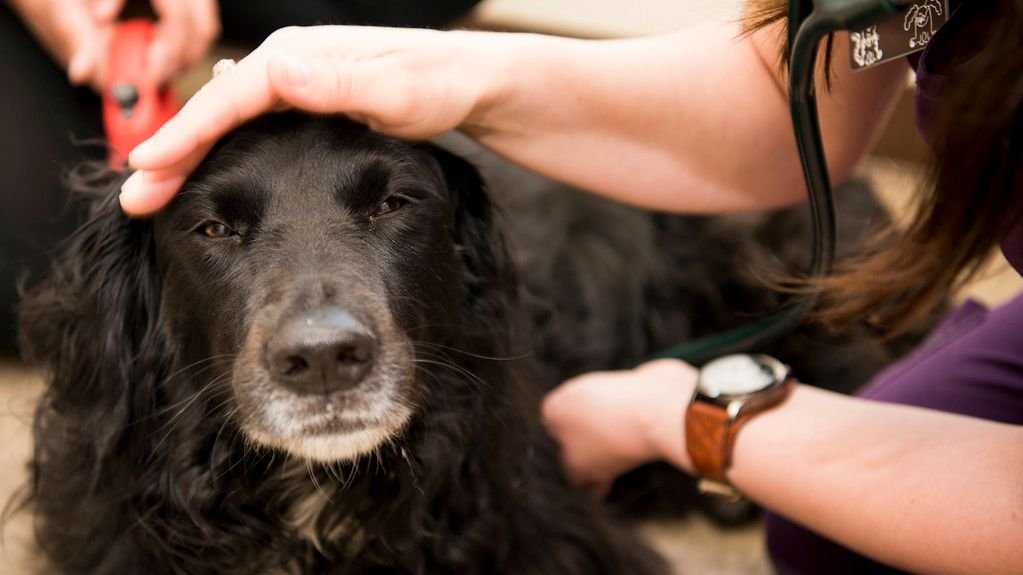
You’ve probably noticed it before you even see your pup. That familiar sound of paws thumping against fur, the relentless scratching at three in the morning, the licking that just won’t stop. Your heart sinks a little each time because you know what it means. Your dog is uncomfortable, maybe even miserable, and you’d do anything to help them feel better.
Here’s the thing. While we often jump straight to blaming food when our dogs start scratching, the truth is a bit more complicated. Food allergies definitely exist, but they’re not always the villain in this story. Sometimes the real culprit is hiding in plain sight, whether it’s the pollen drifting through your backyard or that sneaky flea your dog picked up at the park. Still, diet can absolutely play a role in your dog’s skin health, and understanding that connection might just be the key to finally giving your furry friend some relief.
The Real Story Behind Food Allergies in Dogs

Let’s be real for a second. Food allergies are actually less common than environmental allergies like pollen or dust, though they can cause itchy skin. In fact, only about 0.2% of dogs are truly affected by food allergies, though some estimates are higher.
When dogs do have genuine food allergies, it’s usually because their immune system has decided to throw a fit over something they’ve been eating for a while. Only proteins can trigger a true food allergy, which is why you’ll hear veterinarians talk so much about protein sources when dealing with itchy dogs.
Beef allergies occur most often in dogs, followed by dairy and poultry. Still, any dog can develop a reaction to virtually any ingredient they’ve consumed over time. The tricky part is that these allergies don’t usually show up overnight. Allergies often emerge when dogs are between one and three years of age, though they can appear later in life too.
How to Tell If Food Is the Problem

Picture your dog constantly chewing at their paws until they’re red and raw, or shaking their head because their ears are driving them crazy. Common allergy signs include itchy skin, scratching, licking, face rubbing, red skin, loss of fur, and recurrent skin and ear infections.
Unlike pets with seasonal allergies, dogs with food allergies tend to itch year-round and may not get much relief from anti-itch medications. That’s actually a pretty big clue right there. If your dog scratches constantly through every season, regardless of whether it’s spring or winter, food might be worth investigating.
However, timing matters. If a dog is itchy every year in the spring through fall and comfortable all winter, then they have an environmental allergy and not a food allergy. Sometimes the answer is right there in the pattern if you know what to look for.
Why Your Vet Might Suggest an Elimination Diet
I know it sounds crazy, but blood tests and skin tests for food allergies? They’re basically worthless. Many tests advertise they can identify food allergies through blood, saliva, and hair, but numerous studies have shown these tests are not accurate.
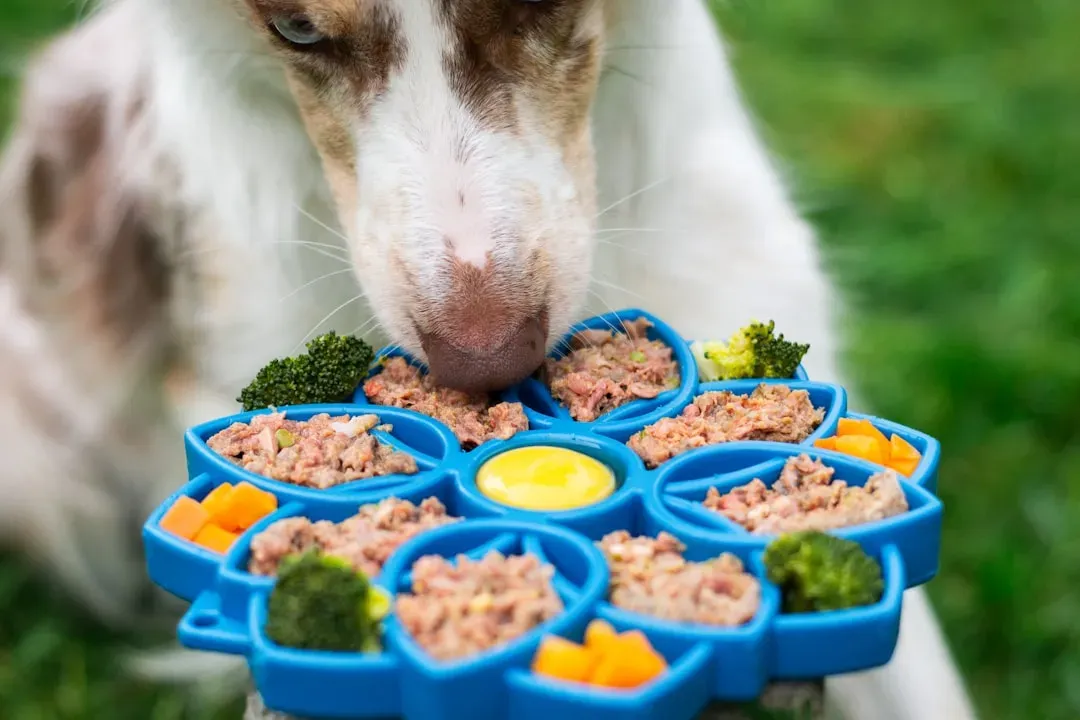
That’s where the elimination diet comes in. You eliminate all possible allergens from the diet until the allergic response goes away, then reintroduce allergens one at a time and watch for symptoms to flare up again. It’s tedious, honestly. It requires commitment.
The elimination diet is typically fed for at least eight weeks, although dogs with gastrointestinal signs usually improve sooner than dogs with skin signs. Some dogs show improvement within weeks, while others take the full duration of the trial. Patience is everything here.
Your veterinarian will likely recommend a novel protein diet, meaning a protein source your dog has never eaten before, or a hydrolyzed diet where proteins are broken down so small the immune system can’t recognize them.
The Challenge Phase and What Comes Next
So your dog’s skin has cleared up beautifully on the elimination diet. Now what? The last step is to challenge individual ingredients by adding small amounts of one ingredient at a time and watching for allergic responses.
This part can feel nerve-wracking. You’re essentially testing to see what makes your dog sick again. In food-allergic pets, clinical signs usually worsen within hours to two weeks after reintroducing the problematic food. If nothing happens after a couple of weeks, that ingredient gets the green light.
Once you identify specific problematic foods, avoidance is key to preventing future flare-ups. That means scrutinizing every treat, supplement, flavored medication, and even doggy toothpaste that goes into your pup’s mouth.
When It’s Not the Food After All
Here’s something that might surprise you. About 70% of canine skin conditions are allergy-related, and most of those are due to flea allergies or environmental allergens like pollen, mold, or dust mites. That’s a huge percentage that has absolutely nothing to do with what’s in their bowl.
It’s more common for dogs to have allergies caused by fleas and environmental factors, including pollen, grass, and dust. Sometimes the solution is as simple as year-round flea prevention or switching your household cleaners.
Up to 30% of food-allergic pets may have other allergies, such as flea allergy dermatitis or environmental allergies. Your dog could be dealing with multiple triggers at once, which makes the detective work even harder. This is why working closely with your vet is so important.
Supporting Your Dog’s Skin Health Through Nutrition

Even if food allergies aren’t the main issue, diet still plays a vital role in keeping your dog’s skin healthy. For food allergies affecting the skin, veterinarians might suggest fish oil or other omega-3 fatty acid supplements.
Think of omega-3s as natural skin soothers. They help reduce inflammation and support the skin’s barrier function. Quality matters too. Feeding a minimally processed diet with recognizable, whole-food ingredients can make a real difference for some dogs.
Honestly, good nutrition is one of those things that won’t fix everything, but it creates a foundation for better overall health. When your dog’s body is well-nourished, their skin is better equipped to handle whatever challenges come their way.
Conclusion

Watching your dog struggle with itchy, uncomfortable skin is heartbreaking. The good news is that you’re not powerless, even when the answers aren’t immediately clear. Whether the culprit turns out to be food, environmental allergens, or something else entirely, there are paths forward.
Remember that food allergies, while possible, are less common than we often think. Working with your veterinarian to rule out other causes first, and then potentially trying an elimination diet if needed, gives you the best chance of finding real, lasting relief for your pup. Your dog depends on you to be their advocate and detective, and that love and dedication you’re showing by seeking answers? That matters more than you know.
What’s been your experience with your dog’s itchy skin? Have you discovered any helpful solutions along the way?


