
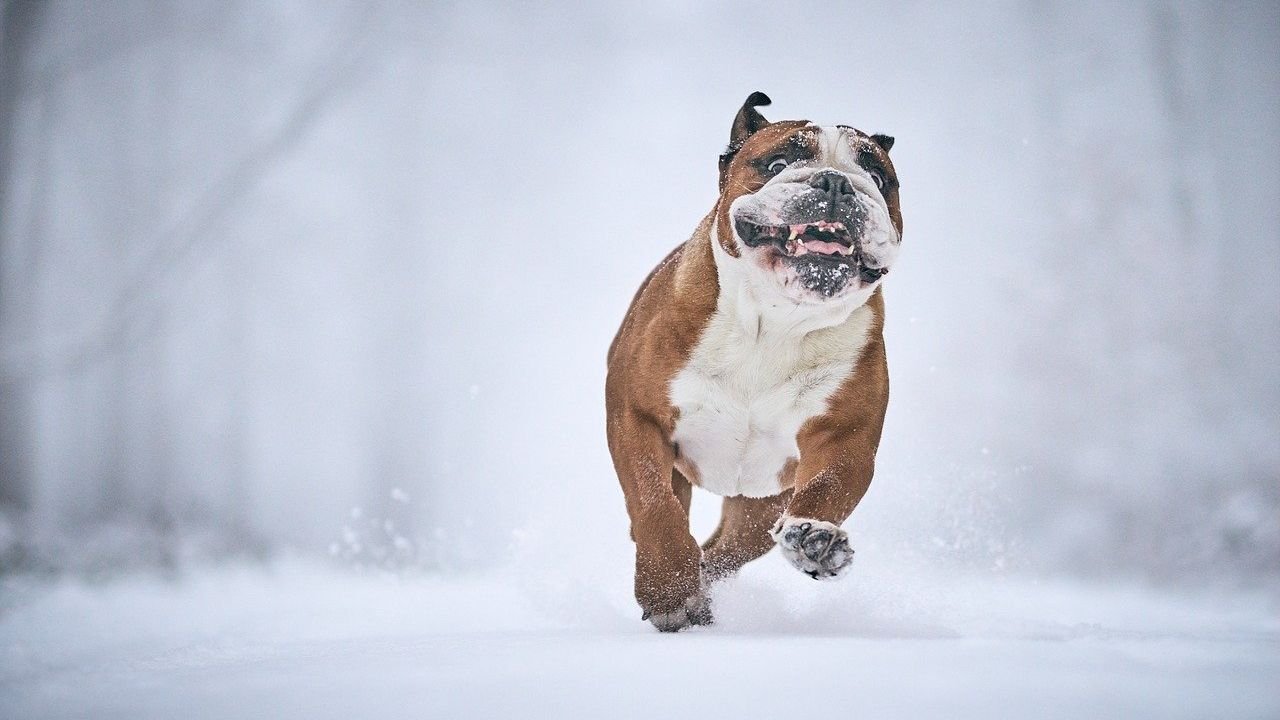
You bundle yourself in layers, grab your thickest scarf, and clip on the leash. Your dog stares at you with those eager eyes, ready for adventure. Yet something feels off today. The wind bites harder, and honestly, it’s been nagging at you: should you even go out?
Many pet owners face this winter dilemma, and it turns out your instincts might be spot on. Veterinarians across the country are warning that frigid temperatures can pose serious dangers to your four-legged companion, from frostbite on their paws to life-threatening hypothermia. The tricky part is knowing exactly when it’s too risky. Let’s explore what the experts say about keeping your pup safe when the mercury drops.
Understanding The Temperature Threshold For Safe Walking
Whenever temperatures drop below 32°F, it’s time to take precautions, and at 20°F or lower, even short walks can be risky, especially when factoring in the windchill. Think of it this way: if you’re uncomfortable outside with your winter coat, your dog probably feels the same discomfort despite their fur.
Once it gets to like in the forties and below, veterinarians don’t think it’s a good idea to keep dogs outside. Generally speaking, no dog should be taken out for a walk if the weather drops below 16°F, as they cannot withstand these below-freezing temperatures. The difference between these thresholds depends largely on your specific dog.
Cold should not become a problem for most dogs until the temperature falls below 45 F, at which point some cold-averse dogs might begin to feel uncomfortable. When temperatures drop under 32 F, small breed dogs, dogs with thin coats, or very young, old, or sick dogs could be in danger if they spend too much time outdoors. Remember to always factor in wind chill when making your decision.
You will probably need to shorten your dog’s walks in very cold weather to protect you both from weather-associated health risks. Quick bathroom breaks become the priority. Long, leisurely strolls can wait for warmer days.
Wind makes everything worse, by the way. Wind lowers the feel of the actual temperature outside. Always use the wind chill temperature when determining if it’s too cold to take your dog for a walk. That number on the thermometer doesn’t tell the whole story when icy gusts are cutting through fur.
Why Certain Dogs Face Greater Winter Risks
Just like people, pets’ cold tolerance can vary from pet to pet based on their coat, body fat stores, activity level, and health. Be aware of your pet’s tolerance for cold weather, and adjust accordingly. Not all dogs were created equal when it comes to handling winter weather.
Short-haired pets feel the cold faster because they have less protection, and short-legged pets may become cold faster because their bellies and bodies are more likely to come into contact with snow-covered ground. Imagine walking with your stomach dragging through icy snow. That’s the reality for Corgis, Basset Hounds, and similar low-riding breeds.
Small dogs have a larger surface area to volume ratio compared to big dogs, which means, they have a bigger surface to lose heat through and a smaller area “inside” to hold on to heat. Therefore, small dogs get colder faster than large dogs, all other things being equal. Physics isn’t kind to Chihuahuas and Yorkshire Terriers in January.
Pets with diabetes, heart disease, kidney disease, or hormonal imbalances (such as Cushing’s disease) may have a harder time regulating their body temperature, and may be more susceptible to problems from temperature extremes. The same goes for very young and very old pets. Senior dogs and puppies simply struggle more to maintain their internal furnace.
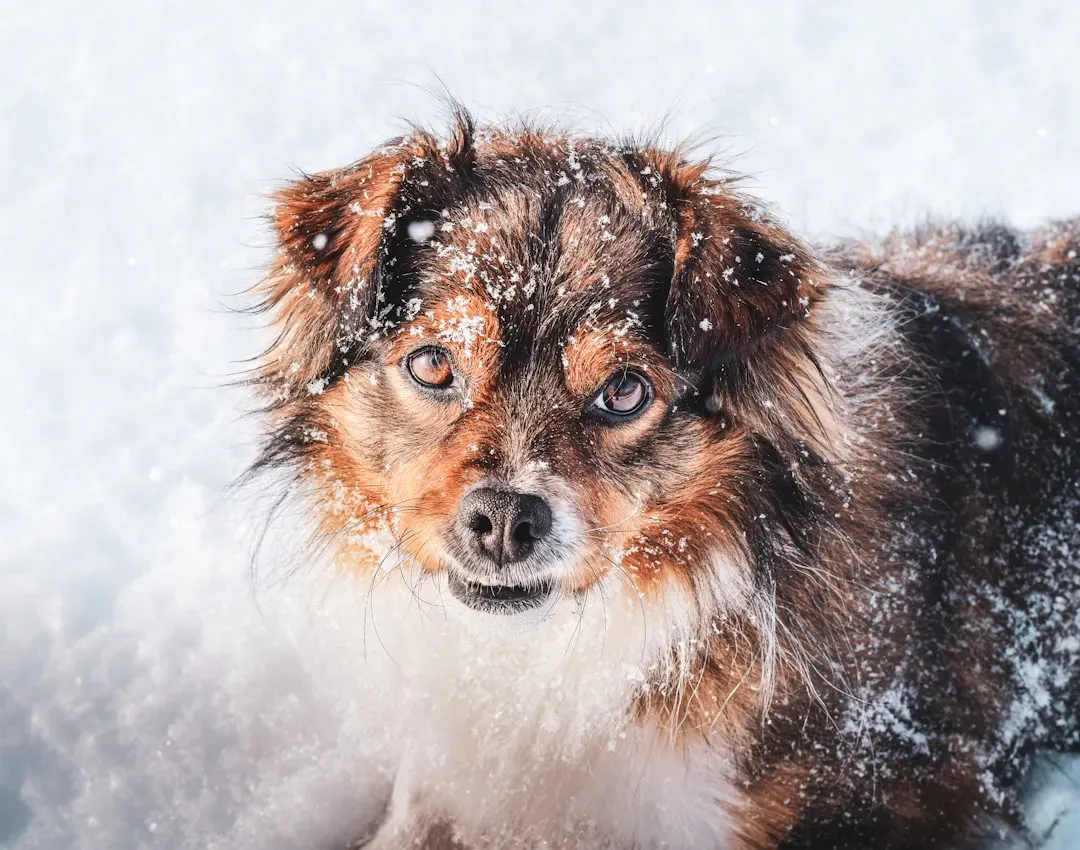
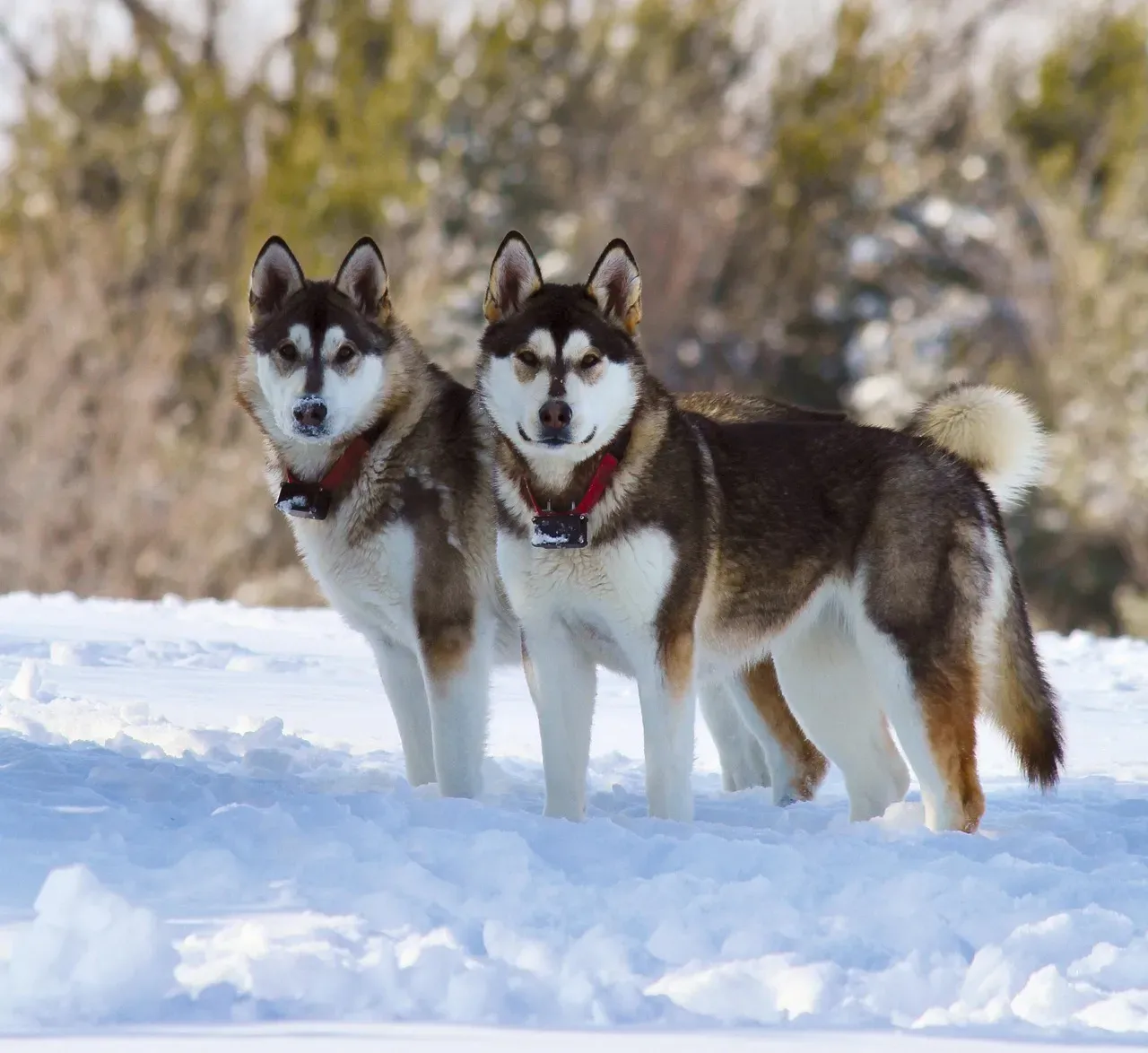
Long-haired or thick-coated dogs tend to be more cold-tolerant, but are still at risk in cold weather. Even your fluffy Husky has limits, though they’ll probably outlast you in a snowstorm. It’s hard to say for sure, but breed really matters when assessing risk.
Recognizing The Warning Signs Of Hypothermia And Frostbite
Prolonged exposure can lead to hypothermia and frostbite. Warning signs like shivering, lethargy, and weakness should never be ignored. Your dog won’t tell you they’re freezing with words, so you need to watch their behavior closely.
If your pet is whining, shivering, seems anxious, slows down or stops moving, seems weak, or starts looking for warm places to burrow, get them back inside quickly because they are showing signs of hypothermia. These aren’t subtle hints. When you see these symptoms, the walk is over.
The clinical signs associated with frostbite include: discoloration of the affected area of skin – often pale, gray or bluish, coldness and brittleness of the area when touched. Frostbite is most likely to happen in body parts farthest from the heart and in tissues with a lot of exposed surface area. The paws, ears, and tail are the most common tissues to be affected. If a dog is wet or damp, these areas are more vulnerable to frostbite.
Here’s the thing: Frostbite is harder to detect, and may not be fully recognized until a few days after the damage is done. You might not realize your dog has been injured until tissue damage becomes visible. A dog can start developing frostbite in as little as 30 minutes. That’s frighteningly fast.
When exposed to frigid temperatures for too long, dogs can develop serious health issues, with hypothermia being the most significant risk. Hypothermia occurs when a dog’s body temperature drops below its normal range. This isn’t just discomfort anymore. It’s a genuine medical emergency that requires immediate veterinary attention.
Protecting Your Dog’s Paws From Winter Hazards
Check your dog’s paws frequently for signs of cold-weather injury or damage, such as cracked or bleeding paw pads. During a walk, a sudden lameness may be due to an injury or may be due to ice accumulation between his/her toes. Paw care becomes critical when temperatures plunge.
Paws are one of the areas of your dog’s body that aren’t protected by fur, so during winter, they are vulnerable to cold and wet conditions. Exposure to cold air, rain, snow, and ice can cause chapped paws, dry and itchy skin, and frostbite in extreme temperatures. Those tender paw pads weren’t designed for walking on ice and road salt.
Salt and other de-icers used on the roads can irritate paws, and if ingested, cause ulcerations or irritation to the mouth and digestive tract. During walks, your dog’s feet, legs and belly may pick up de-icing products, antifreeze, or other chemicals that could be toxic. When you get back inside, wipe down (or wash) your pet’s feet, legs and belly to remove these chemicals and reduce the risk that your dog will be poisoned after they lick them off.
Some pet owners also use booties to protect their dog’s feet; if you choose to use them, make sure they fit properly. And if it’s super rainy and cold or on those rare snowy days, booties for sure. They might look silly, but protective footwear makes a real difference for vulnerable paws.
You may be able to reduce the chance of iceball accumulation by clipping the hair between your dog’s toes. This simple grooming step prevents painful ice clumps from forming between paw pads during winter walks. Trimming takes just minutes but saves your dog significant discomfort.
Winter Walking Strategies And Protective Gear
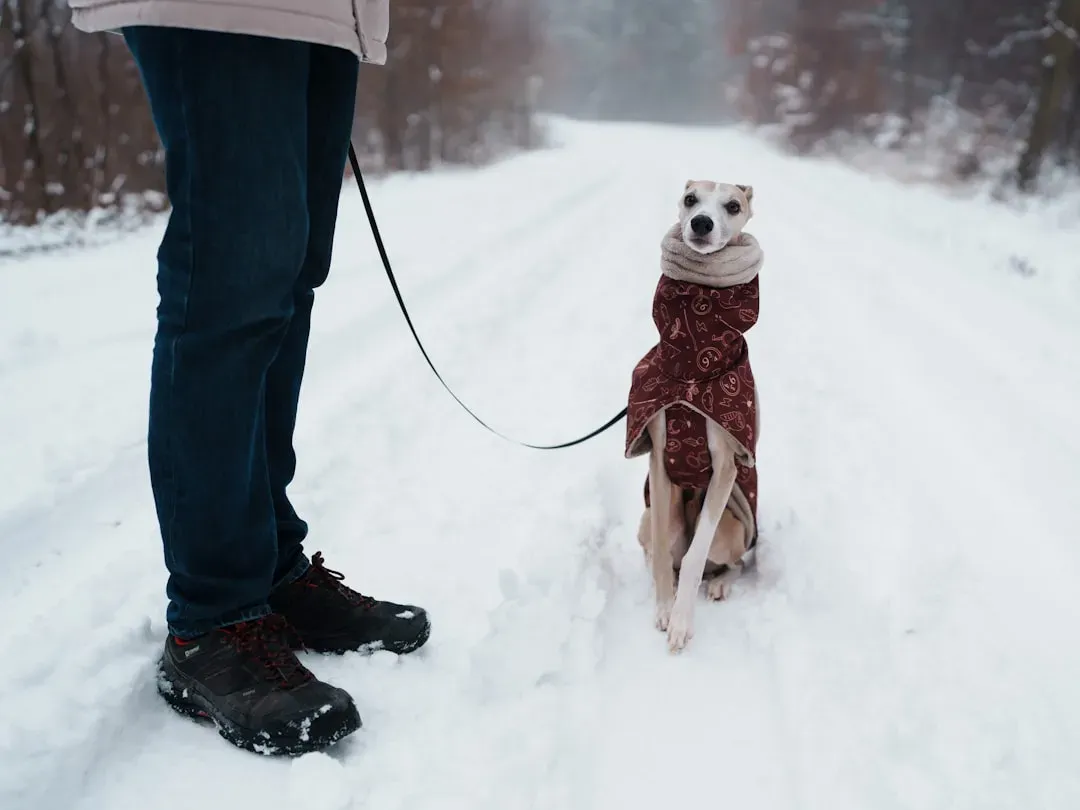
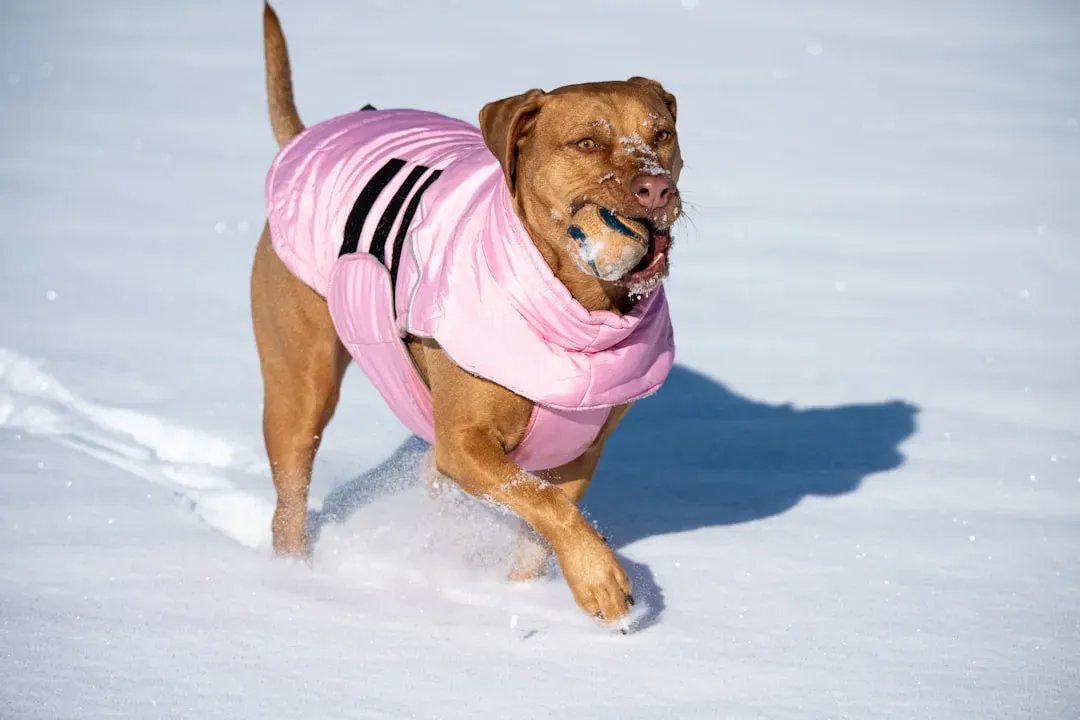
If your dog has a short coat or seems bothered by the cold weather, consider a sweater or dog coat. Have several on hand, so you can use a dry sweater or coat each time your dog goes outside. Wet sweaters or coats can actually make your dog colder. Moisture is the enemy when temperatures drop.
Most healthy medium or large dogs with thick coats can take a 30-minute walk when temperatures are above 20°F. Small dogs or dogs with thin coats start to become uncomfortable in temperatures below 45°F. Consider limiting walks to 15 minutes for these dogs when temps fall below freezing. Time limits matter as much as temperature readings.
Monitor your pet closely when outside and limit their time, for example, in extremely cold temperatures, take short, frequent walks with your dog rather than long excursions. Large breeds can walk in -6°C for about 30 minutes, while smaller breeds should be limited to walks of fewer than 20 minutes in freezing temperatures. Breaking up exercise into multiple brief outings helps maintain fitness without risking cold exposure.
Limit walks to 5 to 10 minutes when it’s below 20°F, and protect your dog with a coat and booties. Quick potty breaks become the norm during severe cold snaps. Let’s be real: your dog probably doesn’t want to linger outside in that weather anyway.
As the temperatures drop, plan for shorter, more frequent walks rather than one long-distance hike daily. Keep walks short when temps are below freezing. Try to take ‘exercise walks’ during the warmest part of day, and limit morning and evening outings to relief walks. Midday sunshine provides that extra bit of warmth that makes venturing outside safer.
What To Do When It’s Too Cold To Walk Your Dog
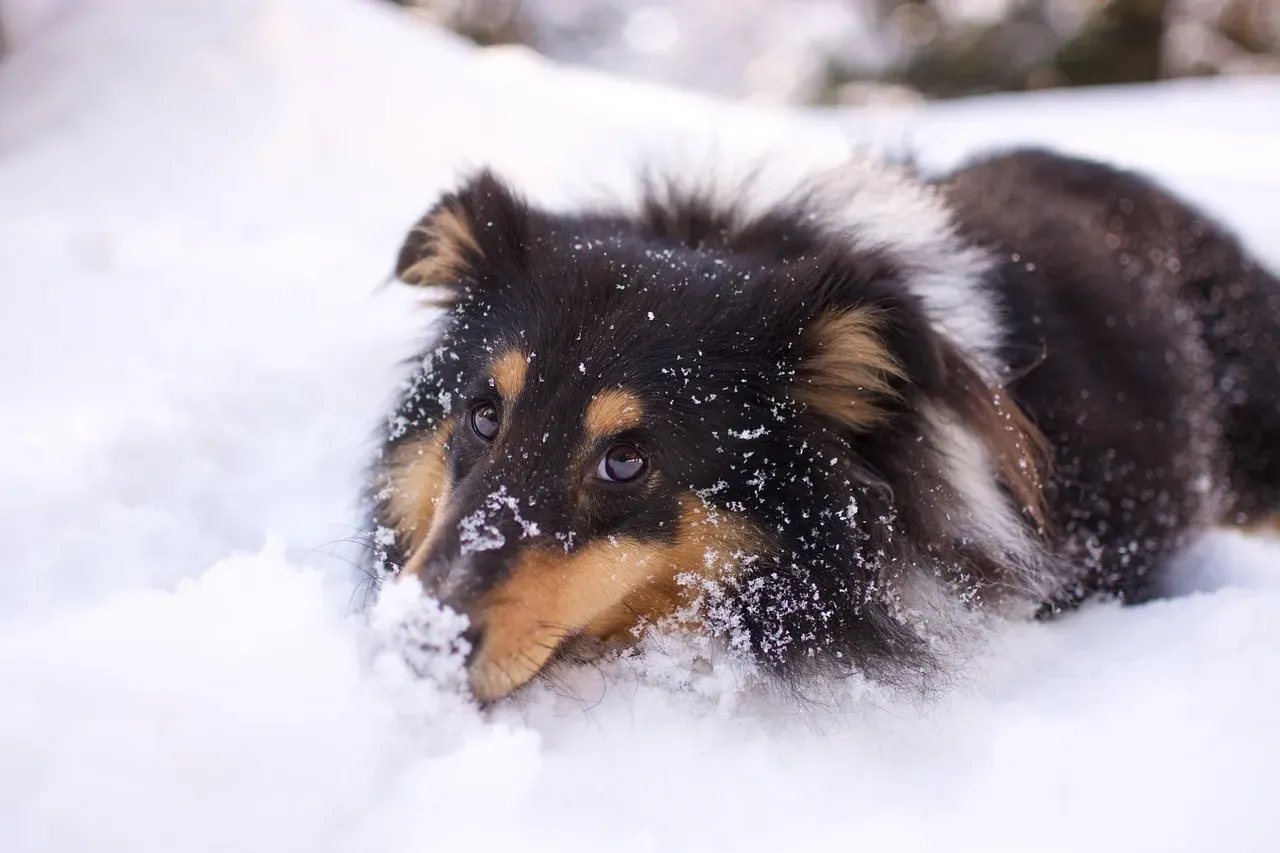
If it’s too cold for you to tolerate being outside wearing a winter coat and hat, it’s probably too cold for your dog as well. In extreme cold, limit walks to bathroom breaks and make up for it with some indoor exercise like tug-of-war and enrichment activities. Your dog still needs mental and physical stimulation even when weather forces you inside.
Avoid forcing your pet to go outside if they really don’t want to on those bitterly cold days, let them go to the loo in the garden, and play some indoor activities instead. Sometimes a quick backyard bathroom break beats a full walk. Your dog’s reluctance to venture out tells you something important.
You could try taking your dog for a quick walk during the warmest part of the day, and only let them out for very brief, supervised bathroom breaks. If your dog is hesitant to go in the snow, you may have to shovel a small path for them. A cleared path makes everything easier for reluctant dogs.
Cold weather may worsen some medical conditions such as arthritis. Your pet should be examined by a veterinarian at least once a year, and it’s as good a time as any to get them checked out to make sure they are ready and as healthy as possible for cold weather. Winter wellness checks help identify dogs who need extra precautions.
Honestly, we sometimes underestimate how much weather affects our pets. They depend on us to make smart choices about their safety. What seems like a bearable temperature to you might be dangerous for your Boston Terrier or aging Labrador.
Winter walks require more planning than simply grabbing the leash. Pay attention to temperature thresholds, watch for warning signs, protect those vulnerable paws, and adjust your routine when conditions become too harsh. Your dog trusts you to keep them safe, even when they’re excitedly wagging their tail at the door. Sometimes the best decision is staying inside where it’s warm, playing indoor games, and waiting for friendlier weather. What’s your cold weather threshold for walking your dog? We’d love to hear your winter walking strategies.


