
Picture this. You walk through the front door after a long, exhausting day, and before you’ve even set your bag down, there’s a creature who looks at you like you personally hung the moon. Spinning, wiggling, nudging, sighing. Your dog doesn’t need words. Honestly, they’ve never needed them.
Most of us have been taught to read our dog’s love through a single, iconic gesture: the tail wag. Sweet, yes. Complete picture? Absolutely not. Your dog speaks an entire language with their body, and once you start to understand it, it changes everything about how you see them.
There’s real science behind all those wiggles and gazes. There are moments of trust, vulnerability, and quiet devotion happening every single day in your home that you might be walking right past. So let’s change that. Let’s dive in.
The Tail Wag Is Just the Opening Line
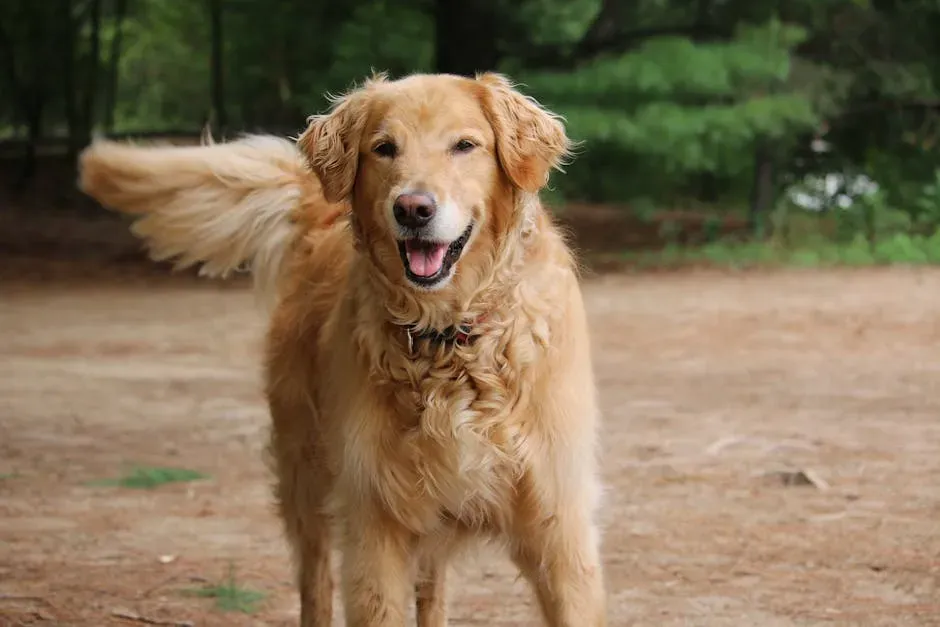
Here’s the thing most people get wrong: a wagging tail is not a universal green light for happiness. Tail wags are complicated and complex, and not all tail wags are alike. The rate at which a tail moves contributes to the dog’s communication, as does the position of the tail while wagging. Think of it like tone of voice in a text message. The same words can mean wildly different things depending on how they’re delivered.
Studies show that dogs wag their tails to the right when they are happy or confident, and to the left when they are frightened. The left side of the brain controls movement on the right side of the body and vice versa, so the left brain is engaged when the tail wags to the right. Since the left side of the brain is associated with positive feelings like love and serenity, a happy dog wags his tail to the right. I know it sounds almost too precise, but this has been replicated across multiple studies. Pretty remarkable stuff.
The wag that truly screams “I adore you” is what experts call a circle wag or helicopter tail. The circle wag is a tail movement where the tail rotates at the base with the tip moving in a broad circle, typically indicating a happy and friendly dog. Generally, the more the wag encompasses the whole body, the friendlier the dog’s intentions. The full body tail wag that extends from the shoulders through the belly to the hips and the tail is the classic friendly tail wag. That’s your dog doing a full-body happy dance. For you.
On the flip side, be aware of red flags hiding in plain sight. A dog who is aggressive, overly excited, or anticipating a fight may hold their tail directly upright, and their wag may be very fast and stiff, almost like a rattlesnake tail movement, rather than a full-swing tail wag. Learning the difference protects both your dog and everyone around them.
Eyes, Ears, and That Melting Puppy Face
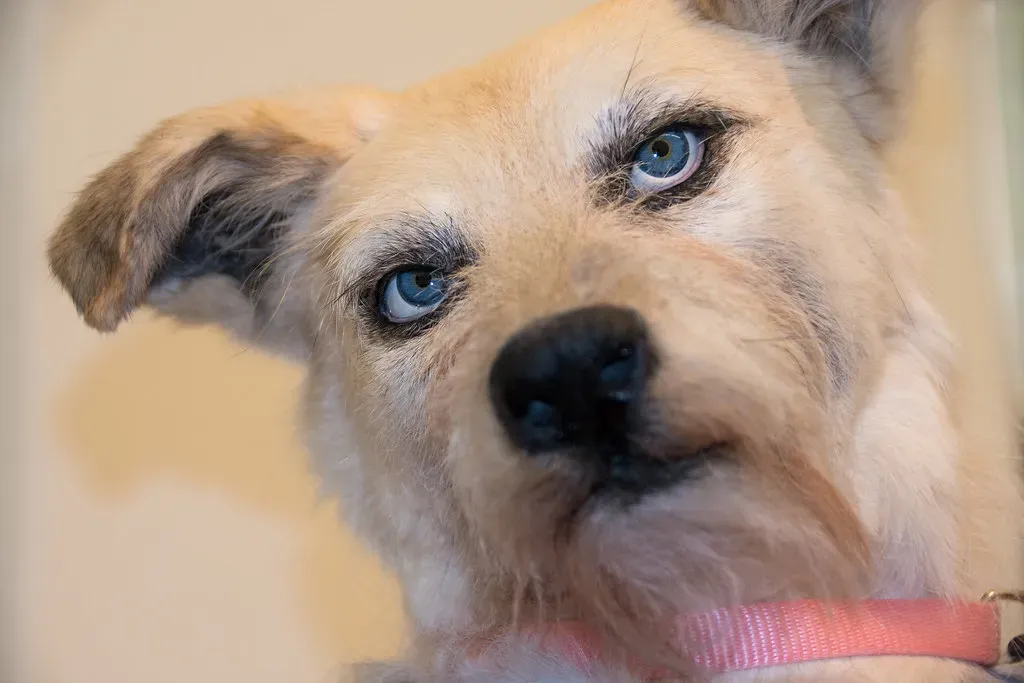
Your dog’s face is doing far more work than you realize. Dogs make more facial expressions when their human is paying attention, suggesting that these expressions are deliberate attempts at communication. The most notable is the canine smile, a sign of a happy pup. Let that sink in. They’re performing for you on purpose.
According to a study published in the journal Proceedings of the National Academy of Sciences, dogs have evolved a special eye muscle to better communicate with humans. They are able to move their eyebrows and make that sad, sweet puppy dog face that tugs at our heartstrings. This is evolution doing its most adorable work. Your dog literally developed a special facial feature just to connect with you more deeply.
Then there’s the power of the loving gaze. If your dog is making eye contact with you, blinking, and maintaining a calm and relaxed demeanor, they are trying to express their love to you. Research shows that when dogs and their owners lock eyes, both experience a spike in oxytocin, the “bonding hormone,” which shows trust and affection between you two. It’s essentially the same biological rush a mother feels gazing at her newborn. Extraordinary.
However, context is everything here. It’s important to recognize their body language in conjunction with any of these signals. If your dog is making eye contact with you, not blinking, and looking stressed or agitated, there’s a chance they’re uncomfortable and trying to tell you something else. Soft, relaxed eyes equal love. Hard, unblinking stares can mean something very different.
The Lean, the Nudge, and the Full-Body Press
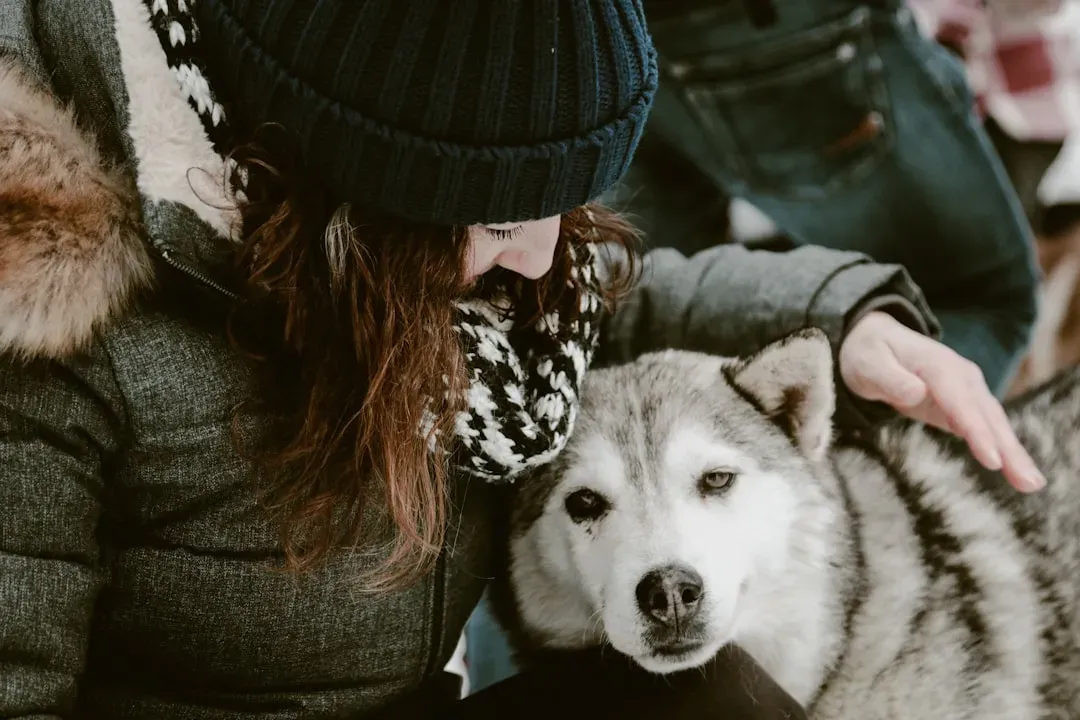
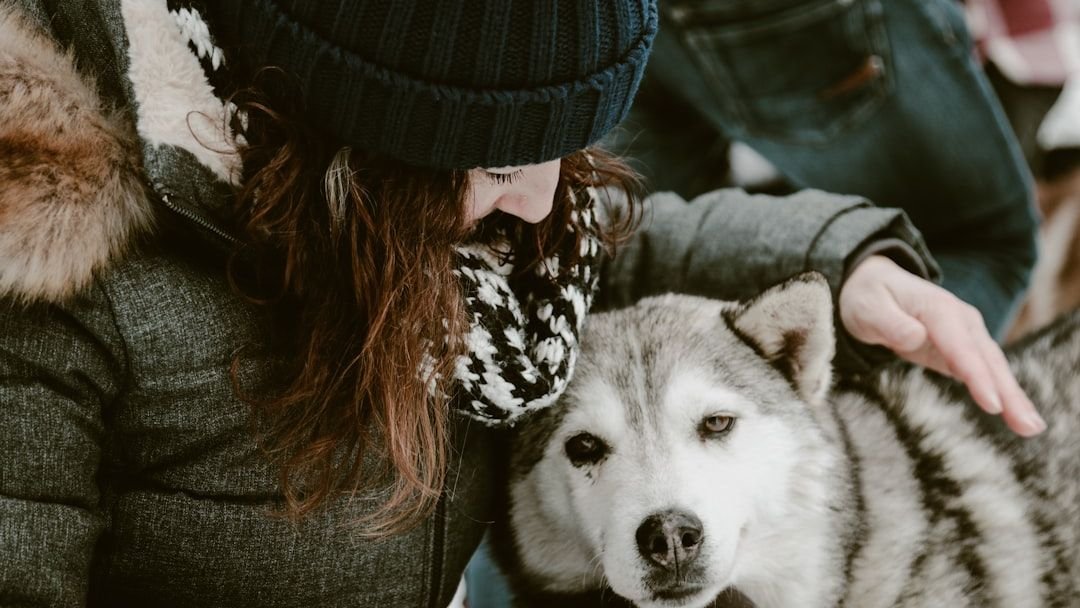
Ever had your dog just walk up and lean their entire weight into your legs? That quiet, gentle press is one of the most underrated love signals in the canine world. When your dog leans their weight into you, it’s not accidental. Dogs only do this with people they feel safe with. It’s a quiet way of saying, “I trust you.” It’s the kind of trust that can’t be faked or trained. It just happens, when the bond is real.
They press their side, head, or whole body into you and just stay there. This kind of contact helps dogs feel grounded and calm. Your presence regulates their nervous system, even if you’re not actively petting them. Think about that. You don’t even have to do anything. Simply being there is enough to make your dog feel whole.
Physical touch in all its forms is a primary love language for dogs. Physical touch is a natural way for dogs to show their love. This can come in many forms, including leaning up against you, laying on you, nudging you for pets and attention, licking you, and snuggling with you. As the beloved leader of their pack, your touch and affection brings them great comfort and happiness.
What’s even more touching is that this physical connection isn’t always about what your dog needs from you. Dogs are very intuitive, so their desire for physical touch may not always be about their own wants or needs. When they nudge you for attention, you may think they simply want some physical affection, but if you are sad or distressed, your dog may pick up on this. Nudging you and wanting to be close to you to help comfort you while you’re upset shows how much they love and care for you. They feel your pain. They just want to fix it.
Shadows, Sighs, and Sleeping Arrangements
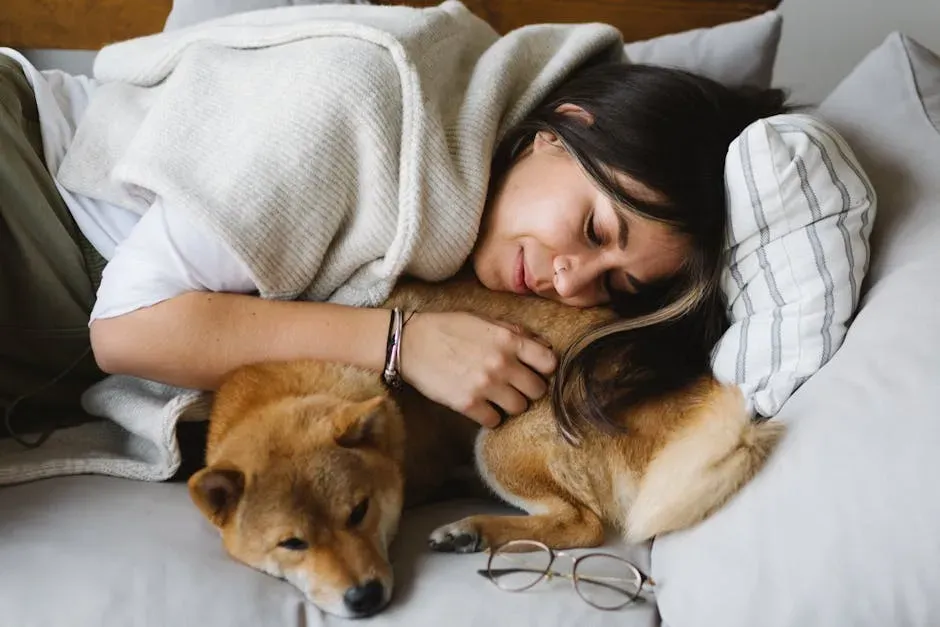
If your dog follows you to the kitchen, to the bathroom, and back again without hesitation, you might laugh it off as clinginess. Honestly, though, it’s one of the sweetest forms of devotion a dog can show. If your dog follows you everywhere, you name it, they’re saying “you’re my safe place.” Shadowing is a sign of trust and attachment, not clinginess. Many dogs simply feel happiest being wherever their person is.
Studies have found that dogs stick closer to their owners than to other people, which is a strong sign that they feel safe, bonded, and emotionally connected to you. It’s not about food. It’s not about walks. Dogs don’t waste energy hanging around people they don’t feel attached to. Choosing your company during quiet moments shows genuine affection. You might notice them lying at your feet, sitting nearby while you work, or curling up close without asking for attention.
And bedtime? That’s a whole love story of its own. Sleeping next to you or up against you is a sign that they consider you a packmate, signaling their loyalty to you. Other positions, such as sleeping between your legs, can mean they seek comfort from you as you make them feel more secure and safe. Whether they’re draped across your feet or curled against your back, they chose to be there. That’s intentional.
Even the sounds they make while settling in tell a story. Has your dog ever let out a big sigh after they got really cozy next to you? Soft vocalizations, like sighs and groans, are signs of contentment in dogs. When you hear your furry buddy do that, it means they’re happy. That long exhale right after they snuggle in? Pure love, no translation needed.
Gifts, Zoomies, and the Emotional Sync You Didn’t Know Was Happening

When your dog drops a slobbery toy in your lap, I get it, your first instinct might not be to feel flattered. But you absolutely should. You know your dog loves you if they bring you their favorite toy. This behavior is an invitation to play and a sign of affection. It shows they trust you with their prized possessions, and they enjoy spending time with you. Sharing what’s precious to them? That’s a profoundly loving gesture, whatever the species.
Then there are the zoomies. Those wild, unpredictable sprints around the living room that feel like pure chaos. Those bursts of energy, known as zoomies (technically called FRAPs: Frenetic Random Activity Periods), are another form of joyful affection. Zoomies aren’t just about burning off energy. When directed at you, they’re your dog’s way of saying “I’m so happy you’re here, I can’t contain myself!” Embrace the chaos. It’s a compliment.
Perhaps the most quietly profound sign of all is emotional synchrony. Dogs are incredibly in tune with your moods and emotions. Because of this, emotional contagion, the tendency to reflect the feelings or behaviors of someone you’re close to, can also show up in dogs. For example, if they yawn when you yawn, it can be a sign that you’re emotionally connected. Your dog is literally mirroring your inner world. That’s a kind of closeness most humans spend their whole lives searching for.
The science behind all of this is genuinely moving. Studies from the Journal of Neuroscience show that interactions with beloved humans activate a dog’s caudate nucleus, the part of the brain associated with positive emotions. You aren’t imagining it. You light up your dog’s brain. Every single time.
A Final Thought Worth Sitting With
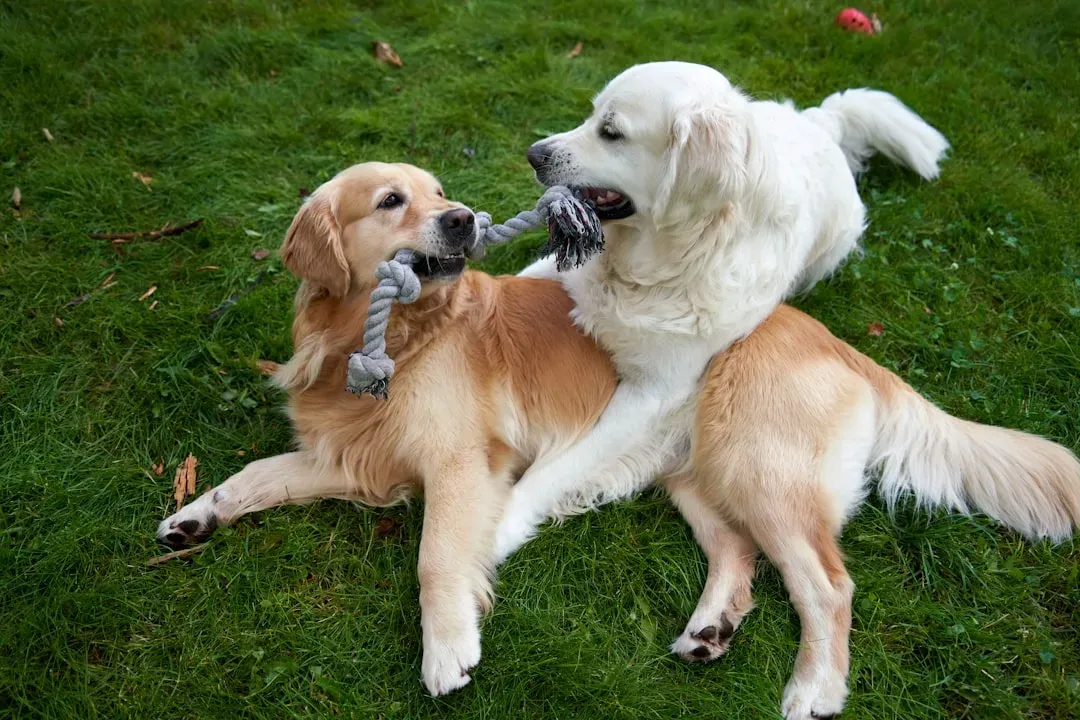
Your dog doesn’t have the words. They never will. Yet every single day, they are communicating love through their posture, their gaze, their sighs, their silly sprints, and their quiet presence beside you on the couch. It’s essential to look at the entire body, not just the tail. Soft eyes, a relaxed face, and a wiggly body probably mean happy. Tense posture, a stiff tail, and a tight mouth probably mean uncomfortable. The more you learn to read them, the richer that relationship becomes.
Some dogs seek closeness, others prefer to show affection through play, shared routines, or quiet companionship. Paying attention to your dog’s signals and responding with empathy builds a bond based on understanding and respect, not assumptions. Every dog has their own love language, and learning yours is one of the most rewarding things you’ll ever do.
The tail wag was never the whole story. It was just the opening chapter of something much bigger, much deeper, and honestly much more beautiful than most of us realize. Your dog’s whole body has been telling you “I love you” all along. You just needed to know how to listen.
What does your dog do that makes you feel most loved? Tell us in the comments – we’d genuinely love to hear it.


