

You know that look your dog gives you when you reach for the leash? That full-body wiggle, the barely contained excitement, the sheer joy radiating from every inch of their being. It’s tempting to think it’s just about getting outside to stretch their legs. The truth is far more layered than that.
Daily walks aren’t simply a bathroom break or a quick exercise session. They’re a lifeline to your dog’s physical health, mental clarity, emotional balance, and even their social skills. When we skip walks or rush through them, we’re not just shortening their exercise time. We’re cutting them off from the world they’re wired to explore.
Let me be honest here. I’ve seen dogs who haven’t had proper outings. They’re anxious, restless, sometimes destructive. Their owners often describe them as “bad” or “difficult.” Yet the moment these same dogs get consistent daily walks, something shifts. Suddenly they’re calmer at home, more focused, easier to live with. It’s not magic. It’s biology.
Physical Health Begins at the End of a Leash
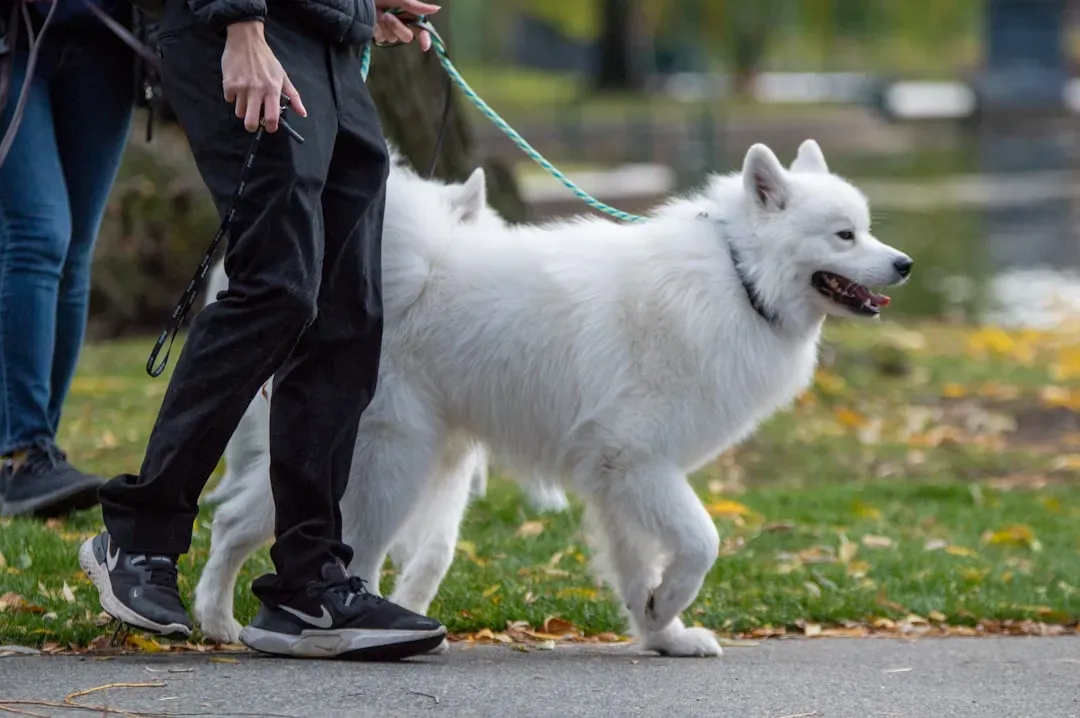
Some researchers found that roughly three out of five dogs in the United States are overweight or obese, and this isn’t just about aesthetics. Extra weight puts strain on joints, hearts, and organs. Dogs weren’t designed to lounge on couches all day.
Daily walks help boost cardiovascular health for dogs, strengthening the heart, improving circulation, and lowering blood pressure. Think of it like this: every walk is a mini insurance policy against future vet bills. Regular movement keeps muscles toned, joints flexible, and helps maintain a healthy weight.
Walking helps promote urinary health too, since regularly emptying the bladder helps prevent uncomfortable and potentially dangerous infections from starting. When dogs hold urine for too long, bacteria can multiply. Simple walks throughout the day keep their system flushed and functioning.
The Mental Gym Your Dog Desperately Needs
Here’s something that surprised me when I first learned it. Mental exercises can actually make dogs even more tired than physical exercise. A bored dog isn’t just unhappy. They’re suffering in a very real way.
Regular walks provide mental stimulation, allowing dogs to explore their environment, interact with other animals, and engage their senses, and without this stimulation, dogs can become anxious, depressed, or even aggressive. Every walk is like reading a newspaper for your dog. They’re gathering information through scent, sight, and sound.
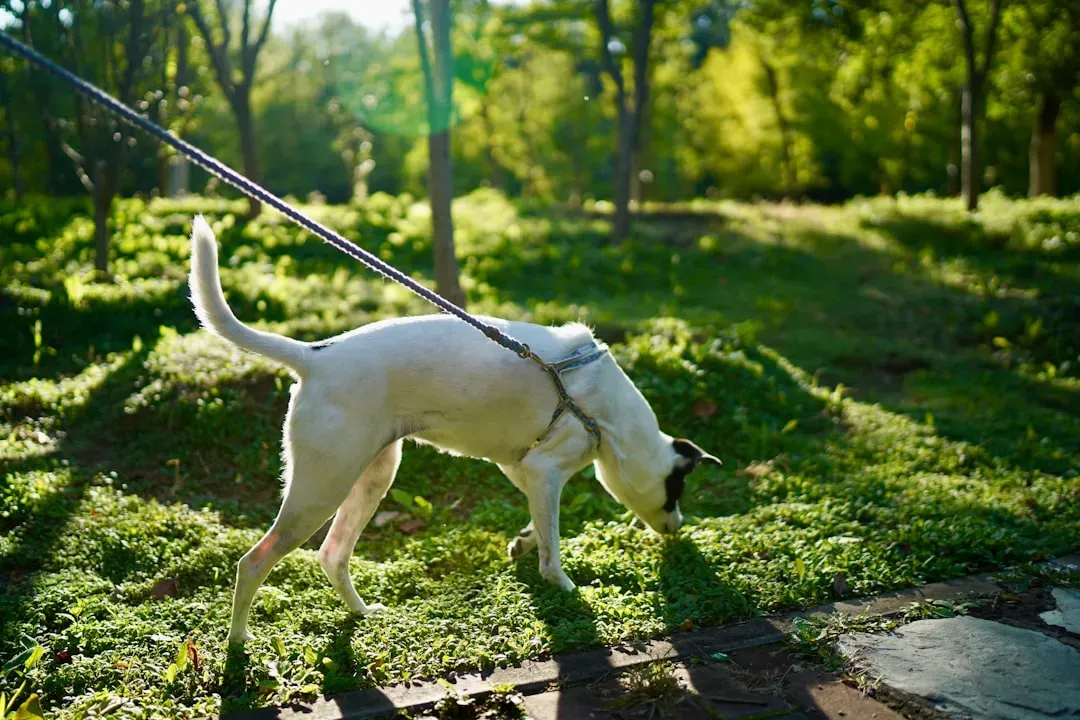
Sniffing during walks is a vital form of mental stimulation that engages their brain and satisfies natural instincts, making walks more enriching and fulfilling. When you let your dog pause to sniff that fire hydrant or patch of grass, they’re not wasting time. They’re feeding their mind. That’s why rushing through walks defeats half the purpose.
Behavior Problems Vanish When Paws Hit Pavement
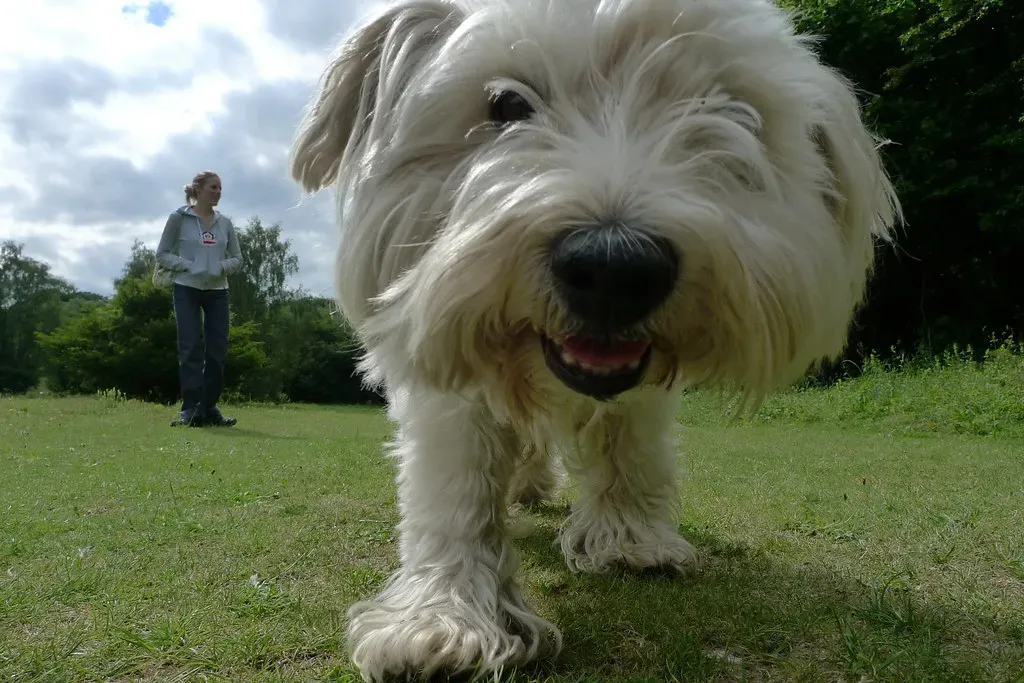
Let’s be real. Behavioral problems, especially destructive behavior, are commonly a result of not getting enough exercise, as many dogs become bored and frustrated if they don’t get enough outdoor exercise and mental stimulation. That chewed-up couch cushion? The endless barking? The digging in the yard? These aren’t signs of a bad dog.
Dogs struggling with destructive behavior at home might find the solution as simple as going on a walk, since dogs often turn to bad behavior when they’re not mentally stimulated, have excess energy to burn, or want attention. I know it sounds almost too easy. Yet time after time, it works.
Games like fetch or tug, sniffing walks, or puzzle toys can help fulfill dogs’ biological needs and reduce excess energy, because a fulfilled dog is a well-behaved dog. The pattern is clear. Dogs who get regular outings channel their energy appropriately. Dogs who don’t will find inappropriate outlets.
Building Confidence Through Social Exposure
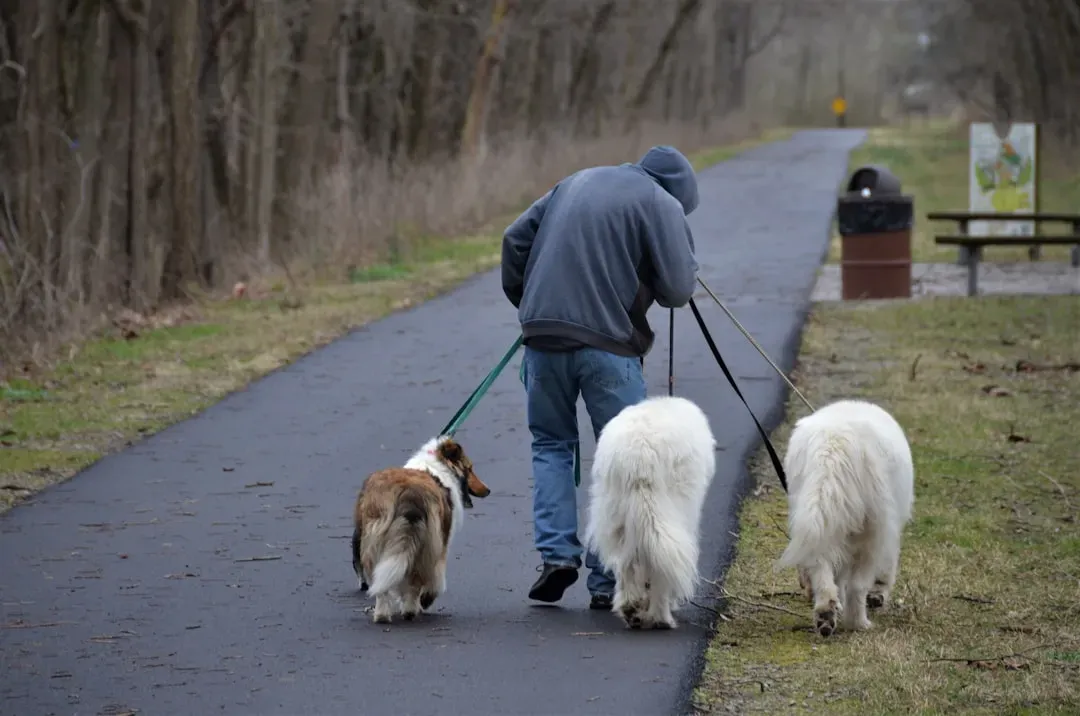
Walking is an essential part of dogs’ socialization, allowing them to interact with other dogs and people, which is crucial for developing good social skills, as dogs not regularly walked may become fearful or aggressive towards other animals and humans. Every person you pass, every dog you encounter, every car that drives by becomes a learning opportunity.
Getting your dog out on daily walks helps socialize them, teaching the appropriate way to interact with other people or animals, which makes a better-behaved dog. Think about how children learn social skills. Dogs are remarkably similar in this regard.
The world can seem scary to a dog who rarely experiences it. Socialization through walks builds resilience. Your dog learns that joggers aren’t threats, that bicycles are just passing objects, that the mail carrier is simply doing their job. These lessons stick.
The Emotional Bond That Deepens Step by Step
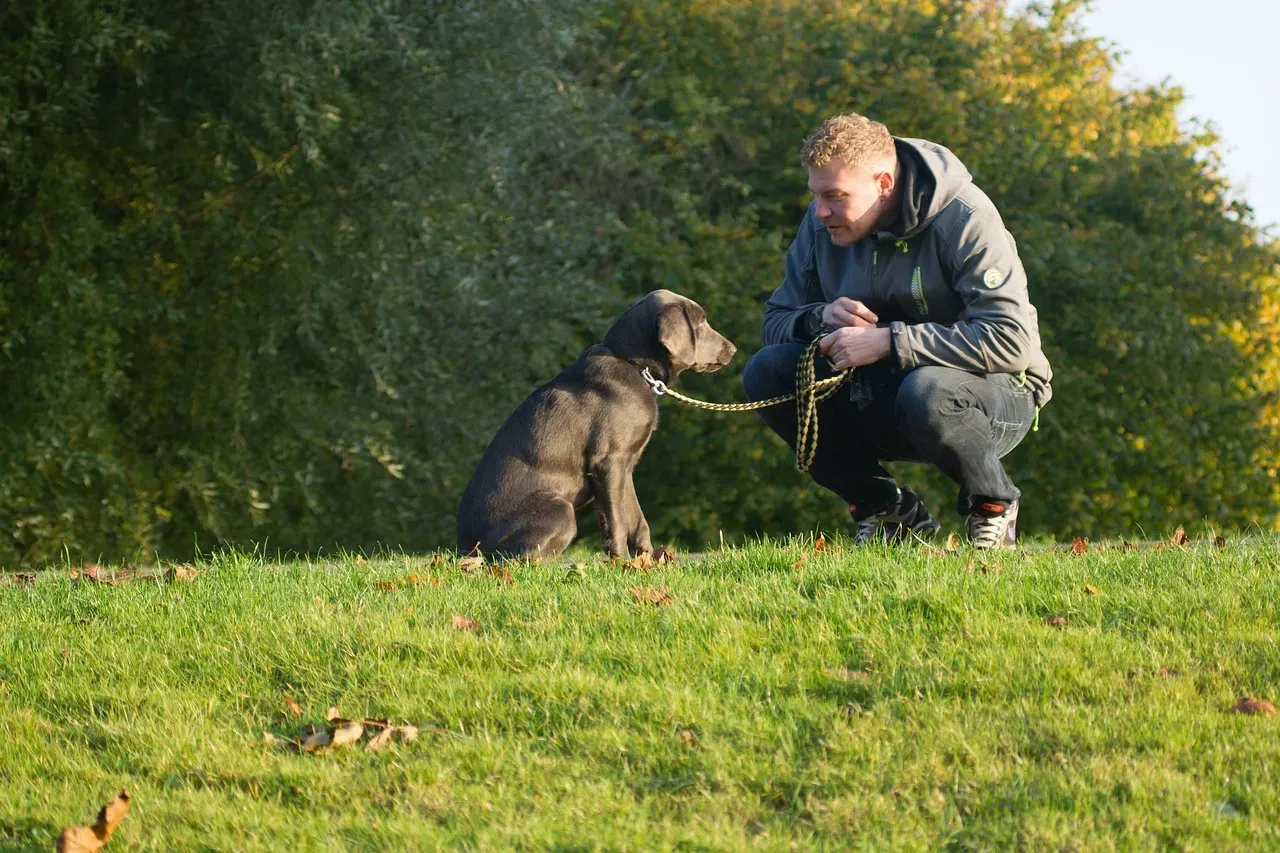
Research found that dog owners framed dog walking as primarily for their pet, but they also represented their dog’s needs in a way which aligned with their own, and wrote about the positive effects of walking their dog and feeling happy because of it. There’s something profound about this shared experience.
Walking isn’t just about exercise but an opportunity to bond with your pet, as regular walks help build trust and strengthen the relationship, making your dog feel more secure and loved. You’re not distracted by your phone or the television. You’re present, together, moving through the world as a team.
Research shows that the dog-owner relationship can be really strong and that dog walking intensifies this bond. I’ve watched countless owners experience this shift. The walk becomes sacred time, a ritual that both dog and human crave equally.
Preventing Long-Term Health Decline
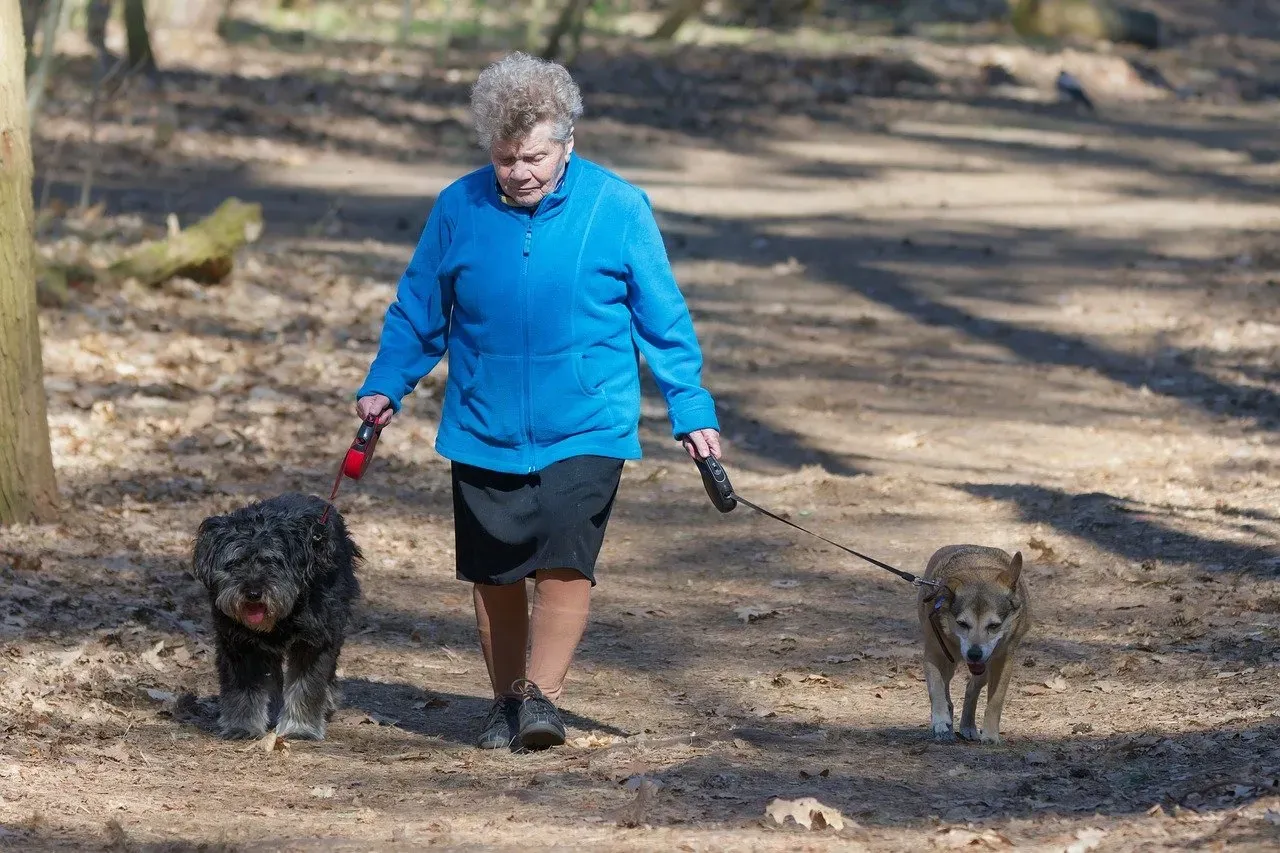
The long-term consequences of not walking your dog can be severe, with chronic health issues, persistent behavioral problems, and mental health concerns all resulting from lack of regular exercise, and these issues can be difficult to reverse and may require professional intervention. Prevention really is easier than cure.
A sedentary lifestyle, especially in older dogs, leads to muscle loss and stiff and painful joints, while daily exercise helps maintain muscle tone and keeps tendons and ligaments loose and ready for use. Even senior dogs need movement, just adapted to their capabilities.
The most significant factor driving dog walking is a strong sense of owner responsibility and understanding of the value of walking to canine health, suggesting that promoting dog-owner responsibility in a way that shows value rather than obligation may be more successful. When you understand what’s truly at stake, the daily walk becomes non-negotiable.
So what do you think? Has this changed how you view that leash hanging by your door? Your dog is waiting, and honestly, so is a healthier, happier version of both of you. Every single walk matters more than you might have realized. What will you discover together on your next outing?


