
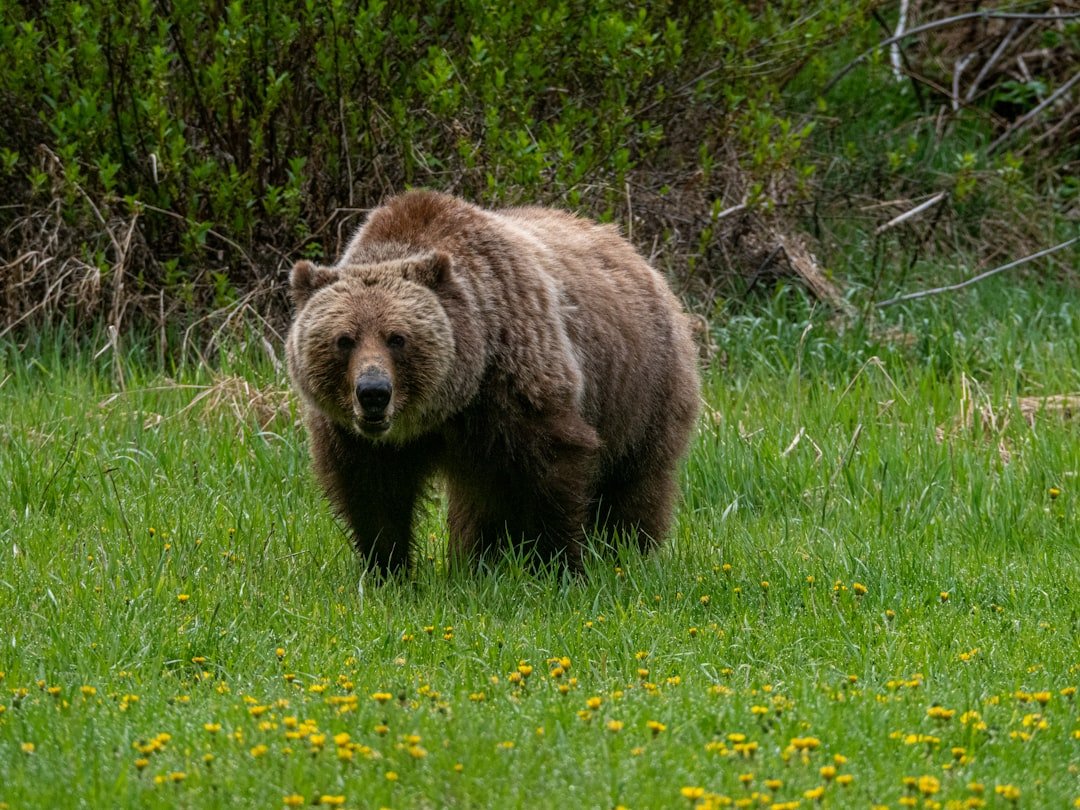
Bears Emerge Hungrier Than Ever (Image Credits: Unsplash)
Black bears across the United States stirred from winter dens this spring, drawn by warming temperatures and the need to replenish energy after hibernation. Wildlife officials reported heightened activity from Wisconsin to North Carolina, with bears venturing into residential areas and parks in search of easy meals.[1] Agencies like BearWise and state departments of natural resources stressed proactive measures to prevent conflicts, focusing on food management and respectful distances.
Bears Emerge Hungrier Than Ever
Black bears typically left their dens by April 2026, coinciding with cubs’ first explorations and mothers’ protective instincts. Officials noted that these animals sought high-calorie foods after months without eating, leading to more frequent sightings near homes.[2] In Connecticut, the Department of Energy and Environmental Protection highlighted unsecured trash and bird feeders as primary attractants, contributing to a surge in home entries – from fewer than 10 annually a decade ago to 40 in 2025 alone.[3]
The Great Smoky Mountains National Park documented an average of 339 negative human-bear encounters each year over the past decade, many tied to food availability.[4] Such incidents underscored the urgency of prevention, as food-conditioned bears lost their natural wariness and posed greater risks to people and themselves.
Master the BearWise Basics
BearWise provided a straightforward framework adopted by agencies nationwide to deter bears from human spaces. These six principles addressed common lures that drew bruins into backyards during peak spring foraging.[2]
- Never feed or approach bears, as this conditioned them to seek people for food.
- Secure food, garbage, and recycling in airtight containers or garages to eliminate odors.
- Remove bird feeders when bears proved active, since seeds offered irresistible calories.
- Never leave pet food outdoors; feed animals indoors or remove bowls immediately after meals.
- Clean and store grills after use, scrubbing away grease that lingered as a scent trail.
- Alert neighbors to bear signs, fostering community-wide vigilance.
Officials in Wisconsin echoed these steps, urging residents to eliminate attractants before bears established habits.[1] Simple actions like these reduced repeat visits dramatically.
Handle Encounters Calmly and Effectively
The National Park Service advised maintaining at least 50 yards from bears to avoid disturbing them – a distance enforced strictly in areas like the Great Smoky Mountains.[4] Hikers spotted a distant bear engaged in normal activities should observe quietly without advancing. If the animal altered its path or stared, backers slowly backed away while facing it.
For closer approaches, experts recommended shouting, waving arms, and appearing larger to intimidate without running, which could trigger pursuit. Bear spray served as a last resort within 20 yards. In residential settings, residents provided escape routes and removed lures post-sighting to discourage returns.[1] Dogs complicated matters, often provoking defensive reactions, so leashing remained essential.
Rising Trends Demand Vigilance
Connecticut’s 2026 State of the Bears Report revealed bears in all 169 towns, with females and cubs appearing in 119 – more than double from a decade prior.[3] Wisconsin observed upticks in southern regions, where urban expansion overlapped with bear ranges. Food-conditioned animals faced shorter lifespans, halved to six or seven years due to traffic and poor health.[4]
Prevention proved most effective, as agencies relocated or euthanized problem bears only after repeated issues. “Proper food and trash management is one of the most effective ways to prevent bear encounters,” noted an Alaska official in a similar context.[5] Communities that shared alerts saw fewer conflicts overall.
Key Takeaways
- Secure all potential food sources – trash, pet food, bird seed – to keep bears wild.
- Maintain 50 yards distance; back away slowly if approached.
- Act aggressively but calmly during close encounters; never run.
Adopting these practices allowed Americans to enjoy spring outdoors while preserving bears’ natural behaviors. Human habits largely determined encounter outcomes, making awareness a shared responsibility. What measures have you implemented in bear country this season? Share in the comments.


