

Labrador Retrievers have a reputation that’s impossible to ignore—they’re lovable, loyal, and almost alarmingly food-obsessed. Anyone who’s ever owned or even met a Lab knows the drill: leave a sandwich on the counter for ten seconds, and it’s gone. Their big, pleading eyes and ever-wagging tails seem to activate at the slightest rustle of a snack bag. But what lies behind this bottomless appetite? This article dives deep into the fascinating world of Lab behavior, exploring why these dogs seem programmed to love food and what it means for their owners. Get ready to discover the science, the history, and the heartfelt quirks that make Labradors the world’s most charming chowhounds.
The Labrador’s Origins: Born to Work, Born to Eat

Labradors originated in Newfoundland, where they worked alongside fishermen, retrieving nets and hauling in fish. Their jobs demanded high energy and stamina, which meant they needed a lot of fuel. Over generations, Labs developed a natural inclination to eat whenever food was available, a trait that helped them survive harsh working conditions. This appetite became ingrained in the breed, and even today, Labs seem to have an “eat now, worry later” approach hardwired into their DNA. Think of it as a survival strategy that stuck around long after the fishing boats sailed away. When you see your Lab sniffing out crumbs or begging for treats, you’re witnessing centuries of hard work in every hopeful glance.
Genetics: The Surprising Role of the POMC Gene

In 2016, researchers stumbled upon a remarkable find: many Labradors carry a mutation in the POMC gene, which regulates appetite and feelings of fullness. This genetic twist means that food simply doesn’t make them feel as satisfied as other breeds. As a result, Labs are constantly on the lookout for their next meal. It’s not just a matter of willpower—their bodies are literally telling them to keep eating. For some dogs, this can lead to relentless scavenging, even for foods that most pups would turn down. When a Lab nudges your elbow for another bite, it’s often their biology, not just their personality, talking.
Food as a Love Language: Bonding Through Snacks

For many Labs, food isn’t just about filling their bellies; it’s also a way to connect with their humans. Sharing treats creates a sense of closeness and trust, and Labs quickly learn that sitting, staying, or offering a paw leads to tasty rewards. This turns food into a powerful motivator and a currency for affection. Owners often find that training sessions with treats are far more successful, and Labs seem to thrive on this positive reinforcement. The exchange of food for good behavior transforms everyday moments into bonding experiences, deepening the special relationship between dog and owner.
Environmental Triggers: Why Labs Sniff Out Every Crumb

Labradors are equipped with an extraordinary sense of smell—one of the best in the canine world. Their noses can detect even the faintest scent of food, making them naturally drawn to kitchens, picnic baskets, and trash cans. But it’s not just their noses at work; their sharp minds quickly associate noises, sights, and routines with food. The sound of a bag opening or the clink of a bowl can send a Lab racing from across the house. These environmental triggers reinforce their food focus, making it nearly impossible for them to ignore a potential snack, no matter how small.
Emotional Eating: Comfort and Coping Mechanisms

Just like people, Labrador Retrievers can turn to food for comfort. Stress, boredom, or loneliness may drive them to seek out snacks as a way to self-soothe. A Lab left alone for long periods might raid the pantry or chew on anything edible simply because it makes them feel better. This emotional connection to food can be both endearing and challenging for owners. Recognizing these patterns is important; it means that some food-seeking behaviors are less about hunger and more about needing attention, stimulation, or reassurance.
Training: The Double-Edged Sword of Food Motivation
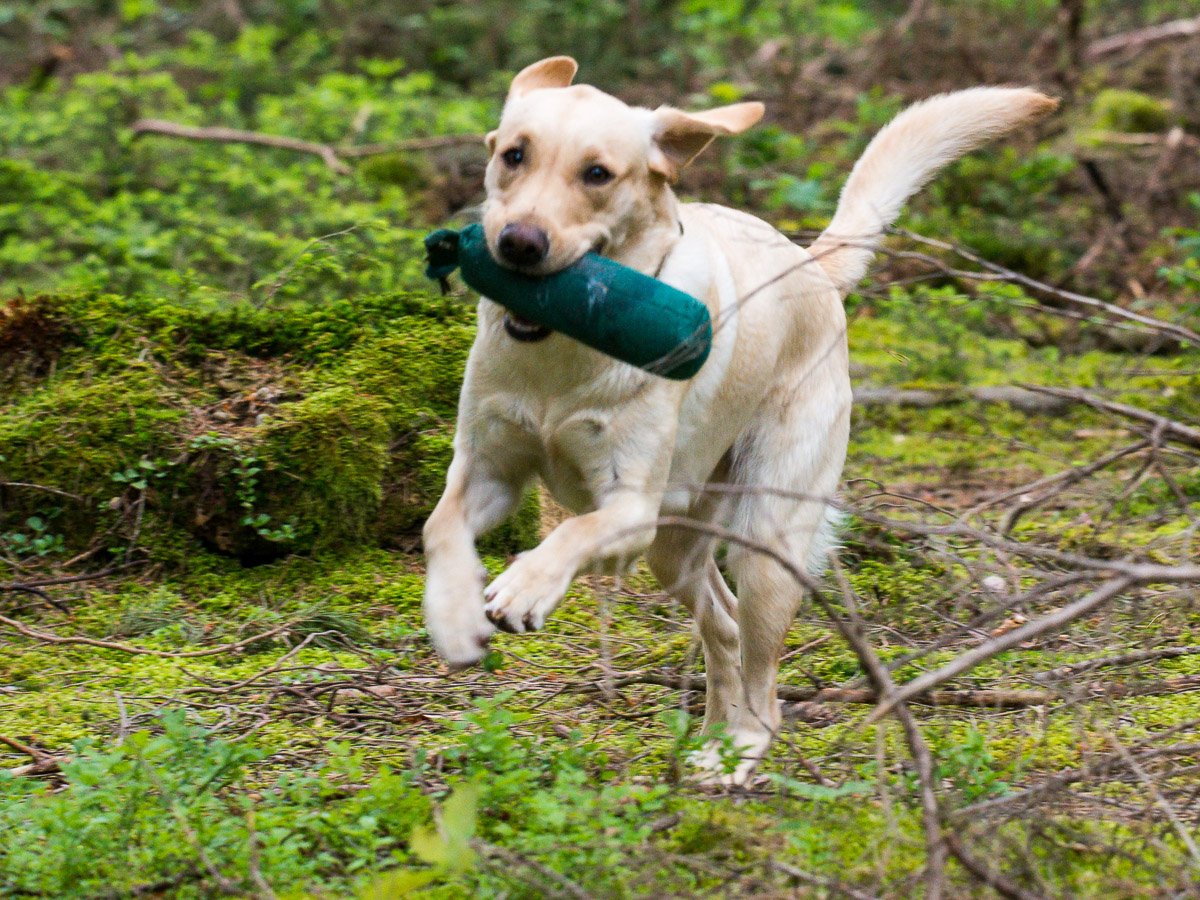
Food motivation is often a Labrador’s greatest asset in training. Their eagerness for treats makes teaching commands much easier than with less food-driven breeds. However, this same trait can backfire if not managed properly. Labs can become overly focused on treats, ignoring anything that doesn’t offer an edible reward. Consistent, structured training with a variety of rewards—praise, play, and food—can help balance their motivation. Owners should be careful not to overuse treats, as this can lead to unhealthy habits and excessive weight gain.
Obesity: The Hidden Danger Behind the Cuteness

Labrador Retrievers are at a higher risk for obesity than many other dogs, thanks to their insatiable appetite and the POMC gene mutation. Extra pounds can sneak up quickly, especially when owners give in to those pleading eyes. Obesity in Labs can lead to serious health problems, including diabetes, joint issues, and heart disease. It’s crucial for owners to measure food portions carefully, avoid feeding table scraps, and stick to a routine of regular exercise. Loving a Lab means protecting them from the dangers that come with overindulgence.
Scavenging and Counter Surfing: Natural Instincts at Play

If you’ve ever come home to find your Lab with its head in the trash or your dinner mysteriously missing, you’re not alone. Scavenging is a natural behavior for this breed, rooted in their history and genetics. Labs are resourceful and determined when it comes to finding food, often using their intelligence and agility to get what they want. Counter surfing and garbage raiding aren’t signs of bad manners—they’re expressions of instincts that once helped them survive. Owners can manage these behaviors with training, physical barriers, and by removing temptation from reach.
Social Dynamics: How Pack Behavior Influences Eating

In the wild, dogs ate in packs, and competition for food was fierce. Although your Labrador lives in a cozy home, some of these pack instincts linger. Labs may gobble their meals quickly or guard their food from other pets, driven by a subconscious fear that resources are limited. This competitive streak can even show up when multiple dogs are present, with each trying to out-eat the other. Understanding these social dynamics can help owners create a more peaceful feeding environment and reduce tension at mealtime.
Managing the Food Fixation: Practical Tips for Owners

Dealing with a food-obsessed Lab requires patience, creativity, and a sense of humor. Using slow-feeder bowls can help prevent gulping and reduce the risk of bloat. Puzzle toys and treat-dispensing games keep Labs mentally engaged while satisfying their need to forage. Setting boundaries, such as not feeding from the table and enforcing “no begging” rules, creates healthier habits. Regular exercise is a must, helping to burn off extra calories and channel their energy away from constant food-seeking. With consistency and care, owners can strike a balance between indulging their Lab’s appetite and keeping them healthy.
The Upside: Turning Food Obsession into a Superpower

While a Labrador’s food obsession can be challenging, it’s also a unique strength. Their willingness to work for food makes them exceptional service and therapy dogs, able to learn complex tasks and routines. Many Labs excel in scent detection, search-and-rescue, and even medical alert roles, where their food drive is transformed into life-saving work. Embracing this trait and channeling it into positive activities not only benefits the dog but can also make a real difference in people’s lives. For so many Lab lovers, their insatiable appetite is simply part of their irresistible charm.
Labrador Retrievers and food—name a more iconic duo! Their love for snacks isn’t just about greed; it’s hardwired into their genes and history as working dogs. While that bottomless appetite can be tricky, it also makes them super easy to train with the right treats. Just keep an eye on portions and stick to healthy rewards. With a bit of balance, your food-loving Lab can stay happy, healthy, and always ready for the next tasty command!


