
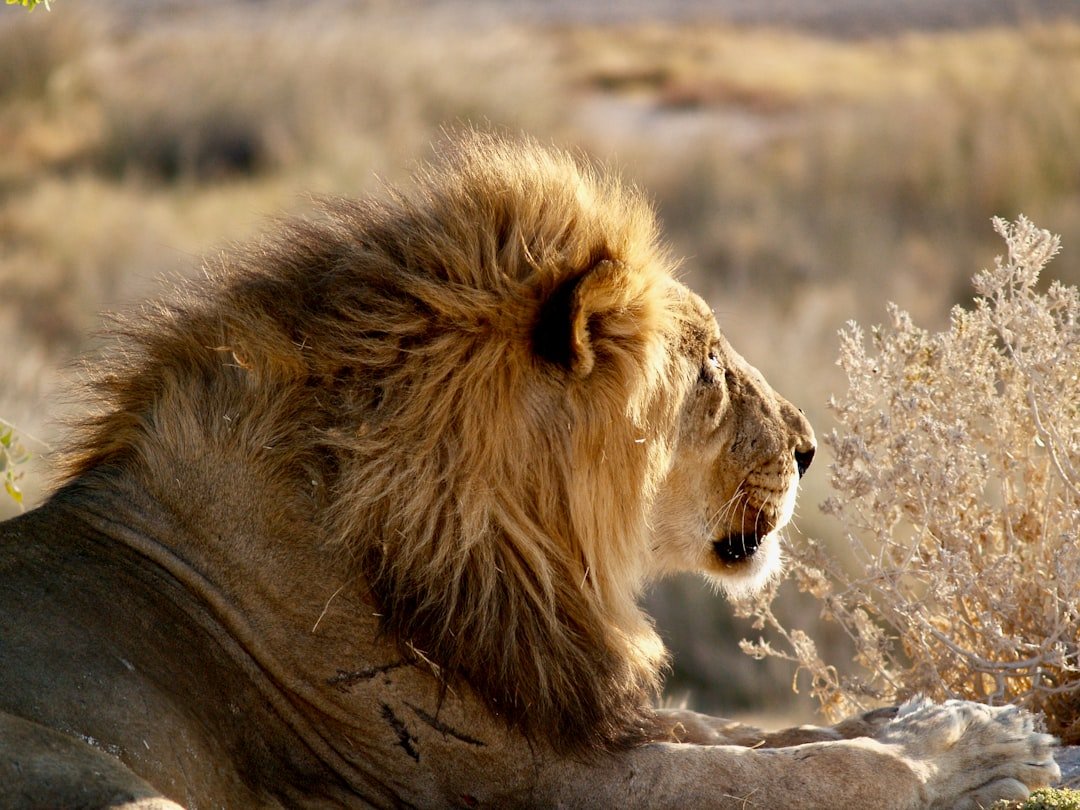
A Forensic First Shakes Up Poaching Cases (Image Credits: Unsplash)
Hwange National Park, Zimbabwe – Wildlife authorities secured prison sentences for two poachers after matching DNA from lion remains to a monitored animal killed in 2024.
A Forensic First Shakes Up Poaching Cases
Investigators uncovered body parts in a suspect’s village that linked directly to a specific male lion under surveillance. This marked the world’s initial use of such DNA evidence to convict offenders in a wildlife crime. The breakthrough relied on a specialized database that cataloged genetic profiles from tracked lions.
Poaching has long plagued protected areas like Hwange, where lions face relentless threats. Traditional methods often fell short in building airtight cases. Prosecutors hailed the DNA match as transformative, providing irrefutable proof that bypassed alibis and denials.
From Park Monitoring to Critical Evidence
Park rangers had fitted the lion with a tracking collar as part of conservation efforts. When the signal vanished, teams launched a search that revealed the animal’s fate. Samples from the scene fed into the DNA database, yielding a precise identification.
This technology stemmed from collaborative initiatives to safeguard endangered species. Genetic profiling now allows experts to distinguish individual animals amid vast populations. The process confirmed the lion’s origin within Hwange’s boundaries, closing gaps in prior investigations.
The Path to Justice Unfolds
Suspects faced charges after authorities discovered lion parts consistent with the tracked male. Forensic analysis sealed the connection, leading to arrests. The court reviewed the evidence meticulously before delivering guilty verdicts.
Both men received prison terms, a deterrent signal to others. The case highlighted swift coordination between park officials, forensic labs, and judicial systems. Such efficiency could redefine how poaching prosecutions proceed across Africa.
Ripples for Global Wildlife Protection
This precedent elevates DNA forensics in the fight against trophy hunting and illegal trade. Conservationists anticipate wider adoption of genetic databases in vulnerable habitats. Poachers may now hesitate, knowing individual animals carry traceable signatures.
Challenges persist, including funding for collars and labs. Yet successes like this bolster international partnerships. Protected species stand to benefit as evidence standards rise.
- DNA databases enable precise animal identification.
- Tracking collars provide real-time monitoring data.
- Forensic matches strengthen legal outcomes.
- Collaborative efforts accelerate investigations.
- Prison sentences deter future violations.
Key Takeaways
- World’s first conviction using lion DNA sets a powerful precedent.
- Genetic evidence overcomes common poaching investigation hurdles.
- Expanded use could transform conservation in high-risk areas.
Wildlife advocates view this as a pivotal moment that fortifies defenses against extinction threats. As technology advances, poachers face shrinking shadows to hide in. What steps should parks take next to build on this win? Share your thoughts in the comments.


