
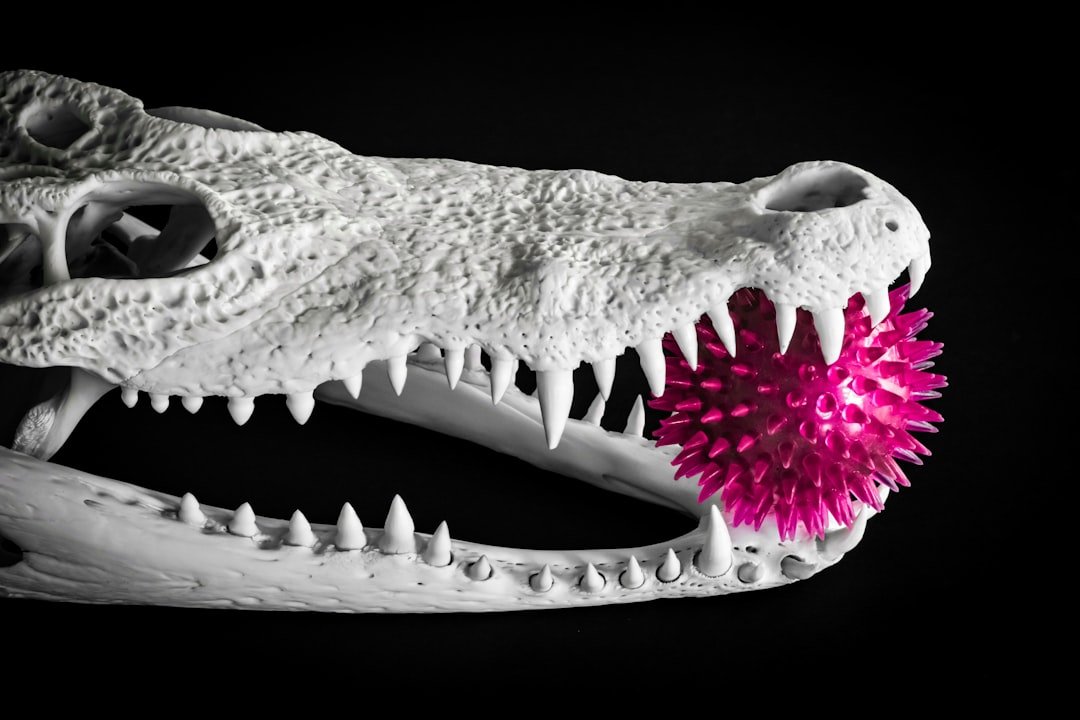
A Hidden Giant Faces Oblivion (Image Credits: Unsplash)
Savannakhet Province, Laos – Local villagers have orchestrated a conservation success story by bolstering populations of the Siamese crocodile, one of the world’s most imperiled reptiles, in vital wetlands.
A Hidden Giant Faces Oblivion
Fewer than 1,000 mature Siamese crocodiles survived in the wild as recent decades unfolded, victims of habitat destruction, hunting, and rampant egg collection across Southeast Asia.
Once common in rivers and swamps from Thailand to Indonesia, the species clung to existence primarily in Laos’ Xe Champhone Wetlands, a sprawling Ramsar site teeming with aquatic life. Conservationists documented annual nest surveys there, revealing one of the largest remaining wild groups in mainland Southeast Asia. Yet threats persisted, pushing the reptile toward potential extinction.
This shy, freshwater dweller, growing to about three meters, evoked fear in some quarters but held deep cultural reverence among locals.
Villagers Step Up as Stewards
Since 2011, residents of villages like Tansoum and Ban Natay partnered with the Wildlife Conservation Society and government authorities to reverse the decline.
Village Conservation Teams, recruited from the communities themselves, received training to patrol the wetlands and safeguard nests. These groups built on longstanding traditions viewing crocodiles as spiritual protectors, which discouraged poaching and fostered commitment. Santi Saypanya, WCS Laos Program Director, highlighted how such beliefs created strong protection incentives.
Their efforts extended beyond vigilance, incorporating hands-on interventions that yielded tangible results.
Head-Starting a Comeback
Teams located nests during monitoring expeditions, then collected eggs to shield them from floods, predators, and collectors.
In controlled settings, experts incubated the eggs for 75 to 80 days until hatching. Hatchlings grew under care for up to 32 months, reaching one meter in length before soft release into the wild. This head-starting approach boosted survival rates dramatically.
Since 2019, conservationists released hundreds of these juveniles, with 78 in one tally and more awaiting deployment. A recent WCS-led report confirmed population recovery in the Xe Champhone complex, crediting sustained community involvement.
- Nest monitoring every season to track breeding success.
- Egg protection and incubation achieving 75% hatching rates from 25 nests.
- Juvenile rearing and monitored releases to integrate with wild groups.
- Habitat zoning to curb unsustainable resource use.
- Alternative livelihoods like ecotourism to support villagers.
Ripples of Success Across Ecosystems
The initiative opened the Xe Champhone Wetland and Crocodile Information Center, educating visitors on biodiversity while showcasing community achievements.
Steven Platt, a WCS conservation scientist involved for over a decade, stated, “Recovery is possible—even for species on the edge of extinction—when conservation is built around local knowledge, cultural values, and sustained scientific monitoring.” Efforts also benefited endangered turtles and wetland birds, underscoring wetland health’s interconnectedness.
Funding from groups like the Margret A. Cargill Foundation and the European Union reinforced land-use planning for sustainability.
Key Takeaways:
- Community teams released hundreds of head-started crocodiles since 2019.
- Cultural reverence amplified protection without heavy enforcement.
- Xe Champhone now stands as a model for species recovery globally.
Laos’ triumph demonstrates how grassroots action, fused with science, can reclaim biodiversity from the brink. As wetlands face climate pressures, such models offer blueprints worldwide. What role can communities play in your local conservation efforts? Share in the comments.


