
There’s something undeniably appealing about big dogs. That gentle nudge of a massive head against your leg, the way their presence fills a room, how they look lying beside you on the couch. People fall in love with the idea of owning a gentle giant before they’ve even met one.
Maybe you’ve seen a gorgeous Great Dane at the park or watched videos of Saint Bernards being cuddled by children. The draw is real. These breeds seem noble, protective, and somehow easier than those yappy, high strung little dogs. Here’s the thing though. Size isn’t just about height or weight. It’s about logistics, energy, health costs, and frankly, the amount of drool you’re willing to tolerate on your walls. Let’s be real, owning a large dog can be wonderful, but it’s rarely as simple as it looks.
The Great Dane: Elegance Meets Chaos
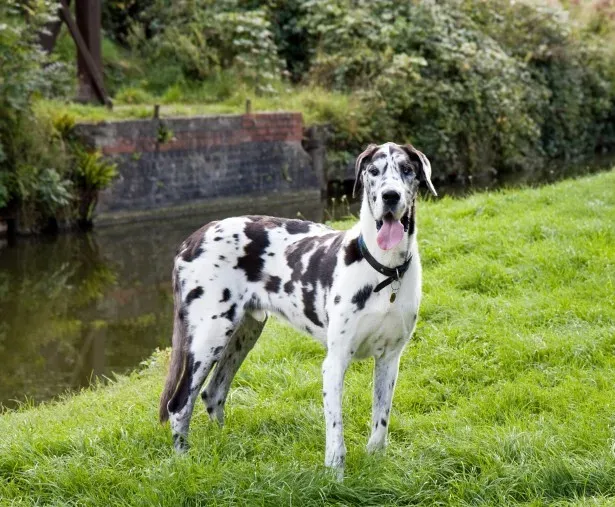
Great Danes are often called gentle giants and are considered moderately playful and affectionate, which makes them sound like the perfect family companion. Yet this towering breed comes with challenges that catch many first time owners off guard.
Even though Great Danes are lovely dogs, they can be challenging to raise due to their huge physical size, which makes them tough to control, and their training should start early during puppyhood. The breed may be rowdy, especially during their younger years, and is prone to unusual chewing behaviors and separation anxiety, and without proper training for social interactions, they may become snappy or aggressive. An untrained Great Dane who jumps in excitement can easily knock someone over. Their sheer strength means basic obedience isn’t optional.
The breed has poor longevity, with Great Danes living only six to eight years or less. They are also susceptible to bloat, a condition involving gas buildup and possible twisting of the stomach, which is a real possibility with giant breed dogs. This isn’t a minor concern. It’s life threatening and requires immediate veterinary intervention.
Saint Bernards and the Reality of Drool
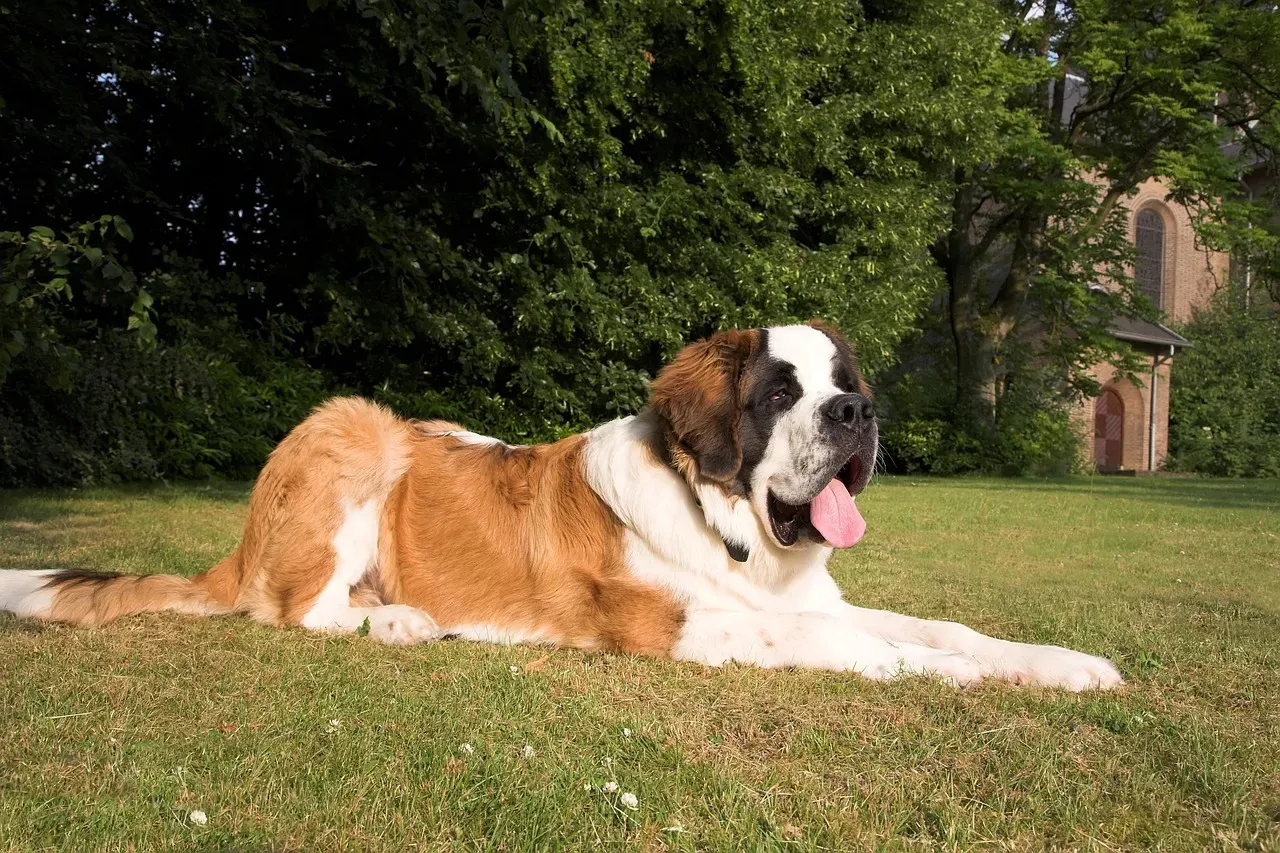
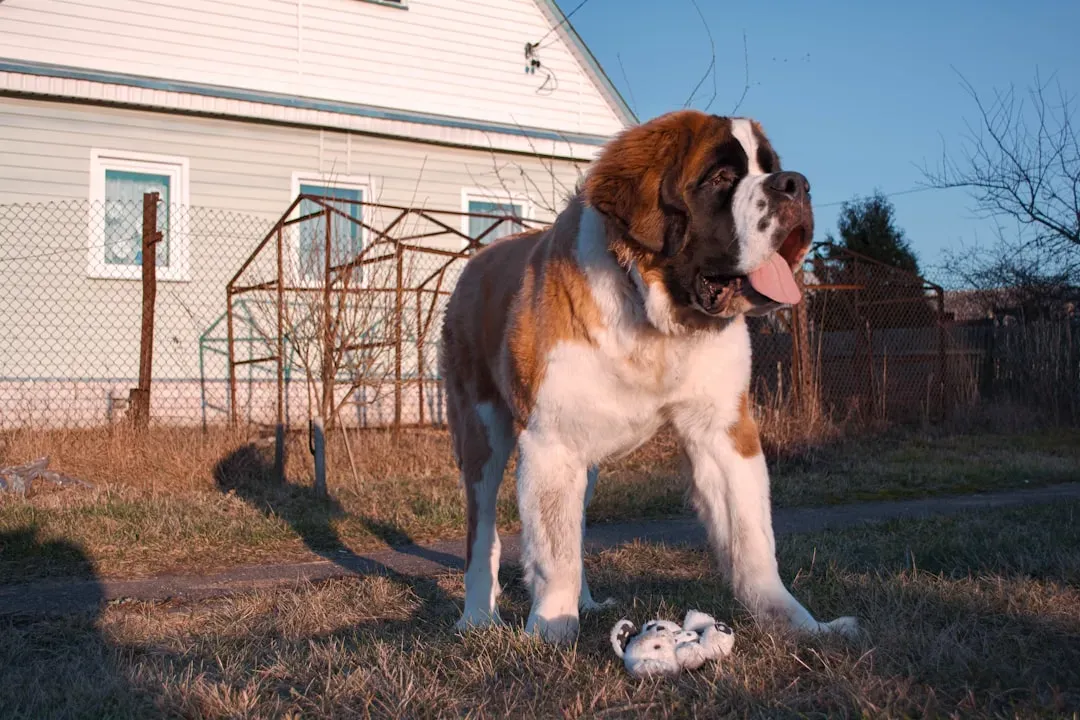
If you think owning a Saint Bernard means getting a fluffy rescue hero who poses for photos, think again. If you prefer an immaculate and orderly house, a Saint Bernard may not be the ideal dog for you, as these dogs tend to drool due to their lower hanging jowls, and when they shake their head, extra drool may go flying.
There is no such thing as a dry mouth Saint Bernard, some do drool more than others, and all drool after a drink, with the drool caused by the flews, the hanging part of the jaw. Excessive salivation is typical in Saint Bernards due to the extra skin in that area, which is a hereditary conformational defect. Carrying towels becomes part of your daily routine. Your furniture will need regular cleaning.
Saint Bernards have a good temperament, but because of their size they can be difficult to handle, so training and socialization from an early age is crucial; this breed is very smart and learns quickly, so they do well in classes, and obedience classes teach them to follow cues so you can train them to be calm around children, not to jump up on people, and not to counter surf for food. Honestly, if you’re not prepared for the grooming, the space requirements, and the vet bills associated with a giant breed, reconsider.
Rottweilers: The Protector Who Needs Guidance

Rottweilers are known for their strong protective instincts, rooted in their history as guard dogs and working animals, and they are naturally vigilant and will take their role as protectors of their family and territory very seriously. While this loyalty sounds ideal, it can become a problem without proper training and boundaries.
To balance their protective instincts with friendly behavior towards strangers, early socialization is crucial, exposing your Rottweiler to various people, environments, and situations from a young age helps them distinguish between genuine threats and non threatening scenarios. The Rottweiler can show a natural guarding instinct to protect his home and family as part of his genetic history. Without consistent training, that instinct can morph into territorial aggression.
Rottweilers are a high energy breed with significant exercise requirements, they thrive on activities that challenge them both physically and mentally, and without adequate exercise, they may become restless and engage in destructive behaviors. This breed isn’t for someone looking for a couch potato companion. They need jobs, structure, and an owner who can establish clear leadership.
Akitas: Independent and Intense
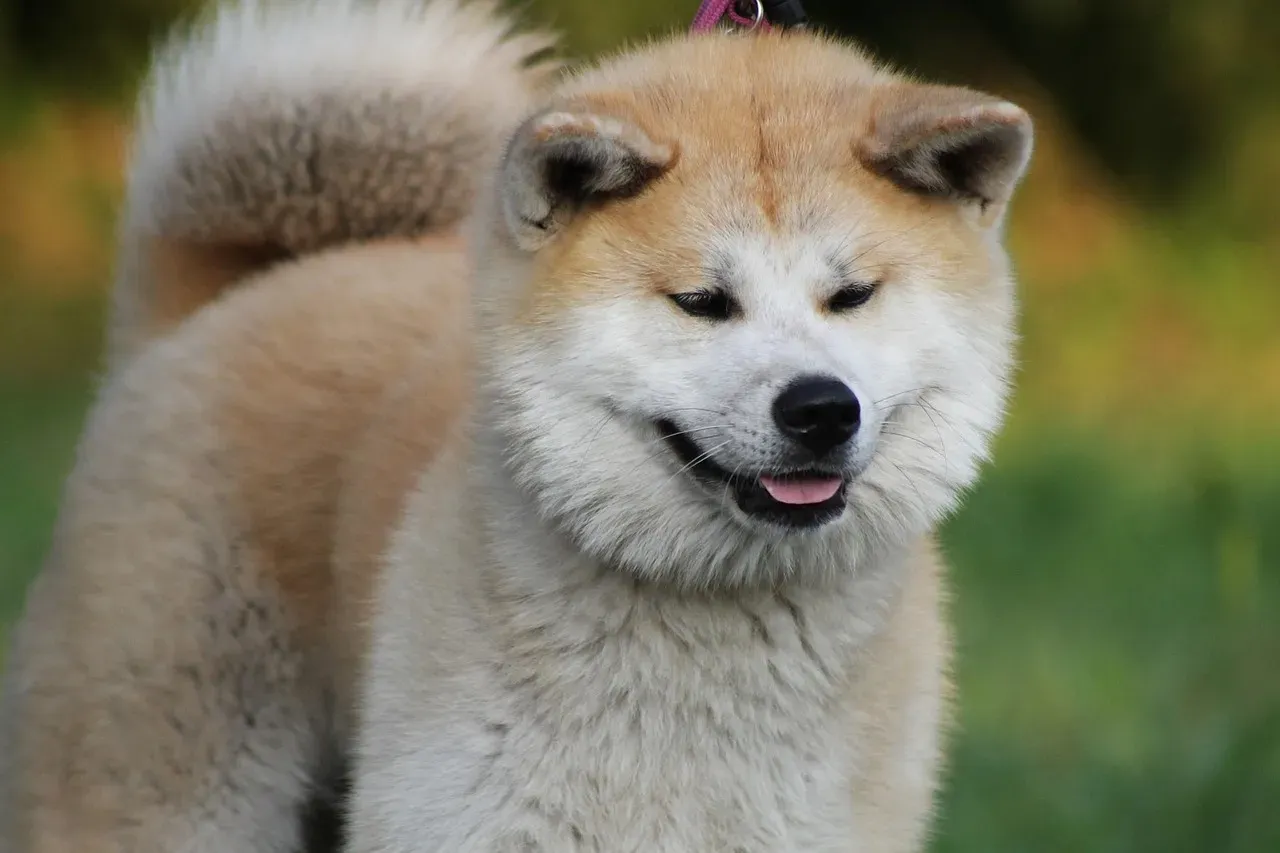
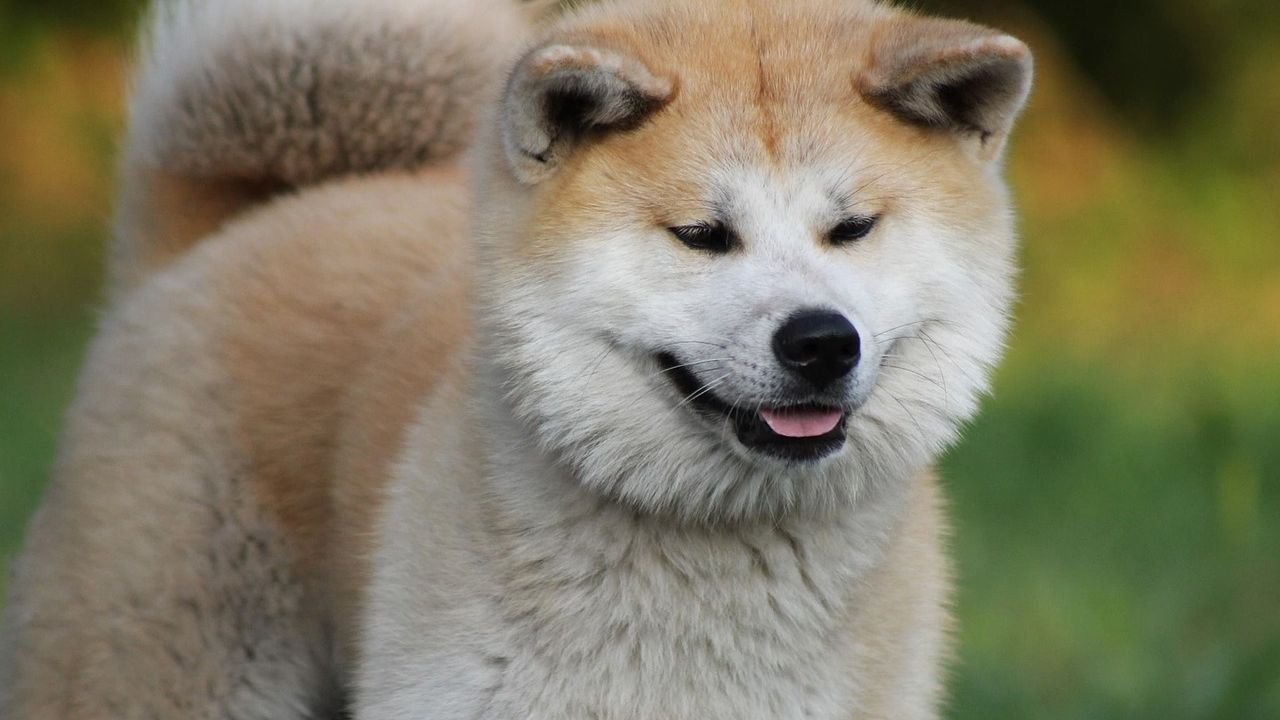
Akitas are large, powerful dogs with a strong willed and independent nature. Akitas are intelligent and loyal but notoriously independent, early and consistent training is vital but may be frustrating at times, and because of their size, strength, and potential training difficulties, Akita Rottweiler mixes are best suited for experienced owners.
As natural protectors, Akitas have a strong instinct to guard their families, and this trait can lead to protective behaviors that must be managed during training to ensure they are well socialized and comfortable in various environments. They’re not the type of dog who warms up to strangers quickly. In fact, they can be aloof or suspicious.
Due to their independent nature, Akitas can become bored quickly, so keep training sessions concise, around ten to fifteen minutes, and incorporate fun elements to maintain their interest. Let’s be honest, training an Akita requires patience and creativity. They won’t blindly follow commands just because you ask nicely. You need to earn their respect and keep things interesting, or they’ll simply tune you out.
Space and Exercise: More Than You Think

Giant breeds include Alaskan Malamutes, English Mastiffs, Cane Corso, Great Danes, Great Pyrenees, and Saint Bernards, and giant breed dogs do not require much exercise, they just need a space big enough to move around, and due to their size, hip and joint issues are common, so avoid overexertion, as these dogs are big fans of swimming and short walks, with a half hour to forty five minutes daily being plenty.
Bigger dogs don’t necessarily need more exercise, and they often require gentler movement for their large frames, as giant breeds like Great Danes, Newfoundlands, and Saint Bernards are prone to hip and joint issues, and low impact activities, such as short walks, swimming, or treadmill sessions, can keep them active without adding strain. Space is a different issue entirely. Unlike toy dogs, they need a lot of space to move around, and it’s common for them to have joint and hip issues as they age, so be prepared for the added vet expense and concern for their well being.
These dogs take up physical space in ways people don’t anticipate. A Great Dane’s tail can clear a coffee table in one happy wag. They need room to stretch out when they sleep, and trust me, they will try to claim your bed. You might think you have enough space until you actually live with one.
Health Costs and Shorter Lifespans

Great Danes don’t average any longer when it comes to lifespan, as they only live an average of eight to ten years, with some living as little as six or seven years, and the average lifespan of a Mastiff is between six and twelve years, which is a big difference, and unfortunately, larger dogs mature more quickly and have more health problems, resulting in a shorter lifespan even in ideal circumstances.
Vet bills for large breeds aren’t just higher because of medication doses calculated by weight. Saint Bernards do not eat according to size because they don’t expend a lot of energy, but it can get expensive at the veterinarians due to the cost of medications given by weight of the dog. Surgery, diagnostics, even routine procedures cost more when your dog weighs over one hundred pounds. The financial commitment is real, and it lasts for a shorter window than you’d hope.
One of the most critical health concerns for Saint Bernards is gastric dilatation volvulus, commonly known as bloat, which occurs when the stomach fills with gas and twists, cutting off blood supply to the organs. These aren’t rare, exotic conditions. They’re breed specific risks every owner should be prepared for, emotionally and financially.
Conclusion: Love Them, But Know What You’re Getting Into
Large dog breeds offer companionship, loyalty, and a presence that’s hard to replicate. They can be incredible family members. Still, the reality of managing a giant breed goes far beyond what most people imagine. From training challenges and space requirements to health issues and shorter lifespans, these dogs demand more than good intentions.
Before you bring home that adorable Great Dane puppy or fall for a Saint Bernard’s soulful eyes, ask yourself if you’re truly ready. Do you have the time, the space, the patience, and the budget? Can you handle the drool, the vet visits, and the sheer physical strength of a dog who doesn’t realize they’re not a lap dog? If the answer is yes, you’re in for a rewarding journey. If you’re unsure, that’s okay too. Sometimes the most loving choice is recognizing when a breed isn’t the right fit. What do you think? Are you ready for the challenge, or does this change your perspective?


